
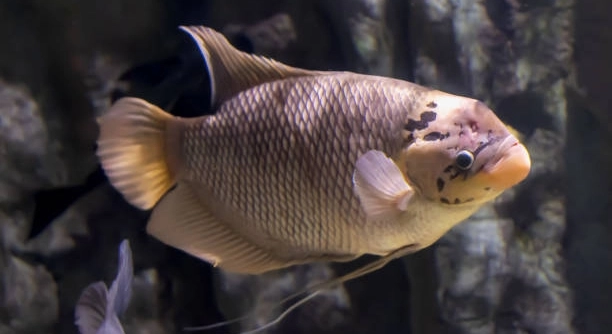
Have you ever noticed your gourami swimming up whenever you approach the tank, as if it recognizes you? These small, colorful fish often show unique behaviors that suggest they notice differences in the people around them.
Gouramis are capable of distinguishing between familiar and unfamiliar humans through visual cues and past interactions. Studies indicate that these fish can learn to associate certain people with feeding or care, showing distinct recognition and response patterns in their behavior.
Observing your gourami closely can reveal subtle signs of recognition and interaction, offering insight into how these fish perceive their environment and caregivers.
How Gouramis Recognize People
Gouramis use their vision and memory to recognize individuals who interact with them regularly. They can differentiate between a familiar person who feeds them and a stranger passing by the tank. Over time, these fish associate certain actions, like approaching the tank or tapping gently, with positive experiences such as feeding or care. Their recognition isn’t just about faces; it includes movement patterns, hand gestures, and even subtle changes in the way someone approaches the tank. This ability helps gouramis feel secure in their environment, reducing stress when their usual caretaker is nearby. Observing their swimming patterns or reactions when someone new approaches can show how they react differently to familiar versus unfamiliar people. It’s fascinating to see a small fish remember and respond in a way that shows clear recognition.
Recognition by gouramis strengthens over repeated interactions, making them more responsive over time.
Consistency in feeding and handling routines reinforces their memory. When a person approaches, gouramis may swim closer, follow fingers, or show excitement. They respond best when interactions are calm and predictable, allowing them to anticipate feeding or care. Over weeks, these fish can form a reliable pattern of recognition, reacting differently to each person in a tank. Their memory isn’t as detailed as mammals, but it’s enough to distinguish who provides food, who cleans the tank, and who occasionally disturbs them. Even brief daily interactions help strengthen this recognition, showing that small fish are more perceptive than often assumed.
Behavioral Signs of Recognition
Gouramis exhibit clear behaviors when they notice a familiar person approaching the tank.
They may swim actively toward the side of the tank, hover near the surface, or follow your hand. These actions indicate excitement and anticipation.
When a gourami recognizes someone, it often changes its posture and movement. The fish may swim closer to the front, extend fins slightly, or move in a pattern that signals attention. They respond differently to familiar caretakers versus strangers, showing either curiosity or cautious avoidance. Over time, these behaviors become more pronounced as the fish reinforces its recognition of specific individuals. Their responses are influenced by feeding schedules and handling frequency, meaning consistency is key. Even minor gestures, like tapping gently on the tank or offering food, trigger recognition patterns. Observing these subtle signs helps identify which actions gouramis associate with positive experiences, strengthening the bond between fish and caretaker.
Factors That Influence Recognition
Gouramis rely on visual cues and routine to identify people. Lighting, tank placement, and the person’s movements all affect how quickly they notice someone.
Familiarity strengthens when interactions are consistent. Regular feeding at similar times and gentle approaches reinforce recognition, while sudden changes can confuse them. Gouramis also respond to hand gestures, tapping, or slight noises associated with care. The clearer and calmer the signals, the easier it is for the fish to link a person to positive experiences. Stressful or abrupt movements can reduce recognition accuracy, making patience and consistency essential.
The size of the tank and number of fish influence attention and memory. In smaller tanks, gouramis can focus more easily on one person and track interactions better. Larger tanks or groups may divide their attention, slowing recognition. Environmental stability, like consistent water quality and decorations, helps them feel secure and notice changes related to humans. Gradual introductions of new people or changes in routines allow them to adjust, maintaining recognition patterns without stress. Over time, these factors collectively shape how reliably gouramis identify their caretakers.
Feeding Patterns and Human Interaction
Regular feeding schedules help gouramis link specific people to food. Timing and approach consistency play a major role in recognition.
When feeding is predictable, gouramis quickly learn who brings food and how to react. They may swim eagerly to the side of the tank, follow movements, or hover near the surface when a familiar person appears. Inconsistent feeding can confuse them, reducing responsiveness and making recognition slower. Gouramis also notice small details like hand position or the way food is presented, which becomes part of their memory. Observing these responses reveals how much they pay attention to repeated interactions, showing that even subtle cues can influence recognition.
Interaction during feeding strengthens trust and memory. Gouramis become more comfortable approaching hands, following movements, or waiting near the front of the tank. They associate calm, gentle gestures with positive experiences, reinforcing recognition patterns. Over weeks, repeated feeding routines help them distinguish caretakers from unfamiliar people. Changes in feeding frequency or method can alter their behavior, highlighting the connection between routine and recognition. These fish learn to anticipate interactions, responding with specific behaviors that indicate awareness and memory of the individual providing care.
Social Environment and Recognition
Gouramis notice interactions between other fish and humans. Observing who feeds or cares for them helps them form recognition patterns.
A calm tank environment allows gouramis to focus on individual caretakers. Too much movement or overcrowding can distract them and slow learning who is familiar.
Visual Cues and Memory
Gouramis use color, movement, and size to recognize people. Bright clothing or sudden gestures can grab their attention, while familiar patterns in approach help them identify their caretaker. Over time, they link these visual cues with positive or negative experiences, shaping their reactions consistently.
Handling and Approach
Gentle handling and predictable approaches reinforce recognition. Abrupt movements can make them wary, while calm interactions encourage consistent responses over time.
Can gouramis really tell one person from another?
Yes, gouramis are able to recognize individuals through repeated interactions and visual cues. They notice patterns such as the way someone approaches the tank, their hand movements, and even their clothing colors. This recognition develops over time and is strongest when interactions are consistent, calm, and predictable. The fish link these visual and behavioral cues to positive experiences like feeding, cleaning, or gentle interaction.
How long does it take for a gourami to recognize someone?
The time varies depending on the fish and the frequency of interaction. Some gouramis may show recognition within a few days, especially if feeding and care routines are consistent. Others may take weeks, particularly in larger tanks or when the environment is busy. Regular, gentle interactions help speed up the process, while sudden changes in routine can delay recognition. Repetition and patience are key.
Do gouramis respond differently to strangers?
Yes, they often behave cautiously or avoid the side of the tank when an unfamiliar person approaches. Unlike familiar individuals, strangers do not trigger the same excitement or attention. Gouramis may swim away, hide among plants, or remain at the back of the tank until they feel safe. Over time, even occasional positive interactions with a new person can help them adjust.
What behaviors show recognition in gouramis?
Common signs include swimming toward the tank front, following hand movements, hovering near the surface, or showing excitement when a familiar caretaker appears. They may also extend fins slightly or move in a pattern that indicates attention. These behaviors are subtle but consistent, signaling that the fish can differentiate between familiar and unfamiliar people.
Does feeding influence recognition?
Feeding is one of the strongest ways gouramis form recognition. When someone consistently provides food, the fish quickly associate that person with positive experiences. Predictable feeding schedules, calm gestures, and gentle hand movements reinforce recognition patterns. Inconsistent feeding or abrupt changes can confuse them, slowing the learning process and reducing responsiveness.
Can environmental factors affect their ability to recognize people?
Yes, the tank size, number of fish, lighting, and overall calmness of the environment influence recognition. Smaller, stable tanks allow gouramis to focus more easily on individual caretakers. Overcrowded or noisy tanks can distract them, making it harder to notice who is interacting with them. Gradual changes and consistent routines help maintain recognition.
Do gouramis remember people for a long time?
Gouramis have a memory span that allows them to recall familiar individuals for days or weeks, particularly when interactions are positive and repeated. While their memory isn’t as advanced as mammals, they retain enough information to distinguish caretakers from strangers reliably. Long-term recognition improves with frequent, calm, and consistent interactions.
Can handling affect their recognition?
Gentle handling and calm approaches strengthen recognition. Abrupt or rough handling can make them wary, slowing the learning process. Positive experiences during interaction, like slow movements and predictable gestures, encourage gouramis to respond consistently and confidently to familiar individuals. Over time, this builds trust and reinforces their recognition abilities.
Is it possible for gouramis to confuse people?
Yes, sudden changes in appearance, clothing, or approach style may temporarily confuse them. They rely on consistent visual and behavioral cues to identify caretakers. Patience and steady routines help them readjust and resume recognizing familiar individuals. Confusion is usually temporary and improves with repeated, calm interactions.
Do all gouramis recognize people equally?
Individual differences exist. Some gouramis are naturally more curious and attentive, learning to recognize people quickly. Others may be more cautious or shy, requiring longer periods to establish recognition. Age, personality, and prior experiences also influence how quickly and reliably a gourami can distinguish between individuals.
Can multiple gouramis recognize the same person?
Yes, but each fish may respond differently. In small groups, they may all react to a familiar caretaker, though their behavior can vary based on hierarchy, personality, and attention span. Consistent interaction with each fish ensures that recognition develops individually, even within a group setting.
Are visual cues more important than sound?
Visual cues are the primary factor for recognition. Gouramis notice movements, hand gestures, and clothing colors. Sound may play a minor role, such as tapping on the tank, but it is usually combined with visual cues to reinforce recognition. Calm, clear, and predictable signals work best for helping gouramis distinguish people.
Can recognition improve over time?
Yes, the more consistent and positive the interaction, the stronger the recognition becomes. Regular feeding, gentle handling, and predictable routines all reinforce memory and familiarity. Over weeks or months, gouramis can reliably identify familiar individuals and respond differently to new or unfamiliar people.
Gouramis are more observant than many people realize. They don’t just swim around the tank randomly; they notice patterns and changes in their environment. Repeated interactions with the same person allow them to learn who is associated with food, care, or gentle handling. Over time, these small fish can distinguish between familiar caretakers and strangers. This ability to recognize people shows that even fish with simple nervous systems are capable of forming basic memories and responses. The process is gradual and relies heavily on consistency, calm interactions, and predictable routines.
Observing a gourami’s behavior can be both interesting and informative. When a familiar person approaches, they may swim toward the front of the tank, hover near the surface, or follow movements with their eyes or fins. These behaviors are subtle, but they indicate recognition and memory. On the other hand, unfamiliar people may be met with caution or avoidance. The differences in responses show that gouramis can form associations with individuals based on past experiences. By paying attention to these signs, caretakers can better understand their fish and adjust interactions to build trust. Simple actions like feeding at regular times and approaching slowly can strengthen recognition and reduce stress for the fish.
Recognizing that gouramis can tell people apart also highlights the importance of a stable and calm environment. Tank conditions, the number of fish, lighting, and even noise levels can affect how well they observe and remember individuals. Providing consistency in daily routines allows gouramis to focus on interactions and respond predictably. Positive experiences, such as gentle handling and feeding, reinforce memory and help the fish feel secure. While their memory and recognition are not as advanced as mammals, it is enough for them to show clear differences in behavior toward familiar versus unfamiliar people. Understanding these traits makes caring for gouramis more rewarding and helps create a calmer, more engaging environment for both the fish and the caretaker.

Hello,
If you enjoy the content that we create, please consider saying a "Thank You!" by leaving a tip.
Every little bit helps us continue crafting quality advice that supports the health, happiness, and well-being of pets around the world, for pets of all shapes, sizes, and species.
We really appreciate the kindness and support that you show us!