
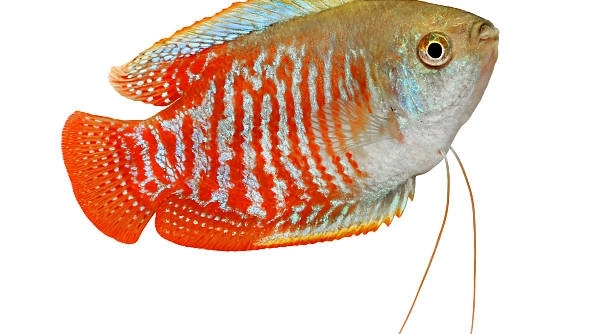
Can gouramis truly sense vibrations through the glass of their aquarium? Many aquarium enthusiasts notice these small, colorful fish reacting to movement outside the tank. Their subtle responses can often be surprising and fascinating to observe.
Gouramis are capable of detecting vibrations through glass due to specialized sensory organs called the lateral line system. This system allows them to perceive changes in water movement, enabling them to respond to external disturbances even outside the tank.
Observing their behavior can reveal much about their environment. Understanding these reactions will help you create a more comfortable and engaging habitat for your gouramis.
How Gouramis Sense Vibrations
Gouramis have a lateral line system that runs along the sides of their body. This system is sensitive to changes in water pressure and vibrations. Even through glass, they can detect movements outside the tank. This helps them respond to potential threats, food, or other environmental changes. Their behavior may seem subtle, like slight fin flicks or body shifts, but it is a clear response to what they sense. Observing these reactions can be fascinating, especially when you notice patterns, such as reacting more strongly to footsteps near the tank or sudden taps on the glass. Over time, these responses become predictable, showing how attuned they are to their surroundings. The ability to sense vibrations also helps them communicate with other fish. In community tanks, subtle vibrations can indicate nearby activity, which influences social behaviors. Understanding this system allows for better tank placement and less stressful environments for your gouramis, ensuring they remain healthy and active.
Their sensitivity shows how alert gouramis are. Small movements outside the tank influence their behavior noticeably.
Keeping track of how they react to different types of vibrations can help maintain a stable tank environment. By noting which movements cause stress, you can adjust tank placement or household activity to reduce unnecessary disturbance. Observing their behavior over time can also aid in identifying signs of illness or discomfort. Gouramis respond differently depending on their age, size, and species, so individual monitoring is important. Recognizing these patterns not only supports their wellbeing but also strengthens your understanding of their natural instincts. With careful observation, you can ensure your gouramis feel secure, maintain regular feeding patterns, and interact comfortably with tankmates. Adjustments like soft background noise, stable water conditions, and gentle handling during maintenance all contribute to a calmer habitat. Overall, knowing how they sense vibrations allows for a more harmonious and stress-free aquarium setup, promoting healthier, happier fish in the long term.
Tips for Reducing Stress From Vibrations
Limiting sudden movements around the tank helps gouramis stay calm. Regular, predictable activity reduces their stress levels.
Soft padding under the tank and placing it away from high-traffic areas can minimize external disturbances. Vibrations from appliances, heavy foot traffic, or even slamming doors can create unnecessary stress. Creating a stable environment ensures that gouramis feel secure and are less likely to exhibit frantic behavior. Strategic tank placement and gentle handling during water changes are simple ways to maintain a peaceful setting for your fish.
Maintaining a stress-free environment is essential for gouramis’ health. Consistent water conditions, minimal sudden noises, and careful feeding routines all play a role. Using stable decorations and avoiding tapping on the glass frequently helps reduce unexpected vibrations. Observing their daily activity allows you to notice if stress is affecting their behavior or appetite. Even small adjustments, like moving the tank away from loud appliances or heavy foot traffic areas, can make a significant difference. Gouramis are sensitive to environmental cues, so minimizing rapid changes ensures they remain comfortable. A calmer tank supports stronger immune function, better coloration, and more natural behavior. By combining careful tank placement, controlled handling, and attention to vibrations, you create a safer habitat. This approach not only keeps gouramis healthy but also makes observing them more rewarding and enjoyable over time.
Common Signs Gouramis React to Vibrations
Gouramis often react to vibrations with sudden fin flicks, body shifts, or brief darting movements. These subtle behaviors show their awareness of nearby activity and indicate how alert they are to changes in their environment.
These fish may swim closer to the tank surface or edges when vibrations occur. Their lateral line system detects changes in water pressure, signaling potential disturbances. Over time, they learn to distinguish between harmless household movements and more significant threats. Consistent observation helps in understanding their responses and predicting reactions to certain patterns, like footsteps or objects falling near the tank. Recognizing these signs allows for better care and a calmer environment for your fish.
Vibrations can also affect feeding behavior. Gouramis might hesitate to eat during frequent disturbances, showing that even minor vibrations impact their comfort. They may display heightened alertness or temporarily hide among plants and decorations. Understanding these responses ensures their environment can be adjusted to reduce stress. Regular monitoring of reactions provides insight into their wellbeing and helps maintain a more stable and secure habitat. Adjusting tank placement or reducing external movement can significantly improve their daily comfort and overall health.
How Tank Placement Influences Sensitivity
Placing the tank on a stable, vibration-free surface reduces unnecessary stress. Avoiding high-traffic areas keeps gouramis calmer and more comfortable.
A tank positioned near doors, appliances, or heavy foot traffic exposes gouramis to constant vibrations, which can lead to chronic stress. Using a sturdy stand and anti-vibration mats helps minimize these disturbances. Even slight shifts in the surface or repeated tapping on glass can trigger noticeable reactions. Observing how gouramis respond to different locations informs optimal placement. A well-chosen spot ensures they spend more time swimming naturally, exploring decorations, and feeding without interruptions. Prioritizing stability promotes healthier behavior and strengthens their sense of security.
Consistent tank placement also supports water quality and routine maintenance. By keeping the aquarium in a quieter, stable area, temperature fluctuations and accidental knocks are minimized. This reduces stress-related issues such as weakened immunity, erratic swimming, or hiding excessively. Strategic decoration placement can further buffer vibrations, providing safe spots for the fish to retreat. Monitoring daily activity patterns helps determine the most suitable location, ensuring the tank remains both functional and calm. Maintaining a stable, low-disturbance environment fosters natural behaviors, improves feeding efficiency, and enhances their overall wellbeing. Taking these steps shows that small adjustments have a meaningful impact on gouramis’ comfort.
Minimizing External Vibrations
Placing the tank on a solid, stable surface helps reduce vibrations. Avoid areas with frequent movement or noise, which can disturb gouramis and make them more anxious.
Using mats or padding beneath the tank further dampens vibrations. Even small adjustments can make a noticeable difference in their comfort and daily behavior.
Observing Behavioral Changes
Gouramis may change swimming patterns when vibrations increase. They can hide more often, reduce activity, or stay closer to decorations to feel safer.
Watching these patterns over time helps identify triggers. Noting which vibrations cause stress allows for better tank placement and care adjustments to keep the fish calm.
Feeding and Vibrations
Frequent vibrations can interfere with feeding. Gouramis may hesitate to eat or approach food cautiously if disturbances occur nearby.
Maintaining a calm environment during feeding times ensures they eat properly. Minimizing noise and movement around the tank helps establish a stable routine.
FAQ
Can gouramis feel vibrations through thick glass?
Yes, gouramis can detect vibrations even through thicker glass, although their sensitivity decreases slightly as the glass thickness increases. Their lateral line system senses changes in water movement, allowing them to respond to disturbances outside the tank. While thicker glass can dampen subtle vibrations, noticeable movements like footsteps, taps, or objects dropping nearby are still detectable. Over time, gouramis may become accustomed to regular, harmless movements, but sudden or unusual vibrations will still trigger reactions such as fin flicks, darting, or temporary hiding. Proper tank placement can help reduce constant disturbances.
Do all gourami species react the same way to vibrations?
Not all gourami species respond identically. While all gouramis possess a lateral line system, sensitivity and behavior vary between species. Larger species, such as the giant gourami, may react more slowly to minor vibrations, whereas smaller species, like the dwarf gourami, can be highly responsive. Individual temperament also influences reaction; some fish are naturally more cautious or timid, while others show bolder behavior. Environmental factors, tank size, and the presence of other fish also impact how vibrations are perceived. Observing your specific gourami species and understanding their tendencies allows for better care and adjustments to the tank environment.
Can vibrations cause stress or health issues in gouramis?
Yes, repeated or strong vibrations can lead to stress in gouramis. Signs of stress include hiding excessively, reduced feeding, erratic swimming, or loss of color. Chronic stress may weaken their immune system, making them more susceptible to disease and infections. Stress can also affect social behavior, causing aggression or withdrawal in community tanks. Minimizing vibrations through careful tank placement, anti-vibration padding, and maintaining consistent environmental conditions is important for their wellbeing. Providing decorations or hiding spots helps gouramis cope with unavoidable disturbances, offering them a sense of security and reducing negative impacts.
How can I tell if my gouramis are reacting to vibrations?
Gouramis show subtle behaviors in response to vibrations. Common signs include flicking fins, brief darting movements, or shifting positions quickly. Some may retreat to the tank’s decorations or stay near the bottom to avoid perceived disturbances. Watching their daily activity patterns can help identify which movements trigger reactions. Over time, predictable reactions, such as responding to footsteps or household noises, become easier to observe. Understanding these signs allows for adjustments in tank placement and environmental management, ensuring a calmer habitat for your fish while maintaining their natural behavior and wellbeing.
Will reducing vibrations improve their feeding habits?
Yes, calmer surroundings promote better feeding habits. Gouramis are cautious feeders and may hesitate to eat if vibrations are frequent or sudden. Reducing external movement near the tank, maintaining a predictable feeding schedule, and minimizing sudden noises encourages them to eat regularly and confidently. Proper feeding times without disturbances help maintain their health, improve digestion, and reduce stress. Monitoring how they respond to environmental changes during feeding ensures they remain comfortable and thrive in their habitat. Over time, calmer feeding routines contribute to stronger growth, vibrant coloration, and more natural behavior.
Are there tools or techniques to minimize vibrations effectively?
Yes, several practical methods can help. Placing the tank on a solid, low-traffic surface and using anti-vibration mats or padding underneath can significantly reduce disturbances. Avoiding areas near doors, appliances, or heavy foot traffic further minimizes vibrations. Strategic placement of decorations and plants provides hiding spots, which buffer the effects of unavoidable vibrations. Maintaining consistent water conditions, gentle handling during maintenance, and a predictable feeding routine also contribute to a calmer environment. Combining these techniques creates a stable, low-stress habitat for gouramis, supporting their health, natural behavior, and overall comfort within the tank.
Do gouramis get used to regular vibrations over time?
Yes, gouramis can acclimate to consistent, harmless vibrations. They learn to distinguish between routine household movements and sudden, unusual disturbances. However, unpredictable or strong vibrations will still trigger reactions. Gradual exposure to low-intensity vibrations, combined with a stable environment, can help them become less reactive. Observing their behavior and adjusting the tank setup ensures they feel secure, promoting confidence in swimming, feeding, and interacting with other fish. Over time, familiar vibrations become background stimuli, allowing gouramis to focus on their daily activities rather than reacting constantly to minor environmental changes.
Can vibrations affect breeding behavior in gouramis?
Yes, vibrations can influence breeding behavior. Gouramis may become hesitant to build bubble nests or display mating behaviors if they feel stressed by constant disturbances. Ensuring a calm, stable environment with minimal external vibrations encourages natural breeding patterns. Providing sufficient hiding spaces and keeping the tank in a quiet area helps both male and female gouramis feel secure. Monitoring environmental factors, such as water temperature and quality alongside minimizing vibrations, supports successful breeding. Calm surroundings allow gouramis to focus on nest building, courtship, and spawning without interference from external disturbances.
Is it normal for gouramis to hide more when vibrations occur?
Yes, hiding is a natural response. Gouramis instinctively seek shelter when they sense vibrations, which is a protective behavior. Plants, decorations, or other hiding spots give them a sense of security and reduce stress. Frequent hiding may indicate constant disturbances, signaling that the environment could be adjusted to reduce vibrations. Observing their patterns of retreat helps identify triggers, such as footsteps or nearby movements. Ensuring accessible hiding places allows gouramis to cope with unavoidable vibrations while maintaining their comfort, feeding habits, and natural activity levels within the tank.
How does tank size influence their reaction to vibrations?
Tank size affects how gouramis perceive vibrations. Smaller tanks transmit vibrations more directly through water, making fish more sensitive to disturbances. Larger tanks provide more buffer, allowing vibrations to dissipate before reaching the fish. Decorations, plants, and substrate also help dampen vibrations. Observing behavior in relation to tank size ensures the setup supports their comfort and reduces stress. Proper tank selection and environmental adjustments are essential for maintaining a stable, vibration-minimized habitat that encourages natural behavior and overall wellbeing for gouramis.
Gouramis are highly sensitive fish with a remarkable ability to detect vibrations in their environment. Their lateral line system allows them to perceive subtle changes in water movement, even through the glass of an aquarium. This sensitivity helps them respond to potential threats, locate food, and interact with other fish. Observing their reactions to vibrations can provide valuable insight into their behavior and wellbeing. Small movements outside the tank, such as footsteps, tapping on the glass, or nearby appliances, can trigger noticeable responses. These reactions may include fin flicks, body shifts, or temporary hiding among decorations. Understanding these behaviors is important for creating a comfortable and secure habitat. Over time, recognizing patterns in how gouramis respond to various vibrations can help in predicting their reactions and minimizing stress. By paying attention to these subtle cues, aquarists can make adjustments that enhance the fish’s daily comfort and support natural behaviors.
Minimizing external vibrations is essential for maintaining a calm environment in the aquarium. Tank placement plays a key role, with stable, low-traffic areas being the most suitable. Using solid stands and anti-vibration mats helps reduce the transmission of disturbances from the surrounding environment. Decorations, plants, and substrate also contribute to buffering vibrations, giving gouramis safe areas to retreat when they feel unsettled. During feeding times, limiting movement around the tank ensures the fish feel secure enough to eat properly. Sudden or frequent vibrations can disrupt feeding behavior, reduce activity, and even affect social interactions among tankmates. By carefully arranging the tank and monitoring daily activity, aquarists can create an environment that supports both physical health and behavioral comfort. Maintaining consistent water quality, gentle handling during maintenance, and a predictable routine further enhance a calm and stable habitat.
Gouramis can gradually adapt to regular, low-intensity vibrations, but they remain responsive to sudden or strong disturbances. Individual differences between species and fish temperament influence how they react, making observation and adjustment important. Providing hiding spaces and minimizing stressors encourages natural behaviors, including swimming, feeding, and interaction with other fish. Reducing environmental disturbances benefits their overall health, coloration, and immune system. Understanding how gouramis sense and respond to vibrations allows aquarists to make informed decisions about tank placement, maintenance practices, and daily care routines. By taking these factors into account, it is possible to create a secure and comfortable aquarium environment that fosters healthy, active, and content gouramis.

Hello,
If you enjoy the content that we create, please consider saying a "Thank You!" by leaving a tip.
Every little bit helps us continue crafting quality advice that supports the health, happiness, and well-being of pets around the world, for pets of all shapes, sizes, and species.
We really appreciate the kindness and support that you show us!