
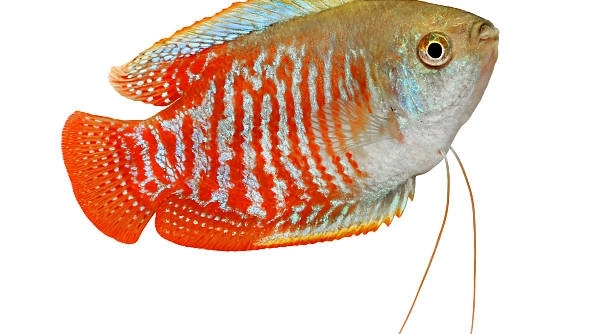
Gouramis are gentle freshwater fish often kept in home aquariums. They display a variety of behaviors throughout the day, and their resting patterns can be as fascinating as their feeding habits. Observing them can reveal subtle routines.
Gouramis do exhibit sleep preferences, often selecting specific areas of the tank with minimal light and gentle water flow. These preferences are influenced by factors such as safety, comfort, and environmental stability, indicating that their rest patterns are purposeful and consistent.
Understanding these sleep habits can improve tank setups and enhance their overall well-being. Proper observation helps maintain a healthy, comfortable environment for gouramis.
Understanding Gourami Sleep Behavior
Gouramis are known for their calm and observant nature, which becomes more apparent during rest periods. They often seek out quiet corners of the tank, near plants or decorations that offer a sense of security. These fish prefer areas with gentle water movement and reduced light, allowing them to feel safe while resting. Observing their behavior can reveal patterns, such as staying in one spot for extended periods or occasionally drifting near the surface. Their activity levels usually decrease in the evening, and they may hover silently, conserving energy. The environment plays a significant role in shaping their sleep habits, including tank size, temperature, and the presence of other fish. Providing a consistent routine and minimizing disturbances helps gouramis maintain natural resting behavior. Over time, owners may notice specific preferences, like a favorite hiding spot or a preferred depth, which can guide tank arrangement and care practices.
Gouramis respond positively to stable conditions. Sudden changes can disrupt their rest patterns.
Regular observation allows you to identify these preferences and adjust their habitat accordingly. By respecting their natural tendencies, gouramis remain healthier and more relaxed. Understanding subtle signs, such as fin movement or small shifts in position, can indicate their comfort level. Creating shaded areas, adding live plants, and controlling water currents helps mimic natural conditions, encouraging proper rest. Consistent feeding schedules also support their routine, as predictable care reduces stress. Fish that feel secure in their environment are less likely to show aggression or unusual behavior. Each gourami may develop unique resting spots, which reflect their personality and comfort needs. Observing and accommodating these choices fosters a supportive tank environment. Over time, this attention to detail enhances both the fish’s well-being and the owner’s connection to their behavior. Proper lighting adjustments during evening hours further reinforce sleep patterns and overall health.
Tips for Supporting Gourami Sleep
Provide calm areas in the tank where gouramis can rest undisturbed. Minimize sudden movements and loud noises around their habitat.
Lighting control is crucial. Use dim lights during evening hours to simulate natural sunset patterns, helping gouramis transition smoothly into rest. Adding floating plants or gentle decorations can create shaded zones, offering a sense of safety. Temperature consistency is important, as sudden shifts can affect metabolism and activity. Avoid overcrowding to reduce stress, which directly impacts sleep quality. Regular maintenance, such as partial water changes and filtration checks, ensures stable conditions. Watching your gouramis over time allows you to recognize their preferred spots and behaviors, making it easier to adjust the tank setup. Feeding at predictable times supports their daily rhythm, reinforcing rest periods. Quiet periods in the household, especially near the tank, prevent unnecessary disturbances. Observing these details strengthens your ability to create an environment where gouramis feel secure, rested, and comfortable, promoting long-term health.
Common Sleep Spots for Gouramis
Gouramis often choose quiet corners near plants, rocks, or decorations for rest. Floating plants and dense foliage provide shaded areas that make them feel safe. They may also hover near the surface in calm water when seeking gentle light and reduced movement.
These fish tend to select areas where water flow is minimal, helping them conserve energy during rest. Dense plant cover or decorations offer a sense of security, preventing them from feeling exposed. Some gouramis prefer higher spots in the tank, while others like lower areas near the substrate. Their choice often reflects their personality and comfort level. Observing these preferences helps maintain a tank setup that supports healthy sleep behavior, preventing stress and promoting consistent routines.
Temperature and light levels play a critical role in their sleep patterns. Cooler water in shaded areas often attracts them, while dim lighting signals the approach of rest. Gouramis adjust their positioning based on environmental changes, seeking spots that feel safest. Over time, they may return to the same favorite areas, indicating established sleep preferences. Recognizing these patterns allows owners to create a stable, comfortable environment that supports proper rest and overall health.
Impact of Tank Environment on Sleep
Tank size, layout, and companions influence gourami sleep behavior. Overcrowding or aggressive tank mates can disrupt rest, while well-planned environments support calm routines.
A balanced environment ensures gouramis feel secure and reduces stress that interferes with sleep. Plants, rocks, and floating elements create hiding spaces and shaded zones. Maintaining stable water temperature and flow encourages natural resting behavior. Noise and vibrations outside the tank should be minimized, as sudden disturbances can startle fish and interrupt their sleep. Observing their preferred areas over time helps in rearranging the tank for better comfort. Even minor changes in lighting schedules or water conditions can affect sleep patterns, so consistency is key. By carefully managing these factors, gouramis establish predictable rest periods, contributing to overall well-being and vitality in the aquarium.
Recognizing Signs of Sleep
Gouramis slow their movements and hover in one spot when resting. Fins may remain slightly spread, and their breathing becomes calm and steady, showing they are in a restful state.
Some gouramis tuck themselves among plants or decorations, reducing exposure. They may also drift gently near the surface, indicating comfort and relaxation.
Adjusting Tank Conditions
Stable lighting, temperature, and water flow help gouramis maintain consistent sleep habits. Sudden changes can disrupt their rest and increase stress. Proper placement of plants and hiding spots encourages natural resting behavior, giving them safe areas to retreat and rest comfortably.
Nighttime Behavior Patterns
Gouramis usually become less active as light fades. They find quiet corners or shaded areas, conserving energy until morning.
FAQ
How do I know if my gourami is sleeping?
Gouramis show clear signs of rest. They slow their movements, hover in one spot, and may tuck themselves among plants or decorations. Their fins often remain slightly spread, and breathing becomes calm and steady. Observing these patterns regularly helps identify their preferred sleep areas.
Do gouramis need total darkness to sleep?
Not necessarily. Gouramis respond to dim light and reduced water movement rather than complete darkness. Low lighting in shaded tank areas mimics natural conditions, helping them rest comfortably without feeling exposed. Sudden bright lights can startle them and interrupt sleep patterns.
Can tank mates affect their sleep?
Yes. Aggressive or overly active tank mates can disrupt resting periods. Gouramis prefer calm environments where they can retreat safely. Overcrowding can increase stress, making it harder for them to establish consistent sleep habits. Providing adequate space and hiding spots minimizes disturbances.
How long do gouramis sleep each day?
Gouramis typically rest for several hours daily, often during the evening and night. The exact duration varies depending on age, environment, and tank conditions. Observing their daily routines helps you understand their natural resting rhythm and adjust tank care accordingly.
What tank conditions support better sleep?
Stable water temperature, gentle flow, and consistent lighting encourage regular sleep patterns. Floating plants, dense foliage, and shaded corners give them safe spaces to rest. Avoid sudden changes in environment, as these can increase stress and interfere with normal sleep behavior.
Can stress affect their sleep preferences?
Stress can disrupt sleep patterns. Loud noises, frequent tank maintenance, or aggressive companions may prevent gouramis from resting properly. Reducing disturbances and maintaining a calm environment helps them feel secure, promoting regular resting behavior and overall health.
Do gouramis change sleep spots often?
Some gouramis may explore different areas, but most develop favorite spots over time. These areas often provide safety, reduced light, and minimal water movement. Observing their behavior over days or weeks reveals consistent preferences that reflect comfort and security.
Is it normal for gouramis to hover near the surface at night?
Yes. Gouramis sometimes rest near the surface in calm water. This behavior allows them to conserve energy and maintain comfort while feeling secure. Floating plants or gentle water movement make surface areas suitable for nighttime resting.
Can lighting schedules affect their sleep?
Yes. Consistent lighting schedules help gouramis maintain predictable rest periods. Gradually dimming lights in the evening signals the approach of rest, while sudden changes can startle them and disrupt natural routines. A steady day-night cycle supports healthy sleep habits.
How can I create the best sleep environment?
Provide shaded areas using plants or decorations, maintain stable water conditions, and minimize sudden disturbances. Observe your gouramis’ preferred spots and adjust the tank layout accordingly. Consistent care, predictable feeding, and calm surroundings help gouramis rest comfortably, supporting long-term health and natural behavior.
Do gouramis ever nap during the day?
Yes. While most rest occurs during evening or night, some gouramis take short daytime naps. These naps usually happen in quiet, shaded areas. Recognizing these periods allows you to avoid unnecessary disturbances and support their overall well-being.
Will young gouramis sleep differently than adults?
Juvenile gouramis may be more active and take shorter rest periods. As they mature, sleep becomes more predictable, and they often settle into favorite spots. Observing changes as they grow helps ensure their environment continues to meet their resting needs.
Can illness affect sleep behavior?
Yes. Illness or discomfort can change resting patterns. Gouramis may become lethargic, stay in unusual spots, or show irregular breathing. Monitoring sleep behavior can help detect health issues early, allowing timely care and treatment.
Are there signs of a disturbed sleep pattern?
Frequent restlessness, constant movement, or hiding in unusual areas can indicate disrupted sleep. Environmental stress, poor water quality, or aggressive tank mates are common factors. Adjusting tank conditions and minimizing stress helps restore normal sleep behavior.
Does tank size impact sleep?
Smaller tanks can limit resting options, increasing stress and reducing sleep quality. Larger tanks provide more hiding spots, shaded areas, and stable conditions. Observing behavior in relation to tank layout ensures gouramis have comfortable spaces to rest safely.
How often should I monitor their sleep habits?
Daily observation is ideal. Noting resting locations, duration, and general behavior helps identify patterns and detect changes. Regular monitoring allows adjustments to tank conditions to ensure gouramis remain comfortable and healthy.
Can gouramis share resting spots?
Some may tolerate sharing, especially if the area is spacious with multiple hiding spots. However, dominant individuals might claim preferred areas, forcing others to seek alternative locations. Providing multiple shaded zones reduces conflicts and ensures all fish can rest peacefully.
Do gouramis react to household activity while sleeping?
Yes. Loud noises, vibrations, or sudden movements can disturb resting gouramis. They may move to safer spots or remain alert. Minimizing disturbances around the tank, especially during evening hours, helps maintain consistent sleep patterns and reduces stress.
Is nighttime feeding disruptive?
Feeding at night can interrupt natural resting behavior. Gouramis benefit from predictable daytime feeding, allowing them to establish regular sleep patterns. Consistency in feeding routines supports their circadian rhythm and overall health.
Can changes in water flow affect sleep?
Yes. Strong currents can prevent gouramis from resting comfortably. Gentle or minimal flow in resting areas supports natural sleep preferences. Adjusting filtration or creating calm zones ensures they can relax without being disturbed by strong water movement.
Do gouramis ever sleep in open areas?
Some may rest in open areas if they feel safe and the water is calm. However, most prefer shaded spots with plant cover or decorations, which reduce stress and provide a sense of security during rest.
Is it necessary to cover the tank at night?
A partial cover can help reduce light and create a sense of safety, but full covering is not essential. Shaded areas inside the tank often provide sufficient comfort for restful sleep while allowing airflow and oxygen exchange.
Can adjusting plant placement improve sleep?
Yes. Rearranging plants or decorations to create shaded zones and hiding spots encourages resting behavior. Observing where gouramis naturally retreat can guide placement, helping them feel secure and establishing consistent sleep routines.
Do gouramis show sleep-related behavior before nightfall?
Yes. As lights dim, gouramis slow their activity, explore resting spots, and settle in shaded areas. This preparatory behavior signals the approach of rest and is an important part of their daily rhythm.
How important is a consistent environment?
Consistency is critical. Stable water conditions, predictable feeding schedules, and minimal disturbances allow gouramis to maintain regular sleep patterns. Fluctuations in any of these factors can cause stress, disrupt sleep, and affect overall health.
What should I do if gouramis are not sleeping properly?
Check tank conditions, reduce stressors, and ensure adequate hiding spots. Observe interactions with tank mates, lighting schedules, and water flow. Gradual adjustments and attention to their behavior usually restore normal resting patterns, supporting their well-being and vitality.
Can observing sleep habits reveal health issues?
Yes. Changes in resting behavior, unusual hiding, or irregular breathing can indicate illness or stress. Monitoring sleep provides early warning signs, allowing timely intervention and care to maintain health and comfort.
Are gouramis affected by seasonal changes?
Yes. Natural changes in light and temperature may alter activity and rest patterns. Simulating consistent day-night cycles and maintaining stable water conditions helps counter seasonal variations, keeping gouramis comfortable and well-rested throughout the year.
Do gouramis prefer individual or group resting areas?
Preferences vary. Some gouramis are comfortable resting near others, while some prefer solitude. Providing multiple safe zones ensures each fish can rest according to its needs without conflict, promoting harmony and consistent sleep habits.
How do I encourage consistent sleep patterns?
Maintain stable lighting, temperature, and water conditions. Offer shaded hiding spots and calm areas. Keep feeding schedules predictable and reduce disturbances near the tank. Observing preferences and adjusting the environment accordingly supports healthy, consistent sleep habits.
Can stress from frequent tank cleaning affect sleep?
Yes. While cleaning is necessary, frequent or disruptive maintenance can stress gouramis and interfere with resting behavior. Performing gentle, gradual changes and maintaining consistency minimizes disruption, helping them maintain proper sleep routines.
Do gouramis show different sleep behaviors based on species?
Yes. Different gourami species may have variations in preferred resting spots, activity levels, and light tolerance. Observing each species individually helps create a tailored environment that supports natural sleep preferences and overall health.
How can I tell if my gourami is well-rested?
Well-rested gouramis are alert during active periods, swim calmly, and display normal feeding and social behavior. Consistent sleep patterns, appropriate resting spots, and relaxed postures indicate that they are comfortable and secure in their environment.
Can decorations mimic natural habitats to improve sleep?
Yes. Using plants, rocks, and floating elements simulates natural hiding spots and shaded areas, supporting resting behavior. Arranging the tank to reflect natural conditions encourages gouramis to establish predictable sleep patterns.
Are gouramis sensitive to sudden temperature changes at night?
Yes. Sudden drops or spikes in temperature can disrupt sleep, increase stress, and affect metabolism. Keeping water conditions stable, particularly during evening hours, helps maintain comfortable resting behavior.
Does water quality affect sleep?
Absolutely. Poor water quality can cause stress and discomfort, preventing gouramis from resting properly. Regular monitoring of ammonia, nitrite, nitrate levels, and general cleanliness ensures a safe and comfortable environment for sleep.
Do gouramis have a preferred sleep position?
They often hover upright or slightly angled near plants, decorations, or the surface. Preferred positions are influenced by safety, light, and water flow. Observing their choices helps identify comfort zones and optimize tank layout for restful sleep.
Can young gouramis develop sleep preferences quickly?
Yes. Even juvenile gouramis show tendencies to select calm, shaded areas. Over time, these preferences solidify as they grow, helping them establish consistent resting routines within the tank environment.
Are gouramis more active during the day than at night?
Generally, yes. Most gouramis are diurnal, engaging in feeding and exploration during the day and seeking quiet resting areas in the evening. Recognizing this pattern supports appropriate tank conditions for both activity and rest.
How do I handle changes in behavior related to sleep?
Identify environmental factors that may cause stress, such as tank mates, lighting, or water flow. Gradual adjustments and careful observation help restore normal resting behavior, ensuring gouramis remain comfortable and healthy.
Is it normal for gouramis to change resting areas occasionally?
Yes. While they often have favorite spots, occasional changes can occur due to environmental factors, tank rearrangements, or social interactions. Providing multiple comfortable zones accommodates these shifts without causing stress.
Can feeding affect their sleep schedule?
Yes. Predictable feeding supports consistent daily routines. Irregular feeding times may disrupt their resting periods and increase activity during usual sleep hours, affecting overall health and behavior.
Do gouramis sleep differently in community tanks versus solo tanks?
Community tanks may influence resting choices due to interactions with other fish. Some gouramis may seek solitude, while others remain near companions. Ensuring sufficient hiding spots and shaded areas allows all fish to rest comfortably, regardless of tank type.
Are there signs of healthy sleep in gouramis?
Calm breathing, steady positioning, and use of preferred shaded spots indicate healthy sleep. Active, alert behavior during waking hours complements proper rest, showing that their environment meets their needs for comfort and safety.
Can I use floating plants to improve sleep?
Yes. Floating plants provide shade, reduce light intensity, and create safe zones. They help gouramis feel secure and encourage consistent resting behavior, supporting natural sleep preferences in the aquarium.
Do gouramis ever sleep at the bottom of the tank?
Some species or individuals may rest near the substrate if it feels safe. Dense plants, rocks, or gentle water flow can make lower areas suitable for occasional rest. Observing preferences ensures proper tank layout for comfort.
Is it necessary to monitor gouramis at night?
Nighttime observation helps understand sleep habits and preferred areas. Minimal disturbance during these hours allows fish to maintain consistent routines and supports overall well-being.
Can frequent lighting changes disrupt sleep patterns?
Yes. Sudden or irregular lighting can startle gouramis, interfere with resting behavior, and cause stress. Maintaining a predictable day-night cycle ensures consistent sleep and supports overall health.
Do gouramis show signs of sleep deprivation?
Restless movement, unusual hiding, or decreased alertness can indicate insufficient rest. Monitoring these signs allows adjustments in tank conditions, lighting, or tank mate arrangements to restore normal sleep patterns.
How do I combine feeding and sleep schedules effectively?
Feed during daytime hours, maintain predictable routines, and allow calm, shaded zones for rest. Consistency ensures gouramis are active when expected and rest appropriately, supporting health and comfort.
Can changes in water chemistry affect sleep?
Yes. Variations in pH, hardness, or other parameters can stress gouramis, disrupting sleep patterns. Regular testing and maintaining stable water chemistry create a comfortable environment conducive to restful behavior.
Are there long-term benefits to proper sleep for gouramis?
Consistent, undisturbed sleep supports immune function, reduces stress, and encourages normal activity and feeding. Healthy resting habits contribute to longevity, improved coloration, and overall vitality in the aquarium environment.
Do gouramis react differently to light intensity when sleeping?
They prefer dim or shaded areas rather than complete darkness. Adjusting light intensity to mimic natural conditions promotes restful behavior and minimizes stress during rest periods.
How important are hiding spots for sleep?
Extremely important. Hiding spots provide security and reduce exposure to potential threats. Gouramis use these areas to rest safely, making them essential for consistent sleep patterns and overall well-being.
Can I influence sleep behavior with tank decorations?
Yes. Adding plants, rocks, and floating elements helps create preferred resting zones. Observing which areas gouramis use most allows you to adjust decorations to optimize comfort and support natural sleep preferences.
Do gouramis need more sleep during growth periods?
Juvenile gouramis often require more rest to support development. Providing multiple calm and shaded areas ensures young fish can establish proper routines while promoting healthy growth.
Are there signs that sleep preferences are being respected?
Frequent use of preferred resting spots, calm breathing, and consistent daily routines indicate that the tank environment meets their needs. Recognizing these signs helps maintain optimal care.
Can tank location affect sleep?
Yes. Placing the tank in a quiet, low-traffic area reduces disturbances. Avoiding direct sunlight, loud noises, or vibrations ensures gouramis can rest comfortably without unnecessary stress.
Is it normal for gouramis to shift positions during rest?
Yes. Minor adjustments during sleep are natural. They may reposition for comfort, water flow, or temperature variations. Observing these shifts helps identify optimal resting conditions.
Do gouramis exhibit different sleep behaviors when sick?
Yes. Ill fish may hide more, show irregular breathing, or rest in unusual locations. Changes in sleep behavior can serve as an early warning sign, prompting closer observation and care.
Can I use soft substrate to support sleep?
Soft substrate provides gentle areas for resting near the bottom. While not all gouramis use it, combining substrate with plants and decorations enhances comfort and creates varied options for rest.
Are gouramis more likely to sleep in groups or alone?
Preferences vary. Some enjoy resting near companions, while others seek solitude. Providing multiple zones ensures each fish has access to preferred resting spaces without conflict.
Can sleep preferences change over time?
Yes. Environmental changes, tank rearrangements, or aging can alter preferred spots. Observing behavior allows you to adjust the tank setup and ensure continued comfort and safety.
Does feeding quality affect sleep?
Proper nutrition supports energy balance and restful behavior. Poor diet may reduce activity levels, alter resting patterns, and affect overall health. Maintaining a balanced diet encourages consistent sleep and natural behavior.
Are gouramis sensitive to household lighting?
Yes. Bright or fluctuating light can disturb resting fish. Using consistent tank lighting and providing shaded areas minimizes disruptions and supports regular sleep routines.
Do gouramis need a completely calm environment to sleep?
They require relatively calm conditions, but minor water movement is acceptable. Strong currents or frequent disturbances can prevent proper rest. Creating gentle zones encourages natural sleep behavior while maintaining oxygenation and water circulation.
Can adjusting filtration improve sleep?
Yes. Positioning filters to reduce strong currents in resting zones creates calm areas. Gentle filtration supports comfort and allows gouramis to establish predictable sleep patterns.
Is it normal for gouramis to appear inactive during the day?
Occasionally, yes. Short daytime naps or resting periods in shaded areas are natural. Recognizing normal inactivity helps distinguish between restful behavior and potential health issues.
Do gouramis have individual sleep personalities?
Yes. Each fish may prefer different areas, depths, or levels of cover. Observing individual tendencies allows tailored tank arrangements, promoting comfort and reducing stress.
How long does it take for gouramis to adapt to a new tank for sleep?
Adjustment varies, but most gouramis settle into preferred resting spots within a few days to a week. Providing calm areas, hiding spots, and stable conditions accelerates the adaptation process.
Can social hierarchy affect sleep?
Yes. Dominant gouramis may claim preferred spots, forcing others to adjust. Multiple hiding zones and shaded areas help ensure all fish can rest without conflict, supporting harmony and consistent sleep.
Is it helpful to observe gouramis at different times?
Yes. Tracking behavior in the morning, day, and evening reveals activity patterns and resting preferences. Consistent observation helps optimize tank setup and care for healthy sleep routines.
Can gouramis be disturbed by tank cleaning?
Yes. Cleaning can cause stress and temporarily disrupt sleep. Gentle, gradual maintenance and minimizing disturbances during rest periods support consistent sleep habits.
Do gouramis sleep more when water is cooler?
They may become slightly less active in cooler water, but extreme temperature drops can cause stress. Maintaining stable, comfortable conditions encourages natural rest without affecting health.
Are there signs that sleep preferences are ignored?
Frequent relocation, restless behavior, or avoidance of certain areas indicates discomfort. Adjusting tank conditions, light, or hiding spots ensures gouramis can rest comfortably.
Can lighting timers improve sleep consistency?
Yes. Timers create predictable day-night cycles, helping gouramis establish regular resting patterns and reducing stress caused by irregular lighting changes.
Do gouramis react to human presence during sleep?
Some may shift position or hide, while others remain relaxed if accustomed to gentle observation. Minimizing disturbances supports uninterrupted resting behavior.
Is partial tank covering useful for sleep?
Partial covers reduce light intensity and provide a sense of security. Combined with shaded areas inside the tank, covers help gouramis feel safe and maintain consistent sleep routines.
**Can gouramis sleep while swimming slowly?
Gouramis are gentle and observant fish that develop clear sleep preferences. Their resting behavior is influenced by factors such as light, water flow, temperature, and tank environment. Most gouramis seek calm areas with minimal movement, often hiding among plants, decorations, or floating elements. These spots provide a sense of security, helping them conserve energy and feel safe while resting. Observing where they choose to rest can reveal individual preferences, which often remain consistent over time. Young gouramis may explore different areas initially, but as they mature, they tend to settle into specific favorite spots. Understanding these choices allows you to arrange the tank in a way that supports their natural routines. Proper placement of plants, rocks, and shaded areas can create multiple resting zones, ensuring all fish have comfortable options and reducing stress caused by competition or disturbances.
Maintaining stable tank conditions is key to supporting healthy sleep behavior. Gouramis respond well to consistent lighting schedules that mimic natural day-night cycles, with dim or shaded areas during evening hours. Sudden changes in light or temperature can disturb their rest, causing stress and irregular patterns. Water flow also plays an important role, as areas with gentle or minimal currents are preferred for resting. Aggressive or overly active tank mates can further disrupt sleep, so providing sufficient space and hiding spots is essential. Feeding schedules also influence their daily routine. Predictable feeding helps gouramis remain active at appropriate times and rest during quieter periods. Monitoring behavior regularly allows you to identify potential stressors and adjust the environment to meet their needs. Over time, this careful attention helps gouramis establish reliable sleep patterns, contributing to their overall health, coloration, and vitality in the tank.
Creating an environment that respects their sleep preferences benefits both the fish and the owner. Calm, shaded areas, consistent water conditions, and minimal disturbances encourage restful behavior and prevent unnecessary stress. Observing resting patterns can also provide early signs of health issues, as changes in sleep behavior often indicate discomfort or illness. Each gourami may develop unique habits, and adjusting the tank layout to accommodate these preferences ensures a more comfortable and natural habitat. While some fish may prefer solitude, others may rest near companions, so multiple zones are useful to meet all needs. By paying attention to their environment and behavior, you help gouramis feel secure, supported, and relaxed. Consistent care, observation, and adaptation create a healthier, more balanced tank where gouramis can thrive, displaying their natural behavior and enjoying comfortable, undisturbed rest.

Hello,
If you enjoy the content that we create, please consider saying a "Thank You!" by leaving a tip.
Every little bit helps us continue crafting quality advice that supports the health, happiness, and well-being of pets around the world, for pets of all shapes, sizes, and species.
We really appreciate the kindness and support that you show us!