
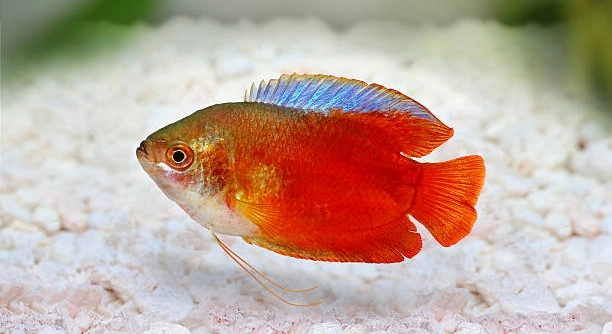
Have you ever noticed your gourami swimming close to the glass and suddenly darting away? These small, colorful fish are often active and curious, exploring every corner of their tank and reacting to changes in their surroundings.
Gouramis can indeed get startled by their reflection. The mirrored image may be perceived as another fish intruding on their territory, triggering a stress or defensive response. This reaction is natural and observed in many territorial fish species.
Understanding how reflections affect gouramis can help you create a calmer tank environment and prevent unnecessary stress in your fish.
Why Gouramis React to Their Reflection
Gouramis are naturally territorial fish. When they see their reflection in the glass, they may think another fish is invading their space. This can cause sudden movements, flaring of fins, and even attempts to chase the “intruder.” These reactions are more noticeable in smaller tanks where the reflection is clearer and constantly visible. Over time, repeated exposure to reflections can lead to stress, which may affect their appetite and overall health. The size of the tank, placement of decorations, and lighting all influence how often gouramis notice themselves. Some gouramis may ignore their reflection after a while, while others continue reacting vigorously. By understanding these behaviors, tank owners can make simple adjustments to reduce stress. Adding plants or background images can break up reflections, giving the fish a more secure environment. Observing your gourami’s reactions helps you determine if changes are necessary for its comfort and well-being in the aquarium.
Stress from reflections can make gouramis more defensive and less interactive.
Creating a calmer tank setup with fewer reflective surfaces allows your fish to feel safer, reducing unnecessary stress behaviors over time.
How to Minimize Reflection Stress
Reducing reflections in the tank is important for your gourami’s comfort.
Simple changes like adding a background, repositioning the tank away from direct light, and using floating plants can help reduce the visibility of reflections. By creating visual breaks, gouramis are less likely to perceive themselves as threats or competitors. Consistent feeding schedules and maintaining clean water also help minimize stress. Overly active lighting or shiny surfaces can provoke repeated reactions, so controlling these elements is essential. Observing your fish’s behavior daily allows you to notice patterns and adjust the tank environment accordingly. Small interventions can significantly improve the fish’s well-being. Keeping decorations varied and providing hiding spots ensures gouramis feel secure, while still allowing space for exploration and exercise. Adjusting these factors gradually ensures the fish adapt without sudden disturbances, promoting a healthier and calmer aquarium environment. These steps help gouramis live comfortably and reduce the impact of reflection-induced stress on their daily behavior.
Signs Your Gourami Is Startled
Sudden darting, flared fins, and repeated chasing of its own reflection are clear signs your gourami is startled. Stress behaviors may include hiding, reduced activity, or refusal to eat. These reactions indicate that the fish is reacting to perceived threats in its environment.
Observing your gourami closely helps you identify which triggers cause stress. Reflections are common triggers, especially in tanks with glass sides and bright lighting. Some gouramis react immediately, while others take time to notice their mirrored image. Changes in behavior, such as sudden aggression or unusual hiding, are signals that adjustments are needed. Providing visual barriers like plants or backgrounds can break up reflections. Monitoring feeding patterns, activity levels, and interactions with tankmates also gives clues about stress. Small, consistent changes often reduce startled responses over time, helping the fish regain a calmer routine in its tank environment.
Repeated exposure to reflections can lead to chronic stress if not addressed. Even minor reflections can provoke aggressive displays or constant vigilance. Over time, this stress can reduce immunity, slow growth, and affect social behavior with other fish. By observing patterns and making small environmental adjustments, you can prevent these issues. Rearranging decorations, adjusting lighting angles, and adding floating plants can significantly reduce stress levels. Each gourami may respond differently, so patience and observation are key. Gradual changes allow the fish to adapt naturally. Reducing constant reflections helps your gourami feel more secure and comfortable, supporting healthier activity, feeding habits, and interactions in the tank over the long term.
Environmental Adjustments to Reduce Stress
Adding plants, backgrounds, or decorations can break up reflections and give your gourami a sense of security.
Positioning the tank away from bright sunlight or reflective surfaces also helps. Using floating or tall plants can create shaded areas that reduce mirrored images. Rearranging tank decorations periodically prevents the fish from becoming fixated on a specific reflection. Even small additions, like rocks or driftwood, provide hiding spaces that lower stress levels. Visual complexity in the tank encourages natural exploration rather than defensive behavior. Combined with stable water conditions, these adjustments create a calmer environment. Over time, gouramis become less reactive to reflections. Observing how your fish interacts with these changes allows for fine-tuning. Each modification helps the fish feel more at ease, improving overall well-being and daily behavior. Creating a secure and visually diverse environment is essential for maintaining a peaceful tank.
Tank Setup Considerations
A smaller tank increases the chances your gourami will see its reflection frequently. Clear glass and bright lighting make reflections more noticeable, triggering stress or defensive behavior. Adjusting the environment can reduce these occurrences.
Using a solid background or repositioning the tank can limit reflections. Even subtle changes can help your gourami feel safer and reduce startled reactions over time.
Social Behavior and Reflection
Gouramis are territorial and may perceive their reflection as another fish encroaching on their space. This can lead to flaring, chasing, or hiding. Providing proper tank mates and visual barriers reduces conflict. Observing interactions helps determine if your gourami is comfortable or stressed by reflections.
Monitoring Stress Levels
Pay attention to changes in appetite, activity, and coloration. Stress from reflections can affect health. Regular observation ensures early detection of issues and allows timely adjustments to the tank environment.
FAQ
Can reflections really harm my gourami?
Reflections themselves are not directly harmful, but repeated stress from seeing a perceived intruder can affect your fish’s health. Stress can reduce appetite, weaken immunity, and make your gourami more prone to illness. Limiting constant reflections is important for maintaining a healthy environment.
Why does my gourami flare at its own image?
Gouramis are naturally territorial. When they see their reflection, they may think another fish is invading their space. Flaring is a defensive behavior meant to intimidate the perceived intruder and protect their territory. This is a normal response for many fish species.
Do all gouramis react the same way to reflections?
No, reactions vary by individual fish and tank conditions. Some gouramis may ignore reflections after a short period, while others continue to react aggressively. Tank size, lighting, and the presence of decorations can influence how often your fish notices its reflection.
Can I prevent my gourami from getting startled by reflections?
Yes. Adding plants, driftwood, or a background can break up reflections. Positioning the tank away from direct light or reflective surfaces also helps. Creating hiding spaces and a visually complex environment reduces stress and discourages constant reactions to mirrored images.
Is it normal for gouramis to hide after seeing a reflection?
Yes, hiding is a natural stress response. Your gourami may seek shelter to feel safe when it perceives a threat. Providing adequate hiding spaces ensures the fish can retreat without affecting its overall health or activity levels.
How long does it take for a gourami to get used to its reflection?
Adjustment times vary. Some fish may ignore reflections after a few days, while others may react intermittently for weeks. Gradually modifying the environment and reducing mirrored surfaces helps gouramis become more comfortable over time.
Can tankmates help reduce reflection stress?
Sometimes. Calm, non-aggressive tankmates can distract your gourami and reduce focus on reflections. Avoid overly territorial or similar-sized fish, as this can increase stress. Observing interactions allows you to see if tankmates provide comfort or create additional stress.
Should I use a mirror to train my gourami?
Using mirrors for training is not recommended. It can create unnecessary stress and trigger repeated defensive behaviors. Instead, focus on environmental adjustments to minimize reflections and allow your gourami to feel secure naturally.
Does tank size affect reflection reactions?
Yes, smaller tanks make reflections more frequent and noticeable. Larger tanks or visually complex setups help reduce constant encounters with mirrored images, allowing your gourami to feel safer and exhibit more natural behavior.
Can reflections cause long-term behavioral changes?
Chronic exposure to reflections can lead to prolonged stress, affecting feeding habits, aggression, and social interactions. Making adjustments to the tank environment and monitoring your fish’s behavior ensures it remains healthy and stress-free over the long term.
How do I know if my gourami is stressed by reflections?
Signs include flaring, chasing the reflection, hiding, reduced activity, or decreased appetite. Regular observation of behavior patterns helps identify stress early and guides adjustments to the tank setup.
Are some gourami species more sensitive to reflections?
Yes, dwarf gouramis tend to be more reactive to reflections compared to larger species. Individual temperament and territorial instincts also play a role. Adjustments should consider both species and personality to reduce stress effectively.
Can lighting affect reflection reactions?
Bright lighting or direct sunlight increases reflection visibility, often triggering stress. Adjusting light intensity, using diffuse lighting, or placing the tank in a shaded area reduces these visual triggers and promotes calmer behavior.
What are simple ways to break up reflections?
Adding backgrounds, tall plants, driftwood, or other decorations helps create visual breaks. Floating plants also reduce surface reflections. Even small changes can significantly decrease stress and make the tank feel more secure for your gourami.
How often should I monitor my gourami for reflection stress?
Daily observation is ideal. Noticing subtle changes in movement, hiding, or feeding behavior allows timely adjustments. Consistent monitoring ensures your gourami remains comfortable and helps prevent chronic stress.
Can stress from reflections impact growth?
Yes, prolonged stress can slow growth and affect overall health. Ensuring a calm environment with minimal reflective triggers supports natural development and a healthier, more active fish.
Is it okay for gouramis to see themselves occasionally?
Occasional exposure is generally fine. Problems arise when reflections are constant and unavoidable. Balancing exposure with environmental adjustments prevents repeated stress and allows your fish to explore safely.
Can rearranging the tank help with reflection stress?
Yes, rearranging plants and decorations periodically breaks up familiar reflections and keeps your gourami engaged. This reduces the chance of fixation on mirrored images and encourages natural exploration without stress.
Do gouramis recognize themselves in reflections?
No, they do not have self-recognition like mammals. They interpret reflections as other fish, which is why defensive and startled behaviors occur. Understanding this helps explain why even a single mirrored surface can provoke reactions.
How long does it take to see improvements after changes?
Improvements vary by individual fish and adjustments made. Some gouramis may respond within days, while others may take weeks. Patience and consistent monitoring ensure that changes effectively reduce reflection-related stress and promote healthier behavior.
Gouramis are small, colorful fish that bring life to a tank, but they can be sensitive to their environment. Reflections on tank glass are one factor that may startle them and trigger defensive behavior. When a gourami sees its mirrored image, it often perceives another fish invading its territory. This can cause flaring, darting, or hiding, which are natural responses but can become stressful if repeated too often. Stress in fish is not always obvious at first, but it can affect appetite, activity levels, and overall health. By paying attention to your gourami’s reactions, you can better understand what causes stress and make the tank environment more comfortable. Recognizing these behaviors early is important because prolonged stress can lead to weakened immunity and slower growth.
Adjusting the tank setup is one of the simplest ways to reduce reflection-related stress. Adding plants, driftwood, or a background can break up mirrored surfaces and provide visual barriers for your gourami. Floating plants or taller decorations can create shaded areas that reduce the visibility of reflections. Even repositioning the tank away from bright lights or windows can help. Each of these adjustments gives your fish a sense of security and reduces the need for constant defensive behavior. Over time, gouramis may learn to ignore their reflection if the environment is supportive. Observing how your fish interacts with these changes allows you to make further adjustments if needed. Tank size also plays a role; smaller tanks make reflections more noticeable, while larger, visually complex tanks help gouramis feel more at ease. Creating a space where your fish can explore safely without repeated visual triggers promotes calmer behavior and overall well-being.
Monitoring your gourami’s behavior on a daily basis is essential for keeping it healthy. Watching for signs such as flaring, chasing reflections, hiding, or changes in appetite provides clues about stress levels. If repeated reactions to reflections are observed, adjustments to the tank environment should be made gradually. Providing hiding spots, rearranging decorations, and controlling lighting are effective ways to reduce stress. Every gourami is unique, so it is important to be patient and notice which changes make the fish more comfortable. By maintaining a secure, visually interesting environment and responding to behavioral cues, you can help your gourami feel safe and healthy. These small steps ensure your fish can thrive in a tank where stress from reflections is minimized, allowing it to live a calmer, more natural life.

Hello,
If you enjoy the content that we create, please consider saying a "Thank You!" by leaving a tip.
Every little bit helps us continue crafting quality advice that supports the health, happiness, and well-being of pets around the world, for pets of all shapes, sizes, and species.
We really appreciate the kindness and support that you show us!