
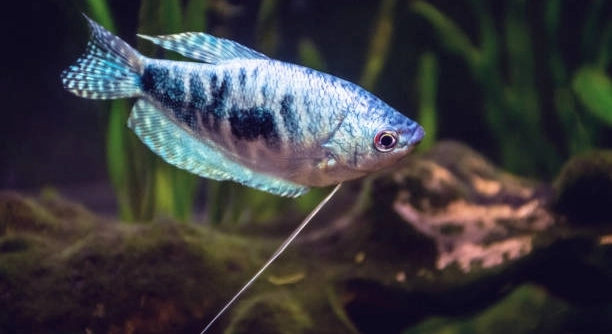
Do you ever notice your gouramis acting differently as the day goes on, sometimes seeming more irritable or withdrawn during the afternoon hours? Observing these subtle mood changes can make caring for them more interesting.
Gouramis can display cranky behavior in the afternoon due to natural fluctuations in activity levels and environmental factors such as lighting, temperature, and tank dynamics. Afternoon irritability is a common, temporary behavioral pattern rather than a sign of illness.
Understanding these patterns can help you create a calmer environment for your fish and anticipate their needs more effectively.
Afternoon Activity Shifts
Gouramis often change their activity levels as the day progresses. In the morning, they may swim energetically and explore their tank, but by afternoon, their movements can slow, and they may hide more often. This shift is influenced by natural circadian rhythms, which affect their metabolism, energy, and mood. Light intensity plays a key role, as brighter afternoon lighting can make them feel more exposed and cautious. Temperature changes in the water can also impact their activity. Warmer afternoons may make them sluggish, while cooler water can energize them slightly. Observing these patterns helps in understanding what is normal and when something might be off. Tank decorations and hiding spots allow gouramis to feel secure when they need a break. Feeding schedules also affect their mood. If they are not hungry or have just eaten, they may seem crankier or less active, reflecting normal daily behavioral cycles in a home aquarium setting.
Gouramis respond quickly to subtle changes in light and temperature, affecting their afternoon mood noticeably.
By noting these patterns over time, you can better predict their behavior. Adjusting lighting and providing shaded areas or floating plants can make afternoons calmer. Monitoring water temperature and maintaining consistency in feeding times ensures they remain comfortable. Some gouramis may show territorial behavior during less active periods, especially if space is limited. Keeping a peaceful tank environment helps reduce unnecessary stress.
Tank Environment and Comfort
Tank conditions strongly influence afternoon crankiness in gouramis.
Water quality, space, and hiding spots all play significant roles in their mood. Poor conditions or overcrowding increase stress levels, leading to irritability. Proper care keeps them calmer.
Maintaining stable water temperature and pH levels is essential. Gouramis prefer slightly warm, clean water, and fluctuations can make them restless or withdrawn. Adding plants, caves, or floating decorations gives them areas to retreat and feel secure. These spaces reduce stress and help them regulate social interactions, preventing conflicts among tank mates. Regular maintenance, such as removing uneaten food and monitoring chemical levels, directly impacts their comfort. Even subtle disturbances, like sudden noises or strong lighting changes, can trigger cranky behavior. Observing your gouramis closely helps identify environmental stressors and address them promptly. By creating a stable and enriched environment, their natural activity patterns become easier to anticipate, and afternoon irritability diminishes. A well-maintained tank supports not just physical health but also emotional balance, making daily interactions smoother and more predictable.
Diet and Feeding Patterns
Gouramis often become cranky in the afternoon if their feeding schedule is inconsistent. Skipped meals or sudden changes in diet can make them irritable and less active.
Regular feeding helps maintain stable energy levels throughout the day. Providing small, frequent meals that match their natural preferences keeps them calmer and more predictable. Gouramis respond well to a balanced diet of high-quality flakes, pellets, and occasional live or frozen food. Overfeeding, however, can lead to water quality issues, which also affect mood. Watching how they react after meals helps identify whether crankiness is hunger-related or linked to other factors like environmental stress.
Some gouramis may compete for food, especially in shared tanks, increasing tension. Spacing feeding times and ensuring each fish has access reduces aggression. Rotating food types also provides enrichment, keeping them mentally stimulated and less prone to irritability. Observing their reactions helps tailor feeding habits to maintain a balanced, calmer tank environment.
Social Interactions
Gouramis’ mood is strongly influenced by their tank mates. Conflicts or competition can trigger crankiness, especially during less active periods.
Some species are territorial, and conflicts increase when space is limited. Introducing new fish requires careful planning to minimize stress. Even non-aggressive tank mates can cause tension if hiding spots are insufficient. Observing interactions helps determine whether crankiness is social or environmental.
Creating a balanced community reduces conflicts. Gouramis benefit from clear territories, adequate space, and sufficient hiding places. Floating plants or caves give them personal zones to retreat and avoid confrontation. Monitoring how each fish behaves during different times of day helps predict stress triggers. Adjusting the tank layout or separating particularly aggressive individuals can prevent recurring irritability. Over time, this allows gouramis to establish stable social hierarchies while minimizing afternoon crankiness. Consistent observation ensures early intervention if tensions rise.
Light and Temperature Effects
Afternoon crankiness in gouramis is often linked to changes in light and water temperature. Bright overhead lighting or sudden shadows can make them feel exposed and uneasy.
Water that warms too much during the day can also reduce activity and increase irritability. Maintaining consistent conditions helps keep them calm.
Recognizing Stress Signals
Gouramis display subtle signs when stressed, including clamped fins, reduced movement, and hiding. Watching for these behaviors allows timely adjustments in tank care. Providing shade, adjusting lighting, or slightly lowering water temperature can quickly improve their mood and comfort.
Interaction With Humans
Frequent tapping on the tank or sudden movements nearby can make gouramis more irritable. Even gentle attention may startle them if they feel threatened. Observing their reactions helps establish a calm, predictable environment for smoother interactions.
FAQ
Why do gouramis get cranky in the afternoon?
Gouramis often become cranky in the afternoon due to natural activity cycles, changes in light, and minor fluctuations in water temperature. Their metabolism slows slightly during this period, which can make them less active and more withdrawn. Environmental stress, such as strong lighting or tank disturbances, can also contribute to irritability.
Is afternoon crankiness a sign of illness?
Not usually. Afternoon irritability is typically a normal behavioral pattern rather than a symptom of illness. However, if crankiness is accompanied by other signs like loss of appetite, rapid breathing, or unusual swimming patterns, it could indicate a health issue. Monitoring their overall behavior and water conditions is essential.
How can I reduce my gourami’s crankiness?
Providing hiding spots, maintaining stable water temperature, and adjusting light intensity can help. Keeping a consistent feeding schedule and ensuring a balanced diet also supports calm behavior. Minimizing sudden disturbances or tank overcrowding reduces stress, allowing gouramis to remain more relaxed throughout the day.
Do all gourami species get cranky in the afternoon?
While most gouramis experience changes in activity during the day, the level of irritability varies by species. Some are naturally more territorial or sensitive to environmental changes, making them more prone to afternoon crankiness. Observing individual behavior helps identify patterns specific to each fish.
Can tank mates affect afternoon crankiness?
Yes. Gouramis are sensitive to social interactions. Territorial disputes or competition for food can increase irritability. Adequate space, well-placed hiding areas, and carefully chosen tank mates reduce stress and create a calmer environment, especially during slower activity periods in the afternoon.
Does feeding influence their mood?
Feeding plays a significant role. Irregular schedules or overfeeding can make gouramis restless or cranky. Offering small, balanced meals at consistent times supports stable energy levels. Including a variety of foods like pellets, flakes, and occasional live or frozen treats also keeps them engaged and reduces irritability.
How can I tell if crankiness is stress-related?
Stress signs include hiding frequently, clamped fins, sluggish swimming, or aggression toward tank mates. Sudden changes in light, temperature, or water quality often trigger these behaviors. Identifying and correcting these factors, like adjusting temperature or adding plants, helps alleviate stress.
Will gouramis calm down naturally in the afternoon?
Yes. In many cases, crankiness is temporary. Providing a calm, stable environment allows gouramis to self-regulate and return to normal behavior. Observing their natural rhythms helps predict when they need quiet time or shelter during the day.
Does tank size impact afternoon mood?
Smaller or overcrowded tanks can increase irritability. Limited space intensifies territorial disputes and stress. Ensuring enough room and providing visual barriers reduces tension. A spacious, well-structured tank helps gouramis feel secure, making afternoon crankiness less pronounced and interactions smoother.
Are there environmental adjustments that help consistently?
Yes. Consistent water temperature, stable pH levels, sufficient hiding spots, and gentle lighting all contribute to calmer behavior. Regular monitoring and maintenance prevent sudden changes that trigger irritability. Small improvements often lead to noticeable differences in their afternoon mood, keeping the tank environment peaceful.
Can handling or human presence make them cranky?
Frequent tapping, sudden movements, or approaching the tank too quickly can stress gouramis. Even gentle interaction may startle them if they feel threatened. Allowing them to acclimate to your presence slowly and observing their comfort zones reduces unnecessary crankiness during active hours.
How do lighting patterns affect their afternoon behavior?
Bright or inconsistent lighting can make gouramis feel exposed, increasing irritability. Providing gradual light transitions or shaded areas allows them to adjust comfortably. Mimicking natural light patterns helps stabilize activity levels and reduces tension during mid-day periods.
Can diet supplements improve mood?
Offering a varied diet with occasional live or frozen food encourages natural foraging and provides enrichment. Vitamins and quality feed support overall health, which indirectly reduces stress. Consistency in diet and portion sizes helps maintain stable energy and calmer behavior throughout the day.
Are younger gouramis more prone to crankiness?
Juvenile gouramis are often more active and curious, which can make them appear cranky if their needs are unmet. Adequate space, frequent but small feedings, and gentle social exposure help young gouramis adjust to the tank environment and minimize stress-related irritability.
What role do plants and decorations play?
Plants and decorations offer hiding spots and visual barriers, reducing conflict and stress. Floating plants can create shaded areas, making afternoons more comfortable. Structured environments allow gouramis to feel secure and maintain predictable activity patterns, directly affecting their mood and social behavior.
How long does afternoon crankiness usually last?
Typically, it lasts a few hours, often coinciding with the warmest or brightest part of the day. Observing their behavior over several days helps identify natural patterns and ensures that any extended irritability is not a sign of environmental or health issues.
Can seasonal changes affect their behavior?
Yes. Changes in ambient room temperature, sunlight exposure, or seasonal water fluctuations can influence mood. Monitoring and adjusting tank conditions accordingly ensures gouramis remain comfortable and reduces the likelihood of prolonged crankiness during certain times of the year.
Is it normal for some gouramis to be consistently cranky?
Individual temperament varies. Some gouramis are naturally more sensitive or territorial, making them more prone to irritability. Recognizing personality traits allows better management of social interactions, feeding schedules, and tank layout to accommodate their natural behavior.
What should I do if my gourami is unusually irritable?
Check water quality, temperature, and tank mates first. Ensure proper feeding and hiding spaces. If irritability persists alongside other symptoms, consult a professional to rule out illness. Early intervention maintains both health and a peaceful tank environment.
Do light and feeding schedules need to be adjusted together?
Yes. Coordinating lighting with feeding routines supports stable energy levels and predictable behavior. Gradual light changes before meals can encourage activity, while consistent feeding times reduce stress, keeping gouramis calmer and less prone to afternoon crankiness.
How does tank layout influence social stress?
Open spaces can lead to territorial disputes, while well-placed plants and decorations create boundaries. Structured layouts reduce confrontations, allow safe retreat, and help maintain a calmer, more balanced environment for all gouramis. Proper tank design directly impacts afternoon behavior and overall well-being.
Can stress from previous disturbances affect future afternoons?
Yes. Gouramis remember stressful events, such as sudden loud noises or aggressive tank mates. Past experiences can make them more cautious or irritable in subsequent afternoons. Consistent care, minimal disturbances, and stable environmental conditions help them recover and maintain a calmer routine.
Are there behavioral signs that indicate happiness in the afternoon?
Relaxed swimming, smooth fin movement, and active exploration of the tank indicate contentment. Gouramis that interact gently with tank mates and respond calmly to human presence show balanced moods. Observing positive behaviors helps distinguish natural crankiness from stress-related irritability.
Does water flow affect mood?
Strong currents can tire gouramis and increase stress, especially in smaller tanks. Gentle, moderate water flow is preferable. Adjusting filtration and current direction creates a more comfortable environment, supporting calmer afternoon behavior and overall well-being.
Can supplementary lighting mimic natural cycles?
Yes. Timers and adjustable lights can simulate sunrise and sunset patterns. Gradual changes reduce stress from sudden brightness shifts, helping gouramis maintain consistent activity and mood throughout the day. This approach supports natural circadian rhythms and lowers afternoon crankiness.
Does tank cleanliness influence afternoon crankiness?
Dirty tanks with high waste levels increase stress and irritability. Regular cleaning, water changes, and monitoring chemical levels ensure a stable environment, reducing crankiness and supporting healthier, calmer behavior in gouramis during the afternoon hours.
Are there specific plants that help reduce stress?
Floating plants and dense foliage provide shade and hiding spots, making gouramis feel secure. Plants like java fern, floating moss, or water lettuce create natural barriers, allowing retreat and reducing irritability caused by environmental exposure or social tension.
How do seasonal daylight changes affect their mood?
Longer or shorter daylight hours alter activity patterns. Gradually adjusting artificial lighting to match seasonal shifts helps maintain predictable behavior and prevents excessive crankiness during unusual light conditions, keeping their environment stable year-round.
Can interaction with humans be positive?
Yes. Gentle, slow movements near the tank help gouramis feel secure over time. Consistent, calm presence builds trust and reduces stress-induced crankiness, making afternoons less tense and interactions more enjoyable.
What role does tank size play in long-term behavior?
Larger tanks reduce territorial conflicts and allow more personal space. Adequate space and proper decoration placement help maintain natural behavior patterns, decreasing stress and minimizing repeated episodes of afternoon irritability in gouramis.
Does water chemistry impact mood?
Stable pH, hardness, and temperature are critical. Fluctuations can cause discomfort, leading to irritability. Testing and adjusting water chemistry regularly ensures a comfortable environment, promoting consistent, calm behavior throughout the day.
Are there long-term strategies to prevent crankiness?
Yes. Maintaining stable water conditions, a consistent feeding schedule, balanced social groupings, and a structured tank layout all contribute. Regular observation and minor adjustments help predict and prevent irritability, ensuring that gouramis remain healthy, calm, and more predictable during afternoons.
Can seasonal feeding adjustments help?
Slight changes in feeding frequency or type of food can match natural activity cycles. Offering more protein or varied food during warmer months and adjusting portions during cooler periods helps maintain energy balance and reduces afternoon crankiness effectively.
Does age affect crankiness?
Older gouramis may slow down and appear crankier due to natural metabolism changes. Younger gouramis may be more active but sensitive to environmental changes. Recognizing age-related behavior helps tailor care to keep them comfortable and calm during afternoon hours.
Can enrichment reduce irritability?
Yes. Adding plants, floating objects, or occasional food challenges encourages natural behaviors and mental stimulation. Enrichment reduces boredom, lessens stress, and helps maintain calmer moods during the afternoon, especially in tanks with fewer companions.
Are there warning signs of serious stress?
Persistent hiding, rapid gill movement, loss of appetite, or aggressive behavior indicate significant stress. Immediate evaluation of water quality, tank mates, and feeding is necessary. Addressing these factors quickly prevents prolonged crankiness and protects overall health.
Does routine maintenance affect behavior?
Regular water changes, filter cleaning, and monitoring ensure a stable, clean environment. Predictable maintenance routines help gouramis adjust without stress, reducing irritability and promoting consistent activity patterns in the afternoon.
Can you predict when crankiness will occur?
Yes. Observing patterns in light, feeding, and social interactions allows anticipation of afternoon irritability. Predictable routines and environmental consistency help minimize stress and ensure smoother, calmer behavior throughout the day.
Is it normal for some days to be worse than others?
Yes. Variations in temperature, lighting, or minor disturbances can make certain afternoons more challenging. Recognizing natural fluctuations and adjusting the environment accordingly helps maintain overall well-being and reduces extreme crankiness.
Does tank cover or lid lighting matter?
Yes. Overhead lighting or reflections from the tank lid can increase exposure and stress. Diffused or shaded lighting helps gouramis feel safe, calming afternoon moods and supporting consistent behavior.
Can slow introduction of new tank mates help?
Absolutely. Gradual introduction reduces conflict and stress. Quarantine or separate acclimation areas allow gouramis to adjust without immediate confrontation, preventing spikes in crankiness caused by sudden social changes.
How long does it take for adjustments to show results?
Behavioral improvements usually appear within a few days to a week after consistent environmental adjustments. Monitoring changes ensures that interventions are effective and helps maintain calmer afternoons.
Do gouramis remember negative experiences?
Yes. Stressful events, like aggressive tank mates or sudden disturbances, can affect future behavior. Consistent, gentle care helps them recover and reduces recurring irritability during afternoons.
Is it necessary to track behavior daily?
Daily observation helps identify subtle changes in mood and activity. Tracking patterns allows timely interventions and prevents minor stressors from escalating into chronic crankiness.
Can water flow direction be adjusted to improve comfort?
Yes. Redirecting currents or adjusting filter output reduces strong flows that tire gouramis. Gentle circulation supports a calmer environment, lowering afternoon irritability and promoting natural swimming behavior.
Are there signs of contentment to watch for?
Relaxed swimming, exploring plants, and peaceful interactions indicate happiness. Positive behaviors contrast with crankiness and show that environmental and social conditions are appropriate.
Does tank lighting duration matter?
Yes. Consistent light cycles help regulate activity and mood. Gradual transitions at morning and evening maintain natural rhythms, reducing afternoon crankiness and supporting stable daily behavior.
Are there quick fixes for temporary irritability?
Providing immediate shelter, adjusting lighting, or reducing disturbances can quickly calm gouramis. Short-term fixes help manage occasional crankiness while long-term adjustments prevent recurrence.
Can multiple stress factors combine?
Yes. Light, temperature, diet, social stress, and water quality can interact, intensifying irritability. Addressing all factors holistically ensures calmer afternoons and better overall health.
Does personality influence behavior?
Individual temperament affects sensitivity to environmental changes. Some gouramis are naturally more cautious or territorial, requiring tailored care to prevent frequent crankiness and maintain a stable tank dynamic.
Can seasonal plant growth impact stress?
Yes. Overgrown plants can alter hiding spaces or water flow. Regular trimming and proper placement ensure sufficient cover and reduce afternoon irritability, supporting calmer behavior patterns.
Is it normal for one fish to be crankier than others?
Yes. Individual differences in temperament, size, or health can make one gourami more irritable. Providing personal space, monitoring interactions, and observing feeding behavior helps manage these differences effectively.
Does tank location affect mood?
Placement near high-traffic areas, windows, or strong lights can increase stress. Positioning the tank in a quieter, stable environment reduces disturbances and afternoon crankiness, allowing gouramis to feel secure.
How can I tell if environmental changes are effective?
Observe behavior over several days. Reduced hiding, smoother swimming, and calmer interactions indicate successful adjustments. Consistent monitoring ensures ongoing comfort and minimizes afternoon irritability.
Are there long-term signs of chronic stress?
Persistent aggression, constant hiding, poor appetite, or faded colors suggest prolonged stress. Long-term management of environment, diet, and social dynamics is critical to prevent ongoing crankiness and maintain overall health.
Can seasonal temperature shifts be managed indoors?
Yes. Heaters, coolers, or thermostats stabilize water temperature. Maintaining consistent conditions reduces irritability caused by natural room temperature fluctuations during different seasons.
Does enrichment help with consistent mood?
Providing plants, floating objects, and occasional interactive feeding reduces boredom and supports natural behaviors. Enrichment helps maintain stable, calmer behavior and minimizes afternoon crankiness in gouramis.
How important is observation for prevention?
Regular observation is key. Noticing early signs of stress, changes in behavior, or environmental shifts allows timely intervention. Proactive care prevents minor issues from escalating into consistent crankiness.
Can behavioral patterns change over time?
Yes. As gouramis age or their environment changes, activity and mood patterns may shift. Adjusting care routines ensures that afternoons remain predictable and stress-free.
Is it normal for crankiness to vary day by day?
Yes. Natural fluctuations in activity, environment, and social interactions cause some afternoons to be calmer or more irritable than others. Recognizing these variations helps maintain balanced care.
Can tank décor adjustments help immediately?
Yes. Adding or repositioning plants, rocks, or shelters provides instant refuge and reduces visible stress. Strategic placement helps calm gouramis quickly during irritable afternoon periods.
Does gradual environmental change matter?
Yes. Sudden alterations can trigger stress and crankiness. Slowly introducing changes, like adjusting light, temperature, or tank mates, allows gouramis to acclimate and maintain calmer behavior.
Can seasonal feeding changes reduce stress?
Matching feeding patterns to activity levels during different seasons supports energy balance. Adjusting portions, frequency, or food type reduces afternoon irritability and promotes healthier behavior.
How does social hierarchy affect mood?
Dominant or territorial gouramis can cause stress for others. Recognizing social structures, providing hiding spots, and managing aggressive behavior ensures calmer, more predictable afternoons.
Does tank water depth influence comfort?
Shallow tanks can limit swimming space and increase exposure, leading to stress. Adequate depth supports natural movement, reduces irritability, and allows calmer afternoon behavior.
Can multiple small adjustments be better than one major change?
Yes. Gradual, consistent improvements in light, temperature, diet, and tank layout are more effective than sudden large changes, ensuring stable behavior and reducing afternoon crankiness.
Do gouramis benefit from seasonal environmental simulations?
Mimicking natural seasonal changes in light, temperature, and feeding supports circadian rhythms and reduces stress. Thoughtful simulations keep gouramis comfortable and minimize afternoon irritability throughout the year.
Is it normal for behavior to fluctuate even in stable conditions?
Yes. Minor variations in mood and activity are natural. Consistent care and observation help distinguish normal fluctuations from stress-related irritability, maintaining a balanced, calm environment.
Can stress be completely eliminated?
No, but it can be minimized. Providing stable conditions, appropriate tank mates, enrichment, and careful observation significantly reduces crankiness, creating a calmer and healthier environment for gouramis throughout the afternoon.
Are there indicators that interventions are working?
Yes. Reduced hiding, smoother swimming, calmer interactions, and increased exploration indicate success. Tracking these behaviors confirms that environmental and social adjustments effectively minimize afternoon crankiness.
Do gouramis adapt to repeated disturbances?
To a degree. Gradual exposure helps them acclimate, but sudden or repeated stressors can prolong irritability. Maintaining predictable routines ensures better adaptation and calmer behavior.
How much space should be given per gourami?
Adequate space depends on species and size. Larger tanks with clear territories reduce conflicts and stress. Providing enough personal space is key to minimizing crankiness and supporting natural behavior patterns.
Can mood be influenced by water flow patterns?
Yes. Strong currents increase stress, while gentle, consistent flow supports natural swimming and calmer behavior. Adjusting filtration and current direction is a practical way to reduce afternoon irritability.
Does regular observation prevent long-term issues?
Absolutely. Monitoring behavior allows early detection of stress, environmental problems, or health issues. Timely adjustments prevent persistent crankiness and support overall well-being.
Are some gouramis naturally more irritable than others?
Yes. Personality, temperament, and individual sensitivity affect mood. Recognizing these traits helps tailor care, tank setup, and feeding schedules, ensuring smoother afternoons for all fish.
Can environmental enrichment replace social interaction?
It helps but does not fully replace social needs. Proper tank mate selection and enrichment together support mental stimulation, reducing stress and afternoon crankiness effectively.
**Do light color
Gouramis are sensitive creatures, and their behavior can change throughout the day. Afternoon crankiness is a natural pattern for many of these fish, influenced by environmental conditions, social dynamics, and their internal rhythms. Light, temperature, and water quality all play a role in how active or irritable they become during the day. By observing these patterns carefully, you can better understand when their mood shifts are normal and when they might indicate a problem. Providing a stable and predictable environment helps your gouramis feel secure, which reduces stress and makes their behavior more manageable. Simple adjustments, like adding hiding spots or adjusting lighting, can make a noticeable difference in their comfort level and overall activity.
Feeding routines are another important factor in maintaining calm behavior. Gouramis respond well to consistent meal times and a balanced diet. Irregular feeding or overfeeding can lead to temporary irritability, while careful attention to portion sizes and food type supports stable energy levels. Including a variety of foods, such as flakes, pellets, and occasional live or frozen treats, encourages natural foraging behavior, providing both nutrition and enrichment. Observing how your gouramis behave before and after meals can give insight into whether crankiness is hunger-related or caused by another factor, like environmental stress or interactions with tank mates. Small adjustments to feeding schedules or the way food is distributed in the tank can help reduce afternoon tension and promote more predictable activity patterns.
Social interactions within the tank also affect their mood. Gouramis can be territorial, and conflicts over space or resources may make them appear cranky. Providing enough room, visual barriers, and hiding places allows them to establish personal space and reduces tension. Careful selection of tank mates and observing how each fish responds to others helps maintain a peaceful environment. Even minor changes, like moving decorations or adding a floating plant, can improve interactions and reduce irritability. By paying attention to their needs and environment, you can create a balanced setting where gouramis feel comfortable, active, and content throughout the day. Understanding these aspects of their behavior allows you to respond effectively to changes in mood, ensuring that your fish remain healthy and calm.

Hello,
If you enjoy the content that we create, please consider saying a "Thank You!" by leaving a tip.
Every little bit helps us continue crafting quality advice that supports the health, happiness, and well-being of pets around the world, for pets of all shapes, sizes, and species.
We really appreciate the kindness and support that you show us!