
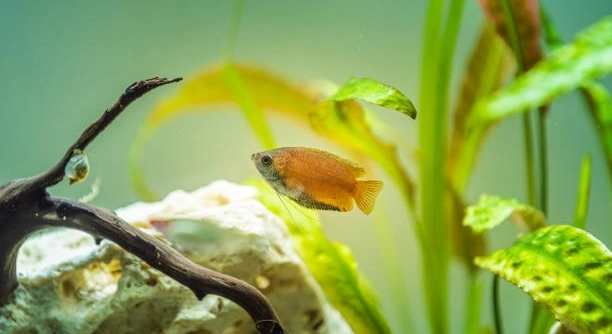
Gouramis are gentle and colorful fish that many hobbyists enjoy keeping at home. They can be active and social, but their behavior changes when the tank becomes crowded or when they feel stressed by other fish.
Gouramis can feel safe in a crowded tank if there are enough hiding spots and visual barriers. Providing plants, decorations, and proper tank structure helps reduce stress and allows fish to establish personal space and territorial boundaries.
Creating a comfortable environment with thoughtful arrangement and adequate space can make a significant difference in your gouramis’ well-being and interactions.
How Tank Size Impacts Gourami Comfort
A tank’s size directly affects how comfortable gouramis feel. Smaller tanks can make fish feel confined and stressed, especially when multiple species are present. Even if the water is clean, limited space increases competition for resources like food and hiding spots. Larger tanks allow gouramis to swim freely and establish territories, which reduces aggressive behavior and promotes natural interactions. Plants and decorations can create visual barriers, helping timid gouramis feel secure while still being able to observe other fish. It’s important to match tank size with the number of fish you keep, as overcrowding often leads to stress-related illnesses. Monitoring fish behavior, such as frequent hiding or sudden aggression, can indicate whether the tank is too small. Proper tank planning, including careful placement of shelters, can help maintain a peaceful environment and support healthy social dynamics among your gouramis.
Proper tank size is essential for reducing stress and supporting healthy fish behavior.
When gouramis have ample space, they are more active and confident. They interact naturally, explore their surroundings, and are less likely to show signs of illness caused by stress. Even small adjustments, like adding floating plants or rearranging decorations, can make a noticeable difference in comfort and security.
The Role of Hiding Spots and Decorations
Hiding spots are key to gouramis feeling safe.
Plants, caves, and driftwood allow gouramis to escape when stressed or when they want privacy, helping prevent conflicts and reducing tension in crowded tanks.
Providing multiple hiding options benefits both shy and dominant fish. Gouramis are territorial by nature, and visual barriers allow them to claim personal space without constant confrontation. Dense plant coverage can also mimic natural habitats, reducing stress and supporting natural behaviors like exploring and foraging. Decorations should be arranged to create separate zones where fish can retreat and rest. Floating plants offer cover near the surface, while rooted plants give protection in lower areas. Even subtle changes, like adding a new plant or moving a decoration, can refresh the environment and reduce boredom. A well-structured tank not only supports mental health but also encourages natural interactions, making it easier to observe your gouramis’ personalities and behaviors without interference from overcrowding. Proper hiding spots are simple yet highly effective in maintaining a harmonious aquarium.
Recognizing Stress in Gouramis
Stress in gouramis can show through unusual behavior. Frequent hiding, loss of appetite, or sudden aggression are common signs. Color fading and rapid gill movement also indicate discomfort. Monitoring these behaviors helps identify overcrowding or environmental issues before they worsen.
Consistent observation is key to maintaining a healthy tank. Stress weakens the immune system, making gouramis more vulnerable to diseases like fin rot or ich. Even minor overcrowding can trigger tension among fish, causing chasing or nipping. Adjusting tank size, rearranging decorations, or adding plants can help reduce stress. Providing a calm environment and stable water conditions improves fish behavior and overall health, ensuring gouramis feel more secure and active.
Behavioral changes are sometimes subtle but should not be ignored. Timid fish may stay hidden for long periods, while more dominant gouramis might chase tank mates excessively. Even when water parameters are correct, stress can persist due to poor space management or lack of hiding spots. Paying attention to these cues allows timely intervention and creates a balanced, peaceful aquarium. Observing how gouramis interact in different areas of the tank gives insights into their comfort levels and helps prevent conflict.
Feeding Practices and Safety
Overfeeding can worsen stress in crowded tanks. Excess food pollutes water and increases competition, making gouramis anxious.
Feeding small amounts multiple times a day works better than one large meal. Gouramis are slower eaters, so quick-feeding species can dominate food, leaving timid fish hungry. Using floating pellets or spreading food across the tank helps ensure all fish have access. Removing uneaten food promptly prevents water quality issues that can stress fish further. A varied diet with flakes, pellets, and occasional live or frozen foods keeps gouramis healthy and satisfied. Maintaining a clean feeding routine reduces aggression and supports a calmer tank environment, allowing gouramis to feel safe even with multiple companions.
Water Quality and Safety
Poor water quality increases stress in gouramis. High ammonia, nitrite, or nitrate levels can make fish sick and more anxious, even in crowded tanks. Regular testing and partial water changes are essential to maintain a stable and healthy environment.
Stable temperature and pH are also crucial. Sudden changes can shock gouramis, leading to hiding or aggressive behavior. Maintaining consistent conditions helps them feel secure and reduces health risks, especially in densely populated aquariums. Proper filtration and aeration support clean water, allowing gouramis to thrive without constant stress.
Social Dynamics in Crowded Tanks
Gouramis establish territories and hierarchies, even in shared spaces. Dominant fish may chase others, while shy ones retreat, which can cause stress if hiding spots are limited. Observing interactions and arranging the tank to create separate zones helps reduce conflicts and promotes balance among fish.
Choosing Compatible Tank Mates
Not all fish get along with gouramis. Aggressive or very active species can intimidate them, increasing stress. Choosing calm and similarly sized companions helps maintain peace. Proper research before adding new fish ensures a safer and more harmonious tank for all inhabitants.
Monitoring Behavior
Regularly watching gouramis is key to noticing stress early. Changes in activity, appetite, or coloration often signal discomfort. Immediate adjustments to the environment can prevent prolonged anxiety and health problems, helping gouramis remain comfortable in crowded tanks.
FAQ
Can gouramis live with many fish in the same tank?
Gouramis can live with multiple fish if the tank is large enough and there are plenty of hiding spots. Overcrowding causes stress, aggressive behavior, and health issues. A well-planned tank with plants and decorations allows gouramis to claim territories and reduces tension. Choosing compatible species also helps maintain peace.
How do I know if my gouramis are stressed?
Signs of stress include hiding for long periods, sudden aggression, loss of appetite, faded colors, and rapid gill movement. Timid fish may avoid swimming in open areas, while dominant gouramis chase others constantly. Monitoring these behaviors helps identify overcrowding or water quality problems before they become severe.
What tank size is best for gouramis?
Tank size depends on the number of fish. A pair of gouramis should have at least 20 gallons, while a small group may need 40 gallons or more. Larger tanks allow natural swimming and territorial behavior, reducing stress. Overcrowding, even with clean water, often leads to tension and illness.
Do hiding spots really help gouramis feel safe?
Yes, hiding spots are crucial. Plants, caves, and driftwood give gouramis places to retreat, rest, and feel secure. Visual barriers reduce conflicts between dominant and shy fish. Even floating plants or dense root plants create zones that allow natural exploration without constant stress.
How often should I feed my gouramis in a crowded tank?
It’s better to feed small amounts multiple times a day rather than one large meal. Gouramis are slow eaters, and quick-feeding species can dominate the food. Spreading food across the tank and removing leftovers prevents competition and water pollution, keeping the environment calm and healthy.
Can poor water quality affect their sense of safety?
Absolutely. High levels of ammonia, nitrites, or nitrates can make gouramis sick and stressed. Sudden temperature or pH changes can also trigger anxiety. Regular water testing, partial water changes, and proper filtration maintain a safe and comfortable environment, especially in crowded tanks.
What are good tank mates for gouramis?
Choose calm, similarly sized species. Aggressive or very active fish intimidate gouramis, causing stress. Peaceful tetras, rasboras, or small catfish often work well. Avoid fin-nippers or overly competitive fish to keep harmony. Observing behavior after introducing new fish helps adjust the tank setup if needed.
How can I reduce aggression in a crowded tank?
Adding hiding spots, rearranging decorations, and providing enough swimming space reduces conflicts. Monitoring dominant gouramis and separating aggressive fish if necessary helps maintain balance. Visual barriers let shy fish establish territories without constant threats, promoting calmer social interactions.
Do gouramis need plants to feel safe?
Plants are very helpful. They create natural hiding areas, cover, and territories. Floating and rooted plants also mimic natural habitats, reducing stress and encouraging exploration. Even a few well-placed plants can make a significant difference in how safe gouramis feel.
How often should I observe my gouramis for stress?
Daily observation is ideal. Noticing subtle changes in behavior, activity, or coloration early helps prevent prolonged stress and illness. Consistent monitoring allows quick adjustments in tank setup, feeding, or water conditions, keeping gouramis safe and comfortable even in a crowded tank.
Can rearranging the tank improve safety for gouramis?
Yes. Rearranging plants, rocks, and decorations can break up established territories, reduce aggression, and give shy fish more space. Small changes refresh the environment, reduce boredom, and allow all gouramis to feel more secure without increasing tank size.
Is it okay to have only one hiding spot per tank?
No, multiple hiding spots are recommended. Shy gouramis and dominant fish need separate areas to avoid constant confrontation. A few well-placed shelters throughout the tank give fish options to retreat, rest, and feel safe, improving overall behavior and reducing stress.
How do I know if the tank is overcrowded?
Signs of overcrowding include frequent chasing, constant hiding, uneven feeding, and poor water quality. If gouramis cannot establish territories or access food easily, the tank may be too crowded. Adjusting fish numbers, adding hiding spots, or increasing tank size helps restore balance.
Do gouramis ever feel safe in small tanks?
It is difficult for them to feel truly safe in small tanks. Even with hiding spots, limited swimming space and constant proximity to other fish create stress. Larger tanks with proper decorations are necessary for their comfort and long-term health.
Can stress affect gourami health long-term?
Yes, chronic stress weakens the immune system, increases susceptibility to disease, and shortens lifespan. Proper tank size, stable water conditions, hiding spots, and compatible tank mates are essential to prevent stress and ensure gouramis remain healthy and active for years.
Final Thoughts
Gouramis are sensitive fish that respond strongly to their environment. Their sense of safety is closely tied to the size of the tank, water quality, and the presence of hiding spots. In crowded conditions, stress can quickly develop, even if the water is clean and the tank looks well-maintained. Overcrowding limits space for swimming, reduces access to food, and increases the chance of aggressive behavior. Even calm and friendly gouramis may show signs of discomfort, such as hiding for long periods, fading colors, or refusing to eat. These behaviors are subtle signals that the tank conditions may not be ideal. Monitoring how your fish behave and taking action early can prevent serious health problems and help them feel more secure. Small adjustments, like rearranging plants or adding extra decorations, can make a noticeable difference in their comfort level.
Providing a properly sized tank is one of the most important steps in keeping gouramis safe and healthy. While it may seem that a few extra gallons do not matter, having enough space allows each fish to establish its territory and explore freely. Adding plants, caves, and visual barriers gives shy fish a chance to retreat and dominant fish a way to avoid constant conflicts. This balance supports natural behavior and reduces tension among tank mates. Even a simple setup with floating plants or a few well-placed decorations can create separate zones that help gouramis feel secure. Attention to water parameters is equally critical. Stable temperature, pH, and clean water prevent stress from environmental changes. Together, proper space, hiding spots, and water management create a safer and calmer environment where gouramis can thrive, even in a community tank.
Feeding routines also play a role in maintaining comfort and reducing stress in crowded tanks. Gouramis are slower eaters, and competition for food can heighten anxiety. Providing small, frequent meals and distributing food evenly ensures that all fish have access without creating tension. Removing uneaten food promptly prevents water pollution, which can further stress the fish. Selecting compatible tank mates is another factor that influences safety. Peaceful species of similar size work best, while aggressive or overly active fish can intimidate gouramis and trigger defensive behavior. Observing fish daily helps identify issues early, whether they are behavioral changes, territorial disputes, or signs of illness. By considering tank size, water quality, hiding spots, feeding practices, and social dynamics, you can create a stable and secure environment. With careful attention and small adjustments, gouramis can feel safe and thrive, even in a community tank that might otherwise seem crowded.

Hello,
If you enjoy the content that we create, please consider saying a "Thank You!" by leaving a tip.
Every little bit helps us continue crafting quality advice that supports the health, happiness, and well-being of pets around the world, for pets of all shapes, sizes, and species.
We really appreciate the kindness and support that you show us!