
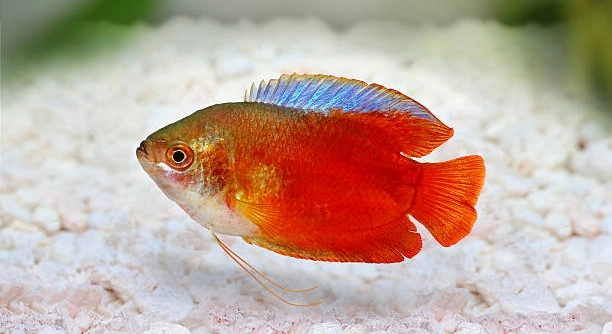
Gouramis are small, colorful freshwater fish often kept in home aquariums. Observing their behavior can be surprisingly engaging, as they react to changes in their environment and interact with other fish in noticeable ways.
Gouramis exhibit behaviors that suggest they can experience stress and comfort. Environmental changes, tank mates, and handling can trigger physiological and behavioral responses, indicating these fish respond to both negative and positive stimuli in measurable ways.
Understanding how gouramis react to their surroundings can improve their care and overall well-being in home aquariums. Their responses offer insights into creating a healthier, more comfortable environment for them.
Recognizing Stress in Gouramis
Gouramis show stress through several visible signs. Rapid gill movement, clamped fins, and hiding frequently are common indicators. Changes in color, such as duller or faded patterns, can also signal discomfort. Stress can result from poor water quality, overcrowding, or sudden changes in temperature. Observing interactions with tank mates is essential. Aggressive or overly dominant fish may cause anxiety in gouramis. Even subtle changes, like skipping meals or erratic swimming, can indicate stress. Consistent monitoring helps identify patterns. Providing a well-planted tank with hiding spots reduces stress levels. Filtration and proper maintenance keep water parameters stable, minimizing stress triggers. Feeding a balanced diet supports resilience. Avoiding abrupt changes in environment or handling allows gouramis to adapt comfortably. Recognizing these signs early allows for interventions, preventing long-term health issues and improving overall well-being in aquarium settings.
Stress signs should be observed carefully, as early detection prevents serious health problems.
Adjusting tank conditions, monitoring water quality, and providing hiding spaces can reduce stress effectively and improve gouramis’ comfort levels.
Comfort and Positive Behavior in Gouramis
Gouramis display comfort through relaxed, smooth swimming and interacting calmly with tank mates. They may hover near plants or explore the tank without sudden movements.
When gouramis feel safe, their colors appear brighter, and they engage in natural behaviors like bubble nest building. Comfortable fish often feed readily and respond to their environment with curiosity rather than fear. Social interactions, such as gentle chasing or following other gouramis, also indicate comfort. Providing a stable environment with consistent lighting, proper water temperature, and minimal disturbances supports these behaviors. Observing their daily routines gives insight into what they enjoy and need. Creating a diverse tank with hiding spots, open swimming areas, and compatible tank mates helps maintain a sense of security. Regular care, including gentle feeding and avoiding sudden handling, reinforces comfort. Over time, these positive behaviors strengthen the bond between the fish and their environment, ensuring they thrive physically and emotionally. Proper care transforms their habitat into a space where gouramis can flourish naturally.
Environmental Factors Affecting Gourami Emotions
Water quality directly impacts gouramis’ stress and comfort levels. Poor filtration, high ammonia, or sudden temperature changes can cause anxiety. Proper tank maintenance and consistent conditions help maintain their emotional well-being.
Maintaining stable water conditions is crucial for gouramis. Regular testing for pH, ammonia, nitrite, and nitrate levels prevents harmful fluctuations. Temperature should remain consistent, ideally between 75 and 82°F, with minimal sudden changes. Adding live plants provides hiding spots, reducing stress by giving them a sense of security. Decorations and smooth surfaces also allow exploration without fear of injury. Overcrowding can intensify aggression and stress, so tank size and stocking numbers matter. Providing calm, predictable environments encourages comfort and natural behavior.
Gouramis also respond to lighting and activity levels in the aquarium. Bright or fluctuating lights can startle them, while too little light may affect feeding and activity. A balance of shaded areas and open swimming space helps them feel safe. Routine observation allows owners to spot subtle stress signs and adjust the environment. Feeding schedules and diet also influence mood, as healthy nutrition supports both energy and emotional stability. When the tank is thoughtfully arranged, gouramis display calmer behavior, social interactions, and overall improved health.
Social Interactions and Emotional Responses
Aggression from tank mates can create stress for gouramis. They thrive with compatible fish and sufficient space to reduce conflicts.
Gouramis are social animals, but their interactions depend on species and personality. Male gouramis may show territorial behavior, especially during breeding periods, which can stress others in the tank. Observing how they react to neighbors helps prevent injury and anxiety. Choosing peaceful tank mates and providing visual barriers like plants or decorations minimizes confrontations. When fish are compatible, they display playful swimming, bubble nest building, and mutual exploration. Regular monitoring ensures that any changes in group dynamics are addressed promptly, maintaining a stable, comfortable environment. Social balance contributes directly to emotional stability and long-term health, reinforcing natural behaviors and reducing stress-induced illnesses.
Feeding and Emotional Well-Being
A consistent feeding routine helps gouramis feel secure and reduces stress. Irregular feeding or poor-quality food can cause anxiety and lethargy, affecting overall behavior.
Providing a balanced diet with varied foods supports both physical health and emotional stability. Gouramis respond positively to live or frozen foods, as well as high-quality flakes or pellets, encouraging natural foraging behavior.
Handling and Interaction
Gentle interaction is important, as sudden movements or frequent handling can frighten gouramis. They respond better to minimal disturbance and predictable care routines, which support comfort.
Tank Enrichment
Adding plants, hiding spots, and decorations allows gouramis to explore safely. These elements reduce stress, encourage activity, and make the tank feel more natural.
FAQ
How can I tell if my gourami is stressed?
Signs of stress in gouramis include clamped fins, rapid gill movement, hiding frequently, and faded colors. They may also swim erratically or avoid food. Observing changes in normal behavior and body coloration helps identify stress early, allowing adjustments to tank conditions or social dynamics.
What are the main causes of stress in gouramis?
Stress often comes from poor water quality, overcrowding, aggressive tank mates, or sudden environmental changes. Fluctuating temperatures, strong currents, or frequent handling can also make gouramis anxious. Addressing these issues by stabilizing conditions, providing space, and selecting compatible tank mates reduces stress significantly.
Can gouramis feel comfort?
Yes, gouramis display comfort through relaxed swimming, bright colors, and natural behaviors like bubble nest building. They explore the tank calmly, feed readily, and interact gently with tank mates. A stable environment with hiding spaces and minimal disturbances promotes this positive state.
How does water quality affect gourami emotions?
Water parameters strongly influence their mood. High ammonia, nitrite, or nitrate levels cause stress and may lead to illness. Consistent filtration, regular water changes, and stable pH and temperature keep gouramis calm and active, supporting both physical and emotional health.
Do gouramis need tank mates to feel comfortable?
Gouramis benefit from social interaction, but compatibility is crucial. Aggressive or territorial species can increase stress, while peaceful tank mates encourage natural behaviors. Observing interactions and arranging plants or decorations for hiding spaces ensures a balanced social environment.
Can diet affect a gourami’s mood?
A varied and nutritious diet supports both health and emotional stability. Live or frozen foods stimulate natural foraging, while high-quality pellets or flakes provide essential nutrients. Irregular feeding or poor-quality food may cause anxiety, lethargy, or aggression.
How can I reduce stress during handling?
Minimal, gentle handling is best. Sudden movements or frequent netting can frighten gouramis. Use smooth, calm actions during tank maintenance and avoid disturbing them unnecessarily. Predictable routines help them feel secure over time.
Do environmental enrichments improve comfort for gouramis?
Yes, plants, decorations, and hiding spots reduce stress and encourage activity. These elements provide security, stimulate exploration, and allow natural behaviors like bubble nest building. Creating varied spaces balances comfort with open areas for swimming and social interactions.
How do I know if my gourami is happy?
Signs of contentment include steady, relaxed swimming, bright colors, curiosity, and regular feeding. They interact gently with tank mates and engage in typical behaviors. A stable, enriched environment supports these behaviors and promotes overall well-being.
Are some gourami species more sensitive than others?
Yes, certain species, like dwarf gouramis, are more sensitive to water quality, handling, and social stress. Understanding species-specific needs helps tailor care, preventing unnecessary stress and promoting comfort. Adjusting environment, diet, and companions according to the species ensures a healthy, emotionally balanced fish.
Can sudden changes in the tank cause stress?
Abrupt changes in temperature, lighting, or water chemistry can alarm gouramis. They adapt better to gradual adjustments. Sudden relocation or adding new tank mates without preparation may trigger anxiety. Introducing changes slowly maintains comfort and reduces the risk of illness.
Is observing behavior the best way to monitor emotions in gouramis?
Behavior observation is key. Changes in swimming patterns, feeding habits, and interactions indicate stress or comfort. Tracking daily routines helps identify problems early, allowing interventions to maintain stable conditions and emotional balance in the aquarium.
How long does it take for gouramis to feel comfortable in a new tank?
Adjustment time varies with species and tank conditions. Providing hiding spots, stable water parameters, and compatible companions helps them settle faster. Monitoring behavior over the first few weeks ensures they are adapting and reduces prolonged stress.
Can stress affect a gourami’s health?
Yes, prolonged stress weakens the immune system, making gouramis more prone to disease and reducing lifespan. Addressing environmental, social, and dietary factors prevents chronic stress and supports long-term physical and emotional health.
What is the best way to maintain a calm tank environment?
Consistency is key. Stable water conditions, gentle lighting, compatible tank mates, and minimal disturbances create a calm environment. Regular maintenance, observation, and enrichment items like plants or decorations support comfort and natural behavior in gouramis.
Gouramis are more than just colorful additions to a home aquarium. Their behaviors reflect responses to the environment and social interactions, showing signs of both stress and comfort. Observing them closely can reveal subtle changes in mood, such as clamped fins, hiding, or erratic swimming when stressed. Conversely, relaxed swimming, bright colors, and curiosity are indicators of comfort. Understanding these behaviors helps in creating an environment that supports their emotional well-being, which directly affects their physical health. Maintaining proper water quality, stable temperatures, and a clean tank reduces stress, while providing hiding spots, plants, and decorations allows them to feel secure and explore naturally. Even simple routines like regular feeding schedules and minimal handling contribute to their overall sense of safety and stability. Recognizing their responses is a key part of responsible care, ensuring that they are not just surviving, but thriving in their aquatic home.
Social interactions also play an important role in the emotional health of gouramis. While they are generally peaceful fish, their comfort levels are influenced by tank mates and space. Aggressive or overly dominant companions can cause anxiety, whereas compatible and calm fish encourage natural behaviors like exploring, foraging, and bubble nest building. Observing these interactions closely allows for adjustments in tank setup or group composition, which prevents prolonged stress. Even minor changes, such as introducing visual barriers like plants or decorations, can reduce conflicts and provide a sense of security. Supporting positive social behavior is just as important as maintaining water quality because emotional stress can manifest physically, leading to illness or poor appetite. By fostering a calm and compatible community within the tank, gouramis are more likely to exhibit behaviors that indicate comfort, engagement, and curiosity, making them healthier and more active.
Finally, care routines and environmental enrichment are essential for emotional well-being. Consistency in feeding, gentle handling, and predictable maintenance schedules provide reassurance to gouramis. Adding plants, hiding spots, and areas for exploration enriches their habitat, encouraging natural behavior and reducing stress. Bright, sudden lights or frequent disturbances can startle them, so gradual adjustments and calm interactions are ideal. Nutrition also plays a significant role, as a balanced diet of live, frozen, or high-quality pellet foods supports both energy levels and mood stability. Paying attention to their needs, observing behavior daily, and making thoughtful adjustments create a tank where gouramis feel secure and comfortable. Emotional well-being in these fish is closely tied to their environment, social interactions, and care practices, showing that even small changes can have a meaningful impact. With careful attention, gouramis can lead a life that reflects both physical health and emotional balance, allowing them to thrive in a home aquarium.

Hello,
If you enjoy the content that we create, please consider saying a "Thank You!" by leaving a tip.
Every little bit helps us continue crafting quality advice that supports the health, happiness, and well-being of pets around the world, for pets of all shapes, sizes, and species.
We really appreciate the kindness and support that you show us!