
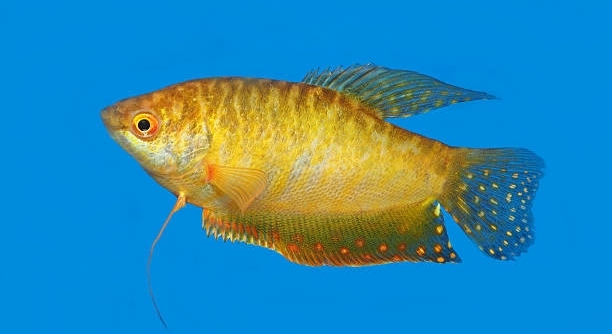
Gouramis are gentle fish often kept in home aquariums. Observing their behavior can be surprisingly engaging, as they seem to interact with their surroundings and react to daily changes in the tank.
Gouramis can develop simple daily routines, showing consistent patterns in feeding, resting, and exploring their environment. These routines are influenced by light cycles, feeding schedules, and tank conditions, reflecting their ability to adapt to predictable patterns.
Watching these patterns can make caring for them more enjoyable and help maintain a healthy, stable environment for your fish.
How Gouramis Show Routine
Gouramis often display routines through their daily activities. They usually swim around specific areas of the tank at certain times, and they can become accustomed to predictable feeding schedules. I have noticed my gourami waiting near the surface when it senses feeding time approaching. These fish also tend to follow light changes in the tank, becoming more active when the lights turn on and resting when the lights are dimmed. Their exploration of decorations and plants tends to happen in repeated patterns, showing that they remember areas that feel safe or interesting. Over time, you can see them repeating behaviors, like hovering near hiding spots or gliding slowly along the tank’s edges. Consistency in tank conditions seems to reinforce these routines, making their behavior more predictable. Observing these patterns can be satisfying, as it reveals their subtle intelligence and adaptation to a stable environment.
Routines in gouramis are more noticeable when the tank environment remains consistent. Changes can disrupt their pattern.
Keeping a regular feeding schedule, stable temperature, and predictable lighting helps maintain these routines. You may also notice subtle cues, such as the fish reacting to your presence near the tank or to vibrations in their environment. These behaviors show that gouramis can associate external stimuli with specific actions, reinforcing their daily pattern. By paying attention to their habits, you can make adjustments to improve their comfort and overall health, as predictable routines reduce stress and create a calm tank environment. Understanding these behaviors also allows better observation of any changes that could indicate illness or stress. Over time, the repeated patterns become a form of communication between you and the fish, giving a sense of connection without words.
Factors Affecting Daily Routines
Gouramis’ routines depend heavily on tank conditions and environmental cues.
Lighting, temperature, and feeding schedules all influence how predictable their day becomes. A sudden change can confuse them.
The tank environment plays a key role in shaping a gourami’s routine. Lighting cycles are particularly important, as these fish respond naturally to periods of light and darkness. Feeding schedules also create consistency, allowing gouramis to anticipate food at certain times, which strengthens their behavioral patterns. Water temperature and quality influence activity levels, with stable conditions promoting regular swimming and resting habits. Decorations and hiding spots provide landmarks, which help them navigate and establish habitual areas for exploration and rest. Even subtle factors, like water movement or the presence of other fish, can alter their behavior, either enhancing or disrupting their routines. By carefully managing these environmental factors, it becomes possible to support healthy, predictable behavior and reduce stress in your gouramis, ensuring their well-being over the long term.
Recognizing Signs of Routine
Gouramis show routine through predictable movements and behaviors. They often return to favorite spots, follow regular feeding patterns, and display consistent responses to tank conditions. Observing these behaviors helps understand their daily habits.
Watching my gourami over time, I noticed it swims to the same corner at certain times of the day, waits near plants before feeding, and occasionally lingers near decorations in a repeated pattern. These small actions indicate that the fish is adapting to a schedule and recognizes environmental cues. Even subtle changes in light or water movement prompt predictable responses, showing they are aware of daily patterns. Understanding these signs allows better care and keeps the tank environment stable for their well-being.
Consistent tank management reinforces these behaviors. Feeding, cleaning, and lighting at the same times strengthens their routine. Observing these habits also makes it easier to notice any unusual changes in behavior that could signal health issues. Recognizing patterns gives a sense of connection, showing that even small fish can adapt meaningfully to regularity and structure in their surroundings. It makes their behavior more predictable and enjoyable to watch.
Tips to Encourage Daily Routines
Maintaining a stable environment is key. Consistency in feeding, lighting, and water conditions promotes predictable patterns and reduces stress in gouramis.
Feeding at the same times every day helps gouramis anticipate meals, reinforcing their daily routine. Lights on a regular schedule signal when to be active or rest, supporting natural behavior patterns. Maintaining stable water temperature and quality prevents sudden changes that can disrupt their habits. Decorations and hiding spots provide familiar landmarks, encouraging repeated swimming and resting areas. Even simple actions like moving slowly near the tank or adjusting water flow predictably can help the fish feel secure. Regular observation and gentle interaction strengthen these patterns, making routines clearer.
Common Routine Behaviors
Gouramis often repeat simple daily behaviors like swimming along the tank edges, resting near plants, or hovering near the surface. These actions happen at similar times each day and show their ability to adapt to predictable schedules.
They may also respond to your presence near the tank, moving toward or away consistently. Such responses are part of their routine and indicate awareness of repeated patterns in their environment.
Adjusting to New Schedules
Gouramis can adapt to changes in feeding or lighting schedules, but it takes time and consistency. Gradually shifting meal times or light periods helps them adjust without causing stress or confusion. Sudden changes may disrupt their behavior temporarily.
Environmental Impact
Tank conditions directly affect routines. Temperature fluctuations, water quality, and noisy surroundings can alter behavior, making consistency essential for maintaining predictable daily patterns.
FAQ
Can gouramis really follow a daily schedule?
Yes, gouramis can follow a simple daily schedule. Over time, they learn to anticipate feeding times, light changes, and even periods of rest. Observing my own gourami, I noticed it waiting near the surface before meals and returning to favorite spots at similar times each day. This shows they recognize predictable patterns in their environment.
How long does it take for a routine to form?
A routine can form within a few weeks if the tank environment is stable. Consistency in feeding times, lighting, and water conditions helps the fish adapt. Sudden changes can delay this process, so keeping a steady schedule is important for establishing predictable behavior.
What behaviors indicate a routine is established?
You can tell a routine is established when the fish repeats actions at the same times each day. This might include swimming along certain areas, hovering near feeding spots, or resting in the same hiding place. My gourami also reacts consistently to light changes, signaling that it has adapted to a daily pattern.
Can routines help reduce stress?
Yes, routines provide a sense of predictability and security. Gouramis thrive in stable conditions, and regular feeding, lighting, and tank maintenance reduce stress. When my fish follows a routine, it seems calmer and more active, which also helps with overall health and reduces susceptibility to illness.
What factors can disrupt routines?
Changes in water temperature, quality, or tank decorations can disrupt routines. Even moving the tank or adding new fish may temporarily confuse them. I noticed that after introducing a new decoration, my gourami avoided its usual spots for a few days, highlighting how sensitive they are to environmental changes.
Can they adjust to new routines?
Yes, but gradual changes work best. Shifting feeding times or light schedules slowly allows the fish to adapt without stress. Abrupt changes may cause confusion or temporary disruption in behavior. Patience is key, as their internal rhythm adjusts slowly over several days to weeks.
Do all gouramis develop routines the same way?
Not exactly. Individual temperament and tank conditions influence how routines form. Some gouramis are more predictable, while others are naturally more exploratory or shy. My gourami adapted quickly to feeding times, but it took longer to get comfortable with a new hiding spot. Each fish has its own pace.
How can I encourage routine behavior?
Maintaining consistent feeding schedules, stable water parameters, and predictable lighting is the most effective approach. Providing familiar hiding spots and minimal sudden disturbances reinforces habits. Gentle observation also helps you notice patterns and support the fish’s natural behaviors without forcing them.
Is it normal if a routine changes suddenly?
Yes, sudden changes can occur if the fish is stressed, sick, or experiencing environmental shifts. I once noticed my gourami acting unusually after a filter cleaning. Temporary deviations are normal, but ongoing irregular behavior may require attention to water quality or health.
Do routines improve overall health?
Following predictable routines contributes to both mental and physical well-being. Stable conditions reduce stress, encourage regular activity, and support digestion and immune function. Observing my gourami over time, I saw that consistent schedules helped it remain active, alert, and less prone to erratic behavior.
How detailed can a gourami’s routine be?
Routines are usually simple but clear. They often include feeding times, preferred swimming paths, and resting areas. Some fish may also respond to the presence of people or minor environmental cues. While not as complex as mammals, these patterns are reliable and can be observed with regular attention.
Can routines change with age?
Yes, as gouramis grow older, their activity levels and preferences may shift. Younger fish might be more active and exploratory, while older fish tend to stick to familiar spots and follow feeding routines more strictly. Adjusting tank care to match their changing habits ensures continued comfort and stability.
Is it helpful to track their routine?
Tracking routines can be useful for monitoring health and behavior. Keeping notes on feeding times, activity patterns, and reactions to changes helps identify any issues early. I keep a small log of my gourami’s behavior and noticed subtle shifts before they became serious problems, making care more effective.
Do routines exist in groups of gouramis?
Yes, in a group, fish often synchronize activities. Feeding, resting, and swimming patterns can become aligned, creating a predictable rhythm in the tank. Observing a small group, I noticed my gouramis swimming together at similar times and resting near the same spots, showing social reinforcement of routines.
What should I do if a routine is broken?
If a routine is disrupted, check tank conditions first. Stable water quality, temperature, and consistent care usually help the fish return to normal patterns quickly. Gentle re-establishment of feeding times and predictable lighting can restore routines without stressing the fish.
Can stress prevent routines from forming?
High stress can interfere with routine formation. Noisy environments, aggressive tank mates, or unstable water conditions can prevent the fish from adapting to regular patterns. Minimizing stress and maintaining calm, predictable conditions are essential for routines to develop successfully.
How much observation is enough to understand routines?
Regular daily observation, even short periods, helps identify consistent patterns. I watch my gourami for a few minutes each day and note feeding responses, swimming paths, and resting areas. Over a few weeks, these observations reveal clear, repeatable routines that inform better care.
Are routines affected by feeding type?
Yes, the type and timing of food influence behavior. Live or frozen foods may encourage active foraging, while flakes may be consumed quickly. Observing my gourami, I noticed different responses depending on food type, which influenced the timing and predictability of its feeding routine.
Do routines differ between male and female gouramis?
There can be slight differences. Males may be more territorial or show specific breeding behaviors, which can influence movement patterns and activity schedules. Female gouramis may have subtler routines, focusing more on resting and feeding areas. Recognizing these differences helps tailor care to each fish.
Can routines improve interaction with the fish?
Yes, predictable routines make the fish more responsive and easier to observe. My gourami now approaches during feeding times and seems aware of my presence, making interactions smoother and enhancing the connection without causing stress. Regular patterns create familiarity and trust over time.
Final Thoughts
Gouramis are fascinating fish that can develop simple daily routines. Observing their behavior over time reveals that they remember feeding schedules, preferred resting spots, and areas they like to explore. Even small details, like hovering near plants before meals or swimming along the same paths repeatedly, show that they are aware of patterns in their environment. Maintaining consistent lighting, temperature, and feeding times helps reinforce these routines and makes the fish feel secure. I have seen how predictable patterns reduce stress in my gourami, allowing it to be more active and calm throughout the day. Understanding these routines also provides a way to notice early signs of illness or discomfort, as sudden changes in behavior can be a signal that something is wrong. While they are not as complex as mammals, their ability to follow predictable behaviors shows a level of intelligence and adaptability that makes them enjoyable to care for.
Creating a routine for gouramis does not require complicated setups. Simple measures, such as feeding at the same time each day, keeping the tank environment stable, and minimizing sudden changes, can make a noticeable difference in their behavior. Hiding spots and decorations add landmarks that help the fish navigate their space and stick to familiar routines. I have found that observing subtle signs, like how the fish responds to light changes or moves around the tank, provides insight into their daily patterns. Even minor adjustments, like a consistent water flow or gentle interaction near the tank, can reinforce predictable behaviors. These routines are beneficial not only for the fish’s comfort but also for maintaining a healthy and balanced tank. Over time, the fish begins to follow these cues naturally, which makes caring for them easier and more rewarding. Establishing a routine requires patience, but the results in both behavior and well-being are clearly visible.
Routines also contribute to the overall happiness and health of gouramis. Fish that experience a predictable environment tend to be less stressed, more active, and more responsive. Watching my gourami follow daily patterns has been satisfying because it reflects how well it has adapted to its surroundings. Even small cues, like a feeding signal or light turning on, trigger consistent behavior, showing their awareness and memory. Understanding these patterns allows better planning for tank maintenance, feeding, and observation of their habits. It also helps identify any unusual changes quickly, which can be important for preventing health problems. Overall, supporting routines in gouramis is about creating stability, maintaining consistent care, and paying attention to their natural behavior. These simple steps make their lives more comfortable and enjoyable, while also making it easier for me to provide the best care possible.

Hello,
If you enjoy the content that we create, please consider saying a "Thank You!" by leaving a tip.
Every little bit helps us continue crafting quality advice that supports the health, happiness, and well-being of pets around the world, for pets of all shapes, sizes, and species.
We really appreciate the kindness and support that you show us!