
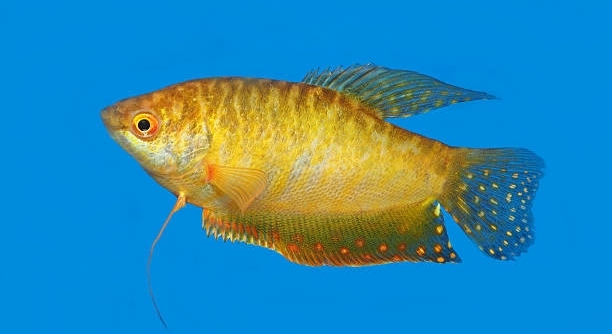
Have you ever noticed your gouramis changing their behavior when the lights in their tank shift? These small, colorful fish are sensitive to their environment and often react in subtle ways when lighting changes. Observing them closely can reveal how adaptable they are.
Gouramis can adjust to changes in lighting relatively quickly, but the speed of adaptation depends on the intensity and duration of the light change. Gradual adjustments in light help minimize stress and maintain normal behavior.
Understanding how lighting affects gouramis is essential for their well-being, and learning these patterns can improve the care you provide in your aquarium.
How Gouramis React to Sudden Light Changes
Gouramis are naturally sensitive to light. When the lighting in their tank changes suddenly, they may become more active, hiding more often, or swimming closer to shaded areas. These reactions are a stress response, as bright or unfamiliar light can feel threatening. Some species may even change their color slightly to blend in with their surroundings, which is a natural survival instinct. Over time, most gouramis learn to tolerate new lighting conditions if the changes are not too extreme. Observing their behavior during these shifts is important for ensuring they remain healthy. Consistent routines and gradual adjustments help them acclimate more easily. Even small changes in tank lighting, such as moving the tank closer to a window or switching to a brighter bulb, can trigger noticeable responses. Providing areas of shade or plants can help them feel secure and reduce stress while they adapt.
Gradual lighting adjustments reduce stress and help gouramis maintain normal swimming and feeding patterns.
Monitoring your gouramis closely allows you to notice subtle behaviors, ensuring they are comfortable and their environment is suitable for long-term health.
Tips for Adjusting Aquarium Lighting
Start with dim lighting and increase brightness slowly over several days.
Sudden, intense changes in lighting can stress gouramis and affect their appetite, movement, and overall health. Gradually altering the light allows them to adjust naturally. Using a timer can help maintain a consistent day-night cycle, reducing confusion and promoting regular activity. Observing how your gouramis respond can guide you in making further adjustments, whether it’s changing bulb type, moving the tank, or adding decorations that provide shaded areas. Keep in mind that different species have varying tolerance levels, so what works for one gourami may not suit another. Regularly checking their behavior, such as changes in color, hiding habits, or erratic swimming, can indicate if the lighting is appropriate. A carefully managed light schedule not only reduces stress but also supports natural behaviors like feeding and breeding. Creating a stable, predictable environment helps your gouramis thrive while ensuring the aquarium remains visually appealing.
Light Sensitivity in Gouramis
Gouramis are naturally sensitive to light changes, reacting quickly to bright or dim conditions. Sudden shifts can cause stress, hiding behavior, or changes in swimming patterns. Observing their reactions is important for maintaining a healthy environment and preventing long-term stress.
Their sensitivity comes from their natural habitats, which often include shaded waters or areas with varying light levels. In the wild, they adapt slowly to light changes to avoid predators. In aquariums, rapid changes in lighting can trigger defensive behaviors like darting, freezing, or seeking cover. Consistent light schedules and gradual adjustments reduce stress. Adding floating plants or shaded areas allows them to control exposure. This makes them feel safer and helps them adjust naturally without affecting feeding or social behavior.
Color changes can also occur when gouramis experience sudden light shifts. Their skin may darken or lighten slightly, which is a natural response to stress and environmental change. Monitoring these subtle changes provides insight into their comfort levels. Properly timed lighting adjustments help maintain normal behavior, prevent stress-related illnesses, and support overall health. A stable light routine enhances both their appearance and activity patterns.
Best Practices for Lighting Adjustment
Use gradual changes rather than sudden, bright shifts.
Start with low-intensity lighting and increase it over several days. A timer can create a reliable day-night cycle. Gradual changes prevent stress and encourage natural swimming, feeding, and resting behaviors. Floating plants or decorations give gouramis control over exposure.
Avoid sudden exposure to very bright lights, which can startle gouramis and disrupt routines. Monitor their activity, hiding habits, and feeding patterns during adjustment. Some species tolerate changes better than others, so tailor the approach. Maintaining consistency supports normal behavior, encourages regular feeding, and reduces stress-related color changes. Over time, gouramis learn to adapt without negative impacts, making the aquarium more stable and healthy. Gradual, planned lighting changes improve their comfort while preserving their natural responses.
Gradual vs. Sudden Light Changes
Gradual light changes allow gouramis to adjust without stress. They adapt their swimming and feeding patterns more easily when the transition is slow. Sudden changes, on the other hand, can cause panic or hiding behavior, disrupting normal activity and overall health.
A stable lighting routine helps gouramis feel secure. By slowly increasing or decreasing brightness, they maintain regular habits and reduce stress. Providing shaded areas or plants allows them to control exposure further. Observing their behavior during these adjustments ensures they remain comfortable and healthy in the aquarium environment.
Recognizing Stress Signals
Gouramis show stress through hiding, rapid swimming, or color changes. Observing these signals helps identify lighting issues before they affect health.
Tips for Day-Night Light Cycles
A timer ensures consistent day-night cycles, preventing confusion and stress. Gradual transitions support natural behavior and well-being.
FAQ
How quickly can gouramis adjust to new lighting conditions?
Gouramis can adjust to changes in lighting fairly quickly if the change is gradual. Sudden, intense light can cause stress and unusual behavior. Gradually increasing or decreasing brightness over several days allows them to adapt without affecting swimming, feeding, or social interactions.
What signs indicate that my gourami is stressed by light?
Common signs of stress include hiding more than usual, darting around the tank, refusing to eat, or changing color. Darkening or paling skin is a natural response to sudden light changes. Watching these behaviors helps identify whether adjustments are necessary to maintain comfort.
Should I use a timer for aquarium lighting?
Yes, a timer ensures consistent day-night cycles, which is important for their internal rhythms. Predictable lighting reduces stress, helps maintain feeding schedules, and encourages natural behaviors like resting or exploring the tank. Consistency is key to keeping gouramis comfortable.
Is it better to have bright or dim lighting for gouramis?
Moderate lighting is ideal. Bright lights may stress them, while very dim lighting can reduce activity. Providing areas of shade with plants or decorations gives them control over exposure, helping them feel secure and supporting normal behavior patterns.
Can lighting affect gourami color?
Yes, lighting can influence their color temporarily. Sudden bright light may cause darkening, while consistent, moderate light helps maintain natural coloration. Changes are generally temporary and return to normal once the fish adjusts or the light is balanced.
How do different gourami species respond to light?
Different species have varying tolerance levels. Some are more sensitive to brightness, while others adjust quickly. Researching the specific needs of your species helps create the best environment. Observing behavior is always necessary to confirm they are adapting well.
Can stress from lighting impact health?
Yes, prolonged stress can weaken the immune system, affect feeding, and increase susceptibility to disease. Maintaining gradual light changes and providing shaded areas reduces stress and supports long-term health and well-being.
Is it necessary to mimic natural light cycles?
Mimicking natural day-night cycles benefits gouramis by supporting natural activity, feeding, and resting patterns. Using timers and gradual light adjustments replicates conditions they would experience in the wild, promoting comfort and reducing stress-related behaviors.
How often should I change lighting in my aquarium?
Frequent, abrupt changes are not recommended. Adjust lighting only when necessary, such as upgrading bulbs or rearranging the tank. Gradual, controlled adjustments allow gouramis to acclimate without disrupting their routines. Monitoring their response ensures changes are safe.
Are there additional ways to reduce light stress?
Yes, adding floating plants or decorations provides shade and allows gouramis to control exposure. Positioning the tank away from direct sunlight and avoiding sudden bright room lighting also helps. Observing behavior ensures these strategies effectively reduce stress.
Can gouramis become accustomed to artificial lighting over time?
Yes, with consistent exposure and gradual adjustments, gouramis can adapt to artificial lighting. They learn to navigate the tank, find shaded areas, and maintain normal behavior. Patience and careful observation are essential during this process to ensure their comfort.
Do nighttime lights affect gouramis?
Continuous nighttime lighting can disrupt sleep patterns and cause stress. Using a timer to ensure darkness during their rest period helps maintain natural cycles and supports overall health and activity levels. Gradual transitions between day and night are important.
What should I do if gouramis show persistent stress?
If stress continues despite gradual light changes, reevaluate tank conditions. Check for overly bright bulbs, lack of shaded areas, or other environmental stressors. Adjust the light schedule, provide hiding spaces, and ensure feeding routines are consistent to restore comfort and normal behavior.
How can I test if lighting adjustments are effective?
Observe swimming patterns, feeding behavior, and color. Reduced hiding, normal feeding, and stable coloration indicate successful adjustments. Continuous monitoring ensures changes are effective and helps prevent long-term stress or health issues.
Is there a difference between overhead and ambient room lighting for gouramis?
Overhead aquarium lighting directly affects them, while ambient room lighting can cause subtle changes. Sudden bright room lights may startle them, so maintaining consistent tank lighting and gradual exposure helps reduce stress. Shaded areas can buffer the impact of ambient light.
Can lighting influence breeding behavior?
Yes, proper light cycles encourage natural breeding behavior by mimicking seasonal changes. Gradual day-night patterns and consistent intensity support mating displays and spawning, while inconsistent or harsh lighting can delay or inhibit reproductive activity.
What role do plants play in lighting adaptation?
Plants provide shade, reduce glare, and create hiding spots, allowing gouramis to control exposure. They help fish feel secure, reducing stress and encouraging normal activity. Floating or tall plants are particularly useful for sensitive species or tanks with strong lighting.
Are there long-term effects of poor lighting on gouramis?
Chronic stress from poor lighting can affect growth, immunity, behavior, and overall well-being. Ensuring gradual adjustments, proper intensity, shaded areas, and consistent day-night cycles supports long-term health and stability in the aquarium.
How can I introduce new lighting without upsetting gouramis?
Start with lower-intensity light and increase it slowly over several days. Observe behavior for signs of stress and provide shaded areas. Consistent timing and gradual transitions allow adaptation without disrupting feeding, swimming, or social interactions.
Is artificial lighting enough for gouramis, or is natural light necessary?
Artificial lighting can be sufficient if it replicates natural day-night cycles. Direct sunlight is not necessary and may cause stress or algae growth. Controlled lighting with gradual transitions ensures comfort and supports normal activity and health.
Final Thoughts
Gouramis are sensitive fish that respond quickly to changes in their environment, especially lighting. Their reactions can range from subtle hiding and color changes to more noticeable shifts in swimming patterns. Maintaining a consistent and gradual approach to lighting adjustments is essential for their comfort and health. Sudden bright lights or frequent changes can trigger stress, which affects feeding habits, energy levels, and overall well-being. Observing how your gouramis react allows you to make informed adjustments and ensures they feel secure in their tank. Providing shaded areas, floating plants, or decorations can give them control over light exposure, reducing stress and encouraging natural behavior.
Lighting not only affects behavior but also influences health over time. Prolonged stress from abrupt or intense light changes can weaken the immune system, making gouramis more vulnerable to disease. It can also impact their coloration and social interactions. Gradual transitions and maintaining a consistent day-night cycle help prevent these issues. Timers are particularly useful for creating a reliable schedule, allowing fish to establish a routine. Additionally, different species of gouramis have varying levels of tolerance to light, so paying attention to the specific needs of your fish is important. By carefully monitoring their activity, hiding patterns, and feeding habits, you can determine whether your lighting setup is appropriate and make adjustments accordingly.
Ultimately, providing a stable and thoughtfully managed lighting environment supports the long-term health and happiness of your gouramis. Gradual changes, consistent day-night cycles, and opportunities for shade allow them to adapt naturally without stress. By paying attention to their behavior and creating an environment that mimics natural conditions, you can maintain their physical health, promote normal activity, and even support natural behaviors like breeding. Small steps like adjusting brightness slowly, using timers, and incorporating shaded areas make a significant difference in their comfort. With careful observation and simple adjustments, you can ensure that your gouramis thrive and remain active, healthy, and visually vibrant in your aquarium.

Hello,
If you enjoy the content that we create, please consider saying a "Thank You!" by leaving a tip.
Every little bit helps us continue crafting quality advice that supports the health, happiness, and well-being of pets around the world, for pets of all shapes, sizes, and species.
We really appreciate the kindness and support that you show us!