
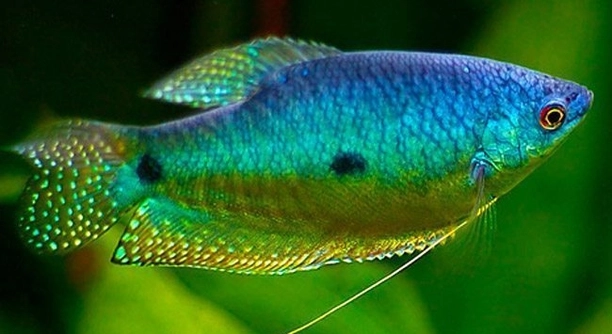
Gourami fish are a popular choice for freshwater aquariums, and many hobbyists wonder if they can live peacefully alongside snails. These creatures bring unique characteristics and benefits to the tank, making it essential to understand their compatibility.
Gourami fish are generally compatible with snails in a shared tank. However, compatibility may depend on the species of gourami and the specific type of snail. Gouramis are peaceful, but they may become territorial or aggressive toward certain snails under specific conditions.
With the right setup and careful monitoring, gourami and snails can coexist peacefully. Understanding their behaviors and needs is key to creating a harmonious tank environment.
Understanding Gourami Behavior
Gourami fish are known for their peaceful nature, but like any species, they have specific needs and behaviors that can affect their interactions with other tankmates. Gouramis are often shy and prefer calm waters, making them ideal candidates for a community tank. They thrive in tanks with plants and structures to hide in, and they typically get along with other non-aggressive species. However, their territorial instincts can sometimes make them aggressive, especially during breeding periods. In these cases, it’s important to ensure that there’s enough space for them to claim their territory without feeling threatened by other fish or snails.
When introducing snails to a tank with gouramis, the latter may occasionally nip at the snails, particularly if the snails are in their direct line of sight or near their hiding spots. The best way to reduce these tensions is by providing adequate space and hiding spots for both the fish and snails. This will help avoid unnecessary stress and conflict.
Gourami behavior is manageable with a bit of planning. If you’re setting up a community tank, choosing peaceful gourami species and monitoring their interactions with snails can create a balanced, harmonious environment. This way, both your fish and snails can coexist without major issues.
Snail Types and Compatibility
Some snail species are better suited for living with gouramis.
For example, nerite snails are peaceful and small, making them less likely to irritate gouramis. They can even help keep the tank clean, as they feed on algae and detritus. On the other hand, larger snails, such as mystery snails, may have a more noticeable presence in the tank, which could trigger territorial behavior from gouramis. Snails that move slowly or have a sturdy shell are typically better at handling any potential interactions with gouramis. It’s essential to understand these differences to avoid any unnecessary stress for both animals.
When you carefully select compatible snails and provide them with appropriate space, your gourami fish and snails should be able to coexist without significant problems. Just ensure that snails aren’t competing with the fish for food or hiding spots, as this can lead to unnecessary conflicts.
Tank Size and Setup
The size of your tank plays a significant role in the success of keeping gouramis and snails together.
Gouramis need space to swim comfortably, and snails require room to move around without being disturbed. A 20-gallon tank is typically a good minimum for a peaceful coexistence. Adding plants, rocks, or driftwood creates hiding spots for both the gouramis and snails, reducing stress. Overcrowding can lead to competition for space, causing unnecessary aggression from gouramis and limiting the snails’ movement. A tank with enough space for each creature will create a more stable and harmonious environment.
The more natural the setup, the better. Gouramis enjoy swimming through plants, while snails like to roam the substrate and the tank’s surfaces. If the tank is overcrowded with decorations, it can block their movement and increase territorial disputes. Maintaining clean water with proper filtration ensures a healthy environment for both the gourami fish and snails.
Monitoring Behavior
It’s important to keep an eye on both gouramis and snails after introducing them to the tank.
Gouramis are generally peaceful but can become territorial, especially if they feel threatened by other creatures. If you notice any signs of aggression, like chasing or fin nipping, it’s best to give your gourami more space or rearrange the tank. Snails, while slow-moving, can also become targets if they are in the gourami’s path too often.
Monitoring your tank for early signs of stress in both the fish and snails helps you address problems before they escalate. Providing enough hiding places for snails is crucial to give them relief from any unwanted attention. This ensures that both species can coexist peacefully without causing harm to one another.
Feeding Considerations
Feeding both gouramis and snails requires careful attention to ensure both species are well-nourished.
Gouramis are omnivores, so they need a varied diet that includes both plant and protein sources. Snails, on the other hand, primarily feed on algae, detritus, and some vegetable matter. Overfeeding can lead to waste buildup, harming both species.
To prevent overfeeding, offer small amounts of food regularly and remove any uneaten portions promptly. Gouramis may try to eat food meant for snails, so it’s important to observe feeding times closely and ensure that snails have access to their own food. A balanced feeding routine will keep both healthy and reduce competition.
Water Quality
Maintaining clean water is essential for both gouramis and snails.
Gouramis are sensitive to poor water quality, which can cause stress or illness. Snails are also affected by high levels of ammonia or nitrites, as they can harm their delicate systems. Regular water changes and proper filtration are key to maintaining a stable tank environment.
Testing water parameters, such as pH, hardness, and temperature, helps ensure that the conditions are right for both species. Proper care of the water will prevent common health issues and create a peaceful, thriving environment for both gouramis and snails.
Tankmates to Avoid
Certain fish species should be avoided when keeping gouramis and snails together.
Aggressive or fast-moving fish, such as cichlids or goldfish, can stress out gouramis and snails. These fish may chase or nip at the slower-moving snails and disrupt the peaceful environment that gouramis prefer. Avoiding these aggressive species ensures that your tank stays calm and balanced.
FAQ
Can gouramis eat snails?
Gouramis generally do not eat snails, as they prefer a diet of smaller aquatic organisms and plant matter. However, in some cases, gouramis may nip at snails if they feel threatened or if the snails invade their territory. This is more likely if the gouramis are particularly territorial or aggressive, especially during breeding seasons. If a snail is injured, it may become a target, but most gouramis won’t actively hunt snails.
Do snails help keep the tank clean for gouramis?
Yes, snails can be helpful in keeping the tank clean. They eat algae, leftover food, and decaying plant matter, which can reduce the overall waste in the tank. This helps maintain a cleaner environment for gouramis and other fish in the tank. However, it’s essential to ensure that snails are not overfeeding, as too many snails can produce excessive waste. Balance is key.
Will snails harm gouramis in a shared tank?
Snails do not typically harm gouramis, but there can be some minor issues. Gouramis might nip at snails, especially if they feel their territory is being encroached upon. Some gouramis might also show interest in the snails’ soft bodies or shells, but most of the time, snails and gouramis can peacefully coexist when there is enough space and hiding spots. Proper tank setup can help avoid these conflicts.
Are there any specific types of snails that are better suited for a tank with gouramis?
Certain snail species are better suited for tanks with gouramis. Nerite snails, for instance, are small, peaceful, and won’t irritate gouramis as much. Mystery snails are another good option; they are slow-moving and peaceful, making them ideal for a community tank. Larger or more aggressive snails may stress gouramis or become targets. Always choose snails that won’t disturb your gouramis.
Do gouramis eat snail eggs?
Gouramis may eat snail eggs if they come across them, but they are not particularly focused on consuming them. Most species of gourami prefer live food, and they might nibble on snail eggs if they’re in their line of sight. To prevent egg-laying snails from overpopulating the tank, some aquarium owners choose to remove snail eggs as they appear, rather than letting them hatch. Gouramis may not actively seek out these eggs but will certainly eat them if they are present in the tank.
How do I prevent gouramis from being aggressive toward snails?
The best way to prevent aggression is to ensure that there is plenty of space in the tank. Gouramis tend to be territorial, so giving them space and hiding spots can reduce territorial behavior. Using live plants, rocks, and driftwood to create boundaries will give both gouramis and snails areas to call their own. Also, keep your gouramis well-fed with a balanced diet to reduce any potential aggression due to hunger or stress.
What size tank is needed for gouramis and snails?
A 20-gallon tank is typically the minimum size needed for gouramis and snails to coexist peacefully. The tank should provide enough space for both to move around freely without competing for resources. Larger tanks, of course, will offer even more room, reducing the likelihood of stress and territorial behavior. The more space you have, the easier it is to create a balanced and peaceful environment for both species.
Can snails and gouramis share the same tank with other fish?
Yes, gouramis and snails can share the tank with other peaceful fish species. Fish such as tetras, guppies, or danios are generally compatible with both gouramis and snails. It’s essential to avoid aggressive or overly active fish, as they can stress the gouramis and snails. When setting up a community tank, ensure that all species are peaceful and not likely to disturb one another.
Do snails need a special diet in a tank with gouramis?
Snails require a diet high in calcium to maintain strong shells, along with algae, detritus, and vegetable matter. In a tank with gouramis, snails may benefit from the algae that grows on tank surfaces. It’s a good idea to provide additional food such as blanched vegetables or algae wafers to supplement their diet. Gouramis may also share some of their food with snails, but it’s important to ensure that snails have access to their own food to avoid competition.
Can gouramis and snails live in a tank with live plants?
Yes, gouramis and snails can live in a tank with live plants. In fact, live plants provide a natural environment for both species, offering hiding places and grazing opportunities for the snails. Gouramis, being peaceful fish, enjoy a tank with plants where they can hide and feel safe. Just be mindful of overgrowth, as some plants can become too thick and reduce swimming space or water circulation.
How often should I clean the tank with gouramis and snails?
The tank should be cleaned regularly, but not too frequently, as some beneficial bacteria may be disturbed. Perform partial water changes of about 20-30% every two weeks. Snails can help with algae control, but you’ll still need to remove excess debris and waste. Cleaning the substrate with a siphon once a month helps keep the tank environment healthy for both gouramis and snails. Be sure to monitor water quality to avoid any issues related to poor filtration.
Final Thoughts
When deciding whether gouramis and snails can share a tank, it’s essential to consider the temperament of both species. Gouramis are generally peaceful, but they can sometimes be territorial, especially during breeding. Snails, on the other hand, are slow-moving and do not usually cause trouble. Most of the time, these two species can coexist without any significant issues, provided the tank environment is set up properly. Giving both species enough space, food, and hiding spots will reduce the chances of any conflict.
Water quality is another important factor to consider. Both gouramis and snails are sensitive to poor water conditions, so maintaining proper filtration and doing regular water changes is key to keeping them healthy. Snails can help keep the tank clean by eating algae and leftover food, but they also produce waste, so it’s important to avoid overfeeding and keep the tank clean. A balanced diet for both species will also help ensure they stay healthy and peaceful in their shared space.
Finally, it’s always a good idea to monitor your tank closely, especially in the beginning. Watch how the gouramis and snails interact, and adjust the tank setup if necessary. Some snails, like Nerite or Mystery snails, are known to be peaceful and less likely to cause problems. However, if any aggressive behavior or stress is observed, it may be necessary to separate them. In the right environment, gouramis and snails can coexist happily, contributing to a harmonious and healthy tank.

Hello,
If you enjoy the content that we create, please consider saying a "Thank You!" by leaving a tip.
Every little bit helps us continue crafting quality advice that supports the health, happiness, and well-being of pets around the world, for pets of all shapes, sizes, and species.
We really appreciate the kindness and support that you show us!