
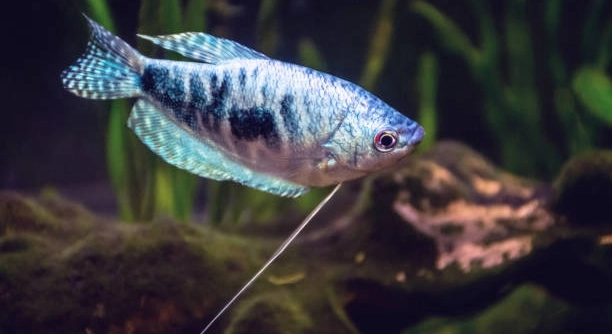
Gourami fish are known for their unique nesting behaviors and territorial nature. Many aquarists wonder if these fish can share nests with others or if they prefer solitude during breeding. Understanding their social habits is important for successful aquarium care.
Gouramis generally do not share nests with other fish. Males build and guard bubble nests independently to protect their eggs and fry. Nest sharing is rare due to their territorial instincts and the need to defend offspring from potential threats.
Learning about gourami nesting habits helps aquarists create a better environment for breeding success. This article explores key behaviors and practical tips for managing gourami in shared spaces.
Understanding Gourami Nesting Behavior
Gouramis are bubble nest builders, with males creating floating nests made from air bubbles and saliva at the water surface. These nests protect the eggs and provide a safe place for fry to develop. The male gourami’s role is to build, guard, and maintain the nest while attracting a female to lay eggs within it. After spawning, the male collects the eggs and places them in the bubble nest. He becomes highly protective, chasing away other fish that come too close.
Because gouramis are territorial during this period, sharing a nest is uncommon. Male gouramis usually do not tolerate other males near their nesting area. Even females are often kept away once the eggs are laid, as the male focuses on guarding the offspring. This behavior helps ensure the survival of the fry but means that communal nesting does not naturally occur among gouramis.
Keeping these behaviors in mind allows aquarists to prepare tanks that minimize stress and aggression. Providing plenty of space and hiding spots reduces conflicts, especially during breeding.
Gourami males take nest guarding seriously to protect their young from threats.
Proper tank setup is essential for healthy breeding and peaceful interactions.
Can Different Gourami Species Share a Nest?
Gouramis generally prefer to keep their nesting sites to themselves, regardless of species. Different species have distinct behaviors and territorial boundaries, making shared nests rare. In a mixed-species tank, male gouramis often compete aggressively for space, especially during breeding season. This territorial nature usually prevents nest sharing or cooperation between species.
When placed together, males tend to defend their own nests fiercely. Even if bubble nests appear close, they are separate and defended individually. Aggression can increase when multiple males try to establish nests near each other. This can lead to stress and injuries, reducing breeding success. To support breeding, it is best to provide separate spaces or tanks for each species.
While some fish species cooperate in shared nests, gouramis do not. Their instinct to protect offspring leads them to build and guard nests independently. Aquarists should avoid overcrowding and ensure enough territory to minimize conflicts during breeding. This approach helps maintain a peaceful environment and encourages successful reproduction.
Risks of Nest Sharing Among Gouramis
Nest sharing among gouramis can increase stress and aggression. Territorial disputes often arise, leading to fights that harm the fish and damage nests.
When gouramis share a tank without enough space, males compete fiercely for nesting sites. This competition can result in injuries or even death, which reduces breeding success. Aggression stresses the fish, weakening their immune systems and making them vulnerable to diseases. The bubble nests themselves can be disturbed or destroyed during these conflicts, causing eggs or fry to be lost. It is important to provide ample room and separate nesting areas to minimize these risks.
Stress from constant territorial disputes may cause gouramis to abandon their nests altogether. This abandonment stops breeding and puts eggs and fry at risk. Clear boundaries and hiding spots are essential to reduce aggression and support healthier behavior during nesting.
How to Encourage Peaceful Breeding in Gouramis
To promote peaceful breeding, create separate zones within the tank using plants or decorations. These zones help reduce visual contact and territorial disputes. Providing ample space and hiding spots encourages natural behavior and minimizes stress. It also allows males to establish individual nesting sites without interference.
Keep only one male gourami per tank when possible to avoid aggressive competition. If multiple males must share a tank, make sure it is large enough to provide distinct territories. Regular water changes and proper tank maintenance help maintain a healthy environment that supports breeding. Monitoring fish behavior closely can help catch and address conflicts early, improving chances of successful nesting.
Signs That Nest Sharing Is Causing Problems
Aggressive chasing and fin nipping often indicate trouble when gouramis share a nest. These behaviors increase stress and can lead to injuries. Watch for signs of damage to bubble nests, such as bubbles breaking or nests collapsing, which suggest disputes are harming breeding efforts.
If one or more fish isolate themselves or hide constantly, it’s a sign the environment is too stressful. Frequent fighting can cause physical wounds and weaken the fish, making them more vulnerable to illness.
Managing Multiple Gouramis in One Tank
Separating males during breeding season is the best way to prevent aggression and protect nests. Use dividers or separate tanks to keep males apart while still allowing visual contact, which reduces stress. Introduce plenty of plants and hiding places to create natural boundaries and reduce conflicts. When space is limited, keeping only one breeding male per tank is the safest option for successful reproduction and fish well-being.
Alternative Nesting Options
Some gourami keepers provide floating objects or artificial nests to encourage breeding. These help males build nests more easily and reduce conflicts over space. Artificial nests offer stable platforms for bubble nests and can make monitoring eggs simpler.
FAQ
Can two male gouramis share the same tank during breeding?
Male gouramis are territorial, especially during breeding. Housing two males in the same tank often leads to aggression and fighting. If a tank is large enough and offers plenty of hiding spaces, it may reduce conflicts, but it is generally not recommended to keep multiple breeding males together.
How can I tell if my gourami is building a nest?
Male gouramis blow bubbles at the water surface, which stick together to form a floating nest. You might notice increased activity around the nest area as the male guards it. He may also collect eggs and place them carefully into the bubble nest.
Will gouramis share a nest if there is plenty of space?
Even with enough space, gouramis typically do not share nests. Their natural instincts drive them to guard their own territory and offspring independently. Providing separate nesting areas helps reduce stress and encourages healthy breeding.
What should I do if gouramis are fighting over a nest?
If fights occur, try separating the aggressive fish temporarily or permanently. Adding more plants and hiding spots can help reduce tension. In severe cases, keeping males in different tanks is the best solution to prevent injury and stress.
Can female gouramis help with nest building or guarding?
Female gouramis usually do not participate in nest building or guarding. Once the eggs are laid, the male takes full responsibility for protecting the nest and caring for the fry. Females often leave the nesting area after spawning.
How long do gourami males guard their nests?
Male gouramis guard their nests for several days to weeks, depending on the species and environment. They protect the eggs and young fry from threats until the fry are free-swimming and less vulnerable.
Is it safe to keep other fish with nesting gouramis?
Other fish can stress nesting gouramis, especially if they invade the nest area. Small, peaceful tank mates may be tolerated, but active or aggressive species should be avoided to prevent conflicts and damage to the nest.
What kind of tank setup supports gourami breeding?
A breeding-friendly tank should have calm water, stable temperature, and floating plants to help support bubble nests. Soft lighting and minimal disturbance also help reduce stress. Providing plenty of space and hiding spots encourages natural behaviors.
How can I care for gourami fry after hatching?
After hatching, fry need gentle water flow and clean conditions. Feeding them small, nutritious foods like infusoria or specialized fry food supports healthy growth. The male may continue guarding for a short time but can be removed once fry become free-swimming.
Can gouramis rebuild nests if disturbed?
Yes, male gouramis can rebuild bubble nests if they are damaged or destroyed. However, repeated disturbances can increase stress and reduce breeding success. Minimizing tank disruptions during breeding is important for maintaining stable nests.
Do different gourami species have different nesting habits?
Most gourami species build bubble nests, but the size and location can vary. Some prefer densely planted areas, while others build nests in open water. Understanding specific species behavior helps tailor tank conditions for better breeding outcomes.
Are there signs that a nest is failing?
Signs of a failing nest include broken bubbles, missing eggs, and a male that stops guarding or becomes less active. Poor water quality or aggression from other fish can also cause nest failure. Early detection helps improve care and breeding chances.
How often should I check on nesting gouramis?
Regular but gentle monitoring is best. Too much disturbance can stress the fish and damage nests. Check daily for signs of aggression, nest condition, and water quality, but avoid sudden movements or loud noises near the tank.
Can gouramis share nests with other bubble-nesting fish?
Generally, gouramis do not share nests with other species. Bubble-nesting fish are usually territorial about their nests and may see others as threats. Separate tanks or distinct territories are safer to ensure peaceful breeding.
What are the risks of overcrowding in a breeding tank?
Overcrowding increases stress, aggression, and competition for resources. It can lead to nest damage and lower survival rates for eggs and fry. Keeping the tank size appropriate for the number of fish is essential for successful breeding.
How can I encourage a male gourami to build a nest?
Creating ideal conditions like warm water (around 78-82°F), calm surface water, and floating plants encourages nest building. A healthy diet and minimal disturbances also help males focus on building and guarding nests effectively.
Final Thoughts
Gouramis are interesting fish when it comes to nesting behavior. They are naturally territorial, especially the males during breeding. Sharing a nest is not common among gouramis because each male prefers to build and protect his own bubble nest. This behavior helps ensure that the eggs and fry receive the best care and protection possible. When gouramis share a tank, it is important to provide enough space and hiding places to reduce conflicts and stress. Giving each male enough room to establish his own territory will improve the chances of successful breeding.
When considering whether gouramis can share nests, it is clear that they usually do not. Even if there is plenty of space, the instinct to guard their own offspring leads males to build separate nests. Aggression and territorial disputes often arise if multiple males try to claim the same area. This can result in damaged nests and lost eggs, which lowers breeding success. To avoid these issues, separating males during breeding or creating distinct nesting zones within the tank is a good idea. This allows gouramis to breed naturally without unnecessary stress or fighting.
Taking care of gouramis during breeding requires attention to their environment and behavior. Providing clean water, a calm tank, and plenty of plants for cover encourages healthy nesting. Watching for signs of aggression or nest damage can help prevent problems before they get serious. With proper care and tank setup, gouramis will display their natural bubble-nesting behavior successfully. Understanding their territorial nature helps hobbyists create a peaceful environment where these beautiful fish can breed and thrive.

Hello,
If you enjoy the content that we create, please consider saying a "Thank You!" by leaving a tip.
Every little bit helps us continue crafting quality advice that supports the health, happiness, and well-being of pets around the world, for pets of all shapes, sizes, and species.
We really appreciate the kindness and support that you show us!