
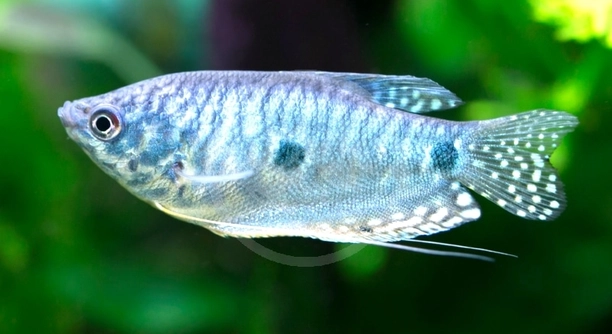
Gouramis are popular freshwater fish kept by many aquarium enthusiasts. They are known for their peaceful nature and vibrant colors. People often wonder about their behavior, especially around feeding times.
Gouramis have demonstrated the ability to remember feeding schedules through consistent environmental cues. Studies show that these fish can learn to anticipate feeding times when exposed to regular routines, indicating a capacity for temporal learning and memory retention.
Knowing how gouramis remember feeding times can help owners create better care routines. This insight supports healthier and less stressful environments for these fish.
How Gouramis Learn Feeding Times
Gouramis use visual and environmental cues to learn when it’s time to eat. Over days of consistent feeding, they begin to recognize patterns, such as the presence of their owner or a specific light turning on. This helps them anticipate food even before it arrives. Their brain associates these signals with mealtime, showing that they can form simple memories. Feeding at the same time daily strengthens this behavior. Gouramis may swim near the surface or become more active as feeding time approaches, demonstrating their ability to remember. This kind of learning helps reduce stress because the fish know when to expect food, avoiding constant searching or anxiety. Keeping a steady routine benefits their health and encourages natural behavior. It’s clear that gouramis, like many fish, rely on repetition and environmental signals to keep track of their feeding schedule.
Fish respond better when routines are steady and predictable.
Consistent feeding times also support a balanced tank environment. When gouramis expect food at certain times, they eat efficiently and don’t overfeed. This keeps water quality stable and reduces waste buildup. Predictable feeding routines allow for better management of their diet and overall tank health. If feeding times vary too much, gouramis might become stressed or exhibit less natural behavior. Observing how gouramis react to scheduled feedings can help owners adjust their care and ensure the fish stay healthy. A calm, predictable environment supports their wellbeing and encourages natural activity patterns.
Signs Gouramis Show When They Remember Feeding Times
Gouramis often show clear signs when they remember feeding times. They may swim to the top of the tank or gather near the spot where food is usually given. Their activity levels might increase, and they may seem more alert shortly before feeding.
These behaviors reveal how gouramis associate certain times or cues with food. They rely on memory to anticipate feeding and show excitement. For example, if you approach the tank at the usual feeding hour, they often respond by moving closer or following your movements. This recognition is a simple form of learning but shows their ability to adapt to regular routines.
Watching these signs can help owners understand their gouramis better. Knowing when your fish expect food allows you to avoid overfeeding or stress. It also highlights the importance of consistent care. When fish know what to expect, they stay calmer and healthier. Keeping an eye on these behaviors improves the connection between owner and pet and ensures the fish get fed properly every day.
Feeding Routine Tips for Gouramis
Consistency is key when feeding gouramis. Feeding them at the same time each day helps them develop a reliable routine. This reduces stress and keeps their behavior stable.
Regular feeding times make it easier for gouramis to anticipate meals, which supports their natural rhythms. Using the same spot in the tank for feeding also helps. Gouramis begin to associate specific signals, like your approach or a certain sound, with food. This predictability encourages them to be active and healthy. Avoid sudden changes in feeding times to prevent confusion or stress. Small, frequent feedings are better than one large meal to keep their digestion steady.
It’s also important to watch their eating habits carefully. Overfeeding can cause water quality issues, while underfeeding may affect their health. Stick to appropriate portion sizes and remove any leftover food. This maintains a clean environment and keeps gouramis comfortable.
Understanding Gouramis’ Memory Limits
Gouramis have good memory for feeding schedules but their memory is not perfect. They remember patterns based on repetition but may forget if routines change often.
Their memory works best when feeding cues are consistent. Gouramis rely on these signals to know when to expect food. However, if feeding times vary widely or if the environment is noisy or stressful, their ability to remember weakens. This means changes should be gradual and infrequent to avoid confusing the fish. Providing a calm tank and a clear feeding routine improves their ability to learn and remember.
This shows how important a stable environment is for gouramis. Regular schedules and minimal disruptions help maintain their natural behavior and reduce anxiety. Simple, steady care improves their quality of life and makes feeding times more predictable for both the fish and the owner.
Common Feeding Mistakes to Avoid
Feeding gouramis too much at once can harm their health and water quality. Overfeeding leads to leftover food, which pollutes the tank.
Another mistake is feeding at irregular times. This confuses gouramis and disrupts their natural feeding habits. Keeping a steady schedule is important for their wellbeing.
How to Help Gouramis Adapt to New Feeding Times
When changing feeding times, do it slowly. Shift the schedule by 10 to 15 minutes every few days. This helps gouramis adjust without stress. Sudden changes can cause confusion and reduce appetite. Gradual changes maintain their routine and promote healthy feeding behavior.
Best Foods for Gourami Feeding
Providing a balanced diet is key to healthy gouramis. Use high-quality flakes or pellets designed for gouramis. Supplement with frozen or live foods like brine shrimp or bloodworms to add variety and nutrition. Regularly changing their diet keeps them interested and supports overall health.
How long can gouramis remember feeding times?
Gouramis can remember feeding schedules for several days to weeks if the routine is consistent. Their memory depends on repetition and environmental cues, so regular feeding times help reinforce their learning. If the routine is interrupted, their memory may fade quickly.
Can gouramis get stressed if feeding times change?
Yes, sudden or frequent changes in feeding times can stress gouramis. These fish rely on stable routines to feel secure. When feeding schedules are unpredictable, gouramis may become less active or refuse to eat. Gradual changes help reduce stress and keep them comfortable.
Is it okay to feed gouramis once a day?
Feeding gouramis once a day can work, but it’s often better to divide their food into two smaller meals. Smaller, more frequent feedings support digestion and prevent overeating. Consistency in timing is more important than the number of feedings.
What signs show a gourami is hungry?
Hungry gouramis often swim near the surface or the area where they expect food. They may become more active and follow your movements around the tank. Increased excitement or mouth movements are also common signs. However, frequent begging without feeding can indicate overfeeding or poor routine.
Can gouramis be trained to come at feeding time?
Yes, gouramis can learn to recognize feeding cues such as your approach, tapping the tank, or turning on a light. With consistent feeding times and signals, they may come to the surface or swim toward the feeding area when it’s time to eat.
What should I do if my gourami misses a feeding?
If a feeding is missed, gouramis generally tolerate it without problems. They can survive short periods without food. However, avoid making missed feedings a habit, as consistent feeding is important for their health and behavior.
How much should I feed my gourami?
Feed your gourami only as much as it can eat within 2-3 minutes. Overfeeding leads to poor water quality and health problems. A small pinch of flakes or a few pellets once or twice a day is usually enough, depending on the size of your fish.
Do gouramis prefer live or prepared foods?
Gouramis enjoy both live and prepared foods. Live foods like brine shrimp and bloodworms provide excellent nutrition and stimulate natural hunting behaviors. Prepared foods such as flakes and pellets are convenient and formulated to meet their dietary needs. A mix of both is ideal.
Can gouramis recognize their owners?
While gouramis may not recognize people like pets do, they can learn to associate owners with feeding times. They may respond to your presence by swimming toward the tank or becoming more active, showing familiarity with your routine.
How do lighting and environment affect feeding behavior?
Lighting helps gouramis learn feeding times by signaling when meals are coming. Consistent light-dark cycles support their natural rhythms. A calm, stable environment reduces stress, making gouramis more likely to eat well and remember feeding routines. Sudden changes in light or tank setup can disrupt feeding behavior.
Is it okay to feed gouramis when they are shy or hiding?
If gouramis hide or seem shy, they might be stressed or unwell. It’s still important to feed them, but try offering food near their hiding spots. Gentle feeding routines and a quiet environment encourage them to come out and eat.
Can feeding times affect gouramis’ health?
Yes, regular feeding times contribute to good health by reducing stress and promoting proper digestion. Irregular feeding can cause overeating, poor digestion, or anxiety. Consistent schedules help maintain a healthy immune system and normal behavior.
Are there any tools to help keep feeding times consistent?
Automatic feeders can help maintain consistent feeding times, especially if you are away. They deliver small portions on schedule, supporting routine and reducing stress. However, they should be checked regularly to ensure they work properly and food stays fresh.
What happens if gouramis are fed at very different times each day?
Feeding at widely different times each day confuses gouramis and disrupts their natural behavior. This can cause stress, reduce appetite, and lead to health issues. Predictable feeding times create a calm environment and help gouramis thrive.
How quickly do gouramis learn new feeding routines?
Gouramis can adapt to new feeding routines in about one to two weeks with consistent signals and timing. Gradual adjustments and clear cues make the process easier and less stressful for the fish. Patience is key during any change in routine.
Gouramis are smart fish that can learn and remember feeding times when given a steady routine. This ability helps them feel secure and less stressed in their environment. By feeding gouramis at the same time each day and using clear signals like your approach or turning on a light, they begin to expect food regularly. This kind of learning is simple but important for their wellbeing. When gouramis know when to expect meals, they show more natural and active behavior. Consistency in feeding schedules also helps keep the tank clean and balanced by reducing leftover food and waste.
It is important to understand that gouramis do have limits to their memory. If feeding times change too often or suddenly, they can become confused and stressed. Slow, gradual changes to their routine work best and allow gouramis to adjust without losing their sense of security. Overfeeding or irregular feeding schedules can harm their health and the tank’s water quality. Small portions given twice a day often work better than one large meal. Also, including a mix of prepared foods and live or frozen treats keeps gouramis interested and healthy. Careful attention to their behavior during feeding times helps you notice if something is wrong.
Overall, keeping a regular feeding schedule benefits gouramis in many ways. It reduces stress, supports good health, and encourages natural habits. Knowing how gouramis remember feeding times can make caring for them easier and more rewarding. Simple steps like feeding at the same time, providing proper food amounts, and watching their responses go a long way. This creates a better environment for your fish to thrive. Maintaining a calm, stable tank with a clear routine ensures your gouramis live happily and healthily.

Hello,
If you enjoy the content that we create, please consider saying a "Thank You!" by leaving a tip.
Every little bit helps us continue crafting quality advice that supports the health, happiness, and well-being of pets around the world, for pets of all shapes, sizes, and species.
We really appreciate the kindness and support that you show us!