
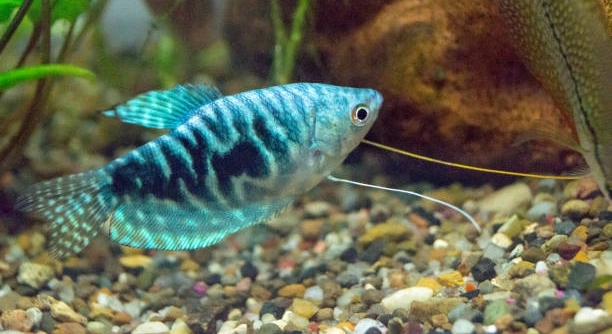
Gouramis are popular freshwater fish often kept in home aquariums. They have unique behaviors and are known to adapt to their surroundings. Understanding how they respond to changes in their tank is important for their care.
Gouramis can recognize changes in their tank environment through visual, chemical, and tactile cues. They react to new objects, rearranged decorations, or altered water conditions by adjusting their behavior to acclimate and reduce stress.
Knowing how gouramis sense tank changes helps you create a stable and comfortable home for them. This article explores key factors behind their recognition and adaptation process.
How Gouramis Notice Changes in Their Tank
Gouramis rely heavily on their senses to understand their surroundings. When something new is added or moved in the tank, they notice through sight and smell. Their eyes catch changes in colors or shapes, while their skin senses shifts in water chemistry. Even small adjustments, like moving a plant or decoration, can alert them. These fish are naturally curious but also cautious. They may swim more slowly or hide at first, trying to figure out if the change is safe. Water quality is another factor gouramis monitor closely. Changes in temperature, pH, or cleanliness affect how comfortable they feel. Since gouramis breathe both air and water, they can detect differences in oxygen levels too. Their behavior will often reflect their level of comfort or stress as they get used to the new environment.
Recognizing these cues helps gouramis stay safe and healthy in their tank habitat.
When gouramis sense change, they might explore the area more carefully or temporarily avoid it. Over time, most adjust and return to their normal activities, showing how adaptable they can be.
Tank Changes That Affect Gourami Behavior
Physical rearrangements like moving plants or rocks can make gouramis uneasy at first. Sudden changes in water temperature or chemistry also impact them deeply.
Even small shifts in their environment can cause stress, leading to hiding or reduced activity. Gouramis prefer stability but will gradually adapt if changes are not too extreme. For example, adding a new decoration might cause hesitation, but curiosity will eventually win. Sudden water parameter changes, such as a drop in temperature, can weaken their immune system and lead to illness. Keeping water clean and stable is essential to avoid these issues. Gradual transitions, like slowly adjusting temperature or pH, allow gouramis to cope better. Watching their behavior closely after any tank change helps catch problems early. In general, maintaining a consistent and safe environment keeps gouramis comfortable and thriving. It’s a simple but effective way to care for these sensitive fish and ensure their well-being over time.
Signs Gouramis Show When They Notice Changes
Gouramis often change their behavior when they detect something new in their tank. They may hide more, swim cautiously, or stay near familiar spots. These signs help signal they are processing the change.
Some gouramis become less active, spending time near plants or decorations they recognize. Others may stop eating briefly while they adjust. Increased hiding is common, as it makes them feel safer. Gouramis can also become more territorial or display unusual swimming patterns when disturbed by new objects or water changes. These behaviors usually lessen after they become familiar with the environment again. Watching for these signs is important to ensure they aren’t overly stressed. Stress over long periods can affect their health. By noticing these changes early, you can help create a calmer space for your gourami to feel secure.
Overall, these responses show gouramis are sensitive and aware of their surroundings, needing time to adapt when things change.
How to Help Gouramis Adjust to Tank Changes
Introducing changes slowly is the best way to reduce stress for gouramis. Sudden moves or water shifts can cause discomfort and health problems.
When adding new decorations or plants, place them gradually and avoid overcrowding the tank. Keep water parameters steady by testing temperature, pH, and hardness regularly. If you must make changes, do so in small steps over several days. For water changes, replace only a portion at a time to prevent shocking your fish. Providing plenty of hiding spots helps gouramis feel safe during adjustments. Observing their behavior lets you know if they are coping well or need more time. This careful approach helps gouramis settle quickly and stay healthy, showing respect for their sensitivity and natural habits. Consistency and patience create a better environment for these delicate fish.
Common Tank Changes That Gouramis Notice
Gouramis easily notice new decorations, plants, or tankmates. These changes can make them cautious or curious.
Water quality changes like temperature or pH shifts are also quickly detected and affect their comfort and behavior.
Adjusting to New Tankmates
Introducing new fish can cause stress for gouramis. They may act shy or aggressive at first. It’s important to monitor interactions closely.
Gradual introductions and providing hiding places help reduce conflicts and allow gouramis to adapt peacefully to new companions.
Impact of Water Parameter Changes
Sudden changes in water temperature, pH, or hardness can upset gouramis’ balance. Stability is key for their health and stress levels.
Regular testing and slow adjustments keep the environment safe, allowing gouramis to stay comfortable and avoid illness.
Monitoring Gourami Behavior
Watch for signs like hiding, loss of appetite, or unusual swimming. These indicate stress or discomfort with changes.
FAQ
Can gouramis remember their tank layout?
Gouramis have a good sense of their surroundings and can remember the layout of their tank. They use visual landmarks like plants, rocks, and decorations to navigate and feel safe. When the layout changes, they may take some time to relearn the space, showing signs of hesitation or searching for familiar spots.
How long does it take for gouramis to adjust to tank changes?
Adjustment time varies but usually takes a few days to a week. Small changes, like adding a decoration, might only cause brief curiosity or caution. Larger changes, such as new tankmates or water shifts, can require more time. Patience and observing their behavior help ensure they are settling well.
Do gouramis get stressed from frequent tank changes?
Yes, frequent or sudden changes can stress gouramis. They thrive in stable environments. Stress shows through hiding, loss of appetite, or unusual behavior. To avoid this, make changes slowly and limit how often the tank setup or water conditions are altered.
Can gouramis recognize their owners or humans?
Gouramis can recognize movement and sometimes associate their owner with feeding or care. While they don’t form strong bonds like some pets, they show curiosity and may swim to the front of the tank when a familiar person approaches.
Is it harmful to rearrange the tank frequently?
Frequent rearranging can confuse and stress gouramis. They rely on stable surroundings to feel safe. If you like changing the tank’s look, do it gradually and avoid moving too many things at once. This helps gouramis adjust without becoming anxious.
What are the signs that a gourami is stressed from tank changes?
Common signs include hiding more than usual, reduced eating, erratic swimming, or color fading. They may also show aggression or lethargy. Monitoring these signs early allows you to take action, such as improving water quality or providing more hiding spots.
How can I make tank changes less stressful for gouramis?
Introduce changes slowly, such as adding new plants or decorations over several days. Keep water parameters stable by testing regularly. Provide plenty of hiding places and maintain a calm environment. Watching gouramis closely helps you know when to pause or adjust your plans.
Do gouramis react differently to changes based on their species?
Yes, different gourami species can react differently. Some are more territorial and sensitive, while others are more adaptable. Knowing your specific species’ behavior helps in managing tank changes to suit their needs better.
Will adding new plants help gouramis adjust to a new tank?
New plants can provide comfort by creating hiding spots and familiar textures. Live plants also improve water quality, making the environment healthier. Adding plants gradually can help gouramis feel more secure in a new or changed tank.
How important is water quality when changing the tank setup?
Water quality is crucial. Even small changes in temperature, pH, or cleanliness can stress gouramis. Maintaining consistent water parameters during tank changes supports their health and reduces adjustment time.
Can gouramis sense changes in water flow or current?
Yes, gouramis can detect changes in water flow. Sudden increases in current or pump strength may cause them to hide or avoid certain areas. Keeping water movement gentle and stable helps gouramis stay comfortable.
What should I do if my gourami refuses to eat after a tank change?
Loss of appetite is common during adjustment. Keep feeding small amounts and maintain good water quality. If the refusal lasts more than a few days, check for other stress signs or health issues. Providing hiding spots can help them feel safer and encourage eating.
Do gouramis need more hiding spots after a tank rearrangement?
Yes, hiding spots help reduce stress after changes. Gouramis use these places to feel secure while they get used to new surroundings. Adding plants, caves, or decorations can support their well-being during transitions.
Can lighting changes affect gouramis’ behavior after a tank rearrangement?
Changes in lighting can affect their activity and stress levels. Gouramis prefer moderate lighting with some shaded areas. Sudden bright or dim lighting may cause them to hide or become inactive. Adjust lighting gradually if needed.
Are younger gouramis more sensitive to tank changes than older ones?
Younger gouramis can be more sensitive as they are still learning about their environment. Older gouramis tend to be more settled but can still get stressed from major changes. Both benefit from gradual adjustments and stable conditions.
Gouramis are sensitive fish that notice changes in their tank environment. They rely on their senses to recognize new decorations, water shifts, and even new tankmates. Because of this, sudden or frequent changes can cause stress, making them hide or eat less. Understanding how gouramis react helps aquarium owners create a better space for them. A calm, stable environment encourages gouramis to stay healthy and show their natural behaviors. It is important to remember that these fish need time to adjust when changes happen, and rushing this process can harm their well-being.
Creating a comfortable tank for gouramis means paying close attention to water quality and layout. Water temperature, pH, and cleanliness should stay consistent, especially during changes. Adding new plants or decorations should be done slowly to avoid overwhelming the fish. Providing plenty of hiding spots lets gouramis feel safe as they explore new surroundings. Watching their behavior closely after any change is also key. If they hide too much or stop eating, it may mean they need more time or the change was too sudden. Keeping the tank stable and gentle during transitions helps gouramis adapt with less stress.
In summary, gouramis are aware of their environment and can recognize when things change. They respond with caution and sometimes stress but usually adjust if given time and care. Aquarium owners can support this by making slow, thoughtful changes and maintaining steady water conditions. By paying attention to gouramis’ reactions, it is possible to provide a peaceful home where they can thrive. This understanding leads to a healthier, happier fish and a more enjoyable aquarium experience.

Hello,
If you enjoy the content that we create, please consider saying a "Thank You!" by leaving a tip.
Every little bit helps us continue crafting quality advice that supports the health, happiness, and well-being of pets around the world, for pets of all shapes, sizes, and species.
We really appreciate the kindness and support that you show us!