
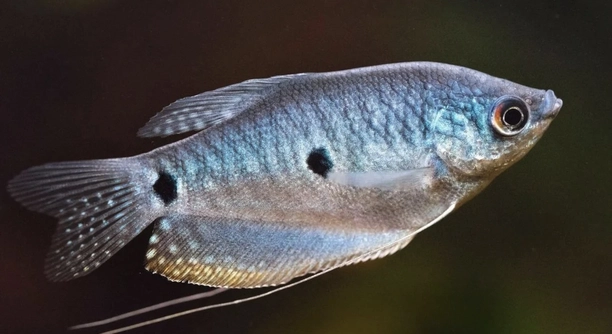
Gouramis are popular freshwater fish known for their peaceful nature and interesting behaviors. Many fish owners notice their gouramis act differently around feeding time. Understanding these patterns can help improve care for these unique pets.
Gouramis can learn to anticipate feeding times by recognizing routine cues, such as the presence of their owner or specific sounds. This learned behavior shows their ability to associate environmental signals with food availability.
Observing these behaviors can enhance the bond between owner and fish while ensuring timely and appropriate feeding practices.
How Gouramis Recognize Feeding Time
Gouramis tend to notice patterns in their environment. Over time, they begin to associate specific signals with feeding. For example, the sound of a food container opening or the sight of a person approaching the tank can trigger their anticipation. This behavior comes from their natural ability to learn and adapt to routines. In a home aquarium, feeding often happens at the same time every day. Gouramis pick up on this regularity and prepare themselves by becoming more active or swimming near the surface. This is not instinct alone but a learned response. Observing their daily habits can reveal how sensitive they are to these cues. Many fish owners find this fascinating because it shows a form of intelligence and memory in their pets.
This learning helps gouramis survive better by ensuring they don’t miss meals. They rely on routine signals to get ready for feeding.
Watching your gourami’s behavior at feeding time can also give you clues about their health and well-being. If they stop responding, it might indicate stress or illness. Paying attention to these details helps maintain a healthy tank environment.
Why Routine Matters for Gouramis
Consistency in feeding schedules builds trust and reduces stress in gouramis. They feel secure when their environment is predictable. Irregular feeding can confuse them, leading to anxiety or decreased activity.
A regular feeding routine allows gouramis to regulate their metabolism and energy use. When they know when food is coming, they are less likely to overeat or become aggressive toward tank mates. Keeping a strict schedule also helps prevent water quality issues caused by leftover food. By sticking to specific times, owners make sure the fish get enough nutrition without overfeeding. This simple approach promotes a balanced and healthy life for gouramis in captivity. Consistent care supports their natural behaviors and helps create a peaceful aquarium environment.
Signs Gouramis Show When They Expect Food
Gouramis become more active and swim closer to the tank surface when they anticipate feeding. They often follow the movement of their owner or the sound of food preparation. These behaviors indicate their recognition of feeding time and readiness to eat.
This anticipation develops as gouramis learn to associate environmental signals with food. They might dart around the tank or gather near the feeding area. Their color may also appear brighter, showing excitement. These actions help them prepare mentally and physically for feeding, ensuring they don’t miss their meal. It’s interesting to see how responsive they become to daily routines.
If feeding is delayed, gouramis might display restless behavior or swim repeatedly near the surface. This reaction shows how strongly they rely on consistent timing. Understanding these signs can help you adjust feeding habits and better care for your fish’s needs.
Training Gouramis to Recognize Feeding Times
Regularly feeding gouramis at the same time each day helps reinforce their internal schedule. Using the same signals, like tapping the tank or shaking the food container, makes them more responsive. This repetition creates a predictable environment.
Gouramis quickly learn to associate these cues with food, improving their anticipation. Consistent routines reduce stress and encourage healthier eating patterns. Training also makes feeding easier since your fish will be ready and waiting. Avoid sudden changes to feeding times, as this can confuse gouramis and cause unwanted behavior. Patience is key; gradual adjustments work best if changes are needed.
By establishing clear feeding cues and times, you foster a sense of security and routine. This benefits both the fish and the owner, creating a smoother feeding experience.
Impact of Feeding Time on Gourami Behavior
Feeding time routines affect how gouramis behave daily. When fed regularly, they stay calm and active.
Irregular feeding can cause stress, making gouramis restless or aggressive. A stable schedule helps maintain peace in the tank.
Environmental Factors That Influence Feeding
Lighting, tank activity, and water quality all affect gouramis’ feeding responses. Bright lights or loud noises can make them shy away from food. Clean, quiet environments encourage natural feeding behavior and better anticipation of meal times.
Avoiding Overfeeding Your Gouramis
Overfeeding can harm gouramis by polluting the water and causing obesity. Feed only what they can eat in a few minutes to keep them healthy.
How do gouramis know when it’s feeding time?
Gouramis learn to recognize feeding time by observing patterns in their environment. They associate specific cues like the sound of food being poured, the presence of their owner near the tank, or a particular routine with the arrival of food. Over time, these signals become triggers that prompt them to get ready to eat. This shows their ability to learn from repeated events rather than just relying on instinct.
Can gouramis get stressed if feeding times change?
Yes, gouramis can become stressed if their feeding schedule is irregular. They thrive on routine and predictability. Sudden changes or missed meals may cause them to swim anxiously or hide more often. Keeping a consistent feeding time helps maintain their comfort and reduces stress, making them more active and healthier overall.
How often should I feed my gouramis?
Most gouramis do well with feeding once or twice a day. Feeding small amounts that they can consume within two to three minutes is best. Overfeeding can lead to poor water quality and health issues. Stick to a regular schedule so gouramis learn when to expect food and avoid overeating.
What are signs that my gourami is hungry?
Hungry gouramis become more active near the surface or follow movements around the tank. They might dart quickly or swim eagerly when food is nearby. Sometimes, they display brighter colors or increase their activity levels just before feeding time, indicating anticipation.
Can I train my gouramis to eat at specific times?
Yes, by feeding at the same times daily and using consistent signals like tapping the tank or shaking the food container, gouramis learn to expect meals. This creates a routine that helps them recognize feeding time. It may take a few days, but patience and consistency work well.
What should I do if my gourami doesn’t come to eat?
If your gourami ignores food, check the water conditions and temperature first. Poor water quality or stress can reduce appetite. Also, ensure you’re feeding suitable food and that the fish isn’t sick. Sometimes, changing feeding times slightly or offering different types of food can help stimulate interest.
Is it okay to feed gouramis at irregular times on weekends or holidays?
Try to keep feeding times as consistent as possible, even on weekends. Irregular feeding can confuse gouramis and cause stress. If schedules must change, do so gradually or keep feeding within a narrow time window to maintain their routine.
Can gouramis survive without food for a day or two?
Gouramis can survive short periods without food, like a day or two, but it’s not ideal to make this a habit. Extended fasting can weaken their immune system and cause stress. Regular feeding supports their health and helps them stay active.
How does tank lighting affect gouramis’ feeding behavior?
Lighting influences gouramis’ activity levels. Bright or sudden lights may scare them and reduce feeding response. Using consistent, gentle lighting helps them feel secure and ready to eat. Gradual changes in light during feeding time can support natural behaviors.
Are there signs that I am overfeeding my gouramis?
Yes, leftover food on the tank bottom, cloudy water, and sluggish fish are common signs of overfeeding. Overfed gouramis may also gain excess weight and develop swim problems. Feeding small portions and removing uneaten food quickly helps avoid these issues.
What types of food do gouramis prefer?
Gouramis enjoy a variety of foods like flakes, pellets, frozen or live brine shrimp, and bloodworms. Offering a balanced diet ensures they get all necessary nutrients. Rotate food types to keep them interested and healthy.
How long does it take for gouramis to learn feeding cues?
Most gouramis respond to feeding cues within a few days to a week. Consistency and repetition help speed up learning. The more routine and clear the signals, the faster they will anticipate feeding time.
Should I feed gouramis differently if I have multiple fish?
Yes, feeding multiple gouramis requires attention to ensure all get enough food without overfeeding. Spread food evenly across the tank and observe their behavior. Sometimes, more dominant fish may eat first, so feeding smaller amounts multiple times a day can help.
Can stress affect a gourami’s ability to predict feeding time?
Stress from poor water quality, aggressive tank mates, or sudden changes can reduce a gourami’s interest in feeding and their ability to learn routines. Maintaining a calm environment and stable conditions supports their natural behavior and improves feeding response.
Is it normal for gouramis to beg for food?
Yes, begging behaviors like swimming near the surface or following movements near the tank are normal. This is their way of showing they recognize feeding time. However, it’s important not to overfeed just because they appear eager.
Gouramis are quite smart when it comes to feeding time. They learn to recognize patterns and signals from their environment, such as the sound of food or their owner approaching the tank. This ability to anticipate meals shows that gouramis rely on routine and memory, not just instinct. When they know when to expect food, they become more active and alert, making feeding time smoother for both the fish and the owner. This behavior also reflects how important a stable schedule is for their well-being. A consistent routine helps gouramis feel secure and reduces their stress levels.
Keeping a regular feeding schedule is key to maintaining your gouramis’ health. When feeding times are predictable, gouramis are less likely to become anxious or restless. They respond better to their environment and are more likely to eat the right amount of food. Overfeeding or irregular feeding can lead to problems like poor water quality or health issues. By feeding them small amounts at set times, you help avoid these problems and promote a balanced lifestyle for your fish. A steady routine not only supports their physical health but also encourages natural behaviors, making your aquarium more peaceful.
It’s also important to pay attention to your gouramis’ behavior around feeding time. Their movements and reactions can tell you a lot about how they are feeling. If they stop responding to feeding cues, it could mean they are stressed or unwell. On the other hand, healthy gouramis will eagerly approach food and display signs of excitement. Watching these signs closely helps you adjust feeding practices and improve care. Overall, understanding how gouramis predict feeding time can lead to better habits and a happier tank environment for your fish.

Hello,
If you enjoy the content that we create, please consider saying a "Thank You!" by leaving a tip.
Every little bit helps us continue crafting quality advice that supports the health, happiness, and well-being of pets around the world, for pets of all shapes, sizes, and species.
We really appreciate the kindness and support that you show us!