
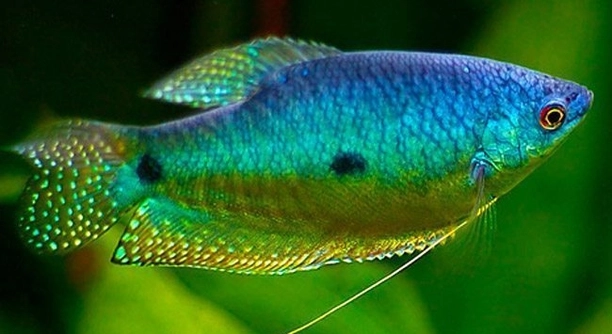
Gourami fish are a popular choice for aquarium enthusiasts due to their colorful appearance and unique behavior. Understanding their care needs is essential to ensuring their health and well-being in your home aquarium.
Gourami fish can survive without an air pump if their tank has adequate surface agitation. They are labyrinth fish, meaning they can extract oxygen directly from the air. However, proper tank maintenance is still necessary for their overall health.
Maintaining a balanced environment for your gourami fish is crucial. By ensuring sufficient oxygen levels and proper tank conditions, you can create a healthy and thriving space for them.
Can Gourami Fish Survive Without an Air Pump?
Gourami fish are known for their ability to thrive in aquariums with or without an air pump. These fish are unique because they possess a labyrinth organ, which allows them to breathe air directly from the surface. While air pumps are typically used to maintain oxygen levels in tanks, gourami fish can adapt to environments with lower oxygen levels, as long as the tank has good surface agitation. However, this doesn’t mean that an air pump isn’t beneficial. In fact, it can improve water circulation and help maintain a balanced ecosystem in the tank, which supports overall fish health.
Without an air pump, it’s still important to ensure that your tank has adequate surface movement. This can be achieved by using other methods, such as a filter with water flow, or strategically placing decorations to create water currents.
In smaller or heavily planted tanks, gouramis may manage without an air pump for a period, but the water must still be kept clean. Maintaining water quality by performing regular water changes is vital. Ensuring the tank is free from excess waste and debris helps create a healthier environment for your gourami fish.
How to Create a Healthy Tank Without an Air Pump
To keep gouramis happy in a tank without an air pump, focus on maintaining proper filtration.
A good filter helps to maintain water quality by removing waste and promoting surface agitation. Without an air pump, this becomes even more critical. You should also monitor the water temperature, as gouramis are sensitive to extreme changes. Keeping the water temperature stable between 72°F and 82°F ensures your fish are comfortable. Additionally, avoid overfeeding your gouramis, as leftover food can cause water quality to decline quickly.
You can also improve water movement by using decorations or plants that encourage natural flow. Positioning objects like rocks or plants near the surface can help the water circulate, providing your gourami with access to oxygen. Regular tank maintenance, including cleaning the filter and checking the water quality, will also ensure that your fish remain healthy and stress-free.
What Happens If You Don’t Use an Air Pump?
Without an air pump, oxygen levels in the tank may decrease, which can lead to stress for your gourami fish. They may swim to the surface more often in search of air. This can be a sign that their environment is lacking sufficient oxygen.
Although gouramis can adapt to lower oxygen environments, their overall health can decline without proper aeration. You may notice symptoms like lethargy, poor appetite, or even rapid breathing. Maintaining the right balance of water movement and regular cleaning can reduce these issues. However, without an air pump, the long-term impact on your fish’s health is uncertain.
Additionally, stagnant water can increase the risk of harmful bacteria and algae growth. The lack of water movement can cause debris to settle, creating an unhealthy tank environment. Regular water changes and a quality filter are essential to prevent this. A small investment in an air pump can make a significant difference in ensuring your gourami’s health.
Alternatives to Air Pumps
If you prefer not to use an air pump, there are a few alternatives to maintain water circulation.
A good filter can provide surface agitation, which helps oxygenate the water. Look for filters with adjustable flow rates to suit your tank’s size. You can also use sponge filters, which are gentle on fish and still provide adequate oxygenation without the need for a traditional air pump.
Adding aquatic plants is another effective alternative. Plants naturally release oxygen during photosynthesis, and their movement in the water can help with aeration. Fast-growing plants like Anubias and Java Fern are particularly helpful in maintaining a balanced tank environment. Moreover, plants can also help absorb excess nutrients, keeping the water cleaner.
Finally, strategically placing rocks or decorations that create water flow can simulate the effects of an air pump. This helps in maintaining surface agitation and provides a more natural look for the aquarium. By using these methods, you can successfully care for gourami fish without the need for an air pump.
How to Tell If Your Gourami Needs More Oxygen
If your gourami starts swimming near the surface frequently or appears to be gasping for air, it may need more oxygen. This behavior can be an indication that the water lacks sufficient oxygen, especially in a tank without an air pump.
Another sign to look for is if your gourami becomes more lethargic than usual. If it seems to have less energy and is less active, it might be struggling to get enough oxygen. These signs suggest that you may need to adjust your tank setup or consider adding a source of oxygen.
Maintaining Proper Water Quality Without an Air Pump
Maintaining water quality is crucial when you don’t use an air pump. Without proper aeration, waste and excess food can accumulate more easily, leading to poor water quality.
Regular water changes are essential, aiming for 25-30% every week. This helps dilute any toxins in the water. Along with water changes, ensure your filter is functioning well. Filters help remove debris and provide some water movement to mimic the effects of an air pump. Cleaning the filter regularly will keep it working efficiently.
Additionally, testing the water for ammonia, nitrites, and nitrates can help ensure that the environment is safe for your gourami. Monitoring water parameters closely is necessary to avoid stress or illness.
Importance of Surface Agitation
Surface agitation helps provide oxygen to the water. In tanks without an air pump, surface agitation is even more critical.
You can achieve this by positioning a filter or adding rocks to encourage movement. Creating even slight ripples at the surface helps your gourami fish get the oxygen they need to thrive.
FAQ
Can gourami fish live without a filter?
Yes, gourami fish can survive without a filter, but it is not ideal. While gouramis are labyrinth fish and can breathe air, the absence of a filter means the water won’t be properly cleaned, leading to poor water quality. Without a filter, you’ll need to be more diligent with regular water changes to maintain the tank’s health. You’ll also need to ensure that there’s enough water movement to help oxygenate the water.
Do gourami fish need a heater?
Gourami fish thrive in warm water, so a heater is recommended. They prefer temperatures between 72°F and 82°F (22°C to 28°C). If the water is too cold, it can cause stress, making the fish more susceptible to disease. A stable temperature is important to keep your gourami healthy and comfortable.
How often should I clean my gourami’s tank?
You should clean your gourami’s tank every 1-2 weeks, depending on the size of the tank and the number of fish. Perform partial water changes (25-30%) during each cleaning. Additionally, remove any excess food and debris to prevent water quality from declining. Always clean your filter every few weeks to ensure it’s functioning properly.
Can gourami fish live with other fish?
Gourami fish can live with other peaceful fish, but it’s important to avoid overly aggressive species. They are generally non-aggressive but can be territorial, especially during breeding. Some good tank mates include tetras, mollies, and other community fish that are not too large or too active.
Are gourami fish easy to care for?
Yes, gourami fish are relatively easy to care for, making them a good choice for beginner fishkeepers. They don’t require too much attention but do need a stable environment, proper water parameters, and a clean tank. Regular water changes and monitoring their behavior will keep them happy.
Why is my gourami swimming at the surface?
Gouramis are labyrinth fish, meaning they can breathe air. Swimming near the surface is normal for them, especially if the water quality is good. However, if your gourami is swimming at the surface more than usual or is gasping for air, it could indicate low oxygen levels or poor water quality.
What kind of food should I feed my gourami?
Gouramis are omnivores, so you can feed them a variety of foods, including flakes, pellets, frozen or live foods, and vegetables like zucchini or peas. They enjoy a balanced diet that includes both plant-based and protein-rich foods. Make sure to feed them small amounts and avoid overfeeding to prevent water pollution.
How do I know if my gourami is stressed?
Stressed gouramis may show signs like hiding, lethargy, loss of appetite, or abnormal swimming patterns. Stress can be caused by poor water quality, overcrowding, or incompatible tank mates. If you notice these signs, check the water parameters and ensure your tank setup is suitable for your gourami’s needs.
How long do gourami fish live?
Gourami fish typically live for 4-6 years, though some can live longer with proper care. Factors like water quality, tank conditions, and diet can influence their lifespan. To help your gourami live a long and healthy life, maintain a stable environment and feed them a balanced diet.
Do gourami fish require special lighting?
No, gourami fish do not require special lighting. However, providing a consistent day-night cycle with a reliable light source is important for their overall well-being. They do well with low to moderate lighting, and it’s a good idea to use a timer for your aquarium light to regulate their day and night cycle.
Why is my gourami’s color fading?
Color fading in gourami fish can be a sign of stress, poor water quality, or an illness. Ensure that your tank is clean, and your water parameters are correct. Stress can also be caused by aggressive tank mates or sudden changes in water temperature. If the fading persists, consult a veterinarian.
Can I breed my gourami fish in my tank?
Yes, gourami fish can breed in a tank if the conditions are right. They require a breeding pair, and you’ll need to provide a separate breeding area like floating plants for the eggs. The male will build a bubble nest at the surface, and once the female lays eggs, the male will guard them until they hatch. Be prepared to separate the parents from the fry once they hatch.
What is the best tank size for gourami fish?
A minimum tank size of 20 gallons is recommended for a single gourami fish. If you plan on keeping multiple gouramis or other species, a larger tank is needed to ensure that the fish have enough space to swim and establish territories. More space also helps maintain better water quality.
Can gourami fish live in freshwater only?
Yes, gourami fish are freshwater fish and should be kept in freshwater tanks. They are not suited for saltwater environments. Maintaining the proper water parameters is essential, and adding aquarium salt can help in some cases, but it should only be used in moderation and not as a substitute for proper care.
Do gourami fish need plants in their tank?
While not absolutely necessary, plants are highly beneficial for gourami fish. Live plants provide hiding spots, oxygenate the water, and contribute to a more natural environment. Gouramis, especially the more peaceful varieties, enjoy having plants to explore and take shelter in. Be sure to choose plants that are easy to care for and won’t overrun the tank.
How can I tell if my gourami is male or female?
Male gouramis are typically more colorful and have longer, more vibrant fins compared to females. Females are usually more subdued in color and have shorter fins. During breeding season, males will build bubble nests and display more vibrant colors to attract females.
Can gourami fish jump out of the tank?
Yes, gourami fish are known to jump, especially if they feel threatened or stressed. To prevent them from escaping, make sure your tank has a secure lid or cover. This will help keep your gourami safe and prevent them from jumping out of the water.
Final Thoughts
Gourami fish are generally hardy and adaptable, making them a popular choice for both beginner and experienced aquarium enthusiasts. While they can survive without a filter, it’s essential to maintain good water quality through regular changes and cleaning. Without proper filtration, the water can quickly become toxic, stressing your fish and potentially leading to health problems. For gouramis to thrive, the tank environment should be stable, with a proper heater to maintain the ideal temperature range and enough space to swim freely. Regular monitoring of water parameters is key to keeping your gourami happy and healthy.
Despite being able to live without a filter, gourami fish benefit from a well-maintained tank with a balanced ecosystem. Since they are labyrinth fish, they can breathe air from the surface, but this doesn’t mean they should be kept in stagnant water. A slow, gentle water movement in the tank is ideal, as it replicates their natural habitat, where they typically swim in calm waters with minimal current. It’s also worth considering other factors, like tank mates, as aggressive fish can stress gouramis, leading to unhealthy behavior or even injury. Carefully selecting tank mates that share similar needs can create a peaceful and harmonious environment.
In conclusion, while gourami fish are resilient, providing them with an environment that mimics their natural habitat will help them live a long and healthy life. Regular tank maintenance, proper filtration, and an appropriate heater are essential in creating a space where your gourami can thrive. By focusing on these aspects, you’ll not only ensure your fish are comfortable but also enjoy watching them grow and display their natural beauty. With the right care, your gourami can live a fulfilling life in your aquarium, becoming a charming and peaceful addition to your aquatic world.

Hello,
If you enjoy the content that we create, please consider saying a "Thank You!" by leaving a tip.
Every little bit helps us continue crafting quality advice that supports the health, happiness, and well-being of pets around the world, for pets of all shapes, sizes, and species.
We really appreciate the kindness and support that you show us!