
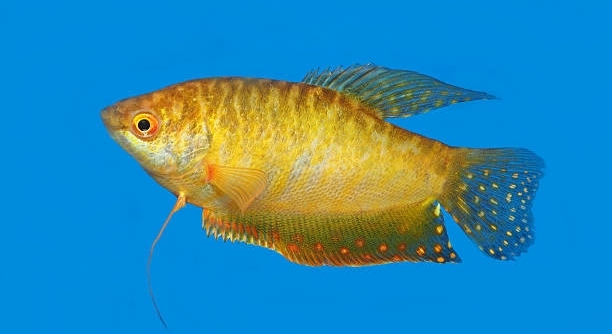
Betta fish are well-known for their vibrant colors and bold personalities. Many aquarium enthusiasts often wonder if they can house a Betta alongside other fish species, such as the peaceful Gourami.
Gourami and Betta fish should not be kept together in the same tank due to the Betta’s territorial and aggressive nature. While Gourami fish are generally peaceful, their size and movement can trigger the Betta’s aggressive behavior, leading to fights.
Understanding the dynamics between these two species is essential for maintaining a peaceful aquarium environment. Let’s explore why Betta fish and Gourami might not be the best tankmates and what alternatives you can consider for a harmonious setup.
Why Betta Fish Are Aggressive Toward Gourami
Betta fish are known for their territorial nature. In the wild, they often defend their space from other fish, especially other males. When placed in the same tank, Betta fish may perceive the Gourami as a threat, especially if the Gourami is of a similar size or color. This aggressive behavior can cause harm to both fish, as Betta fish might chase or nip at the Gourami, leading to stress or injury.
While Gourami are generally peaceful, their presence in the tank can trigger the Betta’s defensive instincts. Betta fish will often attack anything they perceive as an intruder, even other fish of similar appearance. This behavior becomes more pronounced in smaller tanks where the Betta may feel cramped and more defensive. In larger tanks, where the fish have more space to establish their own territories, the chances of aggression might decrease but not entirely disappear.
Setting up the right tank environment is key to reducing aggression. It’s essential to give each fish enough space and hiding spots, but even then, a Betta and Gourami might not get along.
Signs of Stress in Both Fish
Gourami and Betta fish can show clear signs of stress when kept together. These include hiding, decreased appetite, and rapid swimming patterns.
Stress can weaken the fish’s immune system, leading to potential health issues. For the Betta, signs of aggression may include flaring its fins and chasing the Gourami. Gourami might hide in a corner of the tank to avoid the Betta. Prolonged stress can lead to serious health problems in both species.
How to Prevent Aggression Between Betta and Gourami
If you still wish to house a Betta and Gourami together, careful consideration is necessary. The tank size should be large, ideally 30 gallons or more, to give both fish plenty of space. Include many hiding spots and decorations, such as plants or caves, where each fish can retreat if needed. Additionally, adding tank mates that are larger or of different shapes might help distract the Betta from the Gourami, reducing potential conflicts.
Another approach is to introduce the fish gradually. If you have a Betta and want to add a Gourami, it’s better to let the Betta get used to the new environment first. Introducing the Gourami slowly, while maintaining a close watch for any aggressive behaviors, can sometimes work if the fish are not overly territorial.
However, despite all precautions, there’s still a risk that the Betta will display aggression. For peace of mind, consider keeping them in separate tanks or selecting different fish species entirely to avoid unnecessary stress.
Tank Setup for Betta and Gourami
Creating the right environment is essential to reduce aggression. The tank should be large enough to provide separate territories, with plenty of plants and hiding spots. A tank size of at least 30 gallons is recommended, as this gives each fish the space they need to establish boundaries.
A well-planted tank with natural decorations like rocks and driftwood helps break up the space and reduce direct confrontations. Betta fish tend to be more aggressive when they feel cramped or threatened. Adding plants like floating or tall ones can provide visual barriers that make the environment feel more secure for both species. Additionally, a calm filter and proper water conditions are crucial for their well-being.
The placement of tank decorations should also be strategic. Try to set up hiding places for each fish, especially for the Gourami, which may need to retreat from an aggressive Betta. Avoid open spaces where the Betta might feel threatened and more likely to chase the Gourami.
Water Conditions for Both Fish
Water quality plays a vital role in the health of both Betta fish and Gourami. Both species thrive in warm water, usually between 75°F and 80°F. They also prefer slightly acidic to neutral water, with a pH range of 6.5 to 7.5. Ensuring proper water parameters can minimize stress and prevent health issues.
Regular water changes are essential to maintain a healthy environment. It’s important to remove waste and any uneaten food, which can pollute the water. Gourami are especially sensitive to water quality changes and will exhibit signs of stress if the water is too dirty or if there are fluctuations in temperature. Similarly, Betta fish require stable conditions, or they can become more aggressive and less active.
Proper filtration is necessary but should be moderate. Strong currents can stress both species, especially Betta fish, which prefer calm waters. A sponge filter is a good option, as it provides gentle filtration without disturbing the water too much.
Betta and Gourami Compatibility with Other Fish
If you’re planning on having multiple fish, it’s important to choose compatible species. Betta fish are best kept with peaceful, non-aggressive fish that won’t provoke them. Gourami are also peaceful but might not fare well with overly active or territorial fish.
The key to a peaceful tank is selecting fish that won’t compete for the same space or intimidate each other. Fish like Corydoras catfish, neon tetras, or guppies can often coexist peacefully with both Betta and Gourami. These fish are small, calm, and won’t trigger the Betta’s aggression. However, avoid species that resemble Betta in size and color, as they might provoke unnecessary territorial behavior.
It’s essential to observe the behavior of all fish and be prepared to separate them if issues arise.
Monitoring Tank Behavior
Regular monitoring of tank dynamics helps in identifying potential problems early. If you notice your Betta aggressively chasing the Gourami or showing signs of stress, it’s best to intervene quickly.
Keeping a close eye on interactions will prevent injuries. Watch for changes in behavior, such as hiding or decreased activity, which are common signs of stress. If the Betta is consistently pursuing the Gourami, it may be necessary to move the aggressive fish or find other solutions to reduce tension.
Alternative Tankmates for Betta and Gourami
If keeping Betta and Gourami together proves challenging, consider other options for both fish. Many peaceful species thrive in the same environment as these two. Fish like the peaceful plecostomus, various tetras, or even peaceful cichlids may work well.
These fish offer similar benefits to the community tank without the risk of constant aggression. While both Betta and Gourami do best with other non-aggressive fish, introducing species with different temperaments can also create a dynamic tank. Ensuring all fish have enough space and resources will help maintain harmony.
FAQ
Can Betta fish and Gourami live together in a tank?
Betta fish and Gourami can sometimes live together, but it’s not always recommended. Betta fish are territorial and may attack other fish, especially if they feel threatened or crowded. Gourami, being peaceful, may not be able to defend themselves from a Betta’s aggression. A large tank with plenty of hiding spots might reduce the risk of fighting, but there’s always a chance that the Betta will still show aggression towards the Gourami. It’s safer to either keep them in separate tanks or choose more compatible tankmates.
How can I prevent aggression between Betta and Gourami?
Preventing aggression starts with creating a peaceful environment. Make sure the tank is large enough, ideally 30 gallons or more, to give both fish enough space to establish their own territories. Adding plants and decorations like rocks, caves, and driftwood can provide hiding spots for the Gourami and break up the space so that the Betta feels less threatened. Ensure that water parameters are stable, as both fish are sensitive to changes. Watching the tank behavior regularly and removing the Betta if aggression occurs can also help.
What size tank do Betta and Gourami need?
The tank should be at least 30 gallons to provide enough space for both fish. A larger tank is ideal as it gives both Betta and Gourami room to establish territories and reduces stress. Smaller tanks can lead to cramped conditions and increase aggression. Also, larger tanks allow for better water quality management, which is crucial for the health of both fish. If you plan to add other tankmates, a bigger tank will be necessary to accommodate everyone comfortably.
What tankmates can I safely keep with Betta fish and Gourami?
Both Betta fish and Gourami are best kept with peaceful tankmates. Fish like Corydoras catfish, neon tetras, or guppies are good choices, as they are small, peaceful, and won’t trigger aggression. Avoid species that resemble Betta fish in size or color, as they may provoke territorial behavior. Additionally, avoid overly active or aggressive species, as they may stress out the Betta and Gourami. Fish that prefer calm waters and have different swimming patterns tend to do best.
Can Betta fish and Gourami both live in the same water conditions?
Yes, both Betta fish and Gourami have similar water requirements. They prefer warm water between 75°F and 80°F and slightly acidic to neutral water, with a pH range of 6.5 to 7.5. Keeping the water temperature stable and ensuring regular water changes will help maintain a healthy environment for both fish. It’s important to also monitor ammonia and nitrite levels in the water, as high levels of these compounds can stress both species and cause health problems.
What are the signs of stress in Betta fish and Gourami?
Stress can show in various ways. For Betta fish, you may notice rapid fin movement, aggression, or hiding. Gourami might become less active, hide more often, or refuse food. If a Betta is chasing a Gourami or displaying its fins aggressively, it’s a sign of stress or territorial behavior. For both species, reduced appetite, unusual swimming patterns, and changes in their coloring can indicate that something is wrong. If you see these signs, it’s important to check the tank setup and water conditions and consider separating the fish if necessary.
How often should I change the water in a tank with Betta and Gourami?
Water changes should be done regularly to keep the tank clean and healthy for Betta and Gourami. A general rule is to change 20-30% of the water every week. In larger tanks, you might be able to do less frequent changes, but it’s still important to monitor water quality. Over time, waste and uneaten food can build up and negatively affect the water quality. In addition to water changes, be sure to clean the substrate and remove any debris to prevent the buildup of harmful substances.
Can Betta and Gourami survive in a smaller tank?
While it is possible to keep both Betta and Gourami in a smaller tank, it’s not ideal. A small tank can lead to overcrowding and increase the likelihood of aggression, especially from the Betta, which is territorial. A 30-gallon tank is the minimum recommended size, but larger tanks are better as they provide more space and allow the fish to have their own territories. Smaller tanks also have less stable water conditions, which can cause stress and health issues for both species.
What should I do if the Betta keeps attacking the Gourami?
If the Betta keeps attacking the Gourami, you should separate them immediately to prevent injury. Moving the Betta to a different tank or rearranging the tank to create more hiding spaces for the Gourami may help reduce aggression. If the aggression persists, it’s best to keep them in separate tanks, as their behavioral issues might not resolve on their own. In some cases, it may be necessary to choose different tankmates altogether for a more peaceful environment.
Are there any other fish that can live with Betta and Gourami?
Yes, there are several other species that can live with Betta and Gourami. Fish like peaceful tetras (e.g., neon or ember tetras), small catfish (e.g., Corydoras), or peaceful snails and shrimp can all thrive in a tank with these species. Be sure to choose fish that are not overly aggressive or too large, as they may stress the Betta and Gourami. It’s essential to choose fish with similar care needs, such as temperature and water condition preferences.
Final Thoughts
Keeping a Betta fish and a Gourami together in the same tank can be tricky. While some aquarists have had success with this pairing, it’s important to remember that Betta fish are naturally territorial and aggressive. Gourami fish, on the other hand, are peaceful and may not be able to defend themselves from a Betta’s attacks. In a smaller tank, the chances of aggression are even higher. A larger tank with plenty of hiding spots and decorations might reduce the risk, but it’s not guaranteed that the Betta will tolerate the Gourami’s presence.
Creating a peaceful tank setup is key to keeping Betta fish and Gourami together. If you decide to house both species in one tank, make sure the tank is large enough—at least 30 gallons or more. Providing plants, rocks, and hiding places can help each fish feel secure and reduce the likelihood of aggression. The water temperature and pH should also be carefully maintained to keep both species healthy. Regular monitoring of their behavior is essential so you can catch any signs of stress or aggression early.
However, it’s worth considering other options if you want to avoid potential conflicts. There are many other peaceful fish species that can coexist with both Betta and Gourami. Tetras, catfish, and small peaceful shrimp are good choices that won’t trigger the Betta’s aggressive tendencies. If you want to ensure a harmonious tank environment, you may want to consider keeping the Betta and Gourami in separate tanks or selecting other compatible tankmates. Ultimately, choosing the right tank setup and monitoring the fish closely will help you create a peaceful aquarium.

Hello,
If you enjoy the content that we create, please consider saying a "Thank You!" by leaving a tip.
Every little bit helps us continue crafting quality advice that supports the health, happiness, and well-being of pets around the world, for pets of all shapes, sizes, and species.
We really appreciate the kindness and support that you show us!