
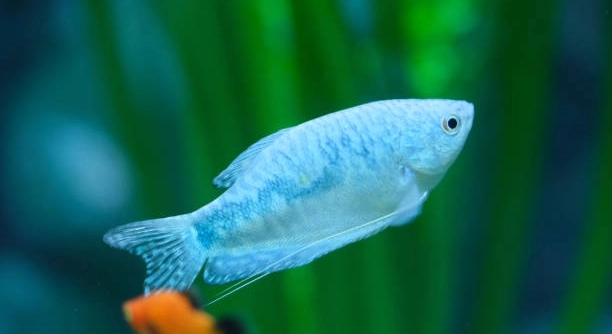
Gourami fish are known for their vibrant colors and calm nature, making them a popular choice among aquarium enthusiasts. However, many pet owners wonder if these beautiful fish can thrive in a simple bowl.
Gourami fish require more space than a bowl can provide. Their need for proper filtration, swimming space, and water quality makes a tank the ideal environment for them. Bowls often lack the necessary conditions for long-term health.
Keeping your gourami in the right environment ensures its well-being and happiness. Understanding the essentials of tank care can make a significant difference in your fish’s health and longevity.
Why Gourami Fish Need More Than a Bowl
Gourami fish thrive in environments that offer enough space to swim and access to clean, oxygenated water. A bowl often lacks the necessary filtration system to keep the water fresh and clear, leading to poor water quality. Over time, stagnant water can create health problems for your fish, affecting their well-being. Gouramis are active swimmers, and a small bowl does not allow for natural movement, leading to stress and a weakened immune system. Additionally, a bowl does not maintain a stable temperature or provide adequate space for hiding or exploring, both of which are essential for your fish’s health.
While it might seem easier to house a fish in a bowl, the benefits of a larger tank are clear. A tank allows for proper filtration, temperature control, and enough space for your fish to stay active and healthy.
When setting up a tank for your gourami, be sure to choose one that provides at least 10 gallons of water. This space allows them to swim freely while maintaining good water quality. A filter will help keep the water clean, and a heater will regulate the temperature. Adding plants and decorations not only creates a more natural environment for your fish but also gives them hiding spots to feel secure.
Tank Size and Setup
Providing a proper tank setup is essential for the health of your gourami. A tank of at least 10 gallons is ideal.
Make sure your tank has a reliable filtration system to remove waste and maintain water clarity. Adding live plants to the tank can help improve the water quality by absorbing nitrates.
Importance of Filtration
Filtration is crucial for keeping the water in your tank clean and safe. A filter helps remove toxins and waste products, preventing harmful buildup. Without a filter, the water will quickly become polluted, leading to unhealthy conditions for your gourami.
A good filtration system works to maintain both water clarity and a healthy environment for your fish. It removes debris, excess food, and waste, preventing the harmful buildup of ammonia and nitrites. These toxins can cause stress and illness in your gourami, reducing their lifespan. Ensure the filter you choose is suitable for your tank size and capacity to maintain optimal water conditions.
In addition to removing waste, the filter also helps with oxygenating the water. Gouramis, like all fish, need oxygen to survive. A properly functioning filter keeps the water moving, ensuring that oxygen reaches all areas of the tank. This is especially important in tanks without aeration systems, where stagnant water can lead to lower oxygen levels.
Maintaining Water Temperature
A stable water temperature is essential for the health of your gourami. Dramatic changes in temperature can cause stress and even shock, leading to illness.
Invest in a reliable aquarium heater to maintain a constant temperature between 74-82°F. Consistency is key when it comes to temperature, as sudden fluctuations can weaken your fish’s immune system. Gouramis are tropical fish, so they require a warm, stable environment to thrive. You should regularly check the water temperature with an accurate thermometer to ensure it stays within the optimal range.
Tank Decorations and Plants
Adding decorations and plants to your tank creates a natural environment for your gourami. Plants provide hiding spots and surfaces for your fish to explore, which helps reduce stress.
Live plants are ideal because they absorb waste products, keeping the water cleaner. They also offer more oxygen, benefiting your gourami’s overall health. When choosing plants, make sure they are safe for fish and can thrive in the temperature and lighting conditions of your tank.
Be careful not to overcrowd the tank with decorations. You want to ensure your fish has enough swimming space. Overly cluttered tanks can make your gourami feel cramped and uncomfortable.
Water Changes
Regular water changes are necessary to maintain a healthy tank. Changing 20-25% of the water every two weeks helps remove accumulated waste and toxins.
Frequent water changes keep your gourami’s environment stable and clean. It’s important to treat tap water with a conditioner before adding it to the tank to remove harmful chlorine and chloramine.
FAQ
Can gourami live in a bowl?
No, gourami fish cannot live in a bowl. Bowls lack proper filtration, temperature control, and enough space for the fish to swim and thrive. Gouramis are best kept in a tank with proper filtration and at least 10 gallons of water. A tank provides the necessary space and water quality for their health and well-being.
What is the ideal tank size for a gourami?
The ideal tank size for a gourami is at least 10 gallons. A tank this size offers enough room for swimming and proper water conditions. Larger tanks are even better, providing more space for your fish and helping maintain stable water quality. A larger tank also reduces the risk of overcrowding, which can stress the fish.
Do gourami fish need a filter?
Yes, gourami fish need a filter to maintain clean and oxygenated water. Filters remove waste, toxins, and debris from the water, keeping it clear and preventing harmful chemical buildup. Without a filter, water quality deteriorates quickly, causing stress and potential illness for the fish. A filter is essential for a healthy tank environment.
What temperature should the water be for gourami fish?
Gourami fish thrive in water temperatures between 74-82°F (23-28°C). Consistent temperature is crucial, as fluctuations can stress the fish and make them more susceptible to illness. Using a reliable heater and thermometer will help maintain the proper temperature in the tank. Keep the water temperature stable for optimal health.
Can gourami fish live with other fish?
Yes, gourami fish can live with other species, but it’s important to choose tank mates carefully. Gouramis are peaceful fish, but they may become territorial if housed with overly aggressive species. Fish like tetras, guppies, and peaceful barbs are good tank mates. Avoid aggressive or fin-nipping fish that may stress your gourami.
How often should I feed my gourami fish?
Feed your gourami fish once or twice a day. Offer small amounts of food that they can eat within 2-3 minutes to prevent overfeeding. A varied diet of high-quality pellets, flakes, and occasional live or frozen foods will ensure your fish gets all the nutrients it needs. Overfeeding can lead to poor water quality and health problems.
How can I tell if my gourami is stressed?
Signs of stress in gourami fish include rapid breathing, erratic swimming, loss of color, and hiding more than usual. Stress can be caused by poor water quality, overcrowding, incompatible tank mates, or sudden changes in the environment. Addressing the source of stress and providing a stable, clean environment will help reduce these symptoms.
Do gourami fish need a lot of light?
Gourami fish do not require strong lighting, as they are used to dimmer, tropical environments. A low to moderate light setting works best for them. Too much light can cause stress and encourage algae growth in the tank. Use a light cycle of 8-10 hours per day to mimic their natural environment.
Can gourami fish survive in cold water?
No, gourami fish are tropical fish and cannot survive in cold water. Water temperatures below 74°F (23°C) can cause stress and weaken their immune system. If you live in a cooler climate, using an aquarium heater is essential to maintain the proper temperature for your gourami. This ensures their long-term health and comfort.
Why is my gourami staying at the surface of the tank?
If your gourami is staying at the surface of the tank, it could be due to low oxygen levels in the water or poor water quality. Gouramis are labyrinth fish and can breathe air from the surface, but this behavior may indicate that the water is not oxygenated enough. Check your filter, aeration system, and water quality to address this issue.
Do gourami fish need a lot of space to swim?
Yes, gourami fish need enough space to swim comfortably. While they do not require as much space as some active fish, they still need a tank large enough for them to move around freely. A 10-gallon tank is the minimum for one gourami, and larger tanks are recommended for multiple fish to avoid overcrowding.
How can I tell if my gourami is sick?
Signs that your gourami may be sick include loss of color, lethargy, unusual swimming patterns, labored breathing, or visible spots or lesions on their body. If you notice any of these signs, it’s important to test the water quality and ensure the tank environment is stable. A visit to a veterinarian or aquatic expert may also be necessary if the symptoms persist.
What type of food should I feed my gourami?
Gouramis are omnivores, so they eat both plant and animal matter. Offer them a variety of high-quality flakes, pellets, and frozen or live foods, such as brine shrimp and daphnia. Plant-based foods, like algae wafers, can also be included in their diet. Ensure you provide balanced nutrition for their overall health.
Can I keep male and female gouramis together?
Yes, you can keep male and female gouramis together, but you should take care to prevent aggression, especially during breeding periods. Male gouramis may become territorial and aggressive toward each other. If you want to breed gouramis, provide plenty of hiding places and a separate breeding tank for the best results.
How long do gourami fish live?
Gourami fish typically live for 4-6 years, though some can live longer with proper care. Their lifespan depends on the quality of their environment, diet, and general health. Maintaining good water quality, stable temperature, and a stress-free tank will help them live a long and healthy life.
What is the best water for gourami fish?
The best water for gourami fish is soft to moderately hard water with a pH level between 6.5 and 7.5. It is important to monitor and maintain these levels, as water conditions outside of this range can cause stress and affect the health of your fish. Regular water testing and adjustments ensure a safe environment for your gourami.
Final Thoughts
Gourami fish are beautiful and peaceful creatures that can thrive in the right environment. However, keeping them in a bowl or any small container is not recommended. They need space to swim and proper water conditions to stay healthy. A well-maintained tank with a good filtration system and stable water temperature is essential for their well-being. Providing the right tank size, environment, and care ensures that your gourami remains healthy and happy for years.
It’s important to remember that a balanced diet is also a key part of keeping your gourami in top condition. Offering a variety of food, including high-quality flakes, pellets, and occasional live or frozen treats, ensures they get the nutrition they need. Overfeeding can cause poor water quality, so it’s best to feed small amounts several times a day. Regular water changes and proper tank maintenance should be part of your routine to ensure a clean and healthy habitat for your gourami.
In conclusion, while keeping a gourami fish can be a rewarding experience, it’s crucial to provide the proper environment and care. Avoiding overcrowding, maintaining stable water quality, and feeding them properly are all vital aspects of caring for these fish. With the right attention to detail, your gourami can thrive and become a beautiful addition to your aquarium. Proper research and preparation will ensure that both you and your fish enjoy a long and healthy relationship.

Hello,
If you enjoy the content that we create, please consider saying a "Thank You!" by leaving a tip.
Every little bit helps us continue crafting quality advice that supports the health, happiness, and well-being of pets around the world, for pets of all shapes, sizes, and species.
We really appreciate the kindness and support that you show us!