
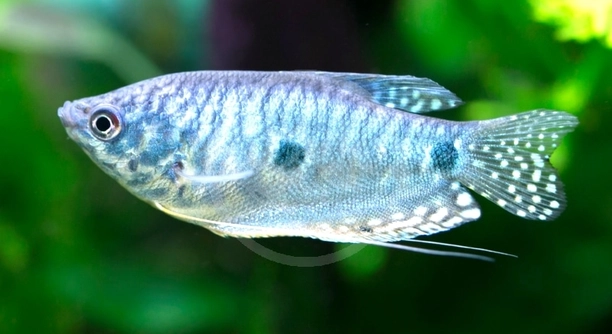
Gouramis are popular freshwater fish often kept in home aquariums. Many people enjoy watching their gentle behavior and bright colors. Some have noticed these fish seeming very close to their owners during feeding or interaction.
Gouramis do not naturally grow attached to humans. While they may become familiar with their caretakers and respond to their presence, they do not physically attach or bond in a way that suggests true attachment like mammals.
Understanding how gouramis interact with humans can help improve your aquarium experience and care for these peaceful fish. There is more to learn about their behavior and how they react to their environment.
How Gouramis Interact with Humans
Gouramis are known for their curious and calm nature. They often swim close to the glass when someone approaches their tank, showing interest in movement or feeding time. This behavior can sometimes look like they recognize the person caring for them. Over time, gouramis may learn to associate a person’s presence with food or safety. However, this recognition is more about routine and less about forming emotional bonds. These fish rely on instincts to survive, not emotions like attachment. Their behavior is driven by environmental cues rather than feelings. Observing gouramis up close can be rewarding because they seem comfortable and responsive, but it is important to remember that their reactions are based on learned responses. While they can seem friendly, they remain independent animals that do not develop emotional connections like mammals or birds.
This curiosity makes them interesting to watch, but it doesn’t mean they are truly attached to humans. Their behavior is practical and survival-based.
Understanding their interactions helps you provide better care and enrich their environment, keeping them healthy and active.
Physical Attachment to Humans
Gouramis do not physically attach to humans in any way. Their body structure and natural habits do not support clinging or sticking to surfaces like some aquatic species. They swim freely in water and use their fins for movement and balance. Any close contact with humans is accidental or brief, usually during feeding or tank maintenance. Unlike species such as remoras, gouramis have no anatomical features that would allow them to cling onto skin or clothing. This means they will never grow attached in a literal, physical sense.
Physical attachment is not part of their biology.
Their interaction is always gentle and temporary, focusing on curiosity or food, not physical bonding.
Why Gouramis Seem Attached
It can feel like gouramis grow attached because they learn to recognize their owners. This recognition comes from routine feeding and the comfort of a stable environment. Gouramis associate their caretakers with safety and food, so they may swim closer when a person approaches. This behavior is a result of conditioning, not emotional attachment. Fish have simple brains and rely on memory and habit. When a gourami responds to your presence, it is usually expecting something positive, like food. This creates an illusion of attachment. In reality, they respond to external stimuli and familiar patterns. Understanding this can help you appreciate their behavior without expecting human-like emotions.
Knowing this will improve how you interact with your fish.
It also reminds you to respect their needs as aquatic animals rather than anthropomorphize them.
Common Misconceptions About Gourami Behavior
Many people think gouramis grow attached to humans like pets such as cats or dogs. This is a common misunderstanding based on their curious nature and habit of swimming close during feeding times. Their behavior is often mistaken for affection, but it is driven by routine and survival instincts.
Gouramis become familiar with their environment and the presence of caretakers through repetition. They quickly learn that a person near the tank usually means food is coming. This learning causes them to approach and watch closely. Their actions are based on habit and expectation, not emotional attachment. Recognizing this helps prevent unrealistic expectations and encourages better care tailored to their needs.
People sometimes misread gourami behavior due to anthropomorphism—assigning human emotions to animals. Understanding the difference between instinct and emotion improves the relationship between fish and their owners. Appreciating their natural behavior enhances the aquarium experience without expecting too much.
How to Build Trust with Your Gourami
Building trust with a gourami involves patience and consistency. Regular feeding times and calm movements near the tank help the fish feel safe. Gouramis respond well to gentle interaction over time, recognizing a familiar presence.
Trust is not the same as attachment but creates a comfortable environment for the fish. Avoid sudden movements or loud noises, as these can stress them out. Speak softly or tap lightly on the tank to get their attention. This consistent, calm behavior encourages gouramis to swim closer and feel secure around you.
Creating a routine strengthens this bond. Offering food by hand or using feeding tools helps gouramis associate you with positive experiences. Over weeks, this leads to a peaceful coexistence where the fish feel confident and relaxed in your presence. The goal is a healthy, stress-free environment where gouramis thrive.
Signs Gouramis Are Comfortable Around You
Gouramis swimming close to the glass during feeding shows they feel safe. They may hover near your hand or follow movement outside the tank. These signs indicate comfort but not attachment.
Relaxed swimming and open fins also show the fish are calm. Stress causes tight fins or hiding, so calm behavior is a good sign.
Avoid Stressing Your Gourami
Stress can weaken gouramis and cause health issues. Avoid sudden movements, loud noises, or tapping on the tank. Keep water quality high and stable to reduce stress. A peaceful environment helps gouramis stay healthy and behave naturally.
Feeding Tips to Encourage Interaction
Feed your gouramis small amounts regularly. Use floating pellets or flakes to attract their attention. Feeding at consistent times builds routine and trust. Hand feeding can encourage closer interaction, but avoid overfeeding to keep fish healthy.
When to Seek Expert Advice
If gouramis hide constantly or act lethargic, it may signal illness or stress. Consult an aquatic specialist for guidance. Early action prevents serious health problems and keeps your fish thriving.
FAQ
Can gouramis recognize their owners?
Gouramis can recognize movement and routine, which makes them familiar with the person who feeds them regularly. They respond to a caretaker’s presence because they associate it with food and safety. This recognition is based on learned behavior, not true emotional attachment.
Do gouramis like being touched by humans?
Generally, gouramis do not like to be touched. Their skin and scales are sensitive, and touching them can cause stress or injury. It’s best to avoid direct contact and interact with them through feeding or gentle movements outside the tank.
Why does my gourami follow my finger outside the tank?
When a gourami follows your finger, it is reacting to movement and possibly expecting food. This behavior shows curiosity and conditioning but not emotional bonding. Gouramis are attracted to things that move because it mimics natural prey or signals feeding time.
Can gouramis get lonely without other fish?
Gouramis are social fish that generally do better with tank mates. While some species prefer solitude, many thrive with companions. Without social interaction, they might become less active or stressed, but they do not feel loneliness like mammals.
How can I tell if my gourami is stressed?
Signs of stress include hiding often, loss of appetite, rapid breathing, clamped fins, or erratic swimming. Stress can come from poor water quality, sudden changes, or aggressive tank mates. Maintaining a calm environment and proper care reduces stress.
Is it normal for gouramis to be shy around new people?
Yes, gouramis can be shy or cautious when they encounter new people. They rely on routine and familiar stimuli, so unfamiliar presence may make them hide or swim away. Patience and calm behavior help them adjust over time.
Do gouramis recognize their reflection in the glass?
Gouramis may react to their reflection because they see it as another fish. This can cause curiosity or territorial behavior. However, they do not understand reflections as themselves, so reactions vary based on individual temperament.
Can gouramis survive outside the water for a short time?
Gouramis are freshwater fish and need water to breathe through their gills. While some gourami species can breathe air thanks to a labyrinth organ, they still must stay moist. Survival outside water is very limited and stressful, so avoid handling them out of water.
How often should I feed my gourami?
Feed your gourami once or twice daily in small amounts they can eat within a few minutes. Overfeeding causes poor water quality and health problems. A balanced diet with quality pellets, flakes, and occasional treats keeps them healthy.
Why does my gourami sometimes blow bubbles?
Gouramis create bubble nests as part of their breeding behavior. Even without a mate, this instinct can cause bubble blowing. It is a natural, harmless behavior indicating the fish is comfortable in its environment.
Is it okay to have multiple gouramis in one tank?
Multiple gouramis can live together if the tank is large enough and has plenty of hiding spaces. Some species can be territorial, so watch for aggressive behavior. Proper tank setup and monitoring help keep peace among gouramis.
What water conditions do gouramis need?
Gouramis prefer warm water between 74°F and 82°F (23°C to 28°C), a pH of 6.0 to 7.5, and clean, well-filtered water. Stable water parameters reduce stress and keep gouramis healthy. Regular water changes and testing are important.
Can gouramis get sick from poor water quality?
Yes, poor water quality is a common cause of illness. High ammonia, nitrite, or nitrate levels weaken their immune system and encourage disease. Maintaining clean water and proper filtration prevents many health problems.
Are gouramis aggressive?
Gouramis vary in temperament by species. Some can be peaceful, while others show territorial aggression, especially males during breeding. Monitoring behavior and tank setup can reduce conflicts.
How long do gouramis live?
With proper care, gouramis live between 4 to 6 years on average. Good water quality, diet, and a stress-free environment contribute to their lifespan.
Can gouramis recognize different people?
They may recognize the general presence or routine of people who interact with them, but they do not distinguish between individuals as humans do. Their recognition is based mostly on behavior and habit, not facial recognition.
Why do gouramis sometimes swim upside down or sideways?
Swimming in unusual positions can signal stress, swim bladder issues, or water quality problems. If this behavior continues, check tank conditions and consult an expert if necessary.
Do gouramis need hiding places?
Yes, gouramis feel safer with plants, decorations, or caves. Hiding spots reduce stress and mimic natural habitats. Providing these helps gouramis relax and behave naturally.
Is it necessary to have a heater for gouramis?
Yes, because gouramis are tropical fish, they require stable warm water. A heater helps maintain the temperature within the ideal range, preventing stress and illness.
Can gouramis live with other fish species?
Gouramis can coexist with many peaceful fish but avoid aggressive or fin-nipping species. Always research compatibility before adding new tank mates to keep the community balanced.
What should I do if my gourami stops eating?
Loss of appetite can indicate stress, illness, or poor water conditions. Check water parameters, look for signs of disease, and ensure a balanced diet. If the problem persists, consult a veterinarian or aquatic specialist.
Gouramis are fascinating fish that many people enjoy keeping in their aquariums. While they can seem very curious and even friendly, it is important to understand that they do not grow attached to humans in the way pets like cats or dogs do. Their behavior is based mainly on routine and instinct rather than emotional connection. They learn to recognize the person who feeds them or cares for their tank, which makes them respond to familiar movements or sounds. However, this recognition should not be confused with true attachment or affection. Gouramis remain independent creatures that live by instinct and environmental cues.
Taking care of gouramis means providing a safe, clean, and stable environment where they can thrive. These fish do best when they have proper water conditions, a balanced diet, and enough space to swim freely. Watching their natural behaviors—like swimming close to the glass or blowing bubble nests—can be enjoyable and rewarding. By maintaining a calm and consistent routine, you help gouramis feel comfortable and reduce their stress. Although they may seem to “recognize” you, this is mostly about associating you with food and safety. Understanding this helps set realistic expectations and allows you to focus on their well-being.
In the end, the relationship with gouramis is different from the kind of bond we share with mammals. They bring quiet beauty and gentle presence to an aquarium but do not develop emotional attachments. Appreciating gouramis for what they are, rather than what we wish them to be, leads to better care and a healthier fish environment. Providing a peaceful habitat and observing their natural behavior can create a meaningful experience for both you and your fish, even without human-like attachment. This understanding makes keeping gouramis a more enjoyable and respectful experience.

Hello,
If you enjoy the content that we create, please consider saying a "Thank You!" by leaving a tip.
Every little bit helps us continue crafting quality advice that supports the health, happiness, and well-being of pets around the world, for pets of all shapes, sizes, and species.
We really appreciate the kindness and support that you show us!