
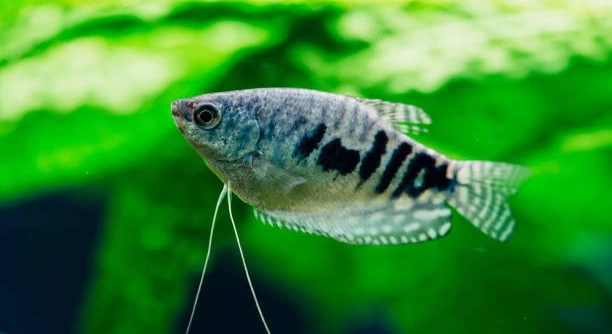
Have you ever watched your gourami swim toward the glass when it’s mealtime and wondered if they recognize the pattern? These small freshwater fish can show surprising behaviors that suggest they’re more observant than expected.
Gourami can detect feeding time patterns by associating consistent environmental cues with food availability. Through repeated exposure, they learn to anticipate feeding based on timing, movements, or changes in lighting, demonstrating a basic form of associative learning.
Learning how gourami recognize routines can help you create a more enriching environment for them. This small behavioral insight can lead to a healthier, more responsive pet experience.
How Gourami Recognize Feeding Patterns
Gourami can become familiar with feeding routines when they are exposed to consistent times and cues. Over time, they start to respond to patterns in their environment, such as the sound of a container lid opening, footsteps near the tank, or changes in lighting. These actions signal that food is coming. This behavior is a result of associative learning, where the fish links an event with a reward. Owners often notice their gourami gathering near the surface at specific times of the day. This is not a coincidence—it’s a response shaped by repetition. Their memory might not be complex, but it’s strong enough to help them connect routine actions with results. This ability not only makes feeding time easier but also encourages interaction and activity in the tank. The more consistent the routine, the more responsive the fish becomes, helping them feel more secure in their environment.
Feeding at the same time each day is important.
You might notice your gourami becoming more active right before feeding. They may swim closer to the front of the tank or follow your hand. These small changes in behavior suggest that they have recognized a pattern and expect food. This can make feeding more interactive and enjoyable.
Setting a Consistent Feeding Routine
Gourami benefit from routines that are predictable and gentle.
Creating a feeding routine for your gourami is simple but requires consistency. Start by choosing specific times each day to feed them, such as once in the morning and once in the evening. Keep your actions steady—use the same movements and keep background noise low. This helps the fish learn faster. If possible, avoid skipping feeding times or making sudden changes, as this can disrupt their sense of stability. Lighting can also play a role. Keeping lights on at the same time daily helps gourami associate brightness with feeding. Over time, they will respond more quickly and gather near the top before you feed them. These reactions not only confirm that they recognize the pattern but also help ensure you’re not overfeeding or underfeeding them. A reliable schedule can support their digestive health and reduce stress in the tank, making them more active and responsive throughout the day.
Environmental Cues Gourami Respond To
Gourami react to specific cues around them, especially when those cues are tied to food. Regular sounds, movements, or changes in light can trigger anticipation. These cues become familiar and signal feeding time, prompting the fish to respond.
One common cue is the sound of a container opening. Over time, gourami can link that noise with food. Some owners also report that their fish react when someone approaches the tank around feeding time. Even turning on a room light at a certain hour can alert them. These responses come from repetition. The fish are not understanding the concept of time, but they are learning through routine. The more consistent these cues are, the more reliable the gourami’s reaction becomes. It’s a simple way of helping them know when to expect food and reduces unnecessary stress caused by unpredictability.
Consistent cues help gourami feel secure. Without them, the fish may become anxious or overly aggressive. It’s not just about feeding—cues support structure. A calm tank environment allows them to feel settled and ready to eat when the time comes. Too many changes in sound, light, or movement can confuse the fish. Keeping daily cues the same builds confidence and better feeding habits.
Mistakes That Can Disrupt Feeding Patterns
Feeding at different times each day can confuse your gourami. Unpredictable routines make it harder for them to recognize when food is coming. This inconsistency can also cause stress and lead to behavior changes over time.
Another common mistake is overfeeding, especially when routines are disrupted. If your fish seem restless, it’s tempting to feed again outside of the usual schedule. But this only encourages erratic behavior and can lead to bloating or poor water conditions. Too much noise or light before feeding time can also distract the gourami, making them less focused when food is finally offered. Consistency in both time and environment helps avoid these issues. If routines are broken often, the fish might stop responding altogether, making mealtime less efficient and less engaging. A stable feeding pattern supports their physical health and keeps them alert and interested at the right times.
Observing Changes in Behavior
Gourami may start swimming toward the front of the tank when they sense feeding time is near. This behavior often begins after several days of a consistent schedule, showing they’ve connected certain cues with food.
They might also become more alert or hover near the surface. These actions are subtle but can be easy to notice if you pay close attention. Recognizing these small changes helps confirm that your routine is working and your gourami are learning from repetition.
Supporting Healthy Feeding Habits
To support healthy feeding habits, keep portions consistent and avoid giving food randomly. Overfeeding can quickly affect water quality and your gourami’s digestion. Stick to small amounts and only feed what they can eat in two minutes. This helps prevent waste and keeps their behavior focused and calm. Avoid using feeding as a way to soothe restless behavior. Instead, maintain routines and rely on environmental cues. A steady schedule makes feeding easier and encourages your fish to stay active and responsive. With time, your gourami will begin to expect food at the right moments and show clearer, more predictable behavior.
When to Adjust the Routine
Changes in tank lighting or household schedules may require slight feeding adjustments. Keep changes minimal to avoid confusing your gourami. Shift gradually over a few days so they can adapt without losing their feeding pattern.
FAQ
How do gourami know when it’s feeding time?
Gourami learn to recognize feeding time through consistent cues. These can include sounds like the container opening, movements near the tank, or changes in lighting. Over repeated days, they link these signals to food being offered and respond by becoming more active or swimming near the tank’s surface. This is a simple form of associative learning rather than an understanding of time itself.
Can gourami get stressed if feeding times are inconsistent?
Yes, inconsistent feeding schedules can cause stress in gourami. When they cannot predict when food will arrive, their behavior may become erratic or anxious. Stress can affect their appetite and overall health. Maintaining a routine helps keep them calm and comfortable in their environment.
What is the best way to feed gourami to support their feeding pattern?
Feeding gourami at the same times each day and in small, manageable portions helps reinforce their feeding pattern. It is important to avoid overfeeding, as excess food can pollute the water and cause digestive problems. Small meals encourage consistent behavior and improve their health.
How long does it take for gourami to learn feeding patterns?
Most gourami start showing signs of recognizing feeding patterns within a week if the routine is consistent. They may begin swimming near the front of the tank or becoming more alert around feeding time. This learning depends on how steady and clear the cues are.
Do lighting and environment affect gourami’s feeding behavior?
Yes, lighting and the general environment play a role in feeding behavior. Gourami often associate the presence of light with feeding time. Keeping the lighting consistent helps create a predictable environment, making it easier for gourami to learn feeding routines. Sudden changes can confuse them.
What should I do if my gourami doesn’t respond to feeding cues?
If your gourami doesn’t respond, check if the feeding times are consistent and if environmental cues like light and sound are regular. Sometimes, they may need a little longer to learn the pattern or may be stressed by changes in the tank. Review water quality and tank conditions, as poor conditions can affect their behavior.
Is it okay to feed gourami outside of their usual feeding time if they seem hungry?
It’s best to avoid feeding outside scheduled times. Feeding at random can disrupt their learning and lead to overeating or stress. If gourami seem restless, it might be due to other causes like water quality or tank size. Stick to the routine for their well-being.
Can gourami recognize their owner’s presence at feeding time?
Gourami may come to recognize the presence of their owner, especially if feeding times are consistent. They associate movements near the tank with food. This recognition is part of their learned response to feeding cues rather than a complex understanding of individuals.
How do feeding patterns affect gourami’s overall health?
Regular feeding patterns promote better digestion and reduce stress. Consistent routines support stable water quality by preventing overfeeding and waste buildup. Healthy feeding habits contribute to active, alert gourami that show more natural behaviors and longer lifespans.
What is a sign that gourami have fully learned their feeding schedule?
A clear sign is when gourami reliably gather near the feeding area before food is presented. They may become more active or hover near the surface just before feeding time. This behavior shows they have linked environmental cues and timing to the arrival of food.
How can I help my gourami if their feeding routine gets disrupted?
If feeding routines are disrupted, gradually return to the original schedule. Introduce changes slowly over several days. Avoid sudden shifts in lighting, feeding times, or tank disturbances to help the fish readjust. Patience is important while they relearn the routine.
Are there differences in feeding pattern recognition among different gourami species?
While all gourami species can learn feeding patterns, some may respond more quickly depending on temperament and environment. Factors like tank size, water conditions, and species behavior influence how they show recognition. Generally, consistent cues are effective across types.
Can other fish in a community tank affect gourami feeding behavior?
Yes, other fish may influence gourami’s feeding response. Competition or stress from tank mates can alter behavior, making gourami less likely to show clear feeding patterns. Providing enough space and hiding spots reduces stress and helps gourami maintain predictable routines.
Is it necessary to change feeding times occasionally to keep gourami interested?
Changing feeding times often is not recommended. Gourami thrive on consistency, and sudden changes can cause confusion or stress. If adjustments are needed, make them gradually. Maintaining regular feeding times supports better health and feeding responses.
What should I do if my gourami refuses to eat during their feeding time?
If gourami refuse food, check water quality and temperature first. Stress or illness may be a cause. Also, make sure the food is appropriate and fresh. If the problem continues, consulting a specialist or veterinarian may be necessary. Keeping a consistent feeding routine encourages regular eating habits.
Final Thoughts
Gourami have a remarkable ability to learn feeding time patterns when their environment is consistent. They respond to regular cues such as light changes, sounds, or movements near their tank. This learned behavior helps them anticipate food and stay active around feeding times. Establishing a steady routine not only encourages this response but also supports their overall health and well-being. When feeding is predictable, gourami experience less stress and exhibit natural behaviors that reflect comfort in their habitat.
Maintaining proper feeding habits is essential for gourami’s longevity. Overfeeding or irregular schedules can negatively affect water quality and the fish’s digestive system. Small, regular meals given at the same times each day reduce waste and help keep the tank clean. Gourami thrive when their feeding routine matches their biological rhythms and environment. Tank conditions such as lighting, temperature, and cleanliness also play a critical role in reinforcing feeding patterns. Changes to these factors should be introduced slowly to avoid disrupting the fish’s learned behavior.
Observing your gourami closely can reveal how well they have adapted to feeding times. When they begin to swim near the surface or gather in anticipation of food, it shows they are comfortable with the routine. Any sudden changes in behavior may indicate a need to review feeding practices or tank conditions. Patience and consistency are key when working with gourami, as they take time to fully adapt to new patterns. Understanding these basics ensures your gourami stay healthy, active, and responsive within their aquatic environment.

Hello,
If you enjoy the content that we create, please consider saying a "Thank You!" by leaving a tip.
Every little bit helps us continue crafting quality advice that supports the health, happiness, and well-being of pets around the world, for pets of all shapes, sizes, and species.
We really appreciate the kindness and support that you show us!