
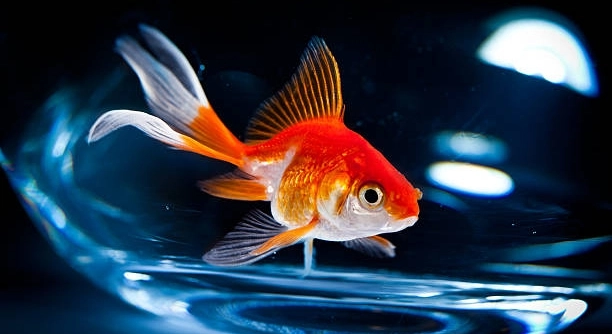
Are your goldfish at risk when the power goes out? A sudden loss of electricity can affect water temperature, oxygen levels, and filtration. Knowing how to protect your fish during an outage can help keep them safe and healthy.
Goldfish can survive a power outage for a limited time, but their survival depends on factors like water temperature, oxygen availability, and filtration. Taking precautions such as manual aeration and maintaining stable conditions can significantly increase their chances of staying healthy during an outage.
Understanding how power outages affect goldfish will help you take the right steps to protect them. From oxygen levels to emergency solutions, learning these key details can make a difference in keeping your fish safe.
How Long Can Goldfish Survive Without Power?
Goldfish can typically survive a power outage for up to 24 to 48 hours without major issues. However, prolonged outages can cause oxygen depletion, temperature fluctuations, and ammonia buildup, which may harm your fish. Maintaining a stable environment is crucial for their well-being. Simple precautions can extend their survival time significantly.
Short outages are usually not a problem, but longer ones require intervention. Without filtration, waste accumulates, and oxygen levels drop, making it harder for goldfish to breathe. Acting quickly to provide aeration and reduce waste buildup can prevent serious harm.
If power remains off for more than a day, manual aeration is necessary. Using a battery-powered air pump, stirring the water, or performing small water changes can help maintain oxygen levels. Avoid overfeeding during outages to reduce waste. Monitoring water temperature and preventing extreme fluctuations will also improve their chances of staying healthy.
How to Maintain Oxygen Levels During an Outage
Goldfish need oxygen to survive, and a power outage can quickly reduce oxygen levels in their tank. Without a running filter or air pump, the water can become stagnant, making it difficult for them to breathe.
Manually aerating the water helps maintain oxygen levels. Gently stirring the surface every few hours can improve gas exchange. Battery-powered air pumps are an excellent backup option, keeping the water oxygenated until power is restored. If you don’t have a pump, using a clean cup to scoop and pour water back into the tank can help.
Live plants also contribute to oxygenation by releasing oxygen during daylight hours. Keeping a few aquatic plants in the tank can provide a natural source of oxygen. Additionally, reducing feeding during outages lowers waste production, helping to maintain better water quality. These small adjustments can significantly improve your goldfish’s ability to survive a power outage.
How to Keep Water Temperature Stable
Goldfish are sensitive to temperature changes, and a power outage can cause the water to become too cold or too warm. Sudden shifts in temperature can stress your fish, making them more susceptible to illness. Keeping the tank insulated helps slow down temperature fluctuations.
Wrapping the tank in blankets or towels helps retain heat in colder weather. If the outage occurs during warm months, avoid direct sunlight to prevent overheating. Using a thermometer to monitor temperature changes can help you take action if needed. If the water gets too cold, adding warm (not hot) water in small amounts can help regulate the temperature. If it gets too warm, floating a bag of ice can provide a gradual cooling effect.
Maintaining a stable environment reduces stress on your goldfish. Avoid sudden water changes or moving the tank, as this can make the situation worse. Instead, focus on gradual adjustments to keep them comfortable. Goldfish are hardy, but keeping their environment stable during a power outage increases their chances of staying healthy.
How to Reduce Ammonia Build-Up
Without a working filter, ammonia levels can rise quickly, putting your goldfish at risk. Ammonia is toxic and can cause serious health issues if left unchecked. Minimizing waste and keeping the water as clean as possible can help control ammonia buildup.
Performing small water changes helps remove waste and dilute ammonia. Changing about 20% of the water every 12 to 24 hours can keep the tank safer for your goldfish. Use dechlorinated water that matches the tank’s temperature to avoid shocking the fish. Reducing feeding during an outage also limits waste production, slowing down ammonia accumulation. If you have a battery-powered air pump, keeping water circulating can further help maintain water quality.
Live plants can help absorb some ammonia, improving water conditions naturally. Removing uneaten food and debris by gently siphoning the tank also reduces ammonia buildup. These small steps can make a big difference in keeping your goldfish safe during a power outage.
Backup Solutions for Filtration
When the power goes out, filtration stops working, which can cause water quality to decline. Having a backup solution, like a battery-powered filter or air pump, is crucial. These devices can maintain circulation and keep your goldfish’s environment stable during an outage.
Portable filters are an excellent way to maintain water quality in case of power loss. Battery-powered devices, though limited in duration, can provide crucial filtration for hours. If you don’t have a battery-powered filter, using a siphon or manually stirring the water every few hours will help reduce stagnation and waste buildup.
How to Manage Feeding During an Outage
During a power outage, goldfish are less active, and their metabolic rate may slow down. It’s essential to reduce feeding to avoid excess waste that could harm water quality. Stick to a feeding schedule, but give them smaller portions.
Goldfish can go without food for several days if needed. While they will be fine for short periods without meals, it’s best to feed them sparingly. Use this time to focus on maintaining water quality and preventing waste accumulation. Keeping the tank clean will help your fish stay healthier.
When to Perform a Water Change
In the event of an outage lasting more than 24 hours, a partial water change can help reduce ammonia levels and improve oxygenation. Aim to replace around 20% of the water to avoid shocking your fish. Make sure the new water is properly conditioned and matches the tank’s temperature.
FAQ
Can goldfish survive without a filter?
Yes, goldfish can survive without a filter, but it becomes more challenging over time. Filters help remove waste and maintain water quality, which is important for your fish’s health. Without a filter, waste can accumulate, leading to toxic water conditions. You’ll need to be extra diligent about water changes and other maintenance to keep the environment safe.
How can I oxygenate the water if there’s no power?
Manual aeration can help keep the water oxygenated. Stirring the water every few hours or using a battery-powered air pump can significantly improve oxygen levels. If you don’t have a pump, using a clean cup to scoop and pour the water back into the tank also helps circulate the water.
How long can goldfish survive in cold water during a power outage?
Goldfish are cold-water fish and can tolerate lower temperatures, but they still need to be kept within a safe range. Temperatures below 50°F (10°C) can stress goldfish and make them more vulnerable to disease. During a power outage, try to keep the water temperature above 60°F (15°C) if possible. You can insulate the tank with blankets or towels to help maintain warmth.
What should I do if the water gets too warm?
If the water becomes too warm during a power outage, you can cool it down slowly by adding ice. Use a clean plastic bag filled with ice, and float it in the tank to avoid temperature shock. Avoid adding ice directly to the water.
Can I add new fish during a power outage?
It’s not ideal to add new fish during a power outage. New fish can introduce stress, and without proper filtration or stable conditions, the water quality may decline. It’s best to wait until the power is restored and the tank conditions are more stable before introducing new fish.
How can I protect my goldfish if the power outage lasts for several days?
If you expect the power outage to last for more than a day, consider transferring your goldfish to a temporary holding container like a bucket or cooler with water from the tank. Ensure it’s large enough to give them room to swim and has aeration if possible. This will help them survive until power is restored.
Should I stop feeding my goldfish during a power outage?
It’s a good idea to reduce or stop feeding your goldfish during a power outage, especially if it lasts more than 24 hours. Without a filter, excess food can quickly decay, raising ammonia levels and harming the water quality. Feed them very sparingly if you decide to continue.
How do I know if the water quality is safe for my goldfish?
Testing the water for ammonia, nitrite, and pH levels is the best way to assess its safety. Without a filter, waste buildup can cause ammonia levels to rise, which is harmful to goldfish. You can use water test kits to monitor these levels and perform partial water changes if necessary.
How often should I change the water during an outage?
During a power outage, perform partial water changes every 12 to 24 hours. Changing 20% of the water helps remove waste and keep ammonia levels in check. Make sure the new water is dechlorinated and at the same temperature as the tank to avoid shocking your goldfish.
Can I use a generator for the tank?
Using a generator can be a good backup solution to keep filtration and aeration running during a power outage. If you have access to one, connect the filter, air pump, or heater to the generator to maintain stable conditions. Just be sure to keep it running only when necessary and ensure safety precautions are in place.
How can I prevent future problems during power outages?
To prevent issues during future power outages, consider investing in battery-powered backup systems, such as air pumps or filters. You can also use a tank heater with a low battery backup to regulate water temperature. Being prepared with emergency supplies can help ensure your goldfish’s survival during any outage.
What happens if the ammonia level rises too high?
If ammonia levels get too high, it can cause serious harm to your goldfish, leading to symptoms like gasping at the surface, lethargy, and even death. Regular water changes, reducing feeding, and ensuring good aeration can help manage ammonia levels. In extreme cases, you may need to use an ammonia-removing product until the power is restored.
How can I tell if my goldfish is stressed during a power outage?
Goldfish may show signs of stress during a power outage, including erratic swimming, loss of appetite, or gasping for air at the surface. Stress can be caused by poor water quality, temperature changes, or lack of oxygen. Monitoring water conditions and maintaining stability can help reduce stress.
Can I use any air pump during an outage?
You can use any battery-powered air pump to provide oxygen in your tank during a power outage. These pumps come in various sizes and capacities, so choose one that is suitable for the size of your tank. Make sure it is reliable and can run for several hours to help your goldfish.
Is it okay to feed my goldfish frozen food during a power outage?
Feeding frozen food is not ideal during a power outage, especially if the water temperature is unstable. Frozen food can introduce bacteria and cause water quality problems. Stick to dry or prepared food if you decide to feed your goldfish. If feeding is necessary, give them very small portions.
Should I cover the tank during a power outage?
Covering the tank with a lid or blanket can help maintain temperature stability during a power outage. However, make sure the cover allows for proper gas exchange to prevent suffocation. If using a blanket, don’t cover the entire tank—leave some space for ventilation.
Final Thoughts
Power outages can create stressful situations for goldfish owners, but with the right knowledge and preparation, you can minimize the risks to your fish. Goldfish are resilient creatures, but they rely on stable environments to thrive. Without electricity, maintaining water quality and temperature becomes more difficult, making it essential to act quickly to protect your fish. Simple measures like reducing feeding, performing water changes, and using backup filtration systems can make a big difference.
Although goldfish can survive for short periods without a filter or aeration, the key is to reduce stress and maintain stable conditions as much as possible. During an outage, the biggest threats to your goldfish are poor water quality and low oxygen levels. Regularly checking water conditions and taking steps to improve oxygenation will help your fish stay healthy. If the outage is prolonged, consider moving your fish to a temporary holding container and using a battery-powered air pump to keep them safe.
Being proactive is the best way to ensure your goldfish survive an unexpected power outage. Planning for emergencies, such as investing in backup filters or air pumps, can give you peace of mind. Having a strategy in place for temperature control and water changes will also help you avoid potential problems. By staying vigilant and informed, you can keep your goldfish safe during power outages and other unforeseen events.

Hello,
If you enjoy the content that we create, please consider saying a "Thank You!" by leaving a tip.
Every little bit helps us continue crafting quality advice that supports the health, happiness, and well-being of pets around the world, for pets of all shapes, sizes, and species.
We really appreciate the kindness and support that you show us!