
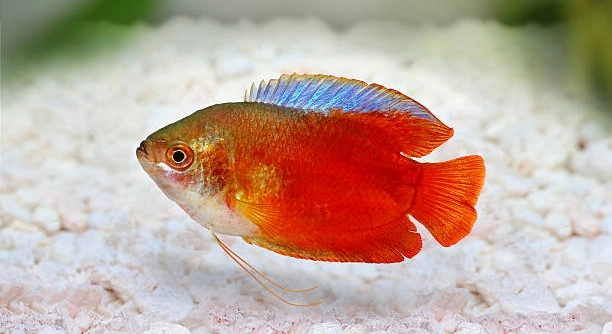
Giant gouramis are intelligent freshwater fish often kept by attentive owners who notice subtle behavior shifts. Many aquarists observe these changes during daily care, feeding routines, and interactions, creating interest in how environment shapes responses.
Giant gouramis can perceive changes in human mood through visual cues, movement patterns, and environmental disturbances. Research indicates their advanced cognition allows associative learning, enabling behavioral adjustments in response to altered handling, stress signals, and routine variations within captive settings.
Behavior, awareness, and environment connect closely, and exploring these links helps explain how these remarkable fish respond during everyday interactions.
Understanding Emotional Sensitivity in Giant Gouramis
Giant gouramis display complex behaviors that reflect their ability to process surrounding stimuli. In my experience observing these fish, changes in posture, swimming pace, and feeding response often align with shifts in household atmosphere. Loud movements, rushed maintenance, or tense handling tend to produce withdrawal or cautious behavior. Calm routines, slower gestures, and consistent care usually result in relaxed swimming and stronger engagement. Scientific studies support this observation by showing that giant gouramis possess strong learning capacity and memory. They associate repeated visual and physical patterns with outcomes, whether positive or negative. Over time, this association allows them to respond predictably to human presence. Mood-related changes are not emotional understanding in a human sense, but rather recognition of behavioral patterns linked to comfort or disruption. This distinction helps explain why their reactions feel personal while remaining grounded in biological response mechanisms formed through daily captive conditions and routine environmental exposure.
These responses develop gradually and depend on repetition rather than isolated events. One stressful moment rarely defines behavior, but repeated patterns shape expectations. Consistency remains the strongest factor influencing how safely and confidently giant gouramis behave during regular interaction within controlled home aquariums managed with stable care practices daily routines.
Human mood often alters movement speed, voice level, and maintenance habits, all of which affect aquarium stability. Giant gouramis notice vibration changes, light shifts, and water disturbances caused by hurried actions. When I remain calm during tank care, their behavior stays steady. This reinforces the importance of intentional handling. Predictable schedules reduce stress signals and support healthy feeding patterns. Over time, these fish associate calm presence with safety. The result is improved responsiveness. Understanding this connection encourages better care practices and strengthens observational awareness without assigning human emotion to animal behavior within controlled captive environments supported by consistency, patience, routine.
Practical Observations for Everyday Care
Daily interaction plays a measurable role in behavioral stability. Subtle changes in how tasks are performed influence fish response. Slower movements, steady lighting, and consistent feeding times contribute to calmer behavior and improved adaptability in captive giant gouramis during long-term care routines maintained by attentive observation, patience, structure, and consistency.
Applying this awareness does not require dramatic changes, only thoughtful consistency. I focus on maintaining the same approach each day, even when personal stress levels fluctuate. Gentle tank maintenance, predictable feeding, and steady observation reduce unnecessary disturbance. Giant gouramis respond best to environments that remain stable over time. Sudden rearrangements, rapid hand movements, or inconsistent schedules can interrupt their sense of security. Research on fish cognition shows that repeated exposure builds expectation. When expectations are met, stress responses decrease. This leads to stronger feeding behavior, clearer coloration, and more relaxed swimming patterns. Care routines act as communication signals, even without direct contact. Recognizing this helps refine husbandry practices. Rather than attributing reactions to emotion, it is more accurate to view behavior as learned response to environmental consistency. This perspective improves care quality and supports long-term wellbeing. By adjusting personal habits first, keepers create conditions that allow giant gouramis to thrive predictably and calmly in captivity. Over time, this approach minimizes stress-related behaviors and supports balanced growth, immune function, and behavioral stability. Consistent environments also simplify observation, making changes easier to notice and address before health declines occur within closed aquatic systems managed with care, patience, structure, and informed routine oversight.
Behavioral Indicators Linked to Human Mood
Changes in swimming speed, fin positioning, and hiding behavior often appear after shifts in human activity. When care becomes rushed or erratic, giant gouramis may retreat, pause feeding, or patrol tank edges more cautiously than usual. These patterns are commonly observed during repeated exposure to unstable daily routines over time.
Visual awareness plays a major role in how giant gouramis respond to people nearby. Sudden gestures, sharp movements, and inconsistent lighting changes register as environmental disturbances. Over time, fish learn to associate these cues with potential stress. I notice calmer responses when movements remain slow and predictable. Feeding responses improve under steady conditions. Research supports that associative learning allows fish to connect repeated visual patterns with outcomes. This learning does not imply emotional understanding but reflects adaptive behavior. Stable interaction reduces alert postures, decreases avoidance swimming, and supports healthier daily activity patterns within well maintained captive aquarium environments over time.
Tactile interaction also influences behavior, especially during tank maintenance. Hands entering the aquarium create pressure changes and vibrations. When these actions are calm, gouramis remain visible and engaged. Rough or hurried cleaning increases distance keeping. I find that consistent schedules help fish anticipate events. Anticipation reduces stress reactions. Studies on fish cognition show expectation formation through repetition. This expectation shapes behavior without emotion. By controlling interaction style, caretakers indirectly guide fish responses. This reinforces stability and improves overall tank harmony. Consistent care patterns support feeding regularity, spatial confidence, and predictable daily movement patterns within long term aquarium care routines consistently.
Recognizing the Limits of Perception
Giant gouramis do not sense emotions directly. Their responses are linked to external changes rather than internal human feelings. Mood affects behavior, and behavior alters environment. Fish react to vibrations, light shifts, and movement patterns. I avoid assigning intent to these reactions. Understanding limits prevents misinterpretation while still respecting their advanced learning abilities. This perspective supports clearer observation and improves care decisions based on measurable environmental factors rather than emotional assumptions formed during daily care.
Scientific research emphasizes stimulus response relationships in fish behavior. Giant gouramis process sensory information efficiently, allowing them to adapt to repeated conditions. They notice consistency more than intent. I focus on maintaining steady routines instead of emotional projection. Sound levels, lighting cycles, feeding timing, and maintenance rhythm matter most. When these remain stable, stress indicators decline. Mislabeling responses as emotional understanding can distract from practical husbandry improvements. Observing patterns objectively leads to better adjustments. Clear interpretation supports healthier tanks and more predictable behavior. This approach respects cognitive ability without overstating emotional capacity, creating balanced expectations for long term care. Consistency remains the most reliable tool for shaping behavior within controlled aquarium systems managed over extended periods using informed observation, patience, routine, structure, and practical care.
Routine Consistency and Behavioral Stability
I notice routine changes affect tank stability more than mood itself. Skipped feedings, delayed water changes, or altered lighting schedules create inconsistency. Giant gouramis respond by reducing activity, hovering near cover, or showing slower feeding responses until regular patterns resume again after repeated exposure to unstable daily care habits persist.
When schedules remain consistent, behavior stabilizes quickly. Feeding anticipation improves, swimming becomes relaxed, and interaction increases. I maintain fixed times and gentle movements to limit disruption. This approach supports predictable responses, reduces stress indicators, and allows clearer observation of health changes over time within long term aquarium care routines consistently.
Environmental Cues and Learned Responses
Environmental signals shape how giant gouramis learn daily patterns. Sound vibration from footsteps, shadows passing the tank, and water movement during maintenance all register as cues. I keep surroundings calm to avoid unnecessary stimulation. Over time, fish associate repeated cues with outcomes such as feeding or disturbance. Research confirms this associative learning strengthens memory. Predictable environments support confidence and spatial use. Erratic conditions increase vigilance and withdrawal. Managing these variables improves welfare without assuming emotional awareness. Observation remains the most useful tool for adjusting care practices effectively within captive systems maintained through consistency and careful routine management over extended periods.
Maintaining Realistic Expectations
Clear boundaries help prevent overinterpretation of fish behavior. I focus on measurable responses rather than assumed intent. This keeps care decisions practical. Recognizing learning without assigning emotion creates realistic expectations and supports steady routines that benefit giant gouramis in captivity through consistent observation and informed daily husbandry practices over time.
Can giant gouramis really sense human mood?
Giant gouramis do not perceive human emotions directly. Their behavior changes in response to environmental cues caused by human activity. For instance, hurried movements, loud noises, or irregular maintenance routines trigger caution or withdrawal. I have observed that when I remain calm and consistent in care, the fish swim more confidently and interact visibly during feeding. Their responses are linked to learned patterns rather than emotional understanding. Associative learning allows them to anticipate outcomes like feeding or disturbance, giving the impression of mood awareness without true emotional perception.
Why do they act differently on some days?
Behavioral shifts often reflect environmental variability rather than internal emotion. Changes in water temperature, lighting, or tank disturbances influence activity levels. I notice that skipped feedings or sudden loud noises make them hide or swim slower. On calmer days with stable conditions, swimming is relaxed, fins are spread, and feeding responses are more enthusiastic. Over time, these patterns become predictable, showing that giant gouramis respond primarily to repetition and environmental consistency. Stress responses decrease when daily routines are maintained, allowing clear observation of natural behaviors without misattributing mood to the fish.
How can I reduce stress in my giant gourami?
Consistency is key. I focus on maintaining steady feeding schedules, gentle movements during maintenance, and stable lighting conditions. Sudden changes, such as rearranging decorations or using strong vibrations near the tank, increase stress. Over time, repeated calm interactions help the fish anticipate care events without tension. Observing patterns like hovering near cover or slow swimming can indicate stress. Adjusting human activity and maintaining predictable environmental conditions are the most effective ways to support behavioral stability and overall wellbeing in captivity.
Do giant gouramis remember past interactions?
Yes, they demonstrate strong associative memory. They learn to associate repeated actions with outcomes. I have observed that after several weeks of feeding at consistent times, the fish react immediately to my presence at the tank. Conversely, irregular care leads to hesitation or avoidance. This learning ability reinforces predictable responses, showing that experience influences behavior. Memory is practical and linked to survival and comfort, not emotional recognition. Repetition and environmental cues form expectations, which shape their daily activity and engagement within the tank.
Can changes in my routine affect their health?
Indirectly, yes. Irregular feeding, inconsistent water changes, and sudden disturbances increase stress, which can affect appetite and immune function. I make it a priority to maintain daily care routines to minimize disruption. Calm, predictable handling supports consistent swimming and feeding patterns, which contributes to better overall health. Stress reduction through routine consistency is a simple but effective approach to maintaining their long-term wellbeing.
Why do they follow me or watch me closely?
Giant gouramis observe movement and patterns in their environment. I have noticed that they often swim near the front of the tank when I approach during feeding or maintenance. This behavior reflects recognition of repeated cues rather than emotional attachment. Observing humans consistently allows them to anticipate food or routine activity. Their attention demonstrates learning and environmental awareness rather than mood detection. Consistent interaction reinforces predictable responses and strengthens trust in daily care routines without implying emotional connection.
Is it possible to misinterpret their behavior as emotional awareness?
Yes. It is common to assign human emotions to behaviors that are actually learned responses. I remind myself that swimming closer, hiding, or following movements are cues-based reactions, not evidence of mood perception. Associative learning explains their responses effectively. Overinterpretation can lead to unrealistic expectations. Understanding the limits of their perception helps maintain practical care and accurate observation, allowing adjustments to routines that genuinely support behavioral stability and tank health.
What practical steps improve their daily experience?
Maintain fixed feeding schedules, handle the tank gently, and limit loud noises or sudden movements near the aquarium. I keep lighting and decoration changes minimal. Repetition of calm actions helps the fish anticipate outcomes and reduces stress. Observation of behavior patterns informs adjustments to routine, ensuring predictable and stable conditions. These steps improve feeding response, swimming activity, and overall confidence in the tank. Predictable environments foster behavioral stability and reduce avoidance or withdrawal, supporting long-term health and comfort in captivity.
How quickly do they adapt to changes?
Adaptation depends on repetition and magnitude of the change. Small, gradual adjustments like slight lighting variations are tolerated quickly, while abrupt shifts in handling or environment may cause immediate withdrawal. I find that consistent reinforcement of calm routines helps them acclimate within days to weeks. Associative learning allows them to form expectations, reducing stress over time. Sudden disturbances should be minimized to maintain predictability, which directly impacts behavior and overall wellbeing. Careful observation helps determine how quickly individual fish adjust to new patterns.
Are there signs I should monitor to assess stress?
Yes. Reduced swimming activity, hiding, slow feeding, clamped fins, or sudden aggression are indicators of stress. I track these behaviors daily. Changes in posture, orientation in the tank, and response to human presence provide early warning signs. Addressing environmental disturbances, maintaining consistent schedules, and gentle handling can correct stress responses. Monitoring these cues allows timely intervention, supporting healthier behavior, feeding, and growth. Awareness of these indicators ensures that husbandry practices remain effective and fish remain comfortable within their controlled environment.
Giant gouramis are remarkable fish with advanced learning abilities, but it is important to understand their behavior accurately. Their responses are shaped by repeated patterns in the environment rather than an awareness of human emotions. Observing changes in swimming, feeding, and hiding behavior provides practical information about their comfort and stress levels. When routines are consistent, such as feeding at fixed times, maintaining gentle tank maintenance, and avoiding sudden loud disturbances, the fish respond with relaxed movement and predictable activity. These learned patterns allow them to anticipate events like feeding or handling, creating the appearance of mood recognition without implying actual emotional perception. By focusing on observable cues rather than projecting feelings onto the fish, caretakers can provide better care and maintain a healthy, stable aquarium environment.
Consistency in daily routines plays a central role in supporting the wellbeing of giant gouramis. I have noticed that irregular feeding, sudden environmental changes, or abrupt movements often trigger caution or withdrawal, whereas steady care leads to more confident behavior. Associative learning explains these responses: the fish connect repeated environmental signals with outcomes over time. Calm, predictable handling reduces stress and encourages regular feeding and exploration. Even minor adjustments, such as slight changes in lighting or water movement, can influence behavior if introduced suddenly. By maintaining a structured approach, caretakers ensure that giant gouramis can rely on predictable patterns, which supports their overall health, growth, and immune function. Observation of behavior over weeks or months allows for accurate assessment of their comfort, helping to identify issues before they escalate and providing opportunities to adjust routines thoughtfully.
Understanding the limits of their perception is also crucial. While giant gouramis can notice changes in movement, light, vibration, and other environmental cues, they do not experience human emotions. This distinction helps prevent misinterpretation and supports realistic expectations for their behavior. By observing patterns, maintaining stable routines, and providing gentle, consistent care, it is possible to foster an environment that encourages confident, relaxed behavior. Regular monitoring and patience allow caretakers to adapt practices effectively, supporting feeding, swimming, and social interaction without unnecessary stress. In this way, care practices are guided by science and experience rather than assumptions about emotion, ensuring that giant gouramis remain healthy, engaged, and comfortable in captivity over the long term.

Hello,
If you enjoy the content that we create, please consider saying a "Thank You!" by leaving a tip.
Every little bit helps us continue crafting quality advice that supports the health, happiness, and well-being of pets around the world, for pets of all shapes, sizes, and species.
We really appreciate the kindness and support that you show us!