
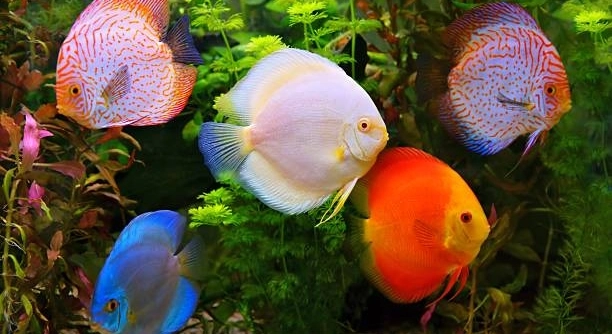
Discus fish are popular pets known for their bright colors and graceful movements. Many owners spend time near their tanks and wonder how these fish respond to human presence. Understanding their behavior can improve care and interaction.
Discus fish can gradually get used to human presence through consistent and calm interaction. Over time, they may show reduced stress and increased curiosity, but individual responses vary based on environment and handling practices.
Learning how discus react to people helps create a calmer tank environment and a better bond between fish and owner.
How Discus Fish React to Human Presence
Discus fish are naturally shy and cautious around movement and sudden changes. When a person approaches the tank, they may initially swim away or hide behind plants or decorations. This reaction is a normal survival instinct. However, with regular, gentle exposure, they begin to recognize that humans do not pose a threat. Over time, they can become more comfortable, swimming closer to the glass and even following hand movements. It is important to avoid sudden movements or loud noises around the tank, as these can cause stress and set back their adjustment. Consistency in feeding times and calm behavior help discus build trust in their environment. Each discus may adapt at a different pace, but patience is key to seeing progress in their comfort level.
A calm and steady presence near the tank encourages discus to accept human activity without fear, making daily care easier and less stressful for the fish.
Being patient and providing a quiet space encourages discus to come out and explore near the tank front. Over time, they may show curiosity and recognize feeding times by your presence. Avoid tapping on the glass or sudden actions, which disrupt their growing comfort. Instead, approach slowly and maintain a routine. If the fish seem nervous, give them time and space to adjust. Adding plants and hiding spots helps them feel safe while they get used to nearby activity. With gentle interaction, discus may even swim toward your hand, showing trust and interest. This behavior is a positive sign of their adaptation to human presence.
Factors That Influence Adaptation to Human Presence
The environment plays a major role in how discus adapt to human presence. A stable tank with clean water and proper temperature reduces stress and encourages positive behavior. Sudden changes in lighting or water quality can cause the fish to retreat and become more fearful. The size of the tank and availability of hiding spots also affect their confidence. Tanks with plenty of plants and decorations provide a safe feeling and reduce anxiety. How often and calmly humans interact with the fish also impacts their adjustment. Feeding the discus regularly at the same time each day builds a predictable routine they learn to associate with your presence. Lastly, the personality of each discus varies—some are naturally more curious, while others remain shy longer.
Proper care and environment help discus gradually accept human presence and improve their overall well-being.
Maintaining consistent conditions and gentle interactions allows discus to feel secure, helping them adapt more quickly. Keeping the tank quiet and stable reduces stress and supports this adjustment period.
Signs That Discus Are Getting Used to Humans
Discus fish showing less fear when you approach the tank is a good sign they are getting used to you. They may swim closer to the glass or follow your movements calmly without hiding.
When discus start swimming near your hand or the front of the tank during feeding, it shows growing trust. They might even seem curious, watching your movements closely rather than darting away. Reduced hiding and calmer behavior during routine care means they feel safer. These signs indicate the fish recognize your presence as part of their environment. This change usually takes weeks to months, depending on how consistent and gentle your interactions are. Watching these behaviors helps adjust how you interact with them for better results.
Even if discus do not swim right up to you, calmer swimming and less frantic movement near your presence are positive signals. They may explore more openly or wait expectantly during feeding, showing acceptance of human activity around their tank.
Tips to Help Discus Adapt Faster
Consistency in daily routines is essential. Feeding discus at the same time every day helps them associate your presence with something positive. Gentle, slow movements near the tank avoid startling them.
Using a quiet voice and avoiding sudden actions makes discus more comfortable. Spending a few minutes near the tank without tapping or tapping the glass helps them get used to human activity without stress. Providing enough hiding places allows them to retreat if needed, which builds confidence. Avoid overcrowding the tank, as this can increase stress. Remember that patience is key—each discus adjusts at its own pace, and rushing interaction may cause fear instead of trust. Over time, these habits help discus become calmer and more responsive to humans.
Patience Is Key
Discus fish need time to adjust to human presence. Rushing the process can cause stress and make them hide more. Being patient allows them to feel safe and slowly build trust.
Consistent, calm interactions over weeks or months help discus become more comfortable around people. Small progress is still progress.
Avoiding Common Mistakes
Sudden movements, loud noises, or tapping on the glass can frighten discus and delay their adaptation. Keeping a calm environment reduces stress and encourages positive behavior. Overhandling or changing the tank setup too often can also cause fear and confusion.
Creating a Comfortable Environment
Providing plenty of plants and hiding spots helps discus feel secure while they get used to human presence. A quiet, stable tank supports their comfort and reduces stress.
Feeding Routine Importance
Regular feeding times teach discus to expect food when humans are nearby, building trust and reducing fear.
FAQ
How long does it take for discus to get used to human presence?
The time varies depending on the individual fish and how often you interact with them. Generally, it can take several weeks to a few months of calm and consistent presence before discus start showing signs of comfort. Rushing this process can increase their stress.
Can all discus fish get used to humans?
Most discus can adapt to human presence if given time and gentle interaction. However, some may stay shy due to their natural personality or past stress. It’s important to respect each fish’s unique behavior and not force interaction.
What should I avoid doing around discus to help them feel safe?
Avoid tapping on the glass, sudden movements, loud noises, or reaching quickly into the tank. These actions can frighten discus and cause them to hide. Calm and slow actions near the tank help reduce stress.
How can I encourage discus to come closer to me?
Feeding your discus at the same time daily helps them associate your presence with food. Move slowly and avoid sudden gestures. Over time, they may swim closer or follow your hand. Patience and routine are key.
Is it harmful to touch discus or try to handle them?
It is generally not recommended to handle discus unless necessary, such as for health checks. Handling can cause stress and damage their protective slime coat. If you must handle them, do so gently and carefully.
Can discus recognize their owner?
While discus don’t recognize owners like pets such as dogs or cats, they can learn to associate certain people with feeding and care. This association often leads to reduced fear and increased curiosity when you approach.
Does the tank environment affect how quickly discus get used to humans?
Yes, a stable environment with good water quality, proper temperature, and plenty of hiding places helps discus feel secure. A stressed or poorly maintained tank slows their adjustment to human presence.
What if my discus never seem to get used to me?
Some discus remain shy despite your efforts. Continue with gentle routines and avoid sudden disturbances. Over time, even shy discus can become less fearful, but some may always prefer to keep a distance.
How can I tell if my discus is stressed by human presence?
Signs of stress include hiding constantly, rapid breathing, loss of appetite, or frantic swimming. If you notice these, try reducing your interaction time and ensure the tank conditions are ideal.
Are younger discus easier to get used to human presence?
Younger discus tend to adapt faster since they are still learning about their environment. Introducing calm interaction early can help build trust more quickly than with older fish.
Discus fish are sensitive creatures that can become comfortable around humans with time and care. They are not naturally used to seeing people, so it takes patience for them to adjust. By spending quiet, regular moments near their tank, you give them a chance to learn that you are not a threat. This slow, calm approach helps reduce their fear and stress. When discus feel safe, they are more likely to show natural behavior, swim closer to the glass, and even react to your presence without panic.
Creating a stable and peaceful environment is very important. Good water quality, proper temperature, and plenty of hiding spots help discus feel secure. When their surroundings are stable, they can focus more on getting used to human presence instead of being worried about changes in their environment. Avoid sudden movements or loud noises near the tank, as these can frighten them and slow down their adjustment. Consistency in how you interact and care for your discus will help build trust over time.
Every discus is different, and some may take longer to get used to people. It is important to respect their individual nature and not rush the process. Small steps, such as feeding them on a regular schedule and moving calmly near the tank, make a difference. Even if they never become fully comfortable with being close to humans, a calm and quiet approach improves their well-being. With patience and care, discus can live happier and less stressful lives around their owners.

Hello,
If you enjoy the content that we create, please consider saying a "Thank You!" by leaving a tip.
Every little bit helps us continue crafting quality advice that supports the health, happiness, and well-being of pets around the world, for pets of all shapes, sizes, and species.
We really appreciate the kindness and support that you show us!