
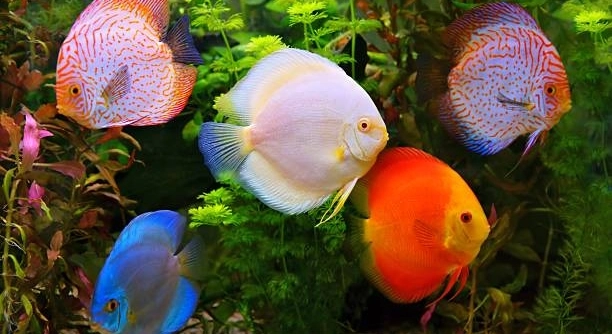
Do you ever wonder if your discus fish can get hurt when tank mates start fighting? Many aquarium owners worry about the safety of their peaceful discus when aggression occurs. Understanding the risks helps in maintaining a healthy tank environment.
Discus fish can indeed sustain injuries during fights between tank mates, especially if the aggression is intense or prolonged. Physical harm such as fin damage, stress-related illness, or even death may result from these conflicts. Proper tank management is crucial to minimizing these risks.
Knowing how to recognize and prevent aggression in your aquarium will protect your discus and other fish. This article will provide clear insights to help you keep your tank peaceful and safe.
Why Do Tank Mates Fight?
Fights among tank mates happen for several reasons. Territorial behavior is one common cause. Fish often defend their space, especially in smaller tanks or crowded conditions. Another factor is competition for food or hiding spots, which can increase tension. Stress also plays a big role — fish that are stressed tend to be more aggressive or irritable. Some species are naturally more aggressive and may provoke others unintentionally. It’s important to observe how your fish interact and notice signs of discomfort or repeated chasing. Identifying these behaviors early can help you manage the tank better. Adjusting the tank size, rearranging decorations, or changing feeding routines can reduce conflict. When aggression continues unchecked, it can lead to serious injuries or stress-related illnesses in your discus and other fish.
Aggression is often a mix of environmental and social factors, not just fish personalities.
Creating a balanced community tank means choosing compatible species and providing enough space and hiding places. Discus thrive best with peaceful companions. Monitoring tank conditions regularly helps catch problems before they escalate. Sometimes separating aggressive fish or adding plants and caves for shelter can calm tensions. Avoid overcrowding and maintain good water quality to keep fish healthy and less stressed. This approach encourages harmony, reducing fights and injuries in your aquarium. By understanding the reasons behind aggression, you’ll be better equipped to protect your discus and create a calm environment for all your fish.
Signs Your Discus May Be Injured
Injuries on discus fish can show in various ways. Look for torn or missing fins, scratches, or red marks on their bodies. Sometimes injured fish hide more than usual or become less active. A discus that is breathing rapidly or losing appetite might also be hurt or stressed. Early detection of these signs is key to giving your fish the care it needs.
If you notice any of these symptoms, immediate action can prevent worsening damage.
To help an injured discus, isolate it in a separate tank or quarantine area. This reduces stress and stops other fish from bothering it. Clean water and proper nutrition speed up healing. Using mild aquarium salt can also aid recovery, but avoid strong medications unless necessary. Keep observing your discus closely to ensure it improves. Prevention is always better—maintain a peaceful tank with well-matched species to avoid injuries. Regular monitoring and quick responses are the best ways to keep your discus safe and healthy.
Preventing Tank Mate Fights
Keeping your discus safe starts with careful tank setup. Avoid overcrowding and choose peaceful species that coexist well with discus. Adding plenty of hiding spots helps fish feel secure, reducing aggression. Regular water changes and stable conditions lower stress, which also limits fighting.
A well-planned tank environment is essential to minimize disputes. Discus are sensitive fish that prefer calm surroundings. Aggressive or fast-moving fish can stress them out or provoke fights. Giving each fish enough space reduces competition for territory. Plants, rocks, and decorations provide natural barriers that help separate fish visually and physically. Feeding your fish properly and consistently also prevents food-related aggression. Monitoring behavior daily allows you to spot early signs of tension and act quickly to prevent injury.
If fights do occur, rearranging tank decor can break established territories and reset boundaries. Sometimes removing the aggressor or separating fish temporarily is necessary. Staying proactive in tank management keeps discus healthier and happier.
Choosing Compatible Tank Mates
Selecting the right tank mates for discus is crucial. Ideal companions are calm, non-aggressive, and able to thrive in similar water conditions. Avoid fish that nip fins or chase others.
Some popular discus tank mates include tetras, dwarf cichlids, and Corydoras catfish. These species are peaceful and share water parameter needs with discus. It’s important to research each species’ temperament and care requirements before adding them to your tank. Compatibility reduces stress and minimizes the risk of fights. Introducing new fish gradually helps monitor reactions and prevent conflicts. Observing interactions closely in the first days can alert you to any problems early. Well-chosen tank mates create a peaceful environment that supports discus health and reduces injuries.
How to Spot Early Signs of Aggression
Early signs of aggression include chasing, nipping, or chasing fish away from favorite spots. Watch for rapid darting or flaring fins, which often signal tension.
Ignoring these behaviors can lead to injuries. Addressing them quickly helps maintain peace in your tank.
What to Do When Fights Break Out
Separate aggressive fish immediately if fights become severe. Use a divider or move one fish to a quarantine tank. Increasing hiding places and rearranging tank decorations can also reduce aggression by breaking territorial boundaries. Maintaining good water quality and feeding routines lowers stress, helping calm fish naturally.
Healing Injuries in Discus Fish
Treat minor wounds with clean water and stress reduction. For serious injuries, a quarantine tank with proper medication might be necessary. Keeping the environment calm supports healing.
Avoiding Stress to Prevent Aggression
Stress can trigger fights in the tank. Keep water conditions stable and avoid sudden changes to help fish stay calm.
Can discus fish get seriously hurt from fights with tank mates?
Yes, discus fish can sustain serious injuries during fights. Their delicate fins and bodies are vulnerable to nips, scratches, and bites from aggressive tank mates. Prolonged or repeated aggression can lead to infections or stress-related illnesses that may weaken their immune system. Early intervention is key to preventing lasting damage and ensuring their health.
How can I tell if my discus is stressed or injured?
Look for signs like torn fins, unusual spots, fading colors, or lethargy. A stressed discus may hide more often, lose appetite, or breathe faster than usual. Behavioral changes like isolation or erratic swimming also indicate trouble. Regular observation helps catch these issues before they worsen.
What are the most common causes of fights in a community tank?
Territorial disputes top the list, especially in cramped tanks. Competition for food and hiding spots adds tension. Some fish are naturally more aggressive and may provoke others unintentionally. Stress from poor water quality or sudden changes can also make fish more irritable and prone to fights.
How do I reduce aggression in a discus tank?
Start by choosing peaceful tank mates compatible with discus. Avoid overcrowding and provide plenty of hiding places like plants and caves. Maintain stable water conditions and consistent feeding schedules. Rearranging tank decorations occasionally can break up territories and lower conflicts.
Is it okay to separate aggressive fish permanently?
Yes, separating persistent aggressors is often necessary to protect more peaceful fish like discus. Keeping aggressive species isolated or in separate tanks can reduce injuries and stress. If permanent separation isn’t possible, consider dividers or quarantine tanks to manage aggression safely.
Can water quality affect fish aggression?
Absolutely. Poor water conditions cause stress, which can make fish more aggressive. High ammonia, nitrite, or nitrate levels irritate fish and weaken their defenses. Keeping the tank clean with regular water changes and good filtration helps maintain a calm and healthy environment.
What should I do if my discus is injured?
Isolate the injured discus in a quarantine tank with clean, stable water. Provide mild treatments like aquarium salt to prevent infections. Avoid strong medications unless recommended by an expert. Ensure proper nutrition and reduce stress to promote faster healing. Keep monitoring for any signs of worsening condition.
Are there any fish I should never keep with discus?
Avoid fin-nipping or aggressive species like some barbs, large cichlids, or fast-moving fish that may stress discus. These fish tend to chase or harass discus, leading to injury. Stick to peaceful, slow-moving tank mates that share similar water needs to keep the tank harmonious.
How can I tell if a fish is a good match for discus?
Good tank mates are peaceful, non-aggressive, and thrive in warm, soft, slightly acidic water like discus. Species such as neon tetras, cardinal tetras, and Corydoras catfish fit well. Always research each species’ temperament and care needs before introducing them to your discus tank.
What role does tank size play in aggression?
Smaller tanks increase territorial disputes due to limited space. Overcrowding creates stress and competition for resources, triggering fights. Providing ample space reduces stress and allows fish to establish their own territories without constant conflict. Larger tanks promote a more balanced, peaceful community.
Can rearranging tank decorations help with fish fights?
Yes, changing the layout can break established territories and reduce aggression. Moving plants, rocks, or hiding spots forces fish to redefine their space, which can reset their behavior and lessen tension. Regularly updating tank decorations is a useful tool for managing aggression.
How often should I observe my discus for signs of injury or stress?
Daily observation is best. Spend a few minutes each day watching your fish’s behavior, color, and movement. Early detection of problems allows you to act quickly, preventing minor issues from becoming serious. Keeping a routine check helps maintain a healthy tank environment.
Keeping discus fish safe from injury during tank mate fights is an important part of maintaining a healthy aquarium. Discus are peaceful fish that do best in calm environments. When aggression occurs, it can cause injuries and stress that affect their well-being. By understanding the causes of fights and how to prevent them, you can create a more peaceful tank. It takes careful planning, regular observation, and good tank management to protect your discus from harm. Paying attention to water quality, tank size, and the behavior of all fish will help reduce the chance of fights and injuries.
Choosing the right tank mates plays a big role in keeping discus safe. Peaceful fish that share similar water needs make the best companions. Avoid species that are known to be aggressive or fin nippers, as they can provoke stress and fights. Providing enough hiding places and enough room for each fish to claim its own space also lowers tension. If fights do happen, separating aggressive fish quickly can stop injuries from getting worse. Sometimes rearranging the tank layout or adding decorations helps break up established territories and calm the fish. Keeping the environment stable and stress-free makes a big difference for discus health.
It is important to watch your discus closely for signs of injury or stress. Early signs include torn fins, scratches, hiding, or changes in appetite and behavior. If you notice these, acting quickly with proper care can help your discus heal and avoid infections. Isolating injured fish and maintaining good water quality are key steps. Regularly monitoring your tank and addressing problems early will keep your discus happier and healthier. Overall, creating a peaceful and well-maintained tank takes effort but is worth it for the long-term safety of your discus fish.

Hello,
If you enjoy the content that we create, please consider saying a "Thank You!" by leaving a tip.
Every little bit helps us continue crafting quality advice that supports the health, happiness, and well-being of pets around the world, for pets of all shapes, sizes, and species.
We really appreciate the kindness and support that you show us!