
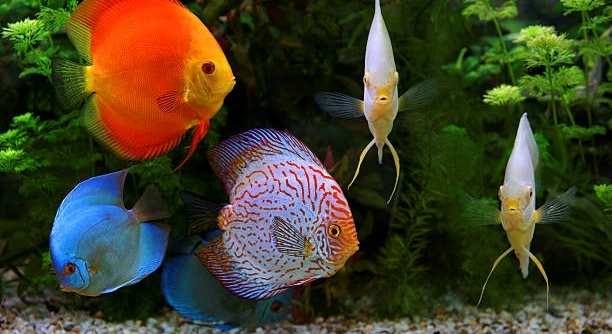
Discus fish are popular in home aquariums for their bright colors and calm nature. Many owners enjoy watching their behavior and forming bonds with them. Sometimes, these fish lose a tank mate, which can change the dynamics.
Discus fish may show signs of stress or altered behavior after losing a companion, but there is limited evidence to confirm true loneliness. Their social needs depend on species and environment, with some adapting well to being alone.
Understanding how discus fish respond to loss can help improve their care and well-being in your aquarium. There are important details about their behavior and social habits worth exploring.
How Discus Fish Interact Socially
Discus fish are naturally social creatures. In the wild, they live in groups, often called schools, which provide safety and comfort. These groups help reduce stress and encourage natural behaviors such as feeding and breeding. When kept in an aquarium, discus tend to do better when they have companions. Without other fish around, they may become less active or show signs of stress. However, not all discus react the same way. Some adapt to living alone if the environment is stable and comfortable. The tank size, water quality, and feeding routine also affect their mood and health. Observing your discus closely after losing a tank mate is important to understand how they cope. Changes like hiding more often or reduced eating can signal discomfort. Creating a peaceful tank with proper care supports discus fish, helping them stay healthy even if alone.
Discus fish communicate through body language and subtle movements. This helps them stay connected in groups.
A peaceful, well-maintained aquarium encourages discus to express natural social behavior. Understanding these signals helps owners provide better care and spot any issues early on. Watching how discus interact can reveal their comfort level and emotional state. When they lose a tank mate, owners should watch for changes in swimming patterns or appetite. Sometimes, adding new companions slowly can help them adjust. Other times, they simply need extra attention and a stable environment to feel secure again. Supporting their social needs ensures they thrive, whether alone or with others.
Signs Your Discus Fish May Be Feeling Lonely
Discus fish can show different behaviors when stressed or lonely. These may include hiding more often, losing interest in food, or swimming less actively.
If you notice your discus spending more time alone in a corner or hiding behind decorations, it could mean they are feeling unsettled. They might stop eating as much or become less responsive to your presence. Sometimes, they swim slower or float near the surface. These signs don’t always mean loneliness but can signal discomfort or stress. Checking water conditions and tank setup is important to rule out other causes.
Watching your discus carefully helps catch early changes. Addressing these signs quickly by improving their environment or adding companions can improve their mood and health. Maintaining good water quality and stable conditions supports their well-being, especially after losing a tank mate.
How to Help a Discus Fish Adjust After Loss
Replacing a lost tank mate too quickly can cause more stress. It’s best to wait and observe your discus first.
Give your discus extra attention and keep the tank stable during this time. Regular feeding and water changes provide comfort and routine. Once your fish seems calmer and is eating well, consider slowly introducing a new companion. New fish should be healthy and compatible with discus to avoid aggression.
Rearranging decorations can help create fresh hiding spots and reduce territorial stress. Keeping the tank quiet and free from sudden disturbances also supports healing. Remember, patience is key. Each discus reacts differently, so giving them time to adjust without rushing changes can make a big difference in their recovery.
Understanding Discus Fish Behavior
Discus fish rely heavily on their environment to feel secure. Changes in the tank, like losing a companion, can affect their behavior.
Their response depends on their personality and past experiences. Some adapt quickly, while others need more time.
Creating a Supportive Environment
Maintaining stable water conditions is crucial for discus health and comfort. Proper temperature, pH, and cleanliness reduce stress and support immune function. Regular feeding with high-quality food keeps them nourished and energetic. Providing plants and hiding spots helps them feel safe. A calm, quiet tank encourages natural behaviors and lowers anxiety, especially after loss.
Monitoring Long-Term Well-Being
Keep track of your discus fish’s behavior over weeks. Changes can be subtle but important. Regular observation helps catch problems early, ensuring they stay healthy and comfortable.
FAQ
Can discus fish really get lonely after losing a tank mate?
Discus fish do form social groups, so losing a tank mate can affect their behavior. However, “loneliness” in fish isn’t the same as in humans. They may show signs of stress or become less active, but this usually depends on their environment and personality. Some discus adjust well to being alone if the tank conditions are stable and they have enough space. Keeping good water quality and a calm atmosphere helps them feel secure during changes.
How long does it take for discus fish to recover after a loss?
Recovery time varies. Some discus may start acting normal within a few days, while others take weeks to settle. The speed of adjustment depends on factors like tank size, water conditions, and the presence of hiding spots. Owners should watch closely for changes in appetite, swimming, and activity levels. Offering a consistent routine and minimizing stress during this time is essential.
Should I add a new fish immediately after one dies?
It’s better to wait before adding a new discus or any fish. This gives your remaining fish time to adjust to the change and reduces stress. A waiting period of one to two weeks is often recommended. This also allows you to check for any illness that might have caused the loss. When introducing a new fish, do it slowly and watch for signs of aggression or stress.
What are the signs that my discus fish is stressed?
Stress in discus fish shows as hiding, loss of appetite, rapid breathing, or erratic swimming. They may also color dull or develop spots. Stress weakens their immune system, making them prone to disease. Monitoring these signs early helps you take action to improve tank conditions or reduce stressors.
Can tank size affect how discus handle losing a companion?
Yes, tank size plays an important role. Larger tanks with plenty of space and hiding places make it easier for discus to feel secure, even alone. Smaller tanks can increase stress because fish feel cramped and vulnerable. Providing enough room and environmental enrichment supports better behavior and reduces loneliness signs.
How can I tell if my discus fish is lonely or just stressed from other causes?
Distinguishing loneliness from other stress causes can be tricky. Loneliness usually shows as withdrawal from normal activities, like reduced swimming or feeding after losing a tank mate. Other stressors—poor water quality, illness, or aggression—can cause similar symptoms. Testing water and checking for disease helps rule out other issues.
Is it okay to keep discus fish alone long term?
While discus are social, some can live alone if their environment is well maintained. Long-term isolation isn’t ideal, but it’s manageable with careful attention to tank conditions and enrichment. If you keep a single discus, be extra vigilant about stress signs and maintain a stable routine.
What types of companions are best for discus fish?
Other discus are the best companions, as they share similar needs and behaviors. If adding different species, choose peaceful fish that thrive in the same water conditions. Avoid aggressive or overly active fish that may stress your discus. Research compatibility before adding new tank mates.
Does rearranging the tank help after a fish dies?
Yes, rearranging decorations can help reduce territorial behavior and give your discus a fresh environment to explore. New hiding spots can reduce stress and encourage natural activity. Just make sure changes are gradual to avoid additional stress.
How important is water quality when dealing with fish loss?
Water quality is critical. Poor water conditions increase stress and make recovery harder for your discus. Regular water changes, testing, and maintaining stable temperature and pH are essential to keep your fish healthy and comfortable, especially after losing a tank mate.
Can discus fish recognize their owners?
Discus fish can recognize people who feed and care for them. They often respond by swimming closer or showing curiosity. This recognition builds trust and may help reduce stress in a well-maintained tank environment.
What should I feed discus fish to keep them healthy during stressful times?
High-quality, varied food is best. Include pellets, flakes, and frozen or live foods like bloodworms or brine shrimp. Nutritious food supports immune health and helps discus regain strength after stress. Feeding smaller amounts multiple times a day encourages eating.
How often should I check on my discus after losing a companion?
Daily observation is ideal. Look for changes in behavior, appetite, or appearance. Early detection of issues allows for quick intervention. Keep a calm environment to avoid adding stress during this sensitive period.
Can stress from losing a tank mate cause illness in discus fish?
Yes, stress lowers immune defenses, making discus more vulnerable to infections like ich or fin rot. Maintaining good water quality and reducing stress helps prevent disease. Treat illnesses promptly to avoid spreading in the tank.
What’s the best way to introduce a new discus to the tank?
Acclimate new fish slowly by floating their bag in the tank to equalize temperature. Gradually mix tank water into the bag before release. Observe closely for aggression and separate if needed. Adding multiple new fish at once can reduce bullying.
How can I keep discus fish happy without other fish?
Providing a stable, clean tank with plenty of plants and hiding places helps. Regular feeding and gentle interaction build comfort. Some owners play soft background noise to reduce sudden disturbances. A calm, enriched environment encourages natural behavior and reduces stress.
Discus fish are unique creatures with their own ways of reacting to changes in their environment. Losing a tank mate can affect them, but not all discus respond in the same way. Some may show signs of stress or behave differently for a while, while others adjust more quickly and continue to thrive. It is important to remember that what we see as loneliness in fish is not exactly like human emotions. Instead, their reactions usually relate to changes in their comfort and safety. Observing your discus carefully after a loss helps you understand what they need most during this time.
Creating a calm and stable environment is key to helping discus fish recover after losing a companion. Good water quality, proper feeding, and a comfortable tank setup make a big difference in their well-being. Adding hiding places or rearranging the tank can also help reduce stress. Sometimes, slowly introducing new tank mates helps your discus feel more secure again, but it should be done with care to avoid causing more problems. Giving your fish time and attention is essential, as rushing changes might make them more anxious. Every discus is different, so patience and careful observation are very important.
Ultimately, caring for discus fish means paying close attention to their behavior and needs, especially after a change like losing a tank mate. While they may not experience loneliness as humans do, they do rely on a stable, supportive environment to stay healthy and happy. By keeping their tank clean, feeding them well, and providing a peaceful space, you can help your discus feel secure and comfortable again. Understanding their habits and responding gently to changes will support their long-term health and ensure they continue to be a beautiful, peaceful presence in your aquarium.

Hello,
If you enjoy the content that we create, please consider saying a "Thank You!" by leaving a tip.
Every little bit helps us continue crafting quality advice that supports the health, happiness, and well-being of pets around the world, for pets of all shapes, sizes, and species.
We really appreciate the kindness and support that you show us!