
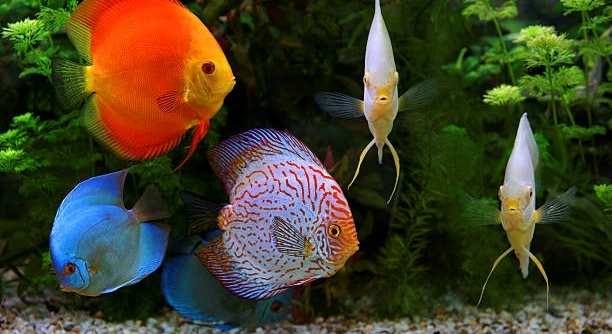
Discus fish are popular aquarium pets known for their vibrant colors and calm nature. Many owners wonder about their behavior and how to keep them active and healthy in home tanks. Understanding their needs helps improve their care.
Discus fish can exhibit signs of boredom when kept in unstimulating environments. Lack of interaction, insufficient tank enrichment, and repetitive surroundings may lead to stress and inactivity. Providing environmental complexity and social engagement helps maintain their mental and physical well-being.
Proper tank setup and regular interaction can enhance your discus fish’s environment. This article explains how to recognize boredom and offers practical steps to improve their quality of life.
Signs Your Discus Fish Might Be Bored
Discus fish are social and intelligent creatures that need stimulation to stay healthy. When they lack mental or physical activity, they can become lethargic or show unusual behavior. Common signs of boredom include reduced movement, hiding frequently, or repetitive swimming patterns. Sometimes, discus may lose appetite or appear stressed, which indicates they need environmental changes. Providing hiding spots, plants, and varied tank decorations can help. Observing your fish regularly helps catch early signs of boredom, allowing you to adjust the environment accordingly. Ensuring proper water conditions and tank mates also plays a role in maintaining their well-being. When discus have a more engaging environment, they tend to display natural behaviors like exploring and socializing. These changes improve their overall health and reduce stress-related issues. It’s important to balance tank complexity with proper maintenance to prevent overwhelming your fish.
Adding visual and physical stimulation encourages activity and supports their natural habits.
Creating an enriching environment benefits discus fish and helps maintain their long-term health.
How to Keep Your Discus Fish Engaged
Adding plants, driftwood, and hiding places provides areas for exploration and security. Regularly changing decorations or rearranging the tank can prevent monotony. Interactive feeding, like using floating pellets or feeding from different spots, also keeps them active. Tank mates should be compatible and non-aggressive to avoid stress. Environmental enrichment stimulates their instincts and encourages movement. Offering a variety of foods supports both physical health and interest. Clean water with stable parameters is essential for their comfort. Maintaining a routine with small changes can make a significant difference. These steps help discus fish avoid boredom and stay vibrant in appearance and behavior.
Creating an engaging habitat involves ongoing attention and small adjustments to keep discus active. Maintaining a balance between stimulation and comfort promotes a healthy aquarium environment.
Common Mistakes That Cause Boredom in Discus Fish
Overcrowding the tank can stress discus fish and limit their movement, increasing boredom. Using a bare tank with no decorations removes opportunities for exploration and hiding. Feeding the same type of food daily can reduce their interest and activity. Ignoring water quality leads to discomfort, causing lethargy and disinterest. It is important to maintain proper tank size, introduce environmental variety, and provide a balanced diet.
Discus fish need enough space to swim freely. Crowded tanks prevent natural behavior and cause stress. A tank without plants or hiding spots lacks stimulation, which is vital for their mental health. Feeding live or varied foods mimics their natural diet and encourages foraging. Water conditions must be stable and clean to avoid discomfort. Regular maintenance and monitoring are essential to keep discus active and healthy.
Providing a well-structured environment requires thoughtful planning. Avoid overcrowding, include decorations for stimulation, and offer diverse feeding. Stable water conditions help discus thrive. Each of these factors prevents boredom and promotes their natural behavior.
Benefits of a Well-Stimulated Environment
A properly enriched tank improves discus fish health, reduces stress, and encourages natural behaviors like schooling and exploring. It helps maintain vibrant colors and activity levels.
Environmental enrichment also supports immune function by reducing stress-related illnesses. Stimulated discus fish eat better and grow stronger. Observing their behavior in a varied habitat is rewarding and confirms their well-being. Changes like plants, structures, and interactive feeding can extend their lifespan by promoting a healthier lifestyle. Regular attention to tank setup keeps the fish engaged and happier. This creates a positive environment for discus and other tank inhabitants.
Maintaining stimulation requires ongoing effort but provides clear benefits. Active discus fish display healthier colors, behavior, and vitality. A thoughtful setup enhances their quality of life and longevity in captivity.
How to Introduce New Stimuli to Your Discus Tank
Start by adding one or two new decorations at a time to avoid overwhelming your fish. Use live plants or smooth driftwood to create natural hiding spots. Rearranging tank elements occasionally keeps the environment fresh and encourages exploration.
Observe how your discus respond to changes. Some may be cautious at first but will adapt quickly. Introducing varied food types gradually also adds interest. Keep changes subtle and slow for the best results.
Using Live Plants to Reduce Boredom
Live plants provide cover and improve water quality by absorbing nitrates. They create a natural setting that discus fish find comforting. Plants like Amazon swords and Java fern thrive in discus tanks with stable conditions. Besides aesthetics, plants encourage natural behaviors like hiding and grazing. They also soften lighting, reducing stress. Plant roots and leaves offer surfaces for beneficial bacteria. Live plants improve overall tank health and contribute to mental stimulation.
Importance of Tank Maintenance for Active Discus
Regular cleaning and water changes keep the tank healthy and comfortable. Maintaining stable water parameters reduces stress and encourages activity. Consistent maintenance supports a lively environment.
Can discus fish really get bored?
Yes, discus fish can experience boredom when their environment lacks stimulation. In captivity, their natural behaviors such as exploring, foraging, and socializing can be limited if the tank is bare or overcrowded. Boredom often results in inactivity, stress, and even illness. Keeping their environment enriched helps reduce these issues.
What are the signs of boredom in discus fish?
Common signs include reduced movement, hiding excessively, repetitive swimming patterns, and loss of appetite. Bored discus may also appear lethargic or stressed, showing dull colors and less interaction with tank mates. Observing your fish daily helps identify these early signs so adjustments can be made.
How can I make my discus fish’s tank more interesting?
Introduce live plants, driftwood, and rocks to create hiding spots and varied terrain. Rearranging decorations occasionally offers new exploration areas. Using floating or sinking foods placed in different locations encourages natural foraging behavior. Also, adding compatible tank mates promotes social interaction.
Are there any foods that can help keep discus engaged?
Yes. Offering a varied diet that includes live or frozen foods such as bloodworms, brine shrimp, and daphnia stimulates natural hunting instincts. Rotating food types prevents boredom and supports better nutrition. Feeding small amounts several times a day keeps discus active and interested.
How important is water quality for preventing boredom?
Water quality is critical. Poor water conditions cause stress and reduce activity, mimicking signs of boredom. Stable temperature, pH, and clean water keep discus comfortable and energetic. Regular water changes and testing maintain these conditions, helping fish stay healthy and active.
Can tank size affect discus boredom?
Definitely. Small or overcrowded tanks limit swimming space and natural behavior, leading to stress and boredom. Discus require at least 50 gallons for a small group to thrive. More space allows for better social interaction and room to explore.
What tank mates work well with discus fish?
Calm, non-aggressive species like tetras, Corydoras catfish, and some dwarf cichlids complement discus well. These companions add movement and interaction without causing stress. Avoid aggressive or overly active fish, as they can intimidate discus and increase boredom through stress.
How often should I change the tank environment?
Changes should be gradual, every few weeks or months, to prevent stressing the fish. Rearranging decorations or introducing new plants slowly keeps the tank engaging. Sudden or frequent changes can cause anxiety, so balance is key.
Is it necessary to interact with discus fish?
While discus are not interactive like some pets, they respond to feeding routines and tank presence. Talking softly or moving near the tank can trigger curiosity. Regular interaction helps establish a routine and reduces boredom.
Can boredom lead to health problems in discus fish?
Yes, prolonged boredom and stress weaken the immune system, making discus more vulnerable to diseases such as ich, fin rot, and internal infections. Keeping them mentally and physically active supports their overall health and longevity.
Final Thoughts
Discus fish need an environment that keeps them active and healthy. Boredom can affect their behavior and well-being, so providing stimulation is important. A bare tank with no plants or decorations limits their natural instincts like exploring and hiding. When discus do not have enough mental or physical activity, they may become less active, stressed, or show signs of illness. These problems can be avoided by creating a tank setup that encourages natural behaviors. Adding live plants, driftwood, and places to hide can make the tank more interesting for them. Changing the arrangement occasionally also helps keep their environment fresh. A varied diet supports both physical health and mental engagement. Feeding different types of food encourages foraging behavior, which reduces boredom. Monitoring water quality and maintaining a clean tank creates a comfortable space where discus fish can thrive.
Stress and boredom are closely linked in discus fish. When their needs are not met, they may become lethargic or hide too much. These behaviors indicate they are not comfortable or stimulated enough. Stress can also weaken their immune system, increasing the risk of diseases. Keeping discus active through environmental enrichment supports their health and longevity. Proper tank size is also essential. Overcrowding limits their movement and social interaction, which are important for their well-being. Choosing compatible tank mates adds social stimulation without causing aggression. Gradual changes in the tank setup, such as adding new plants or rearranging decorations, keep the fish interested. Avoid sudden or frequent changes that might cause anxiety. Overall, a balanced, stimulating environment helps discus fish stay healthy, active, and vibrant.
Maintaining an engaging habitat requires regular attention and care. Discus fish show clearer colors and better behavior when their needs are met. Providing stimulation is not just about adding decorations but also about maintaining water quality and offering a balanced diet. Observing your discus daily helps you spot signs of boredom or stress early, allowing timely adjustments. The goal is to create a stable yet interesting environment where discus can express their natural behaviors. Taking these steps will improve their quality of life and make caring for them more rewarding. Well-stimulated discus fish are healthier, more active, and more enjoyable to watch in the aquarium.

Hello,
If you enjoy the content that we create, please consider saying a "Thank You!" by leaving a tip.
Every little bit helps us continue crafting quality advice that supports the health, happiness, and well-being of pets around the world, for pets of all shapes, sizes, and species.
We really appreciate the kindness and support that you show us!