
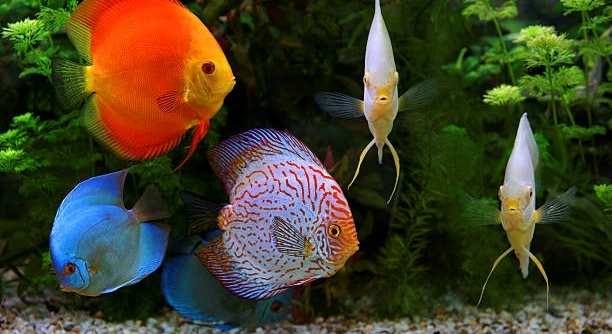
Discus fish are popular aquarium pets known for their vibrant colors and graceful movements. Many enthusiasts enjoy interacting with them and wonder about their potential for hand feeding. Training discus fish to eat from the hand requires patience and consistent effort.
Discus fish can be trained to eat from the hand, though it takes time and regular practice. They respond to familiar feeding routines and gentle approach, which helps reduce their natural wariness. Positive reinforcement encourages hand feeding behavior over time.
Learning how to hand-feed discus fish enhances the bonding experience and can improve their overall care and interaction within the aquarium environment.
Understanding Discus Fish Behavior
Discus fish are naturally cautious and tend to be shy around new stimuli, including human hands. Their instinct is to retreat from anything unfamiliar, which can make hand feeding challenging at first. These fish are social and prefer calm, stable environments with minimal sudden movements. They recognize their feeders over time by associating the presence of a hand with food. Consistency in feeding times and gentle hand movements help build this recognition. It is important to approach slowly and avoid abrupt actions that might scare the fish. Over several weeks, they can become comfortable enough to accept food directly from a hand. Patience is essential because forcing interaction can increase stress, negatively affecting their health and appetite.
Regular feeding routines help discus fish anticipate hand feeding sessions. They rely on visual and sensory cues to learn when and where to expect food. Gradual exposure is key.
The learning process requires dedication. Observing their reactions closely and adjusting the approach accordingly will lead to success. Keeping the tank environment peaceful and maintaining water quality further supports their comfort and willingness to feed by hand.
Preparing to Train Your Discus to Eat from Your Hand
Before starting hand feeding, ensure your discus fish are healthy and comfortable in their environment. A well-maintained aquarium with stable water parameters reduces stress, which can otherwise hinder training progress. Begin by offering food in the usual manner but introduce your hand gently into the tank during feeding times. Avoid quick or sudden movements to prevent frightening the fish. It helps to use small pieces of food that are easy for them to grasp. Repetition is important—offer food from your hand consistently at the same time each day.
Introduce hand feeding slowly to build trust without overwhelming the fish.
Gradually, the fish will associate your hand with food and begin to approach willingly. At this stage, avoid trying to touch them; focus solely on feeding. Using high-quality food that they prefer can also motivate them to come closer. If they retreat, reduce the frequency and allow more time between sessions. The key is to let the fish lead the interaction and progress at their own pace. Hand feeding is a delicate process that rewards patience and careful observation.
Tips for Successful Hand Feeding
Consistency is crucial when training discus fish to eat from your hand. Feed them at the same time and place daily. Use small, favorite food pieces to encourage them to come closer.
Patience is essential. Avoid rushing the process, as discus fish can be shy and easily stressed. Start by placing food near your hand and gradually move it closer over several days. Remain calm and quiet during feeding to prevent startling them. If the fish seem hesitant, reduce your hand movements and give them time to adjust. Positive reinforcement through gentle, slow actions helps build trust. Never force them to eat from your hand, as this may cause fear and regression in their behavior.
Cleaning your hands before feeding is important to avoid introducing harmful substances into the tank. Using bare hands instead of feeding tools creates a more natural interaction. Maintain a relaxed posture to keep the fish comfortable. Consistent training combined with a stable tank environment supports the fish’s willingness to eat from the hand.
Common Challenges When Training Discus Fish
Discus fish may show initial reluctance to eat from the hand due to their natural caution. Stress from new interactions can delay training progress. Sudden movements or loud noises often cause the fish to retreat.
Some discus fish take longer to adjust than others. Individual temperament and previous experiences affect their willingness to approach. Environmental factors like water quality, tank mates, and lighting also impact behavior. Inadequate water conditions or aggressive tank mates can increase stress, making hand feeding difficult. Observing the fish’s responses and adjusting the training pace accordingly is important. If progress stalls, try modifying the feeding routine or improving tank conditions. Avoid forcing interaction, as patience and respect for the fish’s comfort level yield better results over time.
Tools That Can Help
Using feeding tongs or tweezers can assist in the early stages of hand feeding. They allow better control over food placement without sudden hand movements. This can help build fish confidence.
Slowly moving the food closer to your hand helps discus fish adjust to your presence. These tools reduce stress by minimizing direct contact at first.
Choosing the Right Food
High-quality, nutritious food is essential for successful hand feeding. Discus fish prefer foods like bloodworms, brine shrimp, and specially formulated pellets. Fresh or frozen options often work better than dry flakes because they are more enticing and easier to handle by hand.
Proper nutrition supports their health and encourages active feeding behavior, which helps in training.
Safety Tips When Hand Feeding
Always wash your hands thoroughly before feeding to avoid contaminating the water. Avoid using lotions or scented soaps that may harm the fish. Be gentle and avoid sudden movements to keep the fish calm during feeding.
FAQ
Can all discus fish be trained to eat from the hand?
Most discus fish can be trained to eat from the hand, but success depends on the individual fish’s temperament and environment. Some are naturally more cautious, while others adjust quickly. Consistent and gentle training increases the likelihood that any discus will accept hand feeding over time.
How long does it usually take for discus fish to eat from the hand?
The time frame varies widely, but it often takes several weeks to a few months. Patience is key. Daily, calm feeding sessions without rushing help the fish become comfortable. Avoid forcing interaction, as this can delay progress.
What if my discus fish won’t come near my hand?
If your discus fish are avoiding your hand, reduce the frequency of hand feeding attempts and return to feeding them with tools or dropping food in the tank. Make sure your movements are slow and gentle. Check the water quality and tank conditions to ensure the fish are not stressed.
Is it safe to feed discus fish directly from the hand?
Yes, feeding discus fish by hand is safe if your hands are clean and free of chemicals like soap or lotion. Always wash your hands thoroughly before reaching into the tank to prevent contamination. Be gentle to avoid stressing or harming the fish.
What type of food works best for hand feeding discus?
Soft, small, and appealing foods like bloodworms, brine shrimp, and frozen or live treats work best. These foods are easier for the fish to grasp and more enticing. Avoid dry flakes initially, as they may not encourage close interaction.
Can hand feeding improve the bond with discus fish?
Hand feeding can enhance trust and interaction, making the fish more comfortable around you. This process can reduce their natural wariness and allow for closer observation of their health and behavior.
Will hand feeding make discus fish aggressive?
Discus fish are generally peaceful and will not become aggressive due to hand feeding. They may become more confident and curious, but aggression is uncommon. Monitor the fish to ensure that tank dynamics remain balanced.
What if my discus fish bites my finger?
Discus fish do not have teeth strong enough to cause harm. If a fish nips at your finger, it is usually out of curiosity or accidental. Avoid sudden movements to prevent startling them. If nipping persists, reassess your feeding method or the fish’s comfort level.
Should I stop hand feeding if the fish show signs of stress?
Yes. If the fish display signs of stress such as rapid swimming, hiding, or loss of appetite, pause hand feeding. Focus on improving tank conditions and try again later when the fish are calmer.
How often should I hand feed discus fish?
Start with once daily sessions to avoid overfeeding. Consistency helps fish recognize the routine. As they become comfortable, you can adjust the frequency based on their appetite and tank needs.
Can hand feeding affect the health of discus fish?
When done properly, hand feeding does not harm discus fish and can even encourage better eating habits. Ensure the food is fresh and appropriate for their diet. Maintain good tank hygiene to prevent contamination.
Is hand feeding recommended for beginners?
Hand feeding requires patience and a gentle approach. Beginners can succeed with calm and consistent practice but should first ensure their discus fish are healthy and accustomed to their environment before attempting hand feeding.
What if my discus fish only eat from the hand and refuse other food?
If discus fish become reliant on hand feeding, try gradually reintroducing other feeding methods. Use a mix of hand feeding and traditional feeding to keep their diet balanced and maintain their natural feeding behaviors.
Can I use feeding rings or platforms to train discus fish?
Feeding rings or platforms can help concentrate food and reduce mess but may not encourage hand feeding directly. Use them in combination with hand feeding to help the fish associate specific areas and times with food.
Are there risks of disease from hand feeding?
If hygiene is maintained, risks are minimal. Always wash hands before feeding to avoid introducing harmful bacteria or chemicals. Observe the fish for any signs of illness and maintain regular tank cleaning.
How do I know when my discus fish are ready to eat from my hand?
Signs include approaching your hand without fear, actively following it, and taking food from nearby before accepting it directly. This readiness develops gradually with consistent training.
Can other fish in the tank interfere with hand feeding discus?
Yes, more aggressive or faster feeders can scare discus fish away. Consider separating discus during hand feeding or training them in a quieter tank section to avoid competition.
What should I do if my discus fish lose interest in hand feeding?
Take a break from hand feeding and return to traditional feeding methods. After some time, try again with fresh food and calm, slow movements to regain their interest.
Is it normal for discus fish to be hesitant at first?
Yes, hesitation is a natural response. Discus fish rely heavily on safety cues and need time to feel secure. Patience and gentle repetition are crucial for success.
Training discus fish to eat from your hand is possible with patience and consistent effort. These fish are naturally cautious, so building their trust takes time. It is important to maintain a calm and steady approach while feeding. Avoid rushing the process or making sudden movements that may startle them. By feeding at regular times and using gentle motions, discus fish can learn to associate your hand with food and become more comfortable with close interaction. This gradual adaptation helps create a better connection between you and your fish without causing stress.
Maintaining good water quality and a peaceful environment is just as important as the training itself. Stress from poor tank conditions or aggressive tank mates can prevent discus fish from feeling safe enough to accept food from your hand. Monitoring water parameters and keeping the tank clean will encourage healthy behavior. Feeding high-quality, appropriate foods also supports their health and appetite. When discus fish are healthy and comfortable, they are more likely to respond positively to hand feeding sessions.
While hand feeding discus fish can enhance your experience and deepen your bond with them, it requires dedication and patience. Not every fish will respond the same way, so adjusting your approach based on their behavior is essential. If they show signs of stress or reluctance, it is best to slow down or pause training. Respecting their natural instincts and comfort levels will lead to better results over time. Hand feeding is a rewarding practice that, when done correctly, benefits both the fish and the owner.

Hello,
If you enjoy the content that we create, please consider saying a "Thank You!" by leaving a tip.
Every little bit helps us continue crafting quality advice that supports the health, happiness, and well-being of pets around the world, for pets of all shapes, sizes, and species.
We really appreciate the kindness and support that you show us!