
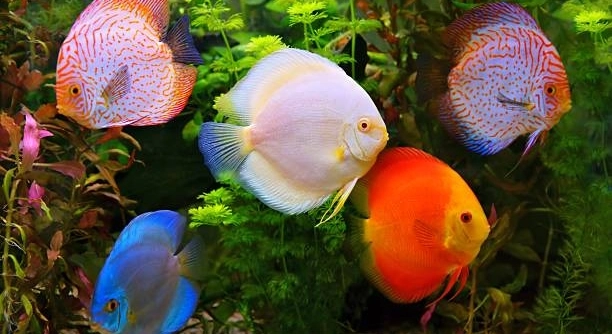
Keeping different fish species together in one tank can be challenging. Many fishkeepers wonder about combining discus and goldfish because both are popular but have very different needs. Understanding their compatibility is important for a healthy aquarium.
Discus and goldfish should not be kept together in the same tank. They have different temperature and water quality requirements, and goldfish produce more waste, which can harm discus health. Mixing these species often leads to stress and poor conditions for both fish.
Learning about the specific needs of each species will help you make better choices for your aquarium setup. This article will explore the key reasons why discus and goldfish are not ideal tankmates.
Differences in Temperature Needs
Discus fish thrive in warm water, typically between 82°F and 86°F. They come from tropical environments where the water is stable and soft. Goldfish, on the other hand, prefer cooler water temperatures, usually between 65°F and 75°F. This difference makes it difficult to keep both species comfortable in the same tank. If the water is too warm for goldfish, they may become stressed or sick. If it is too cool for discus, they can lose their appetite and become weak. Besides temperature, discus require very clean, soft, and slightly acidic water, while goldfish can tolerate harder, less acidic conditions. Maintaining the right balance for both is almost impossible, and compromises often end up harming one or both fish. These contrasting needs mean that keeping discus and goldfish together is not practical for their health and wellbeing.
The temperature difference between discus and goldfish is a major reason they should not share a tank.
The warm water discus need speeds up goldfish metabolism, causing them stress and possible health issues. Goldfish produce more waste in warm water, which pollutes the tank faster. This can lead to poor water quality, harming the sensitive discus. Trying to meet the needs of both species usually results in a tank that isn’t ideal for either. It’s better to provide each fish with its own environment suited to its natural habitat to keep them healthy and happy.
Differences in Behavior and Diet
Discus are calm, slow swimmers and prefer a peaceful tank environment. Goldfish are more active and can be messy eaters. They often disturb the substrate and plants while searching for food, which can stress the more delicate discus. Discus require a protein-rich diet, including specialized pellets, frozen foods, and live food, while goldfish are omnivores that eat flakes, pellets, and plant matter. Feeding both species in the same tank is tricky because their diets differ. Overfeeding goldfish to meet their appetite can pollute the water, and food leftovers may harm discus health. These behavioral and dietary differences make it hard to maintain harmony and proper nutrition when keeping discus and goldfish together. It’s safer to separate them to ensure each fish gets the care it needs.
Tank Size and Environment
Discus need spacious tanks with stable conditions, usually at least 50 gallons for a small group. Goldfish also require large tanks but produce much more waste, demanding stronger filtration.
Goldfish’s high waste production affects water quality quickly, forcing more frequent water changes. Discus are sensitive to poor water quality, so combining the two puts discus at risk. The tank environment suitable for goldfish often includes gravel and robust plants, while discus prefer soft substrates and gentle décor to avoid stress. Mixing these environments makes it hard to satisfy both species.
Goldfish’s active nature can uproot plants and stir the substrate, disturbing discus. They prefer calm water with minimal current, whereas goldfish thrive in more aerated conditions. Balancing these needs in one tank is nearly impossible, leading to discomfort and health problems for discus.
Disease Risks
Goldfish are prone to carrying parasites and bacteria that may not harm them but can infect discus. Their immune systems differ, making discus more vulnerable to diseases from goldfish.
Introducing goldfish into a discus tank raises the chance of spreading illness, especially if quarantine measures aren’t followed. Diseases like ich and fin rot can quickly spread in mixed tanks, putting discus at serious risk. Preventing disease requires strict hygiene and careful monitoring, which is harder when two species with different needs are kept together.
Discus are generally more delicate and can suffer prolonged stress if exposed to infections from goldfish. The stress lowers their immune response, making recovery difficult. Keeping these species separate reduces the chance of disease transmission and helps both stay healthier.
Water Quality Challenges
Maintaining stable water quality is difficult when keeping discus and goldfish together. Goldfish produce more waste, which can quickly pollute the tank. This creates a stressful environment for discus, who need very clean water to stay healthy.
Frequent water changes and strong filtration are required, but even then, it is hard to maintain ideal conditions for both species at once.
Social Behavior Differences
Discus are peaceful and shy, preferring calm tankmates. Goldfish are more active and can be boisterous, which may stress discus. This behavioral mismatch often leads to conflict or hiding, harming discus wellbeing.
Ideal Tank Mates for Discus
Choosing tankmates that share similar water and temperature needs with discus is important. Species like cardinal tetras or dwarf cichlids are better options. These fish are calmer and thrive in warm, soft water, creating a balanced environment.
Summary of Key Points
Discus and goldfish have incompatible needs in temperature, behavior, and water quality. Keeping them together risks health and stress issues for discus.
FAQ
Can discus and goldfish live together in the same tank?
Discus and goldfish cannot live comfortably in the same tank for long. They need very different water temperatures and conditions. Goldfish prefer cooler water and produce more waste, while discus need warmer, cleaner water. Mixing them often causes stress and health problems.
What temperature do discus need?
Discus thrive in water temperatures between 82°F and 86°F. This warm range supports their metabolism and immune system. Cooler temperatures, like those preferred by goldfish, can weaken discus and cause illness.
Why is water quality so important for discus?
Discus are sensitive to water quality and require clean, soft, and slightly acidic water. Poor water quality leads to stress and disease. Goldfish produce a lot of waste, which can quickly degrade water quality and harm discus if kept together.
Can goldfish spread diseases to discus?
Yes, goldfish can carry parasites and bacteria that might not affect them but can infect discus. Discus have weaker immune systems and are more vulnerable. Keeping these species separate reduces disease risk.
What are good tankmates for discus?
Tankmates that share similar water needs and calm behavior work best. Species like cardinal tetras, rummy-nose tetras, and some dwarf cichlids match discus well. These fish thrive in warm, soft water and don’t disturb the tank.
How big should a discus tank be?
A discus tank should be at least 50 gallons for a small group of discus. They need plenty of space to swim and stable water conditions. Bigger tanks help maintain water quality more easily.
Why do goldfish produce more waste than discus?
Goldfish have faster metabolisms and eat more often. Their digestion results in more waste, which pollutes the water faster. This makes keeping them with discus risky because discus need very clean water.
Is it possible to keep discus and goldfish together if the tank is very large?
Even in large tanks, it’s difficult to keep discus and goldfish together safely. Their different temperature needs and waste production still create problems. It’s better to provide separate tanks for each species to ensure their health.
What happens if discus get stressed by goldfish?
Stress in discus weakens their immune system, reduces appetite, and makes them more prone to disease. Chronic stress can lead to death. Avoid mixing goldfish with discus to prevent this.
How often should water changes be done in a tank with discus?
Water changes should be frequent, around 25-50% weekly, to keep water clean. In tanks with goldfish, even more frequent changes are needed due to higher waste, which is not ideal for discus.
Can goldfish and discus eat the same food?
No, their diets differ. Discus require high-protein foods like pellets, frozen bloodworms, and live food. Goldfish are omnivores and eat flakes, pellets, and plant matter. Feeding both in one tank can be complicated and cause nutritional problems.
What should I do if I accidentally mix goldfish and discus?
If mixing occurs, monitor water quality closely and watch for signs of stress or illness. Perform frequent water changes and consider separating them as soon as possible to protect discus health.
Are there any exceptions where discus and goldfish can coexist?
Exceptions are very rare. Some experienced hobbyists try special setups with precise filtration and temperature control, but this requires advanced knowledge and constant care. For most keepers, it’s not recommended.
How can I keep discus healthy in a community tank?
Choose peaceful, warm-water species with similar needs. Maintain stable water temperature and quality, avoid overcrowding, and feed proper diets. Regular water tests and changes are essential to discus health.
What signs show that discus are stressed by tankmates?
Signs include hiding, loss of appetite, faded colors, rapid breathing, and unusual swimming. If goldfish cause these behaviors, it’s a sign they don’t belong in the same tank. Taking action quickly can prevent serious problems.
Keeping discus and goldfish together is generally not a good idea. They have very different needs when it comes to water temperature, tank conditions, and behavior. Goldfish prefer cooler water and produce a lot of waste, which can quickly pollute the tank. Discus, on the other hand, need warmer, cleaner, and softer water to stay healthy. Trying to meet both of their needs in one tank is very challenging and often causes stress or illness for the discus. This makes it safer and better to keep them in separate tanks.
The differences between these two fish go beyond just water conditions. Goldfish are active and sometimes messy swimmers, while discus are calmer and more sensitive. Goldfish can disturb plants and substrate, which stresses discus. Their diets also don’t match well. Discus require a protein-rich diet, and goldfish eat more plant-based foods. Feeding both species properly in the same tank is difficult and can lead to nutritional problems or leftover food that pollutes the water. Because of these differences, keeping discus and goldfish together usually causes more problems than benefits.
For anyone who wants to keep discus, it’s best to choose tankmates that share similar water and behavior needs. Peaceful tropical fish that like warm water, such as tetras or dwarf cichlids, make better companions. Giving discus a stable, clean environment suited to their needs helps them live longer and stay healthy. Even though goldfish are popular and fun, they do not mix well with discus. Separating these species helps ensure both get the care and environment they need to thrive.

Hello,
If you enjoy the content that we create, please consider saying a "Thank You!" by leaving a tip.
Every little bit helps us continue crafting quality advice that supports the health, happiness, and well-being of pets around the world, for pets of all shapes, sizes, and species.
We really appreciate the kindness and support that you show us!