
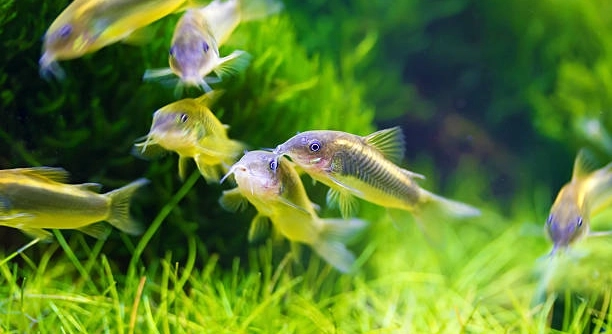
Corydoras catfish are a popular choice for freshwater aquariums. These small, peaceful fish are often admired for their playful nature and bottom-dwelling habits. However, many aquarium owners wonder whether these fish can thrive without a filter in their tanks.
Corydoras catfish can technically live without a filter, but it is not recommended. Without a filter, water quality can quickly deteriorate, which may lead to stress and illness. Regular water changes and monitoring are crucial to maintaining a healthy environment.
Maintaining proper water conditions and understanding the needs of your corydoras will help ensure their well-being.
Do Corydoras Need a Filter?
Corydoras catfish are known for being hardy and adaptable, but they still require certain conditions to thrive. While they can technically survive without a filter, doing so is not ideal. Filters help maintain water quality by removing toxins, excess food, and debris that can quickly build up in an unfiltered tank. Without a filter, these toxins can affect the health of your corydoras, causing stress or illness over time.
Even though corydoras can live without a filter, tank owners must be diligent about maintaining water quality. This includes regular water changes and possibly using a sponge filter or air pump to circulate the water without creating strong currents. It is crucial to avoid stagnant water, as this can contribute to the growth of harmful bacteria and algae.
Understanding the needs of your corydoras can help you create a healthier environment. By maintaining a clean tank and monitoring water parameters like ammonia, nitrite, and nitrate levels, you can ensure your catfish stay happy and active.
Water Changes and Maintenance
Frequent water changes are essential for corydoras without a filter.
Regular maintenance includes testing water parameters, removing waste, and replacing a portion of the water to keep it clean. Without a filter, this becomes even more important. It’s best to change 25-30% of the water weekly to avoid harmful spikes in toxins.
Additionally, maintaining a consistent temperature and ensuring the substrate is free from excess debris will support the health of your corydoras. Be mindful of water parameters and ensure the tank does not accumulate harmful substances like ammonia, which can be deadly for fish. By staying on top of tank maintenance, you can ensure a safe and clean environment for your corydoras catfish.
The Role of a Filter in Water Quality
A filter plays a crucial role in maintaining the health of an aquarium. It helps break down waste, remove excess nutrients, and improve water circulation. Without it, waste can accumulate quickly, causing toxic conditions that may stress or harm your corydoras.
Without a filter, you’ll need to manage waste and water quality manually. Removing uneaten food, excess organic material, and debris can be time-consuming. While you can use a sponge filter or an air pump for circulation, they do not replace the comprehensive filtration offered by a standard filter. Regular water changes become even more vital to keep the tank safe.
Proper filtration supports healthy bacteria colonies that break down harmful substances in the tank. In a tank without a filter, you must monitor water levels carefully, ensuring ammonia, nitrite, and nitrate are within safe ranges. Test kits are essential tools for tracking these levels.
Alternative Solutions to a Filter
If you prefer not to use a filter, consider alternative solutions to maintain water quality.
One option is adding live plants to the tank. Plants naturally absorb excess nutrients, helping to maintain a balanced environment. An air pump or sponge filter can improve water circulation, although they are not as effective as a full filter. This combination provides a gentle flow that won’t disturb your corydoras.
Additionally, a well-maintained tank with plenty of live plants can be self-sustaining. Plants help absorb nitrogen waste, while the substrate can host beneficial bacteria that process waste. Regular water testing and maintenance will still be needed to ensure the system stays healthy.
Water Temperature and Stability
Maintaining a stable water temperature is vital for corydoras catfish. Without a filter, it’s easy for the water temperature to fluctuate, which can stress your fish. A reliable heater ensures the tank remains within the optimal range.
Corydoras thrive in temperatures between 72°F and 78°F. It’s essential to regularly check the water temperature to avoid sudden drops or spikes. Uneven temperatures can weaken their immune system, making them more susceptible to diseases. A thermometer placed in the tank will help you monitor any temperature changes and adjust accordingly.
The Importance of Substrate
Choosing the right substrate for your tank can help maintain water quality.
Soft, fine sand is ideal for corydoras. It allows them to forage naturally without damaging their delicate barbels. Gravel can cause injury and may trap waste, affecting water quality. Keeping the substrate clean is essential for a healthy tank. Regularly vacuuming the substrate helps remove excess debris and waste.
FAQ
Can corydoras survive without a filter?
Yes, corydoras can survive without a filter, but it is not ideal. While they are hardy fish, they still need a clean environment to stay healthy. Without a filter, the water quality can deteriorate quickly, leading to the buildup of harmful substances like ammonia and nitrites. This can stress the fish and lead to health problems. Regular water changes, water testing, and substrate maintenance are essential for keeping the tank safe in the absence of a filter.
How often should I change the water without a filter?
Without a filter, you should aim to change 25-30% of the water every week. This helps remove toxins and waste that build up in the tank. In addition to regular water changes, it’s crucial to test the water for ammonia, nitrites, and nitrates to ensure the levels are safe. Without a filter, you must be more diligent about water maintenance to keep your corydoras happy and healthy.
Do corydoras need a heater?
Corydoras catfish require a heater to maintain a stable water temperature. These fish thrive in temperatures between 72°F and 78°F. Fluctuating temperatures can stress your corydoras and make them more vulnerable to disease. A reliable heater and a thermometer will help you keep the water within the optimal range, ensuring the health of your fish.
What should I feed corydoras if I don’t have a filter?
Even without a filter, you should feed your corydoras a balanced diet of sinking pellets, wafers, and occasional frozen or live food like bloodworms or brine shrimp. Be cautious not to overfeed, as uneaten food can quickly pollute the tank. A well-balanced diet, along with regular maintenance, will help your fish thrive in a filter-free environment.
Can I keep corydoras in a tank with other fish without a filter?
Yes, you can keep corydoras with other fish without a filter, but it’s important to choose tank mates that are compatible. Make sure the fish are not overly aggressive or produce too much waste, as this can negatively affect water quality. Regular maintenance and water changes become even more important when keeping multiple species together in a tank without a filter.
What’s the best substrate for corydoras without a filter?
The best substrate for corydoras is fine, soft sand. Sand allows the fish to sift through it naturally without damaging their barbels. Gravel can trap debris, which can cause water quality issues. Additionally, sand helps prevent the buildup of waste and makes it easier to clean the tank without disturbing the delicate balance of the ecosystem.
How can I keep water quality high without a filter?
To maintain water quality without a filter, you need to perform frequent water changes (about 25-30% each week). You should also regularly vacuum the substrate to remove waste. Adding live plants can help absorb excess nutrients and improve water quality. Testing the water for ammonia, nitrites, and nitrates regularly will help you keep track of the tank’s health.
Do I need to clean the tank more often without a filter?
Yes, cleaning the tank more often is necessary if you don’t have a filter. Without a filter to remove waste and circulate water, you’ll need to take on those tasks manually. Regular water changes, substrate cleaning, and removing debris are crucial to keep the tank clean and healthy for your corydoras.
Are sponge filters enough for corydoras?
Sponge filters can be a good alternative to traditional filters for corydoras, as they provide gentle filtration and water circulation. While they don’t offer the same level of filtration as a full-powered filter, they can still help maintain water quality by removing some debris and providing aeration. For best results, combine sponge filters with regular water changes and maintenance.
Can corydoras live in a tank without any filtration?
While corydoras can technically live in a tank without any filtration, it’s not recommended. Without filtration, the water can quickly become polluted, leading to stress and illness in your fish. A proper filter plays a significant role in maintaining water quality and overall fish health. If you choose to go without a filter, you must be extra diligent about maintaining the tank, performing frequent water changes, and monitoring water quality closely.
How do I prevent algae buildup without a filter?
Algae can build up in tanks without a filter, but you can take steps to control it. Limiting light exposure and removing any visible algae regularly can help. Adding live plants to the tank can help balance the ecosystem, as they absorb excess nutrients that algae thrive on. Regular water changes also help prevent algae growth by removing excess nutrients and keeping the water clean.
What’s the ideal tank size for corydoras without a filter?
The ideal tank size for corydoras without a filter should be at least 20 gallons. A larger tank provides more stable water conditions and more room for your fish to thrive. In smaller tanks, it’s harder to maintain water quality without a filter. Additionally, having a larger tank gives you more space to manage waste, add plants, and support a healthy environment for your corydoras.
Final Thoughts
Corydoras catfish are hardy and adaptable, but they still require proper care to stay healthy. While they can live without a filter, it’s important to understand the extra effort needed to maintain water quality. Without a filter, the task of keeping the tank clean and free of harmful toxins falls entirely on the tank owner. Regular water changes, substrate cleaning, and water testing become even more critical. A filter helps break down waste and maintains water circulation, making it much easier to keep the tank healthy with less effort.
If you decide to keep corydoras in a filter-free tank, consider adding live plants and a sponge filter to assist in maintaining water quality. Live plants absorb excess nutrients, while a sponge filter can help provide some water movement and oxygenation. However, you will still need to perform manual tasks like removing debris and uneaten food regularly. Without a filter, keeping up with water changes and testing is vital to prevent the buildup of ammonia, nitrites, and nitrates that can harm your fish. A consistent routine is the key to a stable environment, and monitoring the tank frequently will help catch any problems before they escalate.
In conclusion, while corydoras can live without a filter, it’s not the most convenient or ideal option. The extra work required to keep the water clean and stable is manageable but requires diligence. If you are willing to put in the time and effort, it is possible to maintain a filter-free tank. However, if you want a more hands-off approach, a reliable filter is the best solution. Regardless of your choice, always ensure that your corydoras have the right conditions to thrive, with proper water quality, temperature, and diet.

Hello,
If you enjoy the content that we create, please consider saying a "Thank You!" by leaving a tip.
Every little bit helps us continue crafting quality advice that supports the health, happiness, and well-being of pets around the world, for pets of all shapes, sizes, and species.
We really appreciate the kindness and support that you show us!