
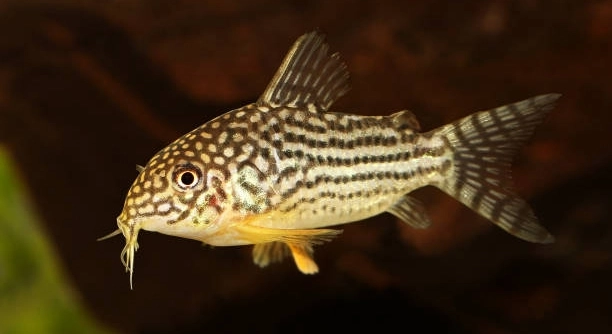
Corydoras catfish are popular aquarium fish known for their peaceful nature. Many hobbyists enjoy keeping them alongside other species, but compatibility is key to a healthy tank environment. One common question is whether they can live with goldfish.
Corydoras catfish can live with goldfish under the right conditions. However, their peaceful nature and differing care requirements, such as temperature preferences, make careful planning necessary for a successful pairing.
Understanding the needs of both fish species is essential to their well-being. By considering factors like tank size and water temperature, you can create a harmonious environment for both your corydoras catfish and goldfish.
Temperature Differences Between Corydoras Catfish and Goldfish
Corydoras catfish thrive in water temperatures ranging from 72°F to 78°F (22°C to 26°C), while goldfish prefer cooler water, around 65°F to 75°F (18°C to 24°C). This temperature gap can make it challenging to maintain an ideal environment for both species. Corydoras may become stressed if the water is too cold for their comfort. On the other hand, goldfish can tolerate slightly warmer water but may not do well in a tropical temperature range. This is an important consideration when deciding whether to house them together.
The difference in temperature preferences is a major factor when mixing these two species. You can use a temperature range that is comfortable for both, but you may notice certain behaviors change, especially with the corydoras.
To successfully house both types of fish together, it’s important to carefully monitor the water temperature. If the temperature isn’t optimal for both species, it can cause health issues like stress or disease. Consider investing in a reliable aquarium heater and thermometer to ensure consistent conditions. While it is possible to keep them together, making sure the water temperature remains stable is crucial for their well-being.
Tank Size and Space Requirements
When it comes to tank size, both corydoras and goldfish require enough room to swim comfortably. Goldfish can grow quite large, reaching up to 12 inches or more, depending on the variety. Corydoras are much smaller, typically only about 2 to 3 inches. A larger tank is necessary to accommodate both species and ensure they have space to thrive.
A 30-gallon tank is the minimum recommended size for goldfish. Adding corydoras to the mix will require even more space. At least 40 gallons is suggested to give both species ample room to move around. A larger tank also helps maintain water quality, which is important for both fish species. Goldfish are known to produce a lot of waste, so a well-filtered tank is essential for their health.
You will also need to create hiding spots for the corydoras catfish. These fish prefer to have areas where they can retreat and feel secure, especially at night or when feeling stressed. You can add plants or caves to the tank to provide shelter. This will ensure both species have a comfortable environment without competing for space.
Goldfish Feeding Habits
Goldfish are opportunistic feeders, meaning they will eat almost anything they can find. They are also known to scavenge the tank, which could lead to them eating food meant for other fish. This feeding habit may affect the corydoras catfish, which prefer a more peaceful approach to eating.
Goldfish may compete with corydoras for food, as they are often quicker to grab food. Since goldfish are bottom feeders as well, they may consume the sinking pellets intended for the corydoras, leaving the smaller fish with less to eat. To prevent this, consider using feeding rings or scattering food in different areas of the tank.
To ensure both species get the nutrition they need, you should feed the goldfish at a separate time or use slow-release food. By monitoring feeding habits, you can avoid overfeeding and ensure both the goldfish and corydoras get the right amount of food. Be mindful of their different dietary needs, as corydoras may need more protein while goldfish thrive on plant-based food.
Goldfish and Water Quality
Goldfish produce a lot of waste, which can quickly degrade water quality if not managed properly. This waste can lead to higher ammonia and nitrite levels, which are harmful to all fish in the tank, including corydoras catfish. High waste levels are particularly stressful for smaller fish that are more sensitive to changes in water chemistry.
Because of their larger size and higher waste output, goldfish demand efficient filtration. A high-quality filter capable of handling the increased load is necessary to maintain water quality in a tank shared with both species. Regular water changes are also essential to prevent harmful toxins from building up, which can lead to diseases and other health issues for both the goldfish and the corydoras.
To keep the water clean, test it regularly for ammonia, nitrites, and nitrates. It’s also important to avoid overcrowding, as this can lead to a spike in waste production and make it harder to maintain stable water conditions. Proper filtration and routine maintenance will help ensure that both species remain healthy in the same tank.
Compatibility of Temperament
Corydoras catfish are calm and peaceful, often spending their time foraging on the tank floor. Goldfish, on the other hand, are also peaceful but tend to be more active and larger. While they generally get along, the goldfish’s size and energy could stress out the smaller corydoras.
Corydoras are bottom dwellers, and goldfish may unintentionally disturb them while swimming through the tank. If the goldfish gets too active, it could cause stress or even harm to the corydoras, especially if the goldfish is overly curious or aggressive. Giving the catfish space to retreat can help.
Goldfish Growth Rate
Goldfish grow faster than corydoras, and this can lead to issues as the goldfish outgrow their tank space. In a mixed tank, this rapid growth can disrupt the balance and environment needed for the smaller corydoras catfish. A larger tank might be required to avoid stress or injury to both.
Feeding Strategies for Both Fish
To avoid food competition, consider feeding both fish types separately. Goldfish are faster eaters and may snatch food from the slower-moving corydoras. To ensure both are fed properly, you can use a feeding ring or scatter the food to different areas of the tank.
FAQ
Can Corydoras Catfish Live with Goldfish in the Same Tank?
Yes, corydoras catfish can live with goldfish, but it requires careful consideration of tank conditions. Both species have different needs when it comes to temperature, space, and feeding habits. The water temperature needs to be within a range that is acceptable to both species, and the tank should be large enough to accommodate their growth. It’s also important to provide enough food and hiding spaces for the corydoras, as goldfish might disturb or outcompete them for food.
What Size Tank Do I Need for Corydoras and Goldfish?
A minimum tank size of 40 gallons is recommended when keeping both goldfish and corydoras catfish together. Goldfish grow larger than corydoras and can require more space, so the tank needs to be large enough for them to move around freely. A bigger tank will also help with waste management, which is important as goldfish produce a lot of waste. Providing sufficient space helps prevent stress and promotes a healthier environment for both species.
How Do I Care for Corydoras and Goldfish in the Same Tank?
Caring for both species in the same tank requires regular maintenance. You’ll need to monitor water temperature, filter efficiency, and water quality to make sure both fish are comfortable. Goldfish prefer cooler temperatures, and corydoras thrive in warmer waters, so a balance must be maintained. A high-quality filter will help handle the waste produced by the goldfish. Regular water changes are crucial to keep the tank clean. Additionally, you should feed each species separately to ensure they both get enough food.
Are Goldfish Aggressive Toward Corydoras?
Goldfish are not usually aggressive toward corydoras, as they are peaceful fish. However, their size and curiosity can sometimes cause stress to the smaller corydoras. Goldfish may unintentionally bump into the corydoras while swimming or searching for food. While this typically doesn’t lead to physical harm, the constant activity of goldfish can stress the corydoras, so it’s important to provide places for them to hide and feel secure.
What Should I Feed Corydoras and Goldfish?
Goldfish are omnivores and generally eat a mix of plant-based foods and protein. They do best with pellets, flakes, or occasional live food like brine shrimp. Corydoras are bottom feeders and enjoy sinking pellets that provide the necessary nutrients, particularly proteins. It’s important to feed each species separately or scatter the food around the tank to prevent the goldfish from eating the corydoras’ food. Both species benefit from a balanced diet, with the goldfish needing more plant material, while corydoras require more protein-rich food.
Can Corydoras Live with Goldfish in a Small Tank?
While it is possible to house corydoras and goldfish in a small tank, it is not ideal. A small tank doesn’t provide enough space for both species to swim freely, and maintaining water quality can be much more challenging. Goldfish, in particular, produce a lot of waste, which can quickly affect the water quality in a smaller tank. A larger tank, ideally 40 gallons or more, is highly recommended to ensure both species can thrive and feel comfortable.
Do Corydoras and Goldfish Have Different Water Quality Requirements?
Yes, both species have different water quality needs. Goldfish prefer cooler water, while corydoras prefer warmer temperatures. Both fish, however, need clean water with low levels of ammonia and nitrites. Goldfish are known for their high waste production, so a high-quality filtration system is crucial. Regular water changes are necessary to keep the tank’s water quality optimal. Testing water regularly for ammonia, nitrites, and nitrates is essential for both species’ health.
Can Corydoras and Goldfish Live Together Long-Term?
Yes, corydoras and goldfish can live together long-term if their environment is properly maintained. However, it is important to regularly check on their living conditions, such as water temperature and quality, to ensure both species continue to thrive. Over time, as the goldfish grow, the tank may need to be upgraded to accommodate their size and waste output. As long as their basic needs are met and the tank is large enough, these fish can live together for many years.
Are Corydoras and Goldfish Compatible in Community Tanks?
Corydoras and goldfish are generally compatible in community tanks, as both are peaceful fish. However, goldfish’s larger size and higher activity levels can sometimes stress out smaller or slower-moving fish, including corydoras. It’s important to consider the specific behavior of each goldfish, as some can be more active or curious than others. As long as the tank is spacious and the water conditions suit both species, they can coexist peacefully.
How Do I Know If My Goldfish Is Harassing the Corydoras?
Goldfish can sometimes harass corydoras by being overly curious or chasing them around the tank. If the corydoras are frequently hiding or seem stressed, it could be a sign that the goldfish is causing them distress. Look for signs of injury or excessive hiding behavior in the corydoras, which could indicate aggression from the goldfish. If this happens, providing more hiding spaces and rearranging the tank could help.
Should I Add More Corydoras If They Are Being Harassed by Goldfish?
If the corydoras are being harassed by the goldfish, adding more corydoras might help. Corydoras are social fish, and having a group of them can reduce stress and provide comfort. However, this depends on the size of the tank. If the tank is too small, adding more fish can worsen the problem, leading to overcrowding and increased waste. Always ensure the tank is large enough and well-maintained to accommodate any additional fish.
Final Thoughts
Corydoras catfish and goldfish can live together in the same tank, but it requires careful planning and attention to their different needs. While both species are peaceful, they have distinct care requirements that can make cohabitation a bit tricky. The main challenge lies in the difference in their preferred water temperatures. Goldfish prefer cooler water, while corydoras thrive in warmer conditions. This can lead to compromises, and maintaining a stable temperature that suits both species can be a delicate balance. A well-maintained aquarium with proper filtration and regular water changes is essential to ensure the health of both the goldfish and the corydoras.
Tank size also plays a crucial role in the success of keeping both species together. Goldfish can grow quite large, and they produce a significant amount of waste. Corydoras, being smaller fish, don’t need as much space, but they do need a peaceful environment where they can forage at the bottom without being disturbed by the larger goldfish. A larger tank—at least 40 gallons—will provide enough space for both species to move around comfortably. It also makes it easier to manage waste and water quality, both of which are important factors in keeping the fish healthy. If you plan to keep both types of fish, it’s important to keep their environment spacious and clean.
Feeding can also become a challenge, as goldfish are faster swimmers and may outcompete corydoras for food. To avoid this, you can feed the goldfish and corydoras at separate times or use feeding rings to ensure both species get the food they need. Regular feeding routines and keeping a close eye on their food intake will help avoid overfeeding or underfeeding any of the fish. Overall, while corydoras and goldfish can live together under the right conditions, it is essential to monitor their health and adjust their environment as needed. With the right care, these two species can coexist peacefully and enjoy a happy, healthy life in your aquarium.

Hello,
If you enjoy the content that we create, please consider saying a "Thank You!" by leaving a tip.
Every little bit helps us continue crafting quality advice that supports the health, happiness, and well-being of pets around the world, for pets of all shapes, sizes, and species.
We really appreciate the kindness and support that you show us!