
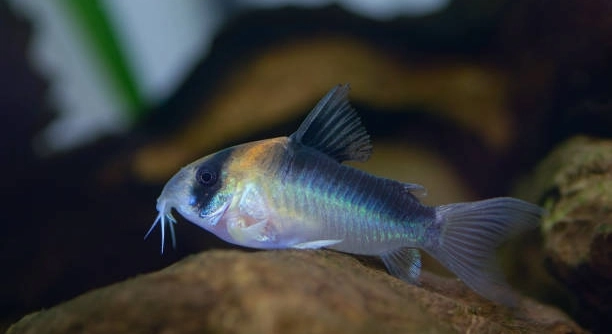
Corydoras catfish are popular aquarium fish, known for their friendly nature and bottom-dwelling habits. Many owners wonder whether they can thrive in cold water. Understanding their care needs ensures they stay healthy and comfortable in various water temperatures.
Corydoras catfish prefer warmer water conditions and are not well-suited for cold temperatures. When exposed to water below 72°F (22°C), their activity decreases, and they may become more susceptible to disease. Maintaining water temperatures between 72°F and 78°F (22°C-26°C) is ideal.
Proper care of Corydoras catfish involves creating a stable, warm environment. Knowing the right temperature range and how to adjust water conditions can help keep them happy and healthy in your aquarium.
Temperature and Water Conditions for Corydoras Catfish
Corydoras catfish are not built for cold water. These fish thrive in warmer water with temperatures between 72°F and 78°F (22°C to 26°C). When the water is too cold, they become less active, reducing their ability to properly feed and socialize. Prolonged exposure to low temperatures can also make them more vulnerable to diseases like ich.
Maintaining a consistent temperature is crucial. Avoid sudden temperature drops, as Corydoras are sensitive to changes in their environment. It’s best to use an aquarium heater to keep the water stable.
In addition to temperature, water conditions like pH and hardness matter. Corydoras prefer slightly acidic to neutral water (pH 6.0–7.5). Regular water changes and monitoring water quality are essential. They also need a well-filtered tank since they spend much of their time at the bottom, where debris can accumulate. Keeping their habitat clean ensures they remain healthy and active, avoiding potential stress or illness from poor water quality.
How to Maintain Warm Water for Your Corydoras
To keep Corydoras catfish comfortable, maintaining the right water temperature is essential. A quality heater with an adjustable thermostat can help regulate the tank’s temperature, especially in colder climates.
It’s important to monitor the temperature regularly with a thermometer. If necessary, adjust the heater to maintain a stable range. A heater guard can prevent burns if the fish accidentally touch it. Keep in mind, Corydoras are bottom-dwellers, so it’s important to place the heater in an area where the water circulates well for even heating. Regularly checking both the temperature and water quality will prevent stress and help ensure a long, healthy life for your fish.
Feeding Corydoras Catfish in Cold Water
Corydoras catfish aren’t picky eaters, but their appetite decreases in cold water. When the water temperature drops, their metabolism slows, meaning they won’t eat as much. It’s important to adjust their feeding schedule accordingly to avoid overfeeding.
In colder water, reduce the amount of food provided to prevent uneaten food from polluting the tank. Stick to high-quality pellets or sinking wafers designed for bottom dwellers. These foods sink quickly, allowing your Corydoras to forage naturally. Make sure to observe their eating habits and only feed them what they can consume in a few minutes. Overfeeding can lead to water quality issues and stress your fish.
Also, ensure that your Corydoras have a varied diet to keep them healthy. You can supplement their food with occasional frozen or live foods like brine shrimp or bloodworms. Offering a balanced diet helps maintain their energy levels and supports overall well-being, especially when the water temperature isn’t ideal.
Water Quality and Filtration for Corydoras Catfish
Proper filtration is vital for keeping Corydoras catfish healthy. They prefer clean, well-oxygenated water. A gentle filter with a low current works best since Corydoras are bottom dwellers and can struggle in strong currents.
In cold water, it’s even more critical to monitor the tank’s cleanliness. Since the fish are less active, waste can build up faster than in warmer conditions. A good filtration system helps remove toxins and debris, ensuring the water stays clear. Regular water changes are also necessary, even if you’re using a filter, to keep ammonia and nitrate levels under control.
Be sure to clean the filter regularly and check for any blockages. Stagnant water or poor filtration will stress your Corydoras, making them more susceptible to illness. A well-maintained filtration system contributes to better water quality and overall health for your fish.
Common Health Issues in Cold Water
When Corydoras catfish are exposed to cold water, their immune system weakens. This makes them more susceptible to various diseases, such as ich and fin rot. Maintaining the proper temperature reduces the risk of these illnesses.
Cold water stress can cause Corydoras to become lethargic and reduce their appetite. This leads to poor overall health. Ensure the water temperature is consistent to keep your fish active and thriving. Treat any signs of illness promptly to prevent further complications.
Adding Tankmates with Corydoras Catfish
Corydoras are peaceful and social fish. They do well in community tanks with non-aggressive species. Avoid keeping them with large, predatory fish that may harass them.
When selecting tankmates, consider other bottom-dwelling species or mid-level swimmers. Corydoras thrive in groups, so it’s best to keep at least three to help them feel secure. Avoid any species that could outcompete them for food.
Tank Setup for Corydoras
Create a natural environment for your Corydoras. Soft substrate, like sand, allows them to forage without injury. A tank with plenty of hiding spaces, like plants and rocks, makes them feel secure. Keep the water clean with regular maintenance to ensure their health.
FAQ
Can Corydoras Catfish Survive in Cold Water?
Corydoras catfish are sensitive to temperature changes and prefer water between 72°F and 78°F (22°C to 26°C). They can survive in colder water for short periods but will become less active and may suffer from stress or illness. Prolonged exposure to temperatures below 72°F (22°C) weakens their immune system and increases the risk of disease. It’s essential to maintain stable, warm water to ensure their well-being.
What Temperature Is Best for Corydoras Catfish?
The ideal temperature range for Corydoras catfish is between 72°F and 78°F (22°C to 26°C). Staying within this range helps maintain their activity levels and overall health. Temperature fluctuations can stress them, so it’s best to use an aquarium heater to keep the water stable.
How Can I Tell If My Corydoras Catfish Is Too Cold?
If your Corydoras catfish becomes sluggish, stops eating, or spends more time hiding, these may be signs that the water is too cold. In colder water, they may also show signs of disease or stress. Regularly check the water temperature and adjust the heater if needed.
Do Corydoras Catfish Need a Heater?
Yes, Corydoras catfish benefit from having a heater in their tank, especially in colder environments. A heater ensures the water stays within the optimal range for their health. Without a heater, maintaining a stable temperature can be difficult, leading to fluctuations that can stress the fish.
What Are the Signs of Stress in Corydoras Catfish?
Corydoras catfish may show several signs of stress, including reduced activity, loss of appetite, abnormal swimming patterns, or frequent hiding. Stress can be caused by fluctuating water temperatures, poor water quality, or incompatible tankmates. Monitoring their behavior closely can help identify the cause.
Can Corydoras Catfish Live with Other Fish?
Corydoras catfish are peaceful and social, making them great additions to community tanks. They do well with other peaceful species but should not be housed with large, aggressive fish. Consider keeping them with other bottom-dwelling species or mid-level swimmers to ensure they thrive.
How Often Should I Feed My Corydoras Catfish?
Feed your Corydoras catfish once or twice a day, offering only what they can consume in a few minutes. Overfeeding can lead to poor water quality, which may stress the fish. Adjust their feeding schedule if the water temperature is lower, as their appetite may decrease.
What Do Corydoras Catfish Eat?
Corydoras catfish are omnivores and enjoy a varied diet. They can be fed sinking pellets, wafers, and frozen or live foods like brine shrimp, bloodworms, and daphnia. Offering a range of food types ensures they get all the necessary nutrients for their health and energy.
Can Corydoras Catfish Live in Hard Water?
Corydoras catfish prefer slightly soft to moderately hard water, with a pH between 6.0 and 7.5. While they can tolerate harder water, consistently high hardness levels can stress them and lead to health issues over time. Regularly check your water parameters to ensure they remain within a safe range.
How Long Do Corydoras Catfish Live?
Corydoras catfish can live for 5 to 10 years with proper care. Their lifespan depends on factors such as water quality, temperature, diet, and the presence of diseases. Maintaining a stable environment and providing a balanced diet will help them live a long and healthy life.
Do Corydoras Catfish Need a Filter?
Yes, a filter is essential for Corydoras catfish tanks. They produce waste, and a filter helps remove debris, toxins, and excess nutrients from the water. Choose a filter that provides gentle water flow, as Corydoras prefer calm waters. Regular maintenance and water changes are also important for keeping their environment clean.
Why Are My Corydoras Catfish Hiding?
Corydoras catfish are naturally shy and may hide if they feel stressed or unsafe. They may seek shelter in plants, rocks, or decorations, especially if there is too much activity in the tank. Ensure they have plenty of hiding spots and avoid overcrowding or keeping aggressive fish in the same tank.
How Do I Know If My Corydoras Catfish Is Sick?
Signs of illness in Corydoras catfish include faded or clamped fins, abnormal swimming patterns, discoloration, and sores on their bodies. If they stop eating or are lethargic, it may be a sign of stress or illness. Act quickly to diagnose the problem, adjusting water quality or treating with appropriate medication.
Can I Keep Corydoras Catfish in a Tank with Snails?
Yes, Corydoras catfish can coexist with snails in the same tank. They do not typically compete for food with snails, as Corydoras are bottom dwellers and snails are often found on the substrate or glass. However, ensure that snails are not overpopulating the tank, as this can lead to water quality issues.
Are Corydoras Catfish Nocturnal?
Corydoras catfish are primarily nocturnal, meaning they are most active during the evening and night. During the day, they may rest or hide, especially if the tank is brightly lit. Provide plenty of hiding spots for them during the day, and they will feel secure to come out at night.
What Substrate Is Best for Corydoras Catfish?
Corydoras catfish prefer fine, soft substrate such as sand. Sharp or coarse gravel can injure their delicate barbels as they forage along the bottom. Sand also mimics their natural habitat, allowing them to sift through it for food. Ensure the substrate is clean and free from waste to maintain water quality.
How Do I Care for Corydoras Catfish in a Tank with Plants?
Plants can provide Corydoras catfish with natural hiding places and help improve water quality. Choose soft plants that won’t damage their barbels. Ensure that the plants are not overcrowding the tank, as Corydoras need space to move freely. Regularly trim plants to keep the environment clean and tidy.
Final Thoughts
Corydoras catfish are adaptable and peaceful fish that can thrive in a variety of environments. However, their specific care needs, such as maintaining the right water temperature, are crucial to their well-being. While they can tolerate cold water for short periods, they perform best when kept in water temperatures ranging from 72°F to 78°F (22°C to 26°C). Consistent temperatures help reduce stress and prevent illnesses that may arise in colder conditions. By providing a stable environment, proper tank mates, and appropriate tank conditions, Corydoras catfish can live a long and healthy life.
One of the key factors in keeping Corydoras comfortable is their environment. They are bottom-dwelling fish that enjoy soft substrates like sand, which allows them to forage and dig without injury. Adding plants, rocks, and hiding places can further reduce stress and make the fish feel secure. When setting up a tank, it is essential to consider their peaceful nature. They do best in community tanks with other non-aggressive species. Keep the water clean with regular maintenance and use a filter to help maintain optimal water conditions. Overfeeding and poor water quality can cause health issues, so managing food intake and water changes is vital.
Lastly, it’s important to monitor your Corydoras regularly. Watch for signs of stress or illness, such as loss of appetite, reduced activity, or unusual behavior. Early detection of problems allows for faster intervention, preventing more serious issues from developing. Corydoras catfish are easy to care for if their environment and needs are met. By creating a stable, safe, and clean habitat, you’ll help them thrive and enjoy their presence in your tank for years to come.

Hello,
If you enjoy the content that we create, please consider saying a "Thank You!" by leaving a tip.
Every little bit helps us continue crafting quality advice that supports the health, happiness, and well-being of pets around the world, for pets of all shapes, sizes, and species.
We really appreciate the kindness and support that you show us!