
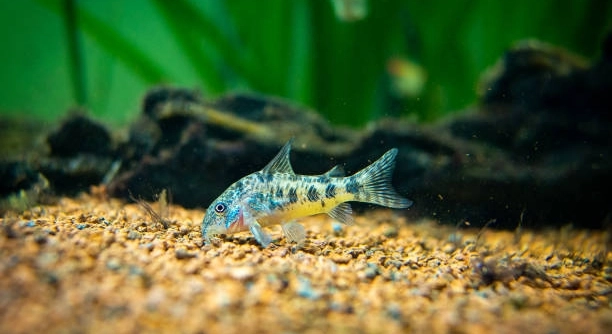
Corydoras catfish are a popular choice for freshwater aquarium enthusiasts. Many aquarists wonder if these peaceful fish can coexist in a planted tank, and if so, which plants are best for them.
Corydoras catfish can thrive in a planted tank, as they prefer environments with plenty of hiding spots and natural decorations. However, the plants should be hardy and capable of withstanding the activity of these bottom dwellers.
With the right plants, you can create a beautiful and functional tank for your Corydoras catfish. Keep reading to learn about the best plant options for their habitat.
Can Corydoras Catfish Live in a Planted Tank?
Corydoras catfish are known for their peaceful nature and adaptability, making them suitable for a variety of tank setups. These fish are bottom dwellers, so they need ample space to roam and forage for food. Planted tanks can be a great option, as they offer natural hiding places and contribute to the overall aesthetics of the aquarium. However, there are some things to consider when keeping Corydoras in a planted tank. First, it’s essential to ensure the plants are resilient enough to handle the fish’s movements. Corydoras like to root through the substrate, so delicate plants may get uprooted or damaged.
The key to a successful planted tank for Corydoras is choosing robust plants that can withstand activity. Hardy plants such as Java fern, Anubias, and Amazon swords are excellent options. These plants can tolerate the physical interaction from the catfish and still thrive.
When selecting plants for a Corydoras tank, it’s important to avoid species that are easily uprooted or sensitive to disturbances. Additionally, plants that grow slowly or are low-maintenance are ideal for these tanks. Keep in mind that a well-planted aquarium provides natural filtration and enhances the overall water quality, which is beneficial for both the fish and plants.
Best Plants for Corydoras Catfish Tanks
Some of the best plants for a Corydoras tank include hardy, slow-growing species that can handle the disturbance these fish cause. Java moss, Anubias, and Vallisneria are great examples.
Java moss is perfect for Corydoras because it grows quickly and provides cover for them. Anubias plants are also ideal, as they are durable and can grow in low light. Vallisneria, a long-leaved plant, adds natural beauty while offering the fish plenty of space to explore. These plants not only create a healthy environment but also provide the necessary shelter for Corydoras. They will thrive in a planted tank with gentle filtration, and you can ensure the water parameters remain stable by choosing these resilient plant species.
Plants to Avoid in a Corydoras Tank
It’s essential to avoid delicate plants that can easily get uprooted or damaged. Corydoras catfish are active, and some plants won’t withstand their movement.
Plants like delicate carpeting species, such as Hemianthus callitrichoides (baby tears), and other soft-leaved plants tend to get disturbed by the catfish. Corydoras may uproot these plants while foraging or swimming. Additionally, plants with shallow root systems may struggle to survive in a tank with active bottom-dwellers. It’s best to focus on more resilient varieties that can handle the physical interaction.
Avoiding fast-growing, fragile plants ensures your planted tank remains intact and healthy. The Corydoras’ activities can damage these types of plants and may result in poor growth or complete plant loss. Sticking with sturdy, low-maintenance options like Anubias or Java fern will help create a stable environment for both the fish and the plants.
Planting Tips for Corydoras Tanks
Planting in a Corydoras tank should be done with care to ensure the plants are securely rooted. Use a nutrient-rich substrate to provide proper support for the plants.
Be sure to anchor plants well, especially those with larger root systems. Corydoras often dig in the substrate, so planting deeper or using weights can keep plants in place. Additionally, consider spreading plants across different levels of the tank for a natural appearance. This will provide the catfish with both hiding spots and a more structured environment. Once planted, regular maintenance such as trimming overgrown plants or removing dead leaves helps maintain water quality and prevents potential issues with decaying plant matter.
Providing stable conditions and proper planting will ensure the plants and fish thrive together. The key is balancing both the plant needs and the behavior of the Corydoras for a harmonious aquarium setup.
Tank Setup Considerations for Corydoras
When setting up a tank for Corydoras, consider the water flow and substrate. Corydoras thrive in calm waters, so avoid strong currents.
Choose a soft substrate like sand or fine gravel, as sharp-edged rocks can damage their sensitive barbels. Sand provides a comfortable environment for foraging and rooting. A gentle filter is essential to maintain water quality without disturbing the fish.
Water Parameters for Corydoras in Planted Tanks
Corydoras prefer stable water conditions, so keeping the water parameters consistent is crucial. They thrive in temperatures between 72°F and 78°F and need a pH of 6.0 to 7.5.
Make sure to maintain proper filtration and regular water changes to keep toxins like ammonia and nitrites in check. Since plants help with water quality, keeping the right balance between plant growth and fish activity will ensure a healthy environment for both.
FAQ
Can Corydoras live with other fish in a planted tank?
Yes, Corydoras can live peacefully with a variety of other fish in a planted tank. These catfish are social and non-aggressive, which makes them great tank mates for peaceful species. However, it’s essential to avoid aggressive fish that might harass or outcompete Corydoras for food. Smaller, docile species like tetras, guppies, or other peaceful bottom dwellers are ideal companions. Just ensure there is enough space for all the fish to establish their territories, as crowded conditions can lead to stress.
Are Corydoras catfish sensitive to water conditions?
Corydoras catfish are quite sensitive to water conditions, particularly ammonia and nitrite levels. They thrive in stable, clean environments, so it’s important to regularly check water parameters like pH, hardness, and temperature. Keep the tank well-filtered and perform regular water changes to maintain water quality. Corydoras can tolerate a range of pH levels but prefer slightly acidic to neutral conditions (6.0–7.5). Sudden changes in water temperature or chemistry can stress the fish and impact their health, so stability is key.
What is the best substrate for Corydoras in a planted tank?
Corydoras catfish prefer a soft, fine-gravel or sand substrate. Their barbels are very sensitive, and sharp-edged gravel or rocks can cause injury. Sand allows them to forage comfortably without causing damage to their barbels, and it helps replicate their natural environment. A fine, nutrient-rich substrate is also beneficial for plants, as it allows roots to establish better. If you’re planting in a Corydoras tank, ensure the substrate is deep enough to support plant roots without disturbing them too much.
Do Corydoras need hiding spots in a planted tank?
While Corydoras are bottom-dwelling fish, they do appreciate having hiding spots or areas where they can seek refuge. Adding rocks, driftwood, or dense plants like Anubias or Java fern will provide them with the hiding places they need for comfort. These fish are naturally timid and feel safer when they have space to retreat, particularly when there are changes in their environment or when they are stressed. Planting the tank densely also creates a natural barrier that offers security.
How many Corydoras should be kept together?
Corydoras are social fish and should be kept in groups of at least five or more. They thrive in schools, which helps reduce stress and allows them to engage in their natural behaviors. A larger group will also make them feel safer, as they are less likely to feel isolated. Keeping fewer than five Corydoras can cause them to become stressed and less active. The size of the tank should also be considered, as a larger school needs more space to move around comfortably.
Do Corydoras eat plants in a planted tank?
Corydoras catfish are primarily omnivores and feed on small invertebrates, detritus, and algae, rather than consuming live plants. However, they may occasionally nibble on soft plant leaves, especially if food is scarce. As long as there’s sufficient food available, Corydoras will not actively eat plants. If you notice plant damage, it may be due to other fish or water quality issues. Hardy, slow-growing plants like Java fern or Anubias are typically safe in a Corydoras tank, as they can tolerate the occasional nibble without being destroyed.
Can Corydoras live in low light conditions with plants?
Yes, Corydoras can live in low-light conditions, but the plants in the tank may need more attention. Many hardy plants like Anubias, Java fern, and Amazon swords can thrive in low light. However, slower-growing plants may require occasional fertilization and maintenance to ensure they stay healthy. While Corydoras are not demanding in terms of light, keeping a balance of good water quality and well-maintained plants will ensure a thriving tank. In low light, it’s crucial to avoid overly delicate plants that need higher light levels to survive.
Are Corydoras catfish hard to care for in a planted tank?
Corydoras catfish are relatively easy to care for, making them a popular choice for beginner and experienced aquarium keepers alike. They don’t have special requirements outside of stable water conditions and a proper diet. In a planted tank, they thrive with a nutrient-rich substrate and minimal disturbance. As long as their environment remains clean and well-maintained, Corydoras will do well. However, it’s important to monitor water quality closely, as poor water conditions can affect their health.
What is the lifespan of Corydoras catfish in a planted tank?
Corydoras catfish can live for 5 to 10 years, depending on water quality, diet, and tank conditions. With proper care, including stable water parameters, a nutritious diet, and minimal stress, Corydoras can live long, healthy lives in a planted tank. Regular water changes, clean filtration, and a good tank setup will contribute to their longevity. While they can tolerate a variety of conditions, consistency is crucial to ensure they thrive over time.
Do Corydoras catfish need a special diet in a planted tank?
Corydoras catfish have simple dietary needs. They primarily eat sinking pellets, algae wafers, and occasional frozen or live foods like bloodworms or brine shrimp. In a planted tank, they will also forage for detritus and algae. While they don’t require special foods, ensuring they receive a balanced diet will help maintain their health. You can feed Corydoras once or twice a day, but be cautious not to overfeed, as leftover food can lead to poor water quality.
Final Thoughts
Corydoras catfish can thrive in a planted tank with the right setup and care. These peaceful fish do well in stable environments with proper water parameters, gentle filtration, and soft substrate. By providing a tank with ample hiding spots and suitable plants, you can help reduce stress and allow them to feel safe. Corydoras are not demanding fish, but they do require regular attention to their water conditions and diet. Keeping their environment clean and stable is essential for their well-being.
When choosing plants for a Corydoras tank, it’s important to select those that can thrive in low to medium light conditions and are sturdy enough to handle the occasional nibble. Plants like Java fern, Anubias, and Amazon swords are ideal choices. These plants are not only durable but also provide hiding places and enrich the overall environment. Corydoras will enjoy swimming around them, foraging through the substrate, and interacting with their surroundings. A well-planted tank with gentle lighting helps create a peaceful, natural environment that benefits both the fish and the plants.
In the end, Corydoras are an excellent choice for a planted tank. They are easy to care for and provide a lively and soothing presence in the aquarium. With a group of these bottom-dwelling catfish, you can enjoy watching them interact with the plants and each other. By maintaining a balanced and stable environment, you can enjoy these charming fish for many years.

Hello,
If you enjoy the content that we create, please consider saying a "Thank You!" by leaving a tip.
Every little bit helps us continue crafting quality advice that supports the health, happiness, and well-being of pets around the world, for pets of all shapes, sizes, and species.
We really appreciate the kindness and support that you show us!