
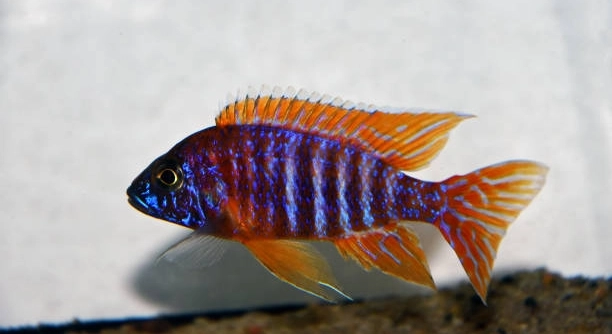
Convict cichlids are small, colorful fish often found in home aquariums. Their behavior can be fascinating to observe, especially when they interact with other fish or form pair bonds in a shared tank environment.
Convict cichlids can show a degree of loyalty to a mate, typically forming monogamous pairs during breeding periods. This loyalty is mostly observed through shared parenting and territorial defense rather than lifelong attachment, as pair bonds often dissolve after spawning.
Observing their interactions reveals patterns that go beyond simple survival instincts and offers insights into how they maintain bonds in their aquatic environment.
Understanding Convict Cichlid Pairing
Convict cichlids are known for forming pairs primarily during breeding. These pairs defend a shared territory together and collaborate in raising their young. Observing them closely, it becomes clear that both male and female take turns guarding eggs and fry, ensuring higher survival rates. While outside of breeding, they may act independently or even aggressively toward others, during this period their behavior is more cooperative. The bond is often strongest at this stage, showing clear coordination and mutual support. Even simple tasks, like moving fry to safe areas or warding off intruders, highlight the pair’s teamwork. This cooperative behavior, however, is usually temporary, and after the fry mature, pairs often separate. Despite this, their willingness to protect and care for their offspring demonstrates a form of loyalty, even if it does not last a lifetime. Watching these interactions can make an aquarium more engaging, as patterns of care become apparent over time.
Their pairing is mostly functional, focused on reproduction and protection rather than emotional attachment.
Even though convict cichlids do not form lifelong bonds, their temporary loyalty is significant. This behavior ensures the survival of the next generation, and understanding it helps aquarists manage tanks better. By providing appropriate space, hiding spots, and a suitable environment, you encourage natural behaviors. Observing them can reveal unique personality traits, showing how each fish approaches cooperation differently. Some pairs appear more synchronized, moving together to guard eggs, while others split tasks more flexibly. Even within the same tank, interactions vary depending on stress, tank size, and population density. Paying attention to these details can enhance breeding success and reduce conflicts. Recognizing these patterns allows you to create an environment where pairs can thrive during critical periods without unnecessary interference. This insight adds depth to aquarium care, showing that convict cichlids are more than just colorful fish—they display behaviors that reflect instinctive strategies for survival, bonding, and cooperation.
Signs of Loyalty in Convict Cichlids
Temporary pair bonds often manifest in shared responsibilities, including guarding eggs, fanning fry, and defending territory together. Observing these actions gives clear evidence of cooperation during breeding periods.
Pairs work as a team, coordinating movements and maintaining vigilance over their offspring. The male often patrols boundaries while the female stays close to eggs or fry, but they can switch roles seamlessly. Their interactions are precise, with little conflict between them during these periods. Sometimes, other fish may approach, and the pair reacts simultaneously, showing instinctive teamwork. This behavior is consistent across multiple breeding cycles, although individual pairs may vary slightly in intensity. Outside of reproduction, these behaviors diminish, indicating the bond is tied to survival needs rather than long-term attachment. Understanding these dynamics helps aquarists support natural behaviors by providing adequate tank structures, space, and minimal stress, ensuring the pair can maintain their temporary loyalty effectively while raising healthy offspring.
How Convict Cichlids Show Attachment
Convict cichlids display attachment through cooperative care of eggs and fry. Both parents remain close, coordinating movements and guarding their territory. Their behavior reflects practical loyalty tied to survival rather than emotional connection. Observing them reveals patterns of temporary dedication that support reproductive success.
Pairs often divide responsibilities clearly. The male typically defends the outer territory, chasing intruders and signaling potential threats, while the female stays near eggs or fry, fanning them to provide oxygen. This division is flexible; roles can switch if one fish is stressed or the other is needed elsewhere. Such coordination shows instinctive teamwork. Environmental factors like tank size, hiding spots, and population density influence how effectively pairs work together. Pairs in spacious tanks with fewer intrusions tend to cooperate more smoothly, whereas crowded or stressful environments can cause tension, making the display of attachment less consistent.
Attachment is most visible during fry care. Pairs patrol together, communicate with subtle body movements, and adjust strategies if danger arises. Even after eggs hatch, both remain close to young, moving them to safe areas when needed. This behavior is not permanent but is critical for early survival. Temporary bonds are maintained through constant interaction and mutual responses to threats. Observing these patterns helps understand how convict cichlids prioritize offspring survival over long-term mate attachment, showing loyalty in a practical, instinct-driven way rather than emotional.
Factors Affecting Pair Loyalty
Environmental stressors like overcrowding, water quality, or aggressive tankmates can reduce loyalty behaviors. Pairs under stress may become aggressive or separate, decreasing successful fry rearing.
The bond between convict cichlids is influenced by their surroundings and overall comfort. If the tank lacks sufficient hiding spots or territory boundaries, stress increases, leading to conflicts that disrupt cooperation. Water quality is also critical; poor conditions weaken their health, reducing energy for guarding or caring for offspring. Even diet plays a role, as malnourished fish show less consistent coordination. Stable pairs in well-maintained aquariums exhibit stronger temporary loyalty, working closely to protect eggs and fry. Observing these behaviors highlights how closely survival instincts are tied to environmental factors, showing that loyalty is conditional and practical, not emotional.
Recognizing Strong Pair Bonds
Strong pair bonds are seen when both fish respond quickly to threats and share parenting duties consistently. Coordinated movements and mutual protection indicate the pair is functioning effectively, prioritizing offspring survival.
Pairs that display strong bonds often maintain proximity and communicate through body movements. Even minor threats trigger joint responses, showing cooperation is instinctive.
Breeding Behavior Patterns
Convict cichlids exhibit predictable breeding behaviors that reflect temporary loyalty. Males establish territory and display dominance to attract females. Once a pair forms, both fish participate in nest preparation and care. Eggs are fanned by the female while the male patrols boundaries. Coordination continues after hatching, with both moving fry to safe spots, chasing intruders, and maintaining constant vigilance. These patterns are largely driven by instinct and survival needs. Observing multiple breeding cycles shows that some pairs are more synchronized than others, influenced by environmental factors and individual temperament. Loyalty during this period is functional, focused on reproduction and offspring protection rather than long-term attachment.
Impact of Environment
A calm, spacious environment allows pairs to cooperate effectively and maintain temporary loyalty. Stressful conditions can disrupt these behaviors.
FAQ
Can convict cichlids stay with the same mate after breeding?
Convict cichlids rarely stay with the same mate long-term. Their loyalty is mostly temporary, focused on raising a single batch of fry. After the offspring mature, pairs often separate, and both fish may form new bonds for the next breeding cycle. This behavior is natural and does not indicate a lack of cooperation during breeding.
How can I tell if my convict cichlids are bonded?
Bonded pairs display clear coordination. Both fish guard eggs and fry, respond to threats together, and maintain close proximity. The male usually patrols the outer territory while the female stays near eggs or fry. Frequent role-switching, synchronized movements, and joint defense are signs of a strong temporary bond.
Do male and female roles ever switch?
Yes. While males usually patrol and females stay near eggs, roles can change if one fish is stressed, tired, or in danger. This flexibility helps protect offspring and ensures both parents share the workload, demonstrating cooperative behavior driven by instinct.
Can environmental changes affect pair loyalty?
Absolutely. Crowded tanks, poor water quality, and lack of hiding spots increase stress, which can reduce cooperation or cause aggression. Well-maintained aquariums with sufficient space and clear territories encourage pairs to work together effectively. Observing their behavior in different conditions shows how environment directly impacts temporary loyalty.
Do convict cichlids show affection outside breeding?
Outside of breeding, their interactions are less cooperative. They may act independently or even aggressively toward other fish. Loyalty is largely functional and focused on reproduction and offspring survival, not emotional attachment or long-term bonding.
Is it normal for pairs to fight sometimes?
Yes. Even bonded pairs may have minor conflicts over territory or food. These disagreements are usually brief and do not prevent cooperation during breeding. Aggression outside the breeding period is common and part of their natural behavior.
How can I support their temporary loyalty in a tank?
Provide a spacious tank, stable water conditions, and plenty of hiding spots. Avoid overcrowding and stress from aggressive tankmates. A stable environment allows pairs to coordinate, guard eggs and fry, and maintain temporary bonds effectively. Feeding a nutritious diet also supports energy for parental duties.
Do some pairs work better together than others?
Yes. Individual temperament and compatibility play a role. Some pairs synchronize perfectly, while others may be less coordinated. Environmental factors, previous experiences, and personality differences influence how effectively a pair cooperates during breeding periods.
How long does temporary loyalty last?
Typically, the bond lasts for the duration of egg incubation and early fry care, usually a few weeks. After the fry mature, pairs often separate, and new bonds may form during the next breeding cycle. Temporary loyalty is a functional strategy to maximize offspring survival.
Can I encourage long-term pairing in convict cichlids?
It is difficult to enforce long-term bonds. Their behavior is instinct-driven and tied to breeding needs. Providing a stable environment can extend cooperation during critical periods, but lifelong attachment is uncommon. Understanding this helps set realistic expectations for aquarium management.
Do all convict cichlids show loyalty in the same way?
Not exactly. While most display temporary loyalty during breeding, intensity and coordination vary. Factors like tank size, population density, stress, and individual temperament affect how strongly pairs cooperate. Observing different pairs can reveal variations in their instinctive behaviors.
Why is observing their behavior helpful?
Watching convict cichlids shows how instinct and environment shape their temporary loyalty. Observing coordination, territorial defense, and care for fry helps understand their natural behavior and informs better aquarium management for healthier, less stressed fish.
Can temporary loyalty prevent fry loss?
Yes. Coordinated defense, egg fanning, and moving fry to safe spots reduce mortality. The temporary bond between parents ensures maximum protection during early development, demonstrating the practical purpose of their cooperative behavior.
Do convict cichlids communicate during parenting?
They use body movements, fin displays, and positioning to signal each other. Subtle gestures coordinate patrolling, guarding, and moving fry. This non-verbal communication is instinctive and essential for maintaining temporary loyalty and protecting offspring effectively.
How do I know when the bond has ended?
After fry mature, pairs often stop cooperating, spend less time together, and may act aggressively toward each other or other fish. This change signals that temporary loyalty has served its purpose and the pair is returning to independent behavior.
Is aggression toward other fish part of loyalty?
Yes. Defense against intruders is a key aspect of pair cooperation. Aggression helps protect eggs and fry, showing that temporary loyalty involves teamwork rather than emotional attachment.
Can stress completely break a pair?
High stress can disrupt coordination and cause pairs to separate before fry are safe. Environmental stability is essential for temporary loyalty to function properly, allowing both fish to carry out parenting duties efficiently.
Does size or age affect pair loyalty?
Older or more experienced fish may coordinate better and defend fry more effectively. Size differences can influence territory control and division of duties. Younger or less experienced pairs may show less consistent coordination, but instincts usually ensure basic cooperation.
Are there signs of strong parental investment?
Constant guarding, coordinated patrols, role-switching, and moving fry to safe areas indicate high parental investment. Strong temporary loyalty maximizes fry survival during the critical early stages of development.
Do convict cichlids ever adopt fry that are not their own?
It is rare. Convict cichlids are highly territorial and focus on protecting their own offspring. Adoption behavior is uncommon and usually occurs only under specific circumstances when eggs or fry are placed close to an established pair’s territory.
Can pairs fail to cooperate even under good conditions?
Yes. Individual temperament or previous stress can affect coordination. Some pairs may be less synchronized or show minimal cooperation. Even under ideal conditions, temporary loyalty varies among individuals, but instinct usually ensures some degree of care for offspring.
How important is observing behavior for breeding success?
Careful observation helps identify coordination, conflicts, and stressors. Understanding behavior allows adjustments to the environment, improving temporary loyalty and increasing the chances that eggs and fry survive. Observing patterns also reveals personality differences that impact cooperation.
Do all environmental improvements equally affect pair loyalty?
Not always. Space, hiding spots, and water quality have the greatest impact. Other factors like diet, tankmates, and stress levels also play roles. A holistic approach ensures pairs can cooperate effectively, supporting offspring survival during breeding periods.
Can temporary loyalty be stressful for the fish?
Yes. High parental effort and constant vigilance require energy. Providing proper nutrition, space, and minimal disturbances reduces stress while supporting instinctive behaviors, allowing temporary loyalty to be maintained without compromising health.
Are temporary bonds unique to convict cichlids?
No. Many cichlid species show similar short-term pair loyalty during breeding. This behavior is an evolutionary strategy to maximize offspring survival and is common among fish that exhibit parental care.
How can I tell if stress is affecting cooperation?
Signs include reduced guarding, less coordination, aggression toward the mate, or abandoning eggs. Monitoring behavior and adjusting tank conditions can restore effective temporary loyalty and support fry development.
Do convict cichlids have personalities that affect loyalty?
Yes. Individual differences influence how pairs cooperate. Some fish are more assertive or protective, while others are less coordinated. Observing these traits helps understand why some pairs work together better than others.
Can temporary loyalty affect interactions with other fish?
Yes. While bonded, pairs may be more aggressive toward other fish, prioritizing territory and fry protection. After breeding, aggression may decrease, and social behavior returns to normal.
Is temporary loyalty energy-intensive?
Yes. Constant guarding, patrolling, and fry care require significant effort. Providing a stable environment and proper diet ensures fish can maintain cooperation without negative health effects.
Does observing temporary loyalty improve aquarium management?
Absolutely. Recognizing patterns allows adjustments to tank setup, reduces stress, and supports breeding success. Understanding instinctive cooperation helps create a healthier environment for both parents and offspring.
Can temporary loyalty be used to predict breeding success?
Yes. Strong, coordinated pairs typically produce healthier, more numerous fry. Observing the intensity and effectiveness of cooperation provides a reliable indication of reproductive success.
Do all pairs guard equally?
Not always. Some pairs divide duties efficiently, while others may favor one parent doing most of the work. Environmental factors, size, and experience influence how tasks are shared.
How long should I observe before judging pair loyalty?
Monitoring during the entire breeding period, including egg incubation and early fry care, provides the clearest picture. Short-term observation may miss key interactions and coordination patterns.
Does tank size influence loyalty?
Yes. Larger tanks allow better territory division, reduce stress, and encourage cooperation. Smaller tanks can cause tension, making pairs less effective at coordinated parenting.
Can diet affect parental behavior?
Yes. Nutritious food provides energy for guarding, patrolling, and fry care. Malnourished fish may show less cooperation and reduced temporary loyalty.
Is it common for pairs to reunite after separating?
It is uncommon. After fry mature, fish often form new bonds for the next breeding cycle. Temporary loyalty is tied to reproductive needs, not lifelong pairing.
Do convict cichlids remember past mates?
There is no evidence of long-term recognition. Temporary loyalty is driven by current reproductive needs and environmental context, not memory of previous mates.
Can temporary loyalty prevent all fry loss?
No. Predation, stress, or environmental issues can still reduce survival. While cooperative parenting increases fry survival, it does not guarantee 100 percent protection.
Are there behavioral cues before bonding forms?
Yes. Males display dominance, establish territory, and court females. Females respond by inspecting territory and showing readiness to spawn. These initial interactions set the stage for temporary loyalty.
Do fry influence pair cooperation?
Yes. Presence of eggs or fry triggers coordinated defense and role-switching. The intensity of temporary loyalty is strongest during early development stages.
Can pairs fail even if compatible?
Yes. Environmental stress, illness, or previous negative experiences can interfere with coordination. Compatibility increases the likelihood of cooperation but does not guarantee it.
Is temporary loyalty a sign of intelligence?
It is instinctive rather than cognitive. Fish respond to environmental cues and reproductive needs. Coordination demonstrates evolved behaviors aimed at survival rather than conscious choice.
Do all cichlids behave like convict cichlids?
No. Behavior varies by species. Convict cichlids show short-term cooperative parenting, while others may form longer bonds, adopt fry, or show different territorial strategies.
How does temperature affect pair behavior?
Stable, appropriate temperatures support breeding and coordination. Fluctuating or extreme temperatures can stress fish, reduce cooperation, and affect temporary loyalty.
Can temporary loyalty be observed in community tanks?
Yes, but other fish may increase stress and reduce coordination. Providing hiding spots and clear territories improves pair cooperation even in mixed-species setups.
Do male and female temperaments always match?
Not always. Differences can affect coordination and defense. Some pairs synchronize well, others less so. Understanding personalities helps predict how temporary loyalty will manifest.
Can temporary loyalty be measured?
Behavioral observation is the main method. Look for joint defense, coordinated movements, role-switching, and care for eggs or fry to gauge the strength of the bond.
Does breeding frequency affect loyalty?
Frequent breeding can strengthen temporary bonds during each cycle, but also increases stress. Proper management ensures cooperation remains effective without harming health.
Can pairs recover from disruption?
Yes, if environmental conditions improve. Temporary loyalty can resume after minor stress or separation, allowing continued cooperation during breeding.
Do fish show signs of stress even when cooperating?
Yes. Guarding and coordination are energy-intensive. Proper nutrition, space, and calm conditions reduce strain and allow the pair to maintain effective temporary loyalty.
Is it possible to encourage stronger cooperation?
Yes. Stable tanks, adequate space, hiding spots, and minimal disturbances support effective pair bonding during breeding, maximizing fry survival and maintaining coordination.
Do pairs ever abandon eggs intentionally?
Yes, under extreme stress, illness, or poor conditions. Abandonment is rare under optimal care but can occur if survival of the parents is threatened.
How do pairs behave after fry disperse?
Pairs usually separate, act independently, and return to normal territorial behavior. Temporary loyalty ends once offspring no longer need protection, highlighting its functional purpose.
Can observing multiple pairs improve understanding?
Yes. Comparing behaviors across pairs reveals patterns in coordination, role-sharing, and responses to environmental factors, helping manage breeding and care more effectively.
Are temporary bonds influenced by previous breeding success?
Past success may affect confidence and coordination. Experienced fish often show smoother cooperation, but instincts still guide behavior regardless of prior outcomes.
Do pairs show signs of fatigue?
Yes. Continuous guarding and patrolling are energy-demanding. Fatigue can reduce coordination, making it important to provide proper nutrition and minimal disturbances during breeding.
Can temporary loyalty vary within a tank?
Yes. Each pair is unique. Some may cooperate strongly, others less so, depending on temperament, environment, and individual health.
Do pairs interact with other bonded pairs?
Interaction is usually limited and territorial. Aggression can occur if territories overlap, but temporary loyalty focuses on protecting their own offspring.
Can temporary loyalty be affected by tank layout?
Yes. Rocks, caves, and clear boundaries allow pairs to coordinate and protect fry efficiently. Poor layout increases stress and reduces effective cooperation.
Does early separation affect future breeding?
Early separation can disrupt coordination and reduce fry survival in future attempts. Allowing pairs to complete the breeding cycle supports instinctive temporary loyalty.
Do environmental enrichments matter?
Yes. Hiding spots, stable conditions, and proper feeding reduce stress and encourage cooperation, enhancing temporary loyalty during breeding.
Can temporary loyalty be observed in small tanks?
Yes, but space limitations may increase conflict, reduce coordination, and limit effectiveness of parental duties. Adequate space is key for successful cooperation.
Do all fry receive equal attention?
Generally, parents tend to all fry, moving them together and guarding them. Extreme stress or limited capacity may occasionally affect attention distribution, but instinct ensures overall protection.
Are there risks in mixed-species tanks?
Yes. Aggressive or predatory species can stress pairs, reducing cooperation and threatening fry. Proper planning and tank division help maintain temporary loyalty.
Do pairs ever abandon each other during breeding?
Rarely. Instinct usually keeps pairs together until fry are independent, unless extreme stress or health issues intervene.
How do I identify coordination problems?
Signs include unguarded eggs, lack of role-switching, or ignoring threats. Monitoring behavior allows adjustments to environment, improving temporary loyalty.
Do temperature or lighting changes affect loyalty?
Yes. Sudden changes can stress fish, reducing cooperation and impacting parental duties. Stable conditions support consistent pair coordination.
Is temporary loyalty more intense in first-time breeders?
Not necessarily. First-time breeders may be cautious, but instincts usually ensure adequate cooperation. Experience can improve efficiency in coordination and defense.
Can human intervention improve pair behavior?
Yes, by adjusting tank conditions, feeding properly, and minimizing stress. Direct interference with fry or territory may backfire, so changes should support natural instincts.
Do pairs ever interact differently with fry from other pairs?
Mostly, they ignore or are aggressive toward other fry. Focus is on protecting their own offspring.
Does pair size affect coordination?
Larger or more dominant fish may patrol more effectively, influencing how duties are shared. Smaller or weaker fish may rely on the partner, but cooperation usually persists.
How important is observation for breeding planning?
Observing coordination, defense, and role-switching provides insight into pair compatibility, environmental needs, and expected success rates, guiding tank management effectively.
Can temporary loyalty fail without warning?
Yes. Sudden stress, illness, or environmental shifts can disrupt cooperation. Being attentive to behavior helps anticipate and prevent problems.
Does feeding frequency affect parental behavior?
Regular, nutritious feeding ensures energy for guarding, patrolling, and fry care. Malnutrition can reduce coordination and temporary loyalty effectiveness.
Are there signs of strong instinctive attachment?
Joint defense, coordinated movement, role-switching, and consistent care for eggs and fry indicate strong temporary loyalty and functional attachment.
Can temporary loyalty be restored after disruption?
Yes. If stressors are removed and conditions improve, pairs often resume cooperation and effective parenting.
Do all offspring benefit equally from parental care?
Usually, yes. Fry are moved together and protected collectively. Environmental stress or limited resources may slightly affect attention distribution, but instinct ensures most offspring are safeguarded.
Is temporary loyalty predictable?
Partially. While instincts guide behavior, individual temperament, environment, and previous experiences create variability. Observation is necessary to understand each pair’s dynamics.
Can pairs show affection after fry disperse?
Interaction usually decreases. Loyalty is functional and focused on offspring protection rather than long-term attachment.
Does tank population influence pair cooperation?
Yes. Overcrowding increases stress and reduces coordination, while moderate populations support effective temporary loyalty.
Do convict cichlids remember past territories?
Memory of territory exists, influencing defense behavior, but loyalty to a mate is driven by current breeding needs rather than past relationships.
Are there visible signs of successful cooperation?
Yes. Coordinated patrols, role-switching, and attentive care of eggs or fry indicate effective temporary loyalty and functional pair bonding.
Can temporary loyalty be enhanced with minimal intervention?
Yes. Providing stable conditions, adequate space, hiding spots, and proper diet supports instinctive cooperation without forcing behavior.
Do pairs ever neglect eggs intentionally?
Only under extreme stress, illness, or poor conditions. Normally, instinct ensures constant attention to offspring.
Can temporary loyalty vary between breeding cycles?
Yes. Individual temperament, environmental conditions, and previous experience can make one cycle more coordinated than another.
Is temporary loyalty necessary for fry survival?
Highly. Parental coordination, defense, and care significantly increase fry survival compared to unguarded eggs or young.
Do all pairs patrol territory similarly?
Generally, yes, but role distribution and intensity vary. Some pairs may patrol aggressively, others more moderately, depending on size, temperament, and environment.
How do I identify role-switching?
Notice when the male and female alternate guarding eggs or fry and patrolling boundaries. Smooth switching indicates strong temporary cooperation.
Can temporary loyalty be affected by tank decorations?
Yes. Adequate hiding spots and clear boundaries allow pairs to coordinate effectively. Poor layout may reduce cooperation and increase stress.
Are all temporary bonds equally effective?
No. Effectiveness depends on temperament, environmental conditions, and prior experience. Strong bonds ensure better fry survival.
Do pairs interact differently with similar species?
They may show aggression or
Final Thoughts
Convict cichlids are fascinating fish to watch because of the way they cooperate during breeding. Their loyalty is temporary and mostly focused on raising their young. Both the male and female take part in guarding eggs, fanning them to provide oxygen, and moving fry to safe places. This shared responsibility ensures that more offspring survive the early stages of life. While the bond between mates is not permanent, their temporary cooperation is a clear example of instinct-driven behavior. Observing these patterns can make keeping a tank more interesting, as it shows how fish interact and respond to their environment. Even though they do not stay together for life, the time they spend working as a team is essential for the survival of their young.
The environment plays a large role in how well pairs can cooperate. A tank with plenty of space, hiding spots, and stable water conditions helps fish feel secure and reduces stress. Stressful conditions, such as overcrowding, poor water quality, or aggressive tankmates, can interrupt coordination and make pairs less effective at caring for eggs and fry. Diet also affects their energy levels and ability to maintain parental duties. When the environment supports their needs, pairs are more likely to stay close together, guard their territory, and perform the necessary tasks to protect their young. These observations highlight that convict cichlids’ loyalty is practical. It is tied to survival and reproduction rather than long-term attachment. Understanding this can help aquarists provide the best conditions for breeding and maintaining healthy fish.
Even though their loyalty is temporary, convict cichlids show that teamwork is important in the animal kingdom. By observing their behavior, you can learn how instinct drives cooperation and how environmental factors influence success. Each pair has a slightly different style, with some working smoothly together and others showing less coordination. Watching these differences can help you understand their personalities and improve tank management. Providing a supportive environment, reducing stress, and allowing them to follow natural behaviors increases the chances of successful breeding. While their bonds may not last beyond the fry, the dedication they show during this period is impressive and important. It demonstrates that even small fish can exhibit complex, purposeful behavior, making them interesting and rewarding to care for in an aquarium setting.

Hello,
If you enjoy the content that we create, please consider saying a "Thank You!" by leaving a tip.
Every little bit helps us continue crafting quality advice that supports the health, happiness, and well-being of pets around the world, for pets of all shapes, sizes, and species.
We really appreciate the kindness and support that you show us!