
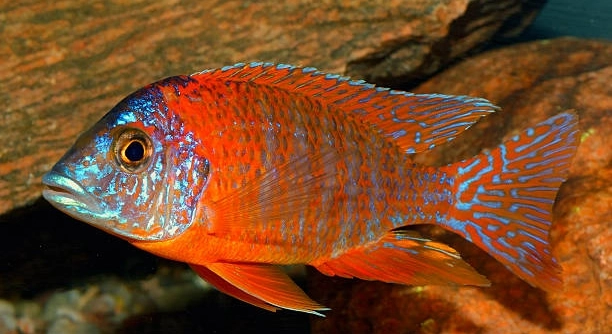
Convict cichlids are popular aquarium fish known for their bright colors and lively behavior. Many fish owners enjoy watching them interact and learning about their habits in home tanks or natural environments.
Research suggests that convict cichlids can recognize individual faces of other fish within their species. This ability helps them establish social hierarchies, remember past interactions, and navigate their environment more effectively in both wild and captive settings.
Understanding how these fish identify each other can provide insights into their social behavior and improve care practices in home aquariums.
How Convict Cichlids Recognize Faces
Convict cichlids rely on visual cues to identify other fish in their environment. Their eyes are adapted to detect subtle differences in patterns, size, and movement, which helps them distinguish individuals. In home aquariums, I’ve noticed that some fish react differently to newcomers compared to fish they’ve spent weeks with. Scientists have observed that these fish can remember past interactions, which influences their behavior during feeding and territorial disputes. Recognizing faces is not just about familiarity; it is crucial for survival, avoiding unnecessary fights, and maintaining social hierarchies. This ability also allows them to quickly identify mates and rivals, making their interactions more structured and predictable. By paying attention to their behavior, it becomes clear that they are not just swimming aimlessly but are processing a significant amount of social information. Observing these patterns can improve how we care for them and structure their tank environment.
This face recognition helps them maintain stable social groups and reduces constant conflict in their habitat.
The way convict cichlids remember faces is linked to learning and memory functions in their brains. They can associate specific individuals with past experiences, like winning a fight or being a reliable mate. In aquariums, I noticed that even after separating two fish for several weeks, they respond immediately when reintroduced. This shows long-term memory plays a role in recognition. Their memory helps them avoid unnecessary aggression, which can save energy and reduce stress. Observing their behavior, it’s clear that interactions are not random. They adjust their actions based on who they encounter. Social memory is essential for survival in the wild, where repeated encounters with the same fish are common. In captivity, understanding this behavior can help prevent conflicts and ensure healthier group dynamics. Overall, convict cichlids demonstrate a remarkable ability to process social information through facial recognition, supporting both natural instincts and well-being in aquariums.
Practical Tips for Aquarium Owners
Recognizing these behaviors can improve tank management and fish health.
When keeping convict cichlids, it’s important to provide enough space and hiding spots to reduce stress. Observing how fish react to each other helps identify dominant and submissive individuals, preventing fights. Introducing new fish gradually allows others to adjust without aggressive encounters. Regular monitoring of interactions is crucial, as some fish may hold grudges or become territorial over time. Understanding their social memory can guide feeding strategies, placement of decorations, and even pairing choices for breeding. Proper tank structure, combined with awareness of their recognition abilities, helps maintain a balanced and peaceful environment. Knowing how they identify each other makes it easier to predict behavior and respond appropriately, ensuring the aquarium remains a safe and stimulating habitat for all residents. Adjustments based on observation lead to healthier, calmer fish, which ultimately enhances the overall aquarium experience.
Signs That Convict Cichlids Recognize Faces
One clear sign is how fish behave around familiar tank mates. They may show less aggression and spend more time near fish they know. Newcomers often trigger cautious or defensive behavior until the fish learn to recognize them.
Familiarity affects feeding behavior as well. I’ve noticed that convict cichlids will often allow known individuals to eat first or share space more peacefully. When a new fish enters the tank, they become more alert and territorial. Over time, interactions normalize as recognition develops, showing that memory and visual cues are actively guiding behavior. These patterns suggest they can differentiate individuals beyond general species recognition, demonstrating social intelligence. Recognition helps avoid unnecessary fights, reduce stress, and maintain harmony within the aquarium. Watching these behaviors unfold highlights the subtle ways these fish communicate and establish order without direct confrontation.
Another indicator is how they respond after separation. Fish that have been apart for weeks often react immediately upon reintroduction, showing they remember previous encounters. They may recognize rivals, mates, or allies, adjusting behavior accordingly. In breeding pairs, recognition ensures coordinated parenting, with both fish taking turns guarding eggs or fry. Subtle signals like body posture, swimming speed, and color intensity communicate familiarity. This level of social awareness is impressive for such small fish and demonstrates that convict cichlids rely heavily on memory and observation to navigate their environment successfully.
Improving Tank Conditions Through Recognition
Providing proper space and structure minimizes conflict and promotes recognition. Hiding spots, plants, and rocks allow fish to interact safely while learning social roles.
Observation helps manage interactions effectively. Knowing which fish are dominant or shy informs feeding order and territory allocation. I adjust decorations and tank layout based on behavior, reducing stress and aggression. Gradual introductions of new fish allow recognition to develop naturally, preventing immediate fights. Monitoring changes in posture, color, and movement helps identify tension early, allowing intervention before conflicts escalate. Recognition also influences pairing choices for breeding, ensuring compatibility. Proper tank setup combined with careful observation promotes a stable, balanced environment. Convict cichlids respond positively to consistent structure, making recognition a practical tool for maintaining aquarium harmony and supporting healthy social behavior.
Memory and Social Behavior
Convict cichlids rely on memory to navigate social interactions. Recognizing familiar tank mates reduces conflict and stress. I’ve seen fish that remember others after weeks apart, adjusting their behavior immediately to reflect past experiences.
Social hierarchy is reinforced through recognition. Dominant fish assert control while others respond with submission. This system maintains order and prevents constant fighting, allowing the group to function smoothly in shared spaces.
Impact on Breeding Success
Recognition plays a key role in breeding. Fish that know each other coordinate better, taking turns guarding eggs and fry. Pairs familiar with each other show less aggression and more cooperation, improving survival rates. Observing this behavior highlights the importance of stable social structures in captivity.
Challenges in Mixed Tanks
Introducing new fish can disrupt recognition patterns. Unknown individuals often trigger defensive or aggressive responses. Providing gradual introductions and space allows fish to adjust and reduce stress. Careful monitoring ensures peaceful interactions and supports long-term social stability.
FAQ
How do convict cichlids recognize each other?
Convict cichlids use visual cues like patterns, size, and movement to identify other fish. I’ve noticed in my own tank that they react differently to fish they’ve spent weeks with compared to newcomers. They remember past interactions and adjust behavior accordingly, which helps reduce unnecessary aggression.
Can they remember fish after separation?
Yes, they have long-term memory. Fish that have been apart for several weeks often recognize each other immediately when reintroduced. Dominant and submissive roles are remembered, which influences interactions. This memory is crucial for breeding pairs, territorial disputes, and social stability in both aquariums and natural environments.
Do they show favoritism toward certain fish?
Convict cichlids can show preferences. Familiar fish or cooperative mates may receive less aggression and more shared space during feeding. I’ve observed that some fish will swim closer to tank mates they know, while keeping a cautious distance from newcomers. These behaviors indicate social recognition and memory influence daily interactions.
How does recognition affect breeding?
Recognition improves coordination between breeding pairs. Fish that know each other take turns guarding eggs and fry more effectively. This cooperation reduces stress and increases survival rates. In my experience, pairs unfamiliar with each other may fight or neglect eggs, showing the importance of established social bonds for successful breeding.
Does tank size affect recognition?
Yes, space is important. In smaller tanks, stress levels increase, and fish may have difficulty avoiding others. Providing hiding spots and territorial boundaries allows them to interact naturally and learn each other’s behaviors. Observing my own tanks, larger environments support stable hierarchies and peaceful coexistence.
Can recognition prevent aggression?
Recognition helps reduce conflict but does not eliminate it completely. Fish still assert dominance, especially during feeding or mating. However, known individuals experience less frequent fights, making the tank environment calmer. Gradual introductions of new fish also help minimize aggression as recognition develops.
Do they recognize other species?
Convict cichlids primarily recognize individuals of their own species. While they notice other species, responses are usually based on perceived threat or competition rather than individual recognition. In mixed tanks, I’ve seen them react cautiously to unfamiliar species but rarely form bonds outside their own kind.
How can I help fish recognize each other?
Gradual introductions and consistent observation are key. Allow new fish to acclimate slowly, provide clear territories, and monitor interactions. Over time, fish learn who is dominant, who is submissive, and who they can coexist with peacefully. This creates a more stable and calm environment in the aquarium.
Does recognition impact feeding behavior?
Yes, familiar fish influence how others eat. Known tank mates may share food more easily, while newcomers may trigger defensive behavior. I’ve noticed that recognition reduces competition, allowing feeding to proceed more smoothly and minimizing stress-related behaviors in the tank.
Is recognition the same in the wild and in aquariums?
The underlying behavior is similar, but tanks restrict space, which can intensify conflicts. In natural habitats, fish have more room to avoid aggressive encounters, allowing recognition to function alongside natural territory boundaries. Observing both settings shows that recognition remains important, but environmental factors influence how it plays out.
How quickly do they recognize each other?
Recognition can develop within hours or days, depending on prior interactions. Fish that interact frequently learn faster and establish stable roles. I’ve observed that consistent daily interactions help speed up the recognition process, leading to smoother social dynamics in the tank.
Can stress affect recognition?
High stress can interfere with memory and recognition. Overcrowding, poor water quality, or constant disturbances make it harder for fish to remember others. Maintaining proper tank conditions and minimizing stressors ensures that recognition and social behaviors function properly.
Do juvenile cichlids recognize adults?
Yes, even young fish can recognize older tank mates. Juveniles learn behaviors by observing adults and adjusting their actions accordingly. In my tank, younger fish often avoid dominant adults, demonstrating early recognition that helps them survive and integrate into the social hierarchy.
What signs show a fish recognizes another?
Subtle cues include swimming patterns, proximity, and changes in color or posture. Familiar fish are often approached calmly, while newcomers may be met with alertness or aggression. Watching these signals in your tank provides insight into social bonds and recognition among convict cichlids.
Can recognition help with breeding selection?
Yes, recognition ensures compatible pairs form. Fish that know each other cooperate better during egg guarding and fry care. Observing interactions before breeding can help identify pairs likely to succeed, reducing stress and increasing reproductive success in captivity.
Does age influence recognition ability?
Older fish generally have stronger memory and social awareness. I’ve noticed that mature convict cichlids are better at remembering tank mates and resolving conflicts without aggression, while younger fish may still be learning social cues and recognition patterns.
How important is recognition for long-term tank health?
Recognition is crucial. Fish that understand social roles experience less stress and aggression, leading to healthier, more stable communities. In my experience, tanks where fish can establish familiarity tend to have calmer interactions, better growth, and improved overall well-being.
Can recognition change over time?
Yes, social memory can adapt. If fish are removed and later reintroduced, relationships may shift depending on prior experiences and changes in hierarchy. Observing ongoing interactions ensures that tank conditions continue to support recognition and social stability over time.
What happens if recognition fails?
If fish cannot recognize each other, aggression increases, stress rises, and social hierarchies break down. In my tank, newly introduced fish without gradual acclimation often fight repeatedly until familiarity develops. Supporting recognition through space, observation, and careful introductions prevents these issues.
How do I know recognition is working in my tank?
Signs include calmer interactions, less frequent fighting, and cooperative behaviors like shared feeding or coordinated egg guarding. Watching patterns over time reveals which fish have established familiarity, allowing you to maintain a balanced, peaceful aquarium environment.
Can recognition be measured scientifically?
Researchers use controlled experiments, marking fish and observing responses to familiar versus unfamiliar individuals. Studies track aggression, proximity, and social interactions. These methods show that convict cichlids possess remarkable individual recognition skills, confirming observations from home aquariums and providing insight into their cognitive abilities.
Does color or pattern influence recognition?
Yes, subtle differences in coloration or markings help fish identify each other. I’ve seen that even small changes in stripe patterns can trigger recognition or alertness, showing that visual cues are critical for social memory and daily interactions in convict cichlids.
How long do they remember other fish?
Memory can last for weeks or months. In my experience, fish separated for long periods still respond appropriately when reintroduced. This long-term memory is key for maintaining social hierarchies, successful breeding, and reducing unnecessary stress in the tank.
Do environmental changes affect recognition?
Significant changes, like rearranging decorations or moving the tank, can temporarily disrupt recognition. Fish may become cautious or defensive until they readjust to the environment and reestablish social cues. Maintaining some stability helps recognition function smoothly.
Can recognition be trained or enhanced?
Gradual introductions, consistent observation, and structured interactions help fish learn social roles faster. I’ve noticed that providing stable territories and predictable routines allows fish to recognize each other more effectively, creating a calmer, more harmonious tank.
Are there differences between male and female recognition?
Males tend to assert dominance more, while females often remember allies and cooperative mates. Recognition helps both sexes navigate breeding and territorial behaviors, but the ways they respond to familiar versus unfamiliar individuals may differ depending on social roles and reproductive status.
How does recognition influence daily activity?
Recognized fish often swim together calmly, share food, and avoid unnecessary confrontations. New or unfamiliar fish trigger more alert behavior, chasing, or defensive postures. Observing these patterns in my tank highlights how recognition guides day-to-day interactions and reduces stress.
What are common mistakes that disrupt recognition?
Overcrowding, sudden introductions, poor tank structure, and frequent disturbances can all interfere with memory and recognition. Providing space, hiding spots, and gradual integration ensures fish learn each other properly, supporting social stability and well-being.
Can recognition influence feeding hierarchy?
Yes, familiar fish often establish clear feeding order. Newcomers may be temporarily excluded or challenged until recognized. Observing feeding behavior shows which fish have established dominance and familiarity, allowing smoother meals and less stress for all residents.
Do fish show recognition outside the tank?
Primarily, recognition is limited to their current environment. Removing them from a familiar setting may temporarily disrupt social memory, but repeated interactions in a consistent space restore recognition. Stability in habitat supports ongoing social awareness.
Is recognition affected by age differences between fish?
Older, more experienced fish often dominate interactions, while younger fish learn recognition cues from observing them. In my tank, juveniles quickly adjust to dominant adults, showing that recognition is learned and reinforced through repeated encounters.
Do stress or illness impact recognition?
Yes, sick or stressed fish may not respond appropriately to familiar tank mates, increasing conflicts. Maintaining proper water quality, diet, and space ensures recognition and social stability remain intact, reducing aggressive encounters and improving overall health.
How can I observe recognition safely?
Watch interactions quietly and note reactions to familiar and new fish. Avoid disturbing the tank during observations. Providing hiding spots and adequate space ensures that recognition can occur naturally without triggering unnecessary aggression.
Does recognition affect social bonds?
Recognition strengthens bonds between cooperative pairs and allies. Fish interact more calmly, share resources, and coordinate behaviors like guarding eggs or defending territory. Stable social memory promotes harmony and reduces stress within the aquarium.
Are there signs that recognition is failing?
Frequent fights, chasing, and heightened alertness indicate disrupted recognition. New introductions or environmental changes may trigger these behaviors. Observing patterns allows intervention, like adding hiding spots or adjusting feeding order, to restore social balance and reduce stress.
Can recognition improve tank management?
Yes, understanding which fish recognize each other helps structure feeding, space allocation, and introductions. Observing social behavior informs practical decisions, creating a calmer, more stable aquarium where fish thrive and stress is minimized.
Does recognition influence aggression levels?
Familiar fish exhibit less aggression toward each other, while unfamiliar individuals trigger defensive or dominant behaviors. Maintaining stable social structures allows aggression to be minimized, improving overall tank harmony and well-being for all residents.
Do convict cichlids recognize humans?
They may respond to familiar humans, associating them with feeding or routine care. While this is not the same as recognizing other fish, it shows their ability to remember patterns and adapt behavior based on repeated interactions.
How can I encourage positive recognition in my tank?
Provide consistent routines, space for territories, and gradual introductions. Observing interactions and adjusting tank layout based on behavior helps fish learn who is dominant, submissive, or cooperative, creating a stable and harmonious environment that supports recognition and social health.
What role does environment play in recognition?
Stable environments with hiding spots, clear territories, and predictable routines support recognition. Sudden changes can disrupt memory and social dynamics, so maintaining a consistent setup helps fish remember tank mates and navigate social interactions effectively.
Are there differences in recognition ability among individual fish?
Yes, some fish are more observant or socially aware. In my tank, certain individuals quickly recognize and respond to others, while some are slower to adjust. This variation affects how social hierarchies form and how interactions play out in shared spaces.
Can recognition reduce stress in captivity?
Recognition lowers stress by reducing aggression, uncertainty, and competition. Fish that know each other navigate their environment calmly, share resources, and coordinate behaviors, leading to healthier, more peaceful aquarium communities.
Do convict cichlids communicate recognition?
Yes, through posture, movement, color changes, and proximity. These subtle signals indicate familiarity, dominance, or submission. Watching these behaviors helps understand how fish recognize and respond to each other in daily interactions.
How long does it take for new fish to be recognized?
Recognition can take hours, days, or weeks depending on prior interactions and tank conditions. Gradual introductions and consistent observation help fish learn social roles and reduce conflicts more quickly.
Can recognition be lost?
Yes, stress, illness, or environmental changes can temporarily disrupt memory. Fish may act defensively or aggressively until recognition is reestablished. Stability and careful observation restore social memory over time.
Does recognition affect overall tank health?
Recognition supports peaceful interactions, reduces stress, and allows cooperative behaviors like breeding and shared feeding. Maintaining recognition through proper care, space, and observation ensures healthier, more stable aquarium communities.
Are visual cues the only way they recognize others?
Primarily, yes. Color patterns, stripes, size, and movement are key. While other senses like smell may play a minor role, visual recognition is the main method convict cichlids use to identify individuals in their social groups.
Do they recognize individuals of the same sex differently?
Recognition often differs by sex. Males may focus on dominance and territory, while females respond more to allies or cooperative mates. Social memory helps both sexes navigate interactions effectively, but the behaviors and priorities may vary.
Can poor water quality affect recognition?
Yes, stress from poor water conditions can impair memory and social behavior. Fish may fail to recognize familiar tank mates, increasing aggression and disrupting hierarchies. Maintaining clean, stable water ensures recognition and healthy social interactions.
Does recognition improve survival in the wild?
Recognition reduces unnecessary fights, helps establish territories, and supports cooperative behaviors like mating and guarding. In natural habitats, this improves survival and reproduction, showing that social memory is a vital adaptation for convict cichlids.
How can I test recognition in my tank?
Introduce a fish gradually or temporarily separate it, then reintroduce to observe reactions. Calmer, familiar responses indicate recognition, while defensive or aggressive behaviors suggest unfamiliarity. Careful observation provides insights into social memory and hierarchy development.
Is recognition influenced by genetics?
Some evidence suggests cognitive ability and social behavior may have genetic components. Individual differences in learning, memory, and social awareness affect how quickly and accurately fish recognize others, shaping social dynamics in both captive and natural settings.
Do older pairs recognize each other better?
Yes, mature pairs usually have stronger memory and coordination. They guard eggs, share responsibilities, and interact more calmly than younger pairs. Recognition improves cooperation, reduces conflict, and supports breeding success, showing how experience enhances social intelligence in convict cichlids.
How does recognition affect territory disputes?
Recognized fish often avoid unnecessary fights, respecting established boundaries. Unfamiliar fish may trigger defensive behavior until hierarchy is established. Recognition streamlines conflict resolution, conserving energy and maintaining social stability in both tanks and wild habitats.
Can recognition be enhanced with enrichment?
Providing hiding spots, structured territories, and predictable routines supports learning and memory. Enrichment allows fish to explore, interact, and remember tank mates, enhancing recognition and promoting healthier, calmer communities.
Do fish forget after long absences?
Recognition can weaken if fish are removed or stressed, but repeated exposure restores memory. Fish may initially act defensively but gradually adjust to familiar individuals, showing resilience in social memory over time.
Is recognition linked to intelligence?
Yes, the ability to remember individuals, navigate social hierarchies, and adjust behavior reflects cognitive skills. Observing convict cichlids shows that social memory is a key aspect of their intelligence, helping them survive and thrive in complex environments.
Do environmental changes like lighting affect recognition?
Changes in lighting can temporarily disrupt visual cues, making recognition harder. Fish may act cautiously until they adjust. Stable lighting and consistent tank setup help ensure recognition and smooth social interactions.
How do juveniles learn recognition?
Young fish observe adults, mimic behaviors, and gradually learn social cues. Recognition develops through repeated interactions, helping juveniles integrate into the social hierarchy and avoid unnecessary conflicts as they grow.
Does recognition affect swimming patterns?
Yes, familiar fish often swim calmly together, while unfamiliar individuals trigger cautious or defensive movements. Observing these patterns helps identify which fish recognize each other and understand the social dynamics in the tank.
Are there any signs of misrecognition?
Aggression toward familiar tank mates, confusion in feeding order, or repeated chasing can indicate misrecognition. These behaviors often arise after environmental changes, stress, or illness, signaling that fish need time to reestablish recognition.
Can recognition influence lifespan?
Indirectly, yes. Fish that recognize each other experience less stress, fewer injuries from fighting, and better cooperation during breeding. Reduced stress and stable social structures contribute to healthier, potentially longer lives in captivity.
Does recognition affect overall social cohesion?
Recognition is essential for cohesion. Familiar fish share resources, maintain territories, and coordinate behaviors. Without it, hierarchies break down, aggression rises, and the group becomes unstable, highlighting the importance of social memory in maintaining a functional community.
Can tank decorations influence recognition?
Yes, hiding spots and clear territories help fish identify where others belong and avoid conflict. Structured environments allow recognition to occur naturally, supporting stable hierarchies and reducing stress in both small and large aquariums.
Do they use facial patterns or body cues more?
Both are important, but facial patterns and stripes are primary visual cues. Subtle differences in size, shape, or markings allow convict cichlids to distinguish individuals reliably, guiding social interactions, aggression, and cooperation within the tank.
Can repeated interactions improve recognition speed?
Yes, fish that interact frequently learn faster. Daily exposure and consistent routines help establish familiarity quickly, reducing conflicts and supporting cooperative behaviors like feeding order or breeding coordination.
Do fish have favorite territories based on recognition?
Yes, known territories often belong to dominant fish or pairs. Recognition allows them to assert control while others respect boundaries, reducing fights and maintaining a stable social environment within the aquarium.
Does recognition affect how they respond to stress?
Familiar tank mates reduce stress reactions. Fish with established recognition feel safer, share space calmly, and avoid unnecessary confrontations. This demonstrates the importance of social memory in managing stress and maintaining well-being.
How important is recognition for long-term aquarium management?
Recognition is critical. Understanding who knows whom guides introductions, tank structure, feeding strategies, and breeding management. Supporting recognition promotes stability, reduces aggression, and ensures healthier, more balanced fish communities over time.
Can recognition decline with age?
Memory may weaken slightly in very old fish, but most maintain social awareness. Observing interactions shows that recognition remains functional, supporting social cohesion and breeding even in older individuals.
Do fish recognize visual changes in familiar tank mates?
Yes, subtle changes in color, pattern, or health status trigger adjusted behavior. Fish may become more cautious or aggressive depending on the perceived difference, showing that recognition is sensitive to visual cues.
Can recognition prevent bullying in tanks?
Recognition reduces repeated aggression by helping fish remember social roles. Dominant individuals assert control, while submissive fish avoid conflict, creating a calmer, more stable environment and minimizing stress and injuries.
**Does recognition affect how fish respond to feeding schedules
Convict cichlids are fascinating fish with remarkable social skills. One of their most interesting abilities is recognizing other fish in their tank. This recognition is not just about knowing who is there but remembering past interactions, identifying dominant and submissive roles, and maintaining social stability. In my experience, observing convict cichlids over time shows how carefully they process their surroundings. They react differently to fish they know compared to newcomers, adjusting their behavior to reduce conflict or assert dominance. This ability is crucial for maintaining a balanced aquarium environment. Fish that recognize each other navigate feeding, territory, and mating more smoothly, avoiding unnecessary stress and aggression. Recognition also helps with coordination during breeding, ensuring eggs and fry are guarded efficiently. It is a clear example of how even small fish display complex social behavior, using memory and observation to interact effectively with others.
Recognition among convict cichlids affects almost every part of their daily life. Feeding times, for example, show clear differences between familiar and unfamiliar fish. I’ve noticed that known tank mates often share space peacefully and take turns, while newcomers trigger defensive or territorial behavior. Social memory helps them remember past encounters, preventing repeated fights and maintaining harmony in the tank. Territorial boundaries are respected more easily when fish know each other, and this reduces energy wasted on constant aggression. Juveniles quickly learn by observing adults, adjusting their swimming patterns and interactions to fit into the established social order. Recognition also influences cooperation during breeding, where pairs coordinate guarding duties. Even subtle cues, like posture, color changes, and proximity, are used to convey familiarity and intent. By understanding these behaviors, tank owners can create environments that support recognition, making fish more relaxed, healthier, and able to live in stable social groups.
Maintaining an environment that supports recognition is essential for long-term success in keeping convict cichlids. Proper tank size, hiding spots, and consistent routines help fish learn and remember each other. Gradual introductions of new fish allow recognition to develop without triggering stress or aggression. Observing behavior regularly helps identify dominant or shy individuals, feeding order, and potential conflicts before they escalate. Recognition not only improves day-to-day interactions but also contributes to breeding success and overall well-being. In my own experience, tanks where fish are able to recognize each other tend to be calmer, more cooperative, and healthier. Paying attention to social dynamics, memory, and recognition allows for better care, a more stable tank environment, and fish that thrive both socially and physically. Understanding these subtle behaviors highlights the intelligence of convict cichlids and the importance of supporting their natural social instincts.

Hello,
If you enjoy the content that we create, please consider saying a "Thank You!" by leaving a tip.
Every little bit helps us continue crafting quality advice that supports the health, happiness, and well-being of pets around the world, for pets of all shapes, sizes, and species.
We really appreciate the kindness and support that you show us!