
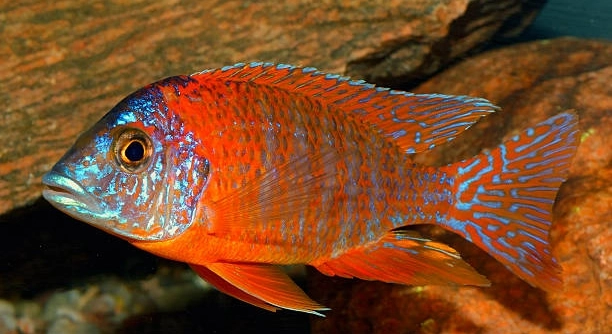
Convict cichlids are known for their bold personalities and bright colors. Many aquarium enthusiasts enjoy keeping them, but their aggressive tendencies often raise concerns when mixing them with smaller, peaceful fish like tetras.
Convict cichlids can live with tetras under carefully managed conditions. Tank size, hiding spaces, and careful monitoring of aggression are essential. While some peaceful coexistence is possible, the risk of stress or harm to tetras remains significant.
Creating a harmonious environment requires attention to tank setup, fish behavior, and compatible species selection to reduce conflicts and ensure both cichlids and tetras thrive together.
Understanding Convict Cichlid Behavior
Convict cichlids are naturally territorial, especially during breeding. They establish clear areas in the tank and defend them aggressively against intruders. Their behavior can be unpredictable, and even small fish like tetras may trigger their territorial instincts. They often chase or nip at fish that enter their space, which can lead to stress or injury for smaller species. Providing plenty of hiding spots, plants, and decorations can help reduce conflicts. The more structured the environment, the better chance tetras have to avoid confrontations. It is important to monitor interactions closely, as aggression can escalate quickly. Adjusting tank layout or separating fish may be necessary if chasing becomes severe. Convict cichlids also display dominance through color changes and body posturing. Understanding these signals helps you recognize early signs of stress in tetras. By observing daily, you can intervene before any serious harm occurs.
Tank size plays a key role in minimizing conflicts and giving both species space.
Planning a tank setup that balances open swimming areas with hiding spots is critical. Tetras need areas to retreat, while cichlids require territories to feel secure. Decorations like rocks, caves, and plants create natural boundaries, reducing constant confrontations. Using tall plants or floating greenery can provide vertical separation, allowing tetras to avoid the cichlids’ line of sight. Regular observation is essential, as aggression can flare unexpectedly, particularly during breeding periods. Feeding strategies also matter; evenly distributed food helps prevent cichlids from dominating resources, giving tetras a chance to eat without stress. Adjusting water flow and lighting can further encourage natural behavior and reduce tension. Choosing larger tetras or fast-swimming species can increase survival chances.
Ideal Tank Conditions for Coexistence
Maintaining proper water conditions is essential for both species.
Stable temperature, pH, and water quality reduce stress and aggression.
Convict cichlids and tetras have slightly different water preferences, so finding a middle ground is important. A temperature between 74–78°F works well, with pH around 6.5–7.5. Regular water changes and filtration keep ammonia and nitrate levels low, supporting overall health. Consistency is key; sudden changes in water conditions can trigger aggression or illness. Lighting should mimic natural day-night cycles, and moderate current helps both species feel comfortable. Keeping the tank clean and free from excess debris also minimizes territorial disputes. By maintaining optimal conditions, you encourage calmer behavior and reduce stress for tetras, helping them coexist more peacefully with convict cichlids.
Selecting Compatible Tetras
Not all tetras are suited to live with convict cichlids. Larger, fast-swimming species like black skirt or bleeding heart tetras are better options, as they can evade aggression more effectively than smaller, slower fish.
Choosing tetras that can handle occasional chasing is essential. Smaller species like neon or cardinal tetras are more likely to become stressed or injured in a tank with convict cichlids. The size difference and cichlids’ territorial nature make them vulnerable. Fast, agile tetras can dart away and avoid confrontations, reducing the risk of serious harm. Grouping tetras in schools also helps, as it provides safety in numbers and spreads the attention of cichlids, keeping individual tetras safer. Observing interactions closely after introducing new fish ensures problems are caught early.
Even with careful selection, monitoring remains crucial. Tetras’ behavior can change, especially if cichlids become more aggressive during breeding. Adjusting tank layout or separating fish may be necessary to maintain harmony.
Feeding and Nutrition
Feeding both species properly reduces competition and stress in the tank.
Providing high-quality food that meets the dietary needs of both cichlids and tetras is important. Convict cichlids benefit from protein-rich pellets or flakes, while tetras thrive on smaller flakes, micro-pellets, and occasional live food. Distributing food in multiple areas prevents cichlids from dominating mealtime. Feeding smaller portions more frequently can also reduce aggression by keeping everyone satisfied and occupied. Observation during feeding helps ensure tetras are getting enough nutrition without constant harassment. Proper feeding routines support health, growth, and calmer interactions between species.
Unequal feeding can trigger territorial disputes, so maintaining a consistent schedule is critical. It encourages predictable behavior, reducing stress for tetras. Providing treats like brine shrimp or daphnia occasionally can help tetras thrive without upsetting cichlid dominance. Using slow-dispensing feeders or spreading food across the tank ensures even access for all fish. This approach minimizes chasing and allows tetras to feed safely while cichlids maintain their natural instincts without constant conflict.
Tank Size Recommendations
A larger tank gives both convict cichlids and tetras space to swim and establish territories. At least a 55-gallon tank is recommended when combining these species. More space reduces stress and limits constant confrontations.
Providing plenty of hiding spots further improves coexistence. Rocks, plants, and caves create safe areas for tetras and separate cichlid territories, helping maintain balance in the tank.
Breeding Considerations
Convict cichlids become highly aggressive during breeding periods. They guard eggs and fry intensely, chasing any fish that enters their territory. Tetras in the same tank are likely to experience stress or injury during these periods. Separating breeding cichlids or preparing a separate breeding tank helps prevent conflicts and ensures safety for tetras.
Monitoring Behavior
Regular observation is key. Watch for chasing, nipping, or stress signs in tetras. Adjust tank layout or separate fish if aggression escalates.
FAQ
Can convict cichlids and tetras live together permanently?
They can live together, but only under carefully managed conditions. A large tank with plenty of hiding spaces is essential. Even then, aggression can flare, especially during breeding. Monitoring their interactions and being ready to separate them is necessary for long-term coexistence.
Which tetras are best suited to live with convict cichlids?
Larger, fast-swimming tetras work best. Black skirt tetras, bleeding heart tetras, and similar species are more likely to avoid confrontations. Small tetras, like neon or cardinal, often become stressed or are injured due to the size difference and territorial behavior of convict cichlids.
How can I reduce aggression in a shared tank?
Tank size, hiding spots, and decorations are crucial. Creating separate territories with rocks, plants, and caves reduces constant conflict. Feeding in multiple areas and spreading food evenly helps prevent cichlids from dominating resources, keeping tetras safer. Regular monitoring ensures early intervention if aggression escalates.
What should I do during convict cichlid breeding?
Breeding periods are the riskiest for tetras. Convict cichlids guard eggs and fry aggressively, chasing other fish. It’s best to prepare a separate breeding tank or temporarily move tetras to safety. Avoid attempting to keep tetras in the same area until fry are grown or breeding aggression has passed.
How do I know if tetras are stressed?
Signs include hiding excessively, rapid swimming, loss of color, or refusing food. Stress can weaken immune systems and make tetras more vulnerable to disease. If these signs appear, adjusting the tank layout or separating fish may be necessary. Observation is key to maintaining their health.
Can tank size alone prevent problems?
Tank size helps but is not a complete solution. Even in a large tank, aggressive behavior may occur. Providing space for territories, hiding spots, and vertical separation along with careful species selection increases the chances of peaceful coexistence, but monitoring is still essential.
Should I keep tetras in schools with convict cichlids?
Yes, schooling tetras feel safer and are less likely to be singled out. A group disperses attention from cichlids, lowering the risk of injuries. Keep at least six or more tetras together to provide safety in numbers and reduce stress levels in the tank.
How often should I monitor interactions?
Daily observation is recommended, especially after introducing new fish or during breeding periods. Watch for chasing, nipping, or hiding behavior. Early detection of aggression allows adjustments in tank layout or separation before serious injuries occur. Regular monitoring ensures both species remain healthy and safe.
Can water conditions affect aggression?
Yes, poor water quality increases stress and aggression. Stable temperature, pH, and clean water are essential. Convict cichlids and tetras thrive when conditions are consistent. Maintaining optimal conditions encourages calmer behavior and reduces territorial disputes, making coexistence easier.
Is it worth trying to mix these species?
Mixing convict cichlids with tetras can work if precautions are taken, but it is not without risks. Tank size, hiding spaces, feeding strategy, and careful species selection are critical. If you are prepared to monitor and adjust conditions, coexistence is possible but requires commitment.
Can feeding strategies reduce conflict?
Feeding in multiple locations, using appropriate portion sizes, and including both protein-rich food for cichlids and smaller flakes for tetras minimizes aggression. Ensuring everyone eats without chasing reduces stress and helps both species maintain health and natural behavior patterns.
What should I do if aggression becomes too high?
Separate the species immediately. Using tank dividers or moving tetras temporarily can prevent injuries. Adjusting decorations, adding hiding spots, or re-evaluating tank mates may help. Aggression can escalate quickly, so proactive intervention is key to maintaining safety for all fish.
Are there signs that coexistence is working?
Peaceful coexistence is visible when tetras swim freely without constant hiding, cichlids respect territories, and both species feed without intense chasing. Minimal stress indicators, consistent color, and natural behavior suggest the tank environment supports a balanced relationship between convict cichlids and tetras.
How do I introduce tetras to a tank with convict cichlids?
Introduce tetras gradually and observe their interactions. Providing hiding spots and open swimming areas helps them acclimate. Avoid adding too many at once, and monitor for early signs of aggression. Gradual introduction increases the chances of successful integration without conflict.
Can breeding or size changes affect compatibility over time?
Yes, as convict cichlids grow or enter breeding phases, aggression may increase. Even previously compatible tetras can become targets. Adjusting the tank, adding more hiding spaces, or temporary separation ensures safety as dynamics change. Regular monitoring is essential to maintain harmony.
How do I maintain long-term balance in a mixed tank?
Consistent observation, proper tank setup, and attention to diet and water quality are key. Regularly reassess the tank as fish grow or breed. Adjust decorations, provide hiding spaces, and separate species when necessary to maintain a peaceful environment for both convict cichlids and tetras.
Final Thoughts
Keeping convict cichlids with tetras is possible, but it requires careful planning and attention. Convict cichlids are naturally aggressive and territorial, which means smaller or slower fish like tetras can easily become stressed or injured if the tank is not set up properly. Tank size is one of the most important factors. A larger tank gives each species enough space to establish territories and avoid constant confrontation. Decorations, plants, rocks, and hiding spots are essential for creating natural boundaries. These structures allow tetras to escape when chased and give convict cichlids areas to claim as their own. Even with plenty of space, careful observation is necessary, as aggression can flare suddenly, particularly during breeding or feeding times.
Choosing the right type of tetras is also crucial. Larger, fast-swimming tetras like black skirts or bleeding hearts are better suited to coexist with convict cichlids because they can avoid direct conflicts more easily. Small tetras such as neon or cardinal tetras are at higher risk of stress or injury due to the size and temperament differences. Keeping tetras in groups helps improve their safety by dispersing attention from the cichlids. Feeding strategies also make a big difference. Distributing food across multiple areas of the tank prevents cichlids from dominating the feeding process, giving tetras a fair chance to eat without fear. Regular feeding schedules, high-quality food, and occasional treats for tetras help maintain health and reduce aggression in the tank.
Water quality and overall tank management cannot be overlooked. Stable temperature, pH, and clean water reduce stress for both species. Stress from poor water conditions can make aggression worse, so regular water changes and proper filtration are essential. Monitoring behavior daily is important to catch any signs of stress, chasing, or nipping early. During breeding periods, extra precautions should be taken, as convict cichlids become even more protective and aggressive. If necessary, separate breeding tanks or temporary relocation of tetras can prevent harm. By balancing tank size, proper species selection, hiding spots, feeding strategies, and consistent observation, it is possible to maintain a tank where convict cichlids and tetras coexist. While challenges remain, careful planning and attention help create a safer and healthier environment for both species.

Hello,
If you enjoy the content that we create, please consider saying a "Thank You!" by leaving a tip.
Every little bit helps us continue crafting quality advice that supports the health, happiness, and well-being of pets around the world, for pets of all shapes, sizes, and species.
We really appreciate the kindness and support that you show us!