
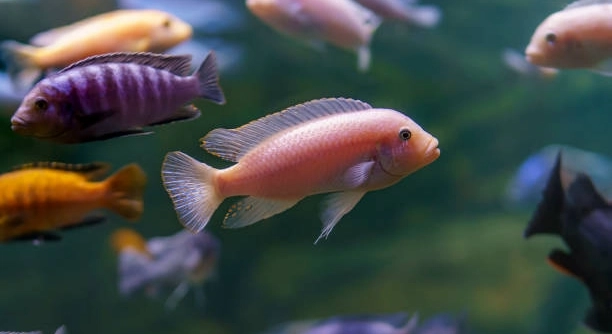
Convict cichlids are popular freshwater fish known for their vibrant colors and lively behavior. Many aquarium owners enjoy keeping them because they are hardy and relatively easy to care for, making them a favorite among beginners and enthusiasts alike.
Convict cichlids can coexist with certain snail species, but careful consideration is necessary. Aggressive tendencies and territorial behavior may pose a risk to smaller or slower-moving snails, requiring suitable tank size, hiding spaces, and compatible snail selection for safe cohabitation.
Understanding these dynamics is important for maintaining a peaceful aquarium. Proper planning and observation can help ensure both convict cichlids and snails thrive together in harmony.
Understanding Convict Cichlid Behavior
Convict cichlids are naturally territorial and can be aggressive, especially during breeding. They often stake out a section of the tank as their own, defending it from other fish and intruders. This behavior can make them a challenge to house with delicate or slow-moving tank mates. They are known for their persistent digging and rearranging of substrate, which can disturb plants and decorations. Feeding habits also play a role in tank dynamics. Convict cichlids are omnivorous and may investigate or nibble at snails if they appear as an easy source of food. However, aggression varies among individual fish, with some being more tolerant than others. Observing interactions closely during initial introductions is essential to prevent harm. Providing adequate hiding spots and maintaining a spacious tank can reduce stress and limit conflict. These measures create a safer environment for snails while respecting the cichlids’ natural tendencies.
Keeping an eye on daily interactions helps ensure snails remain unharmed and the tank stays balanced.
Proper tank setup and monitoring are crucial when pairing convict cichlids with snails. Using rocks, plants, and decorations to create hiding places allows snails to retreat if threatened. Spacing out food reduces competition and distracts the cichlids from targeting snails. Certain hardy snail species, such as mystery snails or nerite snails, tend to survive better due to their size and protective shells. Adjusting water parameters to suit both snails and fish is also important, as stress from unsuitable conditions can increase aggression. Observing the fish for changes in behavior, particularly during breeding periods, helps prevent attacks. Regular cleaning and feeding routines further reduce competition and stress. Over time, cichlids may become more tolerant of snails if they recognize them as non-threatening. Patience and careful planning make cohabitation possible, ensuring both species can live together without significant risk. Balancing tank size, hiding spaces, and food distribution is key to success.
Choosing Compatible Snails
Not all snails can live safely with convict cichlids. Choosing robust species with strong shells is essential.
Mystery snails and nerite snails are ideal options because they have protective shells and can survive in tanks with moderately aggressive fish. They are less likely to be eaten or injured, and their feeding habits generally do not interfere with the cichlids’ diet. Providing extra hiding spots and monitoring interactions ensures these snails remain safe. Over time, the fish may recognize snails as part of the environment rather than prey, reducing stress for both species. Careful observation and proper tank setup significantly increase the chances of a peaceful aquarium where convict cichlids and snails coexist without constant conflict or risk of harm.
Tank Setup Tips
A well-structured tank reduces stress and aggression. Rocks, caves, and plants provide hiding spots for snails and break up territories for convict cichlids, making cohabitation safer.
Proper tank size is essential to minimize conflicts. A larger tank allows convict cichlids to establish territories without constant overlap, reducing stress for both fish and snails. Dense decorations create natural barriers and allow snails to retreat when threatened. Using smooth rocks and hardy plants prevents injury, as cichlids often dig and move objects. Adequate hiding spaces for snails increase their chances of survival while maintaining a visually appealing tank. Regular observation helps adjust the layout if aggression increases.
Substrate choice also affects interactions. Sand or fine gravel allows digging without harming snails. Avoid sharp decorations that can damage snail shells. Ensuring proper water flow, filtration, and hiding spots helps maintain a balanced environment. Monitoring water parameters is critical, as fluctuations can stress both cichlids and snails, increasing the risk of attacks or escape attempts.
Feeding and Diet Considerations
Separate feeding zones prevent competition. Offering multiple spots ensures snails get their share without interference from cichlids.
Convict cichlids are omnivorous, consuming flakes, pellets, and occasional live foods. Snails primarily feed on algae, biofilm, and plant matter. Providing a varied diet prevents cichlids from targeting snails as a food source. Regular feeding reduces aggression caused by hunger, keeping the tank environment calmer. Timing meals and distributing food throughout the tank encourages coexistence and reduces territorial disputes.
Supplementing snails with vegetables like zucchini or spinach helps maintain their health while preventing them from wandering into cichlids’ feeding areas. Observing how the cichlids respond during feeding is important. If aggression occurs, adjusting feeding frequency, quantity, or location can help. Consistent routines allow snails to feed safely and reduce stress. Overfeeding should be avoided to maintain water quality, as excess food can cause algae blooms and impact both species. This approach promotes harmony and supports long-term health.
Monitoring Interactions
Regular observation helps identify stress or aggression early. Watching how convict cichlids and snails behave ensures problems are addressed before they escalate.
Note subtle signs like chasing, nipping, or hiding. Early detection allows adjustments in tank setup or feeding routines to keep both species safe and comfortable.
Breeding Considerations
During breeding, convict cichlids become highly territorial and protective of their eggs and fry. This period significantly increases aggression, and snails may be at higher risk. Temporary separation or additional hiding spots can prevent harm. Planning tank layout with extra cover is essential during this sensitive stage.
Cleaning and Maintenance
Regular tank cleaning prevents stress and maintains health. Removing excess food, waste, and algae keeps water quality stable, benefiting both snails and cichlids.
FAQ
Can convict cichlids and snails live together peacefully?
Yes, they can coexist under the right conditions. Convict cichlids are territorial, so tank size, hiding spots, and compatible snail species are crucial. Larger, sturdier snails like mystery snails or nerite snails tend to fare better. Providing plenty of hiding places reduces stress for both species.
Which snail species are safest with convict cichlids?
Mystery snails, nerite snails, and apple snails are generally safer choices. They have thicker shells and are less vulnerable to occasional nipping. Smaller or fragile snails, such as ramshorn snails, are at higher risk of being attacked or injured, especially during cichlid breeding periods.
How can I protect snails from aggressive behavior?
Creating hiding spaces using rocks, plants, and caves allows snails to retreat when threatened. Dense decorations break up the cichlids’ territory and reduce stress. Feeding cichlids in multiple areas of the tank helps distract them from targeting snails. Regular observation ensures timely adjustments if aggression increases.
Do convict cichlids eat snails?
They may attempt to eat smaller or slow-moving snails, especially if hungry or during breeding. Providing a varied diet for cichlids and keeping snails larger or protected reduces this risk. Overfeeding cichlids can also limit interest in snails as a food source.
What tank size is ideal for housing both species?
A minimum 30-gallon tank is recommended, though larger tanks are better. More space allows cichlids to establish territories without constant overlap and provides snails room to explore safely. Proper spacing of hiding spots is essential to reduce conflicts.
How do I manage water conditions for both?
Maintain stable parameters suitable for both species: pH between 6.5-8.0, temperature 74-80°F, and clean, filtered water. Frequent water testing and partial water changes help prevent stress, which can increase aggression or illness. Proper maintenance ensures long-term health for both snails and cichlids.
What should I do during cichlid breeding?
Breeding increases territorial behavior, and snails are more at risk. Adding extra hiding spots or temporarily relocating snails can prevent injuries. Monitoring interactions closely is essential, as cichlids may become aggressive toward anything entering their territory during this period.
Can snails help the tank ecosystem with convict cichlids?
Yes, snails contribute by consuming leftover food, algae, and detritus. This helps keep the tank cleaner and supports water quality. However, their population should be managed to prevent overpopulation, which could upset the balance and attract more attention from the cichlids.
How do I know if my snails are stressed?
Signs include hiding excessively, slow movement, damaged shells, or inactivity. Stress often results from aggression, poor water quality, or insufficient hiding spaces. Adjusting the tank environment and monitoring interactions can help reduce stress and improve overall survival.
Are there signs that convict cichlids accept snails?
Yes, peaceful coexistence includes ignoring snails during feeding, swimming around them without chasing, and minimal territorial disputes. Over time, cichlids may treat snails as non-threatening objects in their environment, reducing risk and allowing a stable community setup.
How often should I feed snails and cichlids?
Feed cichlids once or twice daily, providing enough food to reduce hunting behavior toward snails. Supplement snails with algae wafers or vegetables every few days to ensure they get adequate nutrition. Multiple feeding areas help maintain harmony and prevent competition.
Can snails survive if cichlids are very aggressive?
Some may survive if hiding spots and a large enough tank are provided, but highly aggressive cichlids pose a constant risk. In extreme cases, separating snails during cichlid breeding or introducing very robust snail species is safer. Observation is key to preventing harm.
Do snails reproduce in a tank with convict cichlids?
Yes, snails can reproduce, but cichlids may eat eggs or juvenile snails. Providing hiding spots and a sufficient number of snails can allow a portion to survive. Controlling snail population prevents overcrowding and reduces stress in the tank environment.
Can tank decorations affect interactions?
Absolutely. Rocks, caves, and dense plants provide territories and refuge, reducing stress and aggression. Smooth surfaces protect snail shells during digging behavior. Regularly rearranging or maintaining decorations can help maintain a balanced environment and encourage peaceful coexistence.
Is it possible to keep multiple snail species with convict cichlids?
Yes, but select species carefully based on size and shell strength. Mixing hardy snails like nerite and mystery snails works best. Avoid small, delicate species that may be targeted. Providing ample hiding spaces and observing interactions ensures compatibility over time.
How do I introduce snails to a tank with convict cichlids?
Add snails gradually and observe interactions closely. Ensure hiding spots are available and feed cichlids beforehand to reduce interest in new additions. Gradual introduction reduces stress and allows snails to find safe areas in the tank.
What long-term care considerations should I keep in mind?
Maintain stable water conditions, feed both species appropriately, and monitor interactions regularly. Adjust hiding spaces and tank layout as needed. Be mindful during breeding periods. A balanced approach ensures snails remain safe and cichlids maintain healthy behavior, creating a thriving, peaceful aquarium.
Final Thoughts
Convict cichlids and snails can live together, but it requires careful planning and attention. Their natural behaviors, especially territoriality and aggression, make it essential to provide a tank setup that accommodates both species. Hiding spots, plants, and rocks create safe spaces for snails and help break up cichlid territories. Tank size is also an important factor, as overcrowding increases stress and the likelihood of conflicts. Choosing hardy snail species, such as mystery snails or nerite snails, further reduces risks. While some cichlids may tolerate snails peacefully, others may display aggressive tendencies, especially during breeding or if food is limited. Monitoring interactions daily allows adjustments to prevent harm.
Feeding routines and diet play a significant role in maintaining harmony. Convict cichlids are omnivorous and require a varied diet, including flakes, pellets, and occasional live foods. Providing food in multiple areas of the tank minimizes competition and reduces the chance that snails will be seen as a food source. Snails benefit from supplemental vegetables and algae wafers, which help them stay healthy and allow them to feed safely without attracting the cichlids’ attention. Overfeeding should be avoided, as excess food can impact water quality and increase algae growth, which may disturb both species. Consistent feeding practices, combined with careful observation, create a stable environment that supports long-term coexistence.
Regular maintenance and water quality management are equally important for peaceful cohabitation. Clean water, proper filtration, and stable parameters help reduce stress, which in turn decreases aggression. Substrate choice, such as sand or fine gravel, allows convict cichlids to dig safely without harming snails. During breeding periods, extra precautions are needed, as cichlids become highly protective and territorial. Temporary separation of snails or adding more hiding spots can prevent injury. Observing behaviors, adjusting the tank setup, and maintaining a clean environment are all necessary steps to ensure both snails and cichlids thrive. With thoughtful planning and ongoing care, it is possible to create an aquarium where both species coexist safely and the tank remains visually appealing.

Hello,
If you enjoy the content that we create, please consider saying a "Thank You!" by leaving a tip.
Every little bit helps us continue crafting quality advice that supports the health, happiness, and well-being of pets around the world, for pets of all shapes, sizes, and species.
We really appreciate the kindness and support that you show us!