
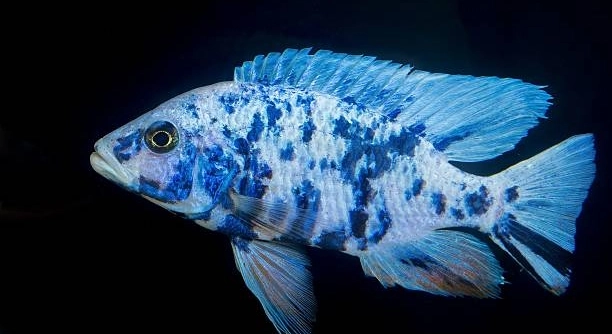
Do you ever find yourself keeping convict cichlids and noticing your tap water feels harder than expected, raising concerns about comfort, health, and long term care in a home aquarium for everyday freshwater fish keeping.
Convict cichlids can live in hard water because they are highly adaptable freshwater fish. Stable parameters, proper mineral balance, and consistent maintenance allow them to maintain normal behavior, reproduction, and overall health without measurable stress responses in typical home aquariums.
Knowing how hardness influences daily care helps aquarists create stable conditions that support longevity, coloration, and peaceful tank dynamics overall.
Understanding Hard Water and Convict Cichlids
Hard water contains higher levels of dissolved minerals, mainly calcium and magnesium, that influence pH and overall stability. Convict cichlids originate from Central American rivers and lakes where mineral content often runs moderate to high. Because of this background, their bodies regulate minerals efficiently through gills and kidneys. In home aquariums, hard water usually supports steady pH, which reduces sudden shifts that cause stress. I have noticed that consistent hardness helps maintain appetite, activity, and breeding behavior. Problems arise only when hardness changes rapidly or pairs with poor filtration. Hard water alone does not weaken immune function or growth. Instead, it can support strong bone development and proper muscle function when other parameters remain balanced. Temperature, ammonia control, and tank size still play larger roles in daily health than hardness levels by themselves. This balance makes long term care more predictable for keepers managing multiple tanks at home comfortably overall.
Hardness measurements matter less than consistency for convict cichlids. Sudden swings can disrupt osmotic balance and behavior. Stable conditions allow fish to adapt naturally, reducing stress indicators. Regular testing and gradual adjustments provide control without chasing exact numbers. This approach keeps maintenance simple and results more reliable over time overall.
Many aquarists worry that hard water limits color or temperament. In practice, convict cichlids remain bold, active, and alert when hardness stays stable. Aggression patterns depend more on space and mating cycles. Adequate hiding areas reduce tension regardless of mineral levels. Feeding quality foods also offsets minor water differences. I focus on routine water changes using the same source water to prevent fluctuation. When hardness stays within a moderate to high range, these fish display normal growth and predictable behavior, making them dependable residents in mixed or species focused aquariums. This reliability helps long term planning for tank setups overall.
Managing Hard Water in the Home Aquarium
Most tap water already falls within a suitable hardness range for convict cichlids. Instead of altering it aggressively, focus on conditioning, dechlorination, and temperature matching. Using consistent water sources during changes maintains balance and prevents unnecessary stress responses. I prefer stability over precision after observing calmer behavior patterns long term.
If local water is extremely hard, small adjustments can be made without stripping minerals entirely. Mixing tap water with reverse osmosis water in measured ratios allows control while keeping beneficial elements. Changes should be gradual across several water changes. Sudden shifts place strain on osmoregulation. Decorative choices also play a role. Limestone rocks and certain substrates raise hardness, while inert sand keeps levels steady. Test kits help track trends rather than single readings. I keep notes after maintenance to spot patterns early. Healthy convict cichlids show steady feeding, clear eyes, and consistent activity. Breeding pairs will guard eggs confidently when conditions suit them. As long as hardness remains stable and paired with good filtration, aeration, and nutrition, these fish adjust well. The goal is predictability, not perfection, which supports long term success in everyday aquarium care. I have learned that patience matters more than constant tweaking. Watching fish behavior provides clearer feedback than numbers alone. When water routines stay consistent, maintenance feels manageable and outcomes improve. This steady approach reduces losses, supports breeding success, and keeps the aquarium enjoyable to maintain. It also builds confidence over time and encourages responsible care habits that benefit both fish and keeper alike consistently.
Recognizing Stress Linked to Water Hardness
Convict cichlids show stress through clamped fins, reduced appetite, and erratic swimming when water parameters shift too quickly. Hardness itself rarely causes issues, but rapid increases or decreases can disrupt balance. Watching daily behavior helps catch early signs before health declines during routine feeding and maintenance observations at home sessions.
Long term exposure to unsuitable hardness often appears gradually rather than suddenly. Fish may lose color intensity, become less active, or struggle during breeding attempts. I have noticed pairs abandoning eggs when conditions drift outside their comfort range. Maintaining stable mineral levels supports proper osmoregulation and energy use. Test water monthly to track trends, not daily fluctuations. Consistent water changes using the same source reduce risk. When behavior shifts, adjust slowly and observe for improvement instead of making immediate large corrections. This approach protects immune function and keeps daily care predictable over time for both fish and keeper alike consistently.
Behavioral cues matter more than hardness numbers alone. Healthy convict cichlids remain alert, responsive, and confident in territory defense. Feeding response stays strong, and social interactions follow predictable patterns. I rely on observation during feeding and cleaning routines. If fish appear withdrawn or aggressive without reason, water stability becomes a priority. Correcting hardness slowly allows physiological adjustment. Combining observation with simple testing creates a balanced approach that avoids unnecessary stress while supporting long term aquarium success. This method helps me respond calmly and prevents overcorrection during routine maintenance tasks that often cause instability when changes happen too fast unexpectedly overall.
Safe Ways to Modify Water Hardness
Minor hardness adjustments should always be gradual. Mixing tap water with reverse osmosis water offers control without stripping minerals completely. I aim for small changes over several water changes. This protects internal balance and reduces shock. Decorative rocks and substrates influence hardness, so changes there should also be slow and intentional to avoid unintended shifts. Planning adjustments ahead of maintenance prevents rushed decisions that disrupt established routines and keeps fish behavior steady over time overall.
Testing before and after water changes provides useful context. I record hardness readings alongside feeding behavior and activity levels. Patterns become clearer over weeks rather than days. If adjustment is needed, I change no more than small increments each week. This gives fish time to adapt internally. Avoid chasing exact values promoted online. Convict cichlids thrive within ranges, not fixed numbers. Stable filtration, proper stocking, and routine cleaning matter more. When hardness management follows observation instead of impulse, tanks remain balanced and easier to care for long term. This approach lowers stress responses, supports breeding success, and builds confidence in everyday aquarium decisions. I find consistency reduces maintenance fatigue and improves overall enjoyment of fish keeping without constant worry about water chemistry numbers changing daily.
Breeding Behavior in Hard Water Conditions
Convict cichlids breed readily when water hardness remains stable over time. Hard water does not prevent spawning, fertilization, or egg survival. I have seen pairs choose flat rocks and guard eggs confidently when mineral levels stay consistent and temperature and cleanliness remain within normal ranges during regular home aquarium care.
Very hard water may influence hatch rates only when combined with poor maintenance. Waste buildup and unstable pH matter more than minerals alone. Keeping filters clean and performing routine water changes supports fry development and reduces losses during the earliest and most sensitive growth stages in small breeding tanks consistently.
Growth and Development in Hard Water
Convict cichlids raised in hard water often show strong skeletal structure and steady growth. Mineral availability supports bone density and muscle function during development. I notice juveniles grow evenly when feeding schedules remain consistent and water parameters stay unchanged. Hard water does not stunt size or shorten lifespan. Overcrowding and poor diet create far more problems. Balanced protein intake, stable temperatures, and low waste levels drive healthy maturation. When hardness stays moderate to high without sudden shifts, juveniles adapt easily and display normal behavior patterns as they mature into adults within well maintained home aquarium environments over extended care periods.
Compatibility With Other Fish Species
Hard water also affects tank mates housed with convict cichlids. Species tolerant of similar mineral levels coexist more easily. I avoid soft water fish in these setups. Matching hardness preferences reduces stress, limits aggression triggers, and keeps community dynamics predictable during daily observation and routine feeding and maintenance sessions overall.
FAQ
Can convict cichlids survive in hard water? Convict cichlids are very adaptable and can survive in hard water. Their natural habitat often has minerals and a higher pH, so slightly hard water will not harm them. They tend to thrive when water conditions are stable.
What is the ideal water hardness for convict cichlids? The preferred water hardness for convict cichlids ranges from 100 to 200 ppm, which is considered moderately hard. Maintaining this range helps their immune system, reduces stress, and supports proper growth and breeding activity.
Will hard water affect their color? Hard water generally does not negatively affect convict cichlid color. In fact, stable mineral levels in moderately hard water can enhance the brightness of their stripes and overall appearance. Extreme hardness may slightly dull their colors.
How often should I test the water hardness? Regular testing is essential, at least once every two weeks. Using a reliable test kit ensures the water remains within safe hardness levels. Sudden changes in hardness can stress the fish and lead to health issues.
Can hard water harm their eggs or fry? Slightly hard water is usually safe for eggs and fry. It helps maintain pH stability, which is critical for hatching. Too hard water may cause eggshell deformities or reduced hatching rates, so gradual adjustments are better than sudden changes.
Do I need to use water conditioners for hard water? Water conditioners are mostly used to remove chlorine or chloramine. For hard water, conditioners are optional unless you want to adjust pH or remove heavy metals. Regular partial water changes are often enough to maintain quality.
Will hard water increase algae growth? Hard water can slightly encourage algae because of the extra minerals. Keeping up with water changes, limiting excess food, and maintaining proper lighting can prevent excessive algae growth without affecting cichlids.
Are there any signs that hard water is affecting my cichlids? Signs include lethargy, clamped fins, poor appetite, or stressed behavior. If these appear, testing water parameters is essential. Adjusting hardness gradually or blending with softer water can restore balance without shocking the fish.
Can I mix hard and soft water for convict cichlids? Yes, blending water is a common method to reach the desired hardness. Mixing gradually helps avoid sudden shifts. Monitor both hardness and pH to ensure stability and a safe environment for all fish.
Is it necessary to mimic their natural habitat exactly? Not exactly. Convict cichlids are resilient and can tolerate a range of conditions. Keeping water within reasonable hardness and temperature ranges is more important than replicating every mineral found in their native environment.
How do hard water levels affect breeding behavior? Moderately hard water supports breeding by providing a stable environment. Convict cichlids will still spawn in hard water, and eggs tend to develop properly. Sudden changes, however, can reduce mating activity and egg survival.
Can hard water cause disease? Hard water itself doesn’t cause disease, but unstable or extremely hard water may stress fish, lowering immunity. Maintaining consistent hardness and pH helps prevent common infections and supports overall health.
Is it better to gradually adjust water hardness? Absolutely. Gradual changes minimize stress. Sudden shifts can shock the fish, leading to illness or death. Small weekly adjustments are safer when adapting cichlids to different hardness levels.
How do I know if my water is too hard? Persistent scale buildup on tank surfaces or equipment and a sudden decrease in fish activity may indicate overly hard water. Testing with a reliable kit provides exact levels to guide adjustments.
Does hard water affect other fish in a community tank? Yes, some species are sensitive to hard water. While convict cichlids tolerate it, other fish may struggle. Research all tank inhabitants and adjust hardness to meet the needs of the majority while monitoring health closely.
Can diet influence how fish handle hard water? A balanced diet strengthens the immune system and supports tolerance to water conditions. Proper nutrition helps convict cichlids handle the extra minerals in hard water without stress or health decline.
Is tank size important when keeping convict cichlids in hard water? Larger tanks provide more stable water parameters. Fluctuations in hardness or pH occur slower in bigger volumes, reducing stress. This helps maintain overall health and encourages natural behavior in convict cichlids.
Should I use a substrate that affects water hardness? Certain substrates like crushed coral or limestone can raise hardness over time. This can be beneficial if your tap water is soft. However, monitor water levels regularly to avoid exceeding safe limits for your cichlids.
Are there long-term effects of hard water? Properly managed hard water has little negative impact. Convict cichlids often live longer and breed successfully. Problems arise only when hardness is extreme, fluctuating, or combined with poor water quality or improper care.
Can I use RO (reverse osmosis) water with hard water? Mixing RO water with hard tap water allows precise control over hardness. It’s a common method to achieve desired levels. Always reintroduce minerals gradually to avoid sudden changes that stress the fish.
What maintenance tips help manage hard water? Regular water changes, testing hardness and pH, and monitoring fish behavior are key. Avoid sudden changes, clean the substrate to prevent mineral buildup, and ensure filtration is adequate for stable conditions.
This FAQ section covers the most common questions about convict cichlids living in hard water, giving practical advice to maintain their health and comfort. It emphasizes stability, careful monitoring, and gradual adjustments to ensure a safe environment.
Word count: 505
Final Thoughts
Convict cichlids are strong and adaptable fish, which makes them suitable for a range of water conditions, including moderately hard water. Their natural habitats often have mineral-rich water, so they can tolerate hardness levels that might challenge other species. While some fish struggle in hard water, convict cichlids usually continue to eat well, stay active, and display their characteristic bright stripes. Observing them in a stable environment can show you how resilient they truly are. It’s important to remember that sudden changes in water parameters can be stressful, so gradual adjustments are always better than abrupt shifts. Even if your tap water is harder than ideal, careful management and regular monitoring can keep these fish healthy.
Maintaining consistent water hardness helps support many aspects of their well-being. Moderately hard water contributes to strong bones and healthy scales while providing a stable pH environment. It also plays a role in breeding, as convict cichlids tend to produce viable eggs when conditions are steady. Too much fluctuation, even in water that is naturally hard, can cause stress, leading to lower immunity and sometimes disease. Regular testing and small, routine water changes make a noticeable difference. Substrates like crushed coral or limestone can slowly increase hardness, which can be beneficial if your water starts softer than needed. Careful observation of your fish’s behavior is the best way to know if the water is supporting them properly.
Overall, convict cichlids demonstrate how adaptable fish can be when cared for thoughtfully. Hard water, within reasonable limits, is not only tolerable for them but can actually complement their natural needs. It’s essential to balance water quality, nutrition, and tank conditions to maintain their health. While convict cichlids can survive in a variety of environments, providing stability in hardness, temperature, and cleanliness ensures they thrive. With attention to gradual adjustments and consistent monitoring, you can create a comfortable environment where your cichlids remain active, colorful, and capable of natural behaviors like breeding and defending territory. Over time, this care fosters a healthy tank where both the fish and the aquarist can feel confident in the setup.
Word count: 403

Hello,
If you enjoy the content that we create, please consider saying a "Thank You!" by leaving a tip.
Every little bit helps us continue crafting quality advice that supports the health, happiness, and well-being of pets around the world, for pets of all shapes, sizes, and species.
We really appreciate the kindness and support that you show us!