
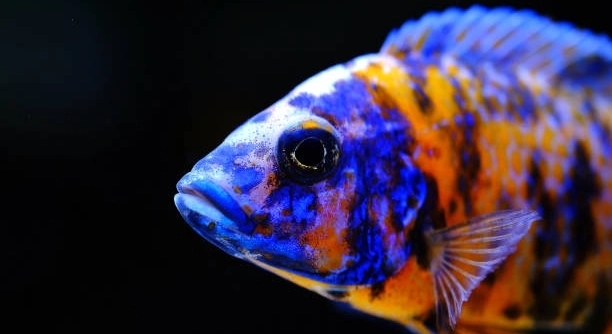
Convict cichlids are lively freshwater fish often kept in home aquariums. Their energetic swimming and curious nature make them entertaining companions, but owners sometimes notice unusual behaviors that can be puzzling or concerning.
Convict cichlids are capable of jumping out of tanks under certain conditions. Factors such as water quality, tank size, and stress levels can influence their tendency to leap. Proper tank maintenance and secure lids help prevent accidental escapes.
Knowing why these fish jump can help you create a safer environment for them. Careful observation and adjustments can keep your convict cichlids healthy and secure.
Why Convict Cichlids Jump
Convict cichlids are active fish that react strongly to their environment. They may jump when they feel stressed, such as from sudden changes in water temperature or poor water quality. Tank overcrowding can also push them to escape, as these fish value personal space. Bright lights or constant disturbances can make them more likely to leap. Jumping is often a natural response to discomfort rather than aggression. Observing your fish closely can help identify triggers and prevent accidents. Adding plants or hiding spots can reduce stress and provide areas for the fish to feel secure. Even minor changes, like moving decorations or adjusting filters, may cause a sudden leap. Keeping water parameters stable and providing a calm environment ensures your cichlids feel safe and reduces jumping incidents. Regular monitoring and careful tank management are essential to maintain their health and minimize unexpected behavior.
A secure, well-covered tank is the easiest way to prevent jumping incidents and keep fish safe at all times.
Maintaining proper conditions involves checking water temperature, pH, and cleanliness. Ensuring a tank is neither overcrowded nor overly decorated helps prevent stress. Convict cichlids also respond positively to a predictable routine. Feeding at consistent times and avoiding sudden movements around the tank can minimize their urge to jump. Providing adequate space and hiding places allows them to explore safely, reducing anxiety. Using a tank lid or cover is a simple, effective precaution against escape. Observation is key; noticing subtle changes in behavior or water conditions helps prevent issues before they escalate.
Tank Setup to Prevent Escapes
A lid or cover is essential to keep convict cichlids from jumping out.
Tank size, decorations, and water conditions all contribute to jumping behavior. Smaller tanks increase stress, while overcrowding can lead to frequent attempts to escape. Plants and hiding spots reduce anxiety, giving fish secure areas to rest. Stable water temperature and proper filtration are critical, as sudden fluctuations can provoke jumping. Avoid placing the tank in high-traffic areas, where noise or vibrations may startle the fish. Regular cleaning and maintenance create a consistent environment, further minimizing risk. Adjusting decorations gradually prevents startling your cichlids, and providing enough space for swimming helps them feel comfortable. Consistency in feeding routines and water checks builds a stable environment, which reduces stress-driven behaviors. Ultimately, careful planning of tank layout and ongoing observation ensures your convict cichlids remain safe and less likely to jump, promoting their overall health and longevity in the aquarium.
Common Triggers for Jumping
Sudden changes in water temperature or chemistry often trigger convict cichlids to jump. Overcrowding, aggressive tank mates, and loud noises can also stress them, prompting escapes. Providing stable conditions helps reduce these incidents.
Stress can build quickly in convict cichlids. Even minor disturbances, like moving decorations or tapping the glass, can make them uneasy. Overcrowded tanks force fish to compete for space, increasing anxiety and the likelihood of jumping. Aggressive tank mates may chase or intimidate them, creating further stress. Bright lights and high-traffic areas amplify discomfort, encouraging escape attempts. By observing patterns in behavior, owners can identify which factors most affect their fish. Gradual changes in environment and careful selection of tank companions significantly reduce stress-induced jumping, keeping the fish safer.
Water quality also plays a crucial role in preventing jumps. High ammonia, nitrite, or nitrate levels irritate fish and can provoke frantic behavior. Stable pH and temperature are essential for a calm environment. Tank enrichment, such as hiding spots, helps fish feel secure, lowering the risk of jumping. Regular maintenance, proper filtration, and routine observation ensure convict cichlids remain comfortable and less likely to escape, promoting their overall well-being in the aquarium.
How to Keep Your Cichlids Safe
A secure tank lid, proper water parameters, and sufficient hiding spots are essential to keep cichlids from jumping.
Maintaining a safe environment requires careful attention to tank setup. Use a sturdy lid that fits well to prevent escapes, as even small gaps can be exploited. Ensure water temperature, pH, and cleanliness are consistently monitored, avoiding sudden changes. Provide enough space for swimming and add plants or decorations to offer shelter, reducing stress. Gradual adjustments to tank layout prevent startling fish, while consistent feeding schedules create a sense of routine. Observing behavior allows you to catch early signs of stress. Choosing compatible tank mates also helps minimize aggression and anxiety. With these measures, convict cichlids remain comfortable, reducing their need to jump and promoting their long-term health.
Feeding and Behavior
Overfeeding can make convict cichlids restless and more likely to jump. Uneaten food pollutes the water, increasing stress and causing erratic behavior.
Maintaining a consistent feeding schedule with appropriate portions helps keep fish calm. Observing their behavior during feeding times can reveal signs of stress or discomfort, allowing adjustments to diet and environment.
Tank Companions
Aggressive or overly active tank mates increase stress, which can lead to jumping. Choosing compatible species helps maintain a calm environment.
Monitoring Water Conditions
Regular testing of water parameters is essential. Fluctuations in temperature, pH, or ammonia levels directly affect cichlid comfort and behavior, reducing the risk of jumping.
FAQ
Can convict cichlids survive if they jump out of the tank?
Convict cichlids can survive brief periods out of water, but it is extremely risky. Their skin and gills are adapted for water, and exposure to air can quickly cause dehydration and stress. Immediate return to the tank is necessary to prevent serious harm or death.
Why do convict cichlids jump more at night?
Some convict cichlids are more active during low-light conditions. If a tank is not fully covered or if there are reflections on the water surface, they may mistake them for open space and jump. Ensuring a secure lid and stable lighting reduces these incidents.
Do all convict cichlids jump, or is it just some individuals?
Not all convict cichlids jump. Individual temperament, stress levels, and environmental conditions influence their likelihood. Fish in calm, stable tanks with adequate space are less prone to jumping than those in crowded or stressful environments.
Can changing tank decorations trigger jumping?
Yes. Convict cichlids are sensitive to sudden changes. Moving rocks, plants, or other decorations can startle them, prompting a leap. Gradual adjustments and providing hiding spots help the fish acclimate without causing stress-induced jumping.
Is jumping more common in smaller tanks?
Smaller tanks increase stress due to limited swimming space and overcrowding. Stressed fish are more likely to attempt escapes. Using a larger tank with proper enrichment reduces anxiety and the tendency to jump.
Does water quality affect jumping behavior?
Absolutely. Poor water conditions, including high ammonia, nitrite, or nitrate levels, irritate fish and provoke erratic behavior. Consistent water testing, regular maintenance, and proper filtration are essential to prevent jumps and ensure health.
Will tank mates influence jumping?
Yes. Aggressive or overly active species can chase or stress convict cichlids, making them more prone to jumping. Selecting compatible tank mates and monitoring interactions helps maintain a calm environment.
Are juvenile cichlids more likely to jump than adults?
Juveniles tend to be more active and curious, which can increase jumping behavior. Adult cichlids may jump if stressed, but younger fish are generally more prone to sudden movements and escape attempts.
Can diet influence jumping tendencies?
Overfeeding or inconsistent feeding schedules can cause restlessness and increase the risk of jumping. Feeding appropriate portions at regular times reduces stress and keeps fish behavior predictable.
What are the signs that a convict cichlid might jump soon?
Signs include rapid swimming near the water surface, frequent darting, or nervous movements. Observing these behaviors allows owners to intervene, check water conditions, and ensure the tank is secure.
Does tank location affect jumping behavior?
Yes. Tanks placed in high-traffic areas, near loud noises, or with sudden vibrations can startle cichlids. Choosing a quiet, stable location minimizes stress and helps prevent escape attempts.
How can I prevent accidental escapes?
Using a tight-fitting lid, maintaining water quality, monitoring fish behavior, and providing proper tank setup are the most effective measures. Consistency and observation are key to keeping convict cichlids safe and reducing jumping incidents.
Are there medical issues that make convict cichlids more likely to jump?
Illnesses or parasites can increase restlessness and erratic movements. Sick fish may jump due to discomfort. Regular health checks and prompt treatment of diseases are essential to maintain calm behavior.
Can environmental enrichment reduce jumping?
Yes. Adding plants, rocks, and hiding spots helps fish feel secure. When convict cichlids have safe areas to explore and rest, they are less stressed and less likely to leap from the tank.
Is jumping behavior the same in all freshwater fish?
No. While some species are prone to jumping, convict cichlids have a moderate tendency. Behavior depends on species, environment, and individual temperament. Observing patterns and creating a safe habitat reduces risks for all jumping-prone fish.
Does lighting influence jumping?
Bright or flickering lights can startle fish and increase jumping. Maintaining stable, moderate lighting and avoiding sudden changes helps keep convict cichlids calm and less prone to escape attempts.
How quickly should I return a jumped fish to the tank?
Immediate return is crucial. Convict cichlids can only survive briefly out of water, and delays increase stress and risk of injury. Handle carefully to avoid harming their fins or scales during transfer.
Can frequent jumping indicate a larger problem?
Yes. Repeated attempts to jump often point to stress, poor water quality, or incompatible tank mates. Investigating and correcting underlying issues prevents further incidents and promotes long-term health.
Do cichlids jump during feeding?
Sometimes. Excitement over food or competition with tank mates can lead to brief leaps. Consistent feeding routines and proper portions minimize chaotic behavior and reduce the risk of jumping.
Is a secure lid always necessary, even in calm tanks?
Yes. Even calm, healthy cichlids may jump unexpectedly. A secure lid is a simple, essential precaution to prevent accidental escapes and protect fish from harm.
Can jumping damage a cichlid’s health?
Yes. Landing outside the tank can cause physical injuries, stress, and rapid dehydration. Quick intervention is necessary to prevent long-term harm or death.
How often should I check my tank to prevent jumping?
Daily observation is ideal. Regular checks of water parameters, behavior, and tank security help catch problems early, ensuring convict cichlids remain safe and comfortable.
Can adding more plants reduce jumping?
Yes. Plants provide shelter and reduce stress, creating a more secure environment. Hiding spots give fish confidence, lowering the likelihood of escape attempts.
Do all cichlids jump in the same way?
No. Jumping style varies by individual, size, and tank conditions. Some may leap straight out, while others may dart along the surface. Observing behavior helps anticipate and prevent escapes.
Is jumping behavior linked to breeding?
During breeding, convict cichlids can become more territorial and restless. This heightened activity may increase jumping attempts, especially if they feel their eggs or fry are threatened. Proper tank management reduces this risk.
Can stress from handling increase jumping?
Yes. Frequent handling or sudden disturbances can startle fish. Limiting interaction and ensuring gentle maintenance reduces anxiety and prevents jumping incidents.
Does water current affect jumping tendencies?
Strong currents can tire or stress cichlids, prompting them to jump. Adjusting flow rates and providing calmer areas in the tank helps maintain comfort and reduces escape attempts.
Are older cichlids less likely to jump?
Older, settled fish usually jump less than younger, more active individuals. However, stress or environmental changes can still trigger jumps, so precautions remain necessary.
Can temperature swings trigger jumping?
Yes. Convict cichlids are sensitive to rapid temperature changes. Maintaining stable conditions minimizes stress and reduces the risk of sudden leaps from the tank.
Is jumping dangerous even if the tank is low to the floor?
Yes. Even short falls can injure fins, scales, or internal organs. Any jump outside the water poses a risk and requires careful monitoring and prevention measures.
How can I train my cichlids to be less jumpy?
Consistency in feeding, minimal sudden disturbances, and secure tank setup can help fish feel safe. Gradual acclimation to minor changes reduces stress and jump responses over time.
Does overcrowding increase jumping significantly?
Absolutely. High population density causes stress, competition, and limited space, all of which increase the likelihood of jumping. Proper stocking levels help maintain calm behavior and overall health.
Can adding a floating cover help?
Yes. Floating covers, plants, or foam sheets reduce open water areas, making fish feel secure. This limits opportunities to jump and helps maintain a calmer tank environment.
Does tank shape influence jumping?
Yes. Shallow tanks with open surfaces may encourage jumping more than deeper, fully decorated tanks. Providing vertical space and hiding areas can reduce the risk.
Should I remove aggressive fish if jumping persists?
Yes. Aggressive tank mates can be a constant source of stress. Separating or rehoming them helps maintain a calm environment and prevents repeated jumping incidents.
Can tapping on the glass trigger jumping?
Yes. Convict cichlids may interpret vibrations or sudden taps as threats. Minimizing disturbances around the tank helps reduce stress-related jumps.
How can I spot stress early?
Signs include rapid swimming, frequent hiding, loss of appetite, and color changes. Early detection allows prompt action to adjust the environment and prevent jumping.
Is it safe to keep cichlids with fish that are natural jumpers?
Mixing with species prone to jumping can increase stress and trigger similar behavior. Compatibility is essential to maintain a calm tank and prevent accidents.
Can lighting schedules affect jumping?
Stable, predictable lighting helps fish adjust and reduces stress. Sudden changes or flickering can startle them, increasing the risk of jumps.
How important is water quality testing?
Regular testing is crucial. Ammonia, nitrite, nitrate, and pH fluctuations directly impact fish comfort. Consistent monitoring and maintenance prevent stress and escape behavior.
Does tank placement near windows affect jumping?
Yes. Sunlight, reflections, and temperature fluctuations from windows can stress fish. Placing tanks in stable, low-traffic areas helps maintain calm behavior.
Are juvenile tanks more prone to jumping incidents?
Juvenile cichlids are more active and curious, making them more likely to jump. Proper tank covers and enrichment are essential during early growth stages.
Can frequent water changes reduce jumping?
Yes, but they should be done gradually. Sudden large changes can stress fish, while consistent, moderate water changes improve overall health and reduce escape attempts.
Is jumping a sign of happiness or distress?
Jumping almost always indicates stress, discomfort, or environmental issues. Even playful-looking leaps can signal that conditions need attention.
Do convict cichlids jump during fights?
Yes. Aggressive interactions with tank mates often result in sudden leaps. Providing sufficient space and compatible companions reduces these incidents.
Can overcrowding alone cause repeated jumping?
Yes. Limited space and competition for territory increase stress, leading to multiple escape attempts. Proper stocking levels and tank enrichment prevent this behavior.
Are there signs after a jump that a fish is injured?
Yes. Torn fins, scale loss, bleeding, or lethargy indicate injury. Immediate treatment and isolation may be necessary to prevent infection and further harm.
Can water hardness influence jumping?
Extreme hardness or soft water can cause stress, especially if conditions are inconsistent. Stable water chemistry reduces discomfort and minimizes jumping behavior.
Does tank maintenance routine affect jumping?
Yes. Sudden, inconsistent cleaning or filter changes can startle fish. Regular, gradual maintenance keeps the environment predictable and lowers stress-induced jumps.
Is it necessary to quarantine new fish to prevent jumping?
Quarantine helps identify stress or aggression issues before introducing new fish. Reducing stress from tank mate interactions minimizes jumping incidents.
Can jumping lead to long-term health problems?
Yes. Repeated jumps may cause chronic stress, fin damage, or injuries. Maintaining a secure environment ensures overall health and prevents long-term harm.
How can I tell if my cichlid tank is safe from jumping?
Check for a secure lid, stable water conditions, compatible tank mates, adequate space, and enrichment. Observing behavior regularly confirms that the environment is safe.
Does tank depth play a role in jumping frequency?
Yes. Shallow tanks increase exposure to surface disturbances, making jumps more likely. Deeper, enriched tanks provide security and reduce escape attempts.
Are jumps more frequent during breeding?
Yes. Territorial instincts heighten activity, sometimes leading to leaping. Providing enough space and hiding spots reduces stress for breeding fish.
Is it possible to prevent all jumping?
Complete prevention is difficult, but proper tank setup, secure lids, stable water conditions, and reduced stress significantly lower the risk of escapes. Regular monitoring is essential to maintain a safe environment.
Do convict cichlids jump more in groups or alone?
Group dynamics can increase stress or excitement, sometimes prompting jumps. Observation and proper tank stocking help manage behavior.
How quickly can stress-induced jumping start?
Stress can provoke immediate reactions. Rapid changes in water, tank layout, or aggressive interactions can trigger a jump within minutes.
Does frequent relocation increase jumping risk?
Yes. Moving a tank or transferring fish too often causes stress. Minimizing relocation helps maintain calm and reduces escape attempts.
Can decorations be used to deter jumping?
Yes. Strategically placed plants and rocks break line-of-sight, reducing open water exposure and creating a safer, less stressful environment.
Are certain breeds of convict cichlids jumpier than others?
Behavior varies individually rather than by breed. Personality, environment, and stress levels are more influential than genetic strain.
Does water flow speed influence jumping?
High water flow can stress fish, prompting them to leap. Providing areas with calmer currents allows comfortable swimming and reduces escape attempts.
Can uneven tank lighting trigger jumping?
Yes. Sudden shadows or bright reflections may startle fish. Consistent, moderate lighting is preferable to maintain calm behavior.
Does frequent handling increase jump attempts?
Handling causes stress and may provoke escapes. Minimizing disturbance during cleaning, feeding, or observation keeps fish relaxed and reduces jumping behavior.
Can tank mates that jump influence convict cichlids?
Yes. Observing others jump can trigger imitation or stress-induced responses. Keeping calm, compatible species reduces this risk.
How can I monitor behavior to prevent jumping?
Regular observation, noting rapid swimming, surface activity, and signs of stress, allows early intervention. Adjusting environment accordingly minimizes escape attempts.
Can changing the tank location reduce jumping?
Placing the tank in a quiet, stable area with minimal disturbances lowers stress. This reduces the likelihood of escape attempts and maintains fish well-being.
Are young cichlids more sensitive to tank conditions?
Yes. Juveniles react strongly to temperature fluctuations, overcrowding, and water quality issues, making them more likely to jump. Proper care reduces these risks.
Does tank shape matter for preventing jumps?
Yes. Narrow or shallow tanks increase exposure to surface disturbances. Deeper, well-decorated tanks create secure areas, reducing jumping tendencies.
Can feeding frequency affect jumping?
Yes. Irregular feeding can stress fish, while consistent portions at scheduled times promote calm behavior and reduce escape attempts.
Is jumping more common in stressed fish?
Yes. Stress is the primary driver of jumping. Factors include water quality, tank mates, overcrowding, and environmental disturbances. Reducing stress minimizes this behavior.
Can injuries from previous jumps increase future risk?
Yes. Injured or weakened fish may jump again due to discomfort or stress. Healing, proper care, and safe tank setup reduce repeat incidents.
Does tank visibility affect jumping?
Yes. Open, exposed tanks without hiding spots increase stress. Adding plants and decorations reduces visible open water, helping fish feel secure.
Can sudden noises trigger jumps?
Yes. Loud sounds or vibrations startle fish. Keeping tanks in quiet areas reduces stress-induced jumping.
Do convict cichlids jump more during growth spurts?
Yes. Rapid growth often increases activity and curiosity, leading to more frequent leaps. Adequate space and enrichment help accommodate this behavior.
How important is routine observation?
Daily monitoring is essential. It helps identify stressors, track water quality, and detect early signs of jumping behavior, allowing timely intervention.
Can breeding aggression increase jumping?
Yes. Territorial instincts make fish more active and restless. Providing enough space and hiding spots reduces stress and escape attempts.
Does tank depth versus width influence jumping?
Shallow, wide tanks expose fish to more surface area, encouraging jumps. Deeper tanks with vertical enrichment reduce the likelihood of leaping.
Can sudden water changes trigger jumping?
Yes. Large or abrupt water changes stress fish. Gradual adjustments maintain stability and prevent escapes.
Are male convict cichlids jumpier than females?
Males may exhibit more territorial or aggressive behavior, increasing jump risk. Females can jump during stress or breeding, but males often show higher activity levels.
Can floating plants prevent jumps?
Yes. Floating plants break open water exposure, providing security and reducing the desire to leap.
Does overcrowding always lead to jumping?
Not always, but it significantly increases stress. Proper stocking levels and adequate enrichment minimize this risk.
Are young fish more curious than adults?
Yes. Juveniles explore actively, often jumping more than settled adults. Secure tanks and gradual exposure to changes help reduce incidents.
Can frequent rearrangement of decorations increase jumping?
Yes. Sudden changes startle fish. Gradual adjustments allow acclimation and reduce stress-induced leaps.
Do convict cichlids jump more when excited?
Yes. High activity, competition for food, or playful behavior can provoke jumps. Observing and moderating stimulation helps reduce incidents.
Can tank companions influence jumping frequency?
Yes. Aggressive or hyperactive species can stress convict cichlids. Choosing calm, compatible fish reduces escape behavior.
Is jumping a sign of poor care?
Often, yes. Repeated jumping usually indicates stress from water quality, tank setup, or overcrowding. Addressing these factors improves safety and fish health.
Does tank enrichment prevent all jumping?
Enrichment reduces stress but cannot eliminate jumping entirely. Proper setup, secure lids, and observation remain essential.
Can water temperature drops provoke jumping?
Yes. Rapid drops in temperature cause discomfort and stress, prompting escape attempts. Stable conditions prevent this behavior.
Do cichlids jump more in new tanks?
Yes. New environments can be stressful. Gradual acclimation, secure lids, and hiding spots reduce jumping tendencies.
Can sudden light changes trigger jumps?
Yes. Flickering or abrupt light shifts startle fish. Stable lighting maintains calm behavior and reduces escape attempts.
Are jumps more common in aggressive species combinations?
Yes. Aggressive tank mates increase stress and provoke defensive or escape behavior. Proper species selection is crucial.
Can jumping injure other fish?
Yes. Escaping fish may collide with tank mates, causing stress or injury. Adequate space and secure tanks prevent accidents.
Is daily observation enough to prevent jumping?
Yes, if combined with proper tank maintenance, secure lids, and stress management. Regular checks allow early intervention to avoid incidents.
Does tank lid type matter?
Yes. Mesh, glass, or acrylic lids should fit securely. Gaps allow escape, so choosing a tight-fitting lid is essential for safety.
Can tank water clarity influence jumping?
Yes. Poor visibility can increase stress or erratic movements.
Convict cichlids are active and curious fish that require a carefully managed environment to thrive. Their tendency to jump from tanks can seem surprising at first, but it is usually a natural response to stress, environmental changes, or discomfort. Understanding why they jump is important for any aquarium owner. Factors such as overcrowding, aggressive tank mates, sudden changes in water conditions, or even bright lighting can trigger these behaviors. By recognizing these signs early, you can adjust the tank environment and prevent accidents before they happen. Observation is key; paying attention to how your fish behave around the surface, during feeding, or when other fish are nearby provides valuable insight into their comfort level.
Proper tank setup is essential for minimizing jumping behavior. A secure lid or cover is the simplest and most effective solution to prevent accidental escapes. Along with this, maintaining stable water conditions, including temperature, pH, and cleanliness, plays a major role in keeping convict cichlids calm. Providing adequate space for swimming and enrichment, such as plants, rocks, and hiding spots, helps the fish feel secure and reduces stress. Feeding a consistent diet and avoiding overfeeding also contributes to calmer behavior. Even small adjustments, like placing the tank in a low-traffic area or gradually changing decorations, can make a significant difference. These measures, combined with careful observation, help ensure that your cichlids remain healthy and less likely to jump.
Taking the time to monitor behavior and provide a safe, consistent environment benefits both the fish and the owner. Understanding the triggers of jumping allows for proactive measures, rather than reactive solutions after an incident occurs. While convict cichlids are naturally lively and occasionally unpredictable, creating conditions that meet their needs reduces the likelihood of escapes. Regular water testing, compatible tank mates, and thoughtful tank design all contribute to a calm and secure habitat. With attention to these details, you can enjoy the energy and personality of convict cichlids without the stress of unexpected jumping. A well-maintained tank not only protects your fish but also promotes their long-term health and overall well-being.

Hello,
If you enjoy the content that we create, please consider saying a "Thank You!" by leaving a tip.
Every little bit helps us continue crafting quality advice that supports the health, happiness, and well-being of pets around the world, for pets of all shapes, sizes, and species.
We really appreciate the kindness and support that you show us!