
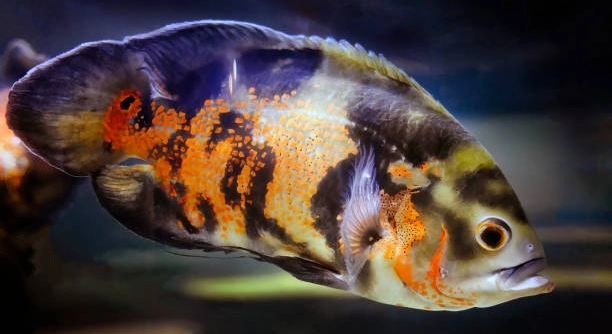
Convict cichlids are popular freshwater fish, admired for their vibrant colors and strong personalities. Many aquarium enthusiasts enjoy watching their interactions, as these fish often display behaviors that seem surprisingly human-like. Observing them can be both relaxing and entertaining.
Convict cichlids can exhibit behaviors that resemble jealousy, particularly when it comes to protecting their territory or mates. They may become aggressive or more attentive if they perceive a rival or a perceived threat in their environment.
Understanding these behaviors can help you manage tank dynamics and maintain a peaceful environment. Observing their social interactions closely offers valuable insights into their natural instincts.
Understanding Convict Cichlid Behavior
Convict cichlids are known for their territorial nature, especially during breeding periods. They form strong pair bonds and can become protective of their mates and eggs. If another fish comes too close, they may chase or nip at it to assert dominance. This behavior is often interpreted as jealousy, though it is primarily instinctual. Observing these fish over time helps identify patterns, such as increased aggression when new fish are introduced or when familiar fish receive attention. They also display subtle signals, like flaring fins or quick darting movements, to communicate displeasure. Tank size, hiding spaces, and the number of fish can influence how often these behaviors appear. By understanding their natural instincts, it becomes easier to anticipate conflicts and maintain harmony in a shared aquarium. Careful observation can also reveal individual personality differences, as some convict cichlids are more tolerant while others react strongly to perceived threats.
Aggression and attention-seeking behaviors often indicate the fish’s protective instincts, not intentional jealousy, but they can affect tank dynamics noticeably.
Providing adequate space, hiding areas, and monitoring pair interactions ensures convicts feel secure. Over time, their patterns become predictable, helping maintain a calm and balanced tank.
Signs Your Convict Cichlid May Feel Jealous
Jealousy-like behavior in convict cichlids often appears as territorial aggression, increased chasing, or constant monitoring of a perceived rival. These signs are more evident when new fish are added or when attention shifts.
Observing their body language can clarify their feelings and needs. Flared fins, sudden darting, and persistent guarding are key indicators. During breeding, both males and females can show heightened vigilance toward intruders. Even minor changes in the tank, such as rearranged decorations or shifts in feeding routines, may trigger these behaviors. Understanding the triggers allows for proactive management. Adjusting the environment, providing hiding spots, and separating overly aggressive individuals when necessary helps prevent stress and injuries. Over time, recognizing these patterns gives a clearer picture of how convict cichlids react to social dynamics, making it easier to maintain a stable and healthy community tank where each fish can thrive without constant conflict.
Managing Territorial Disputes
Providing enough space in the tank helps reduce conflicts. Hiding spots and visual barriers allow convict cichlids to retreat when feeling threatened. Monitoring pair interactions and separating aggressive individuals can prevent injuries and maintain balance.
Tank layout directly impacts aggression levels. Convict cichlids react strongly to territory intrusions, so arranging rocks, plants, and decorations strategically can create distinct areas for each fish. Avoid overcrowding, as limited space increases stress and competition. Feeding routines also influence behavior, as competition over food can trigger chasing. By observing interactions and adjusting the environment, conflicts can be minimized while allowing natural instincts to remain visible.
Consistent observation is key to maintaining harmony. Some fish may require temporary separation to calm aggressive tendencies, while others adapt quickly to new tank mates. Understanding individual personalities helps manage disputes efficiently and ensures all fish feel secure in their environment.
Encouraging Healthy Social Interactions
Pairing convict cichlids carefully reduces tension and fosters cooperation. Compatible fish are less likely to show constant aggression, allowing calmer interactions and natural behaviors to emerge more freely.
Providing sufficient hiding spaces, structured territories, and observing interactions closely encourages positive social behavior. Introducing new fish gradually and monitoring reactions prevents unnecessary stress. Environmental enrichment, such as plants and rocks, allows fish to explore while respecting each other’s boundaries. Feeding strategies that minimize competition also help maintain peace. Over time, convict cichlids develop predictable social patterns, and a well-structured tank allows them to interact naturally without constant confrontations, improving overall health and reducing behavioral stress.
Identifying Stress Triggers
Changes in the tank, such as new fish or rearranged decorations, often cause stress in convict cichlids. Stress can lead to aggression, hiding, or decreased appetite, affecting their overall health.
Overcrowding and limited hiding spaces also increase tension. Monitoring behavior closely helps identify which triggers cause negative reactions and allows adjustments to reduce stress effectively.
Feeding and Competition
Feeding times can reveal subtle signs of jealousy or competition. Convict cichlids may chase others away from food or guard certain areas. Maintaining a consistent feeding schedule and distributing food evenly across the tank reduces disputes. Over time, this encourages calmer behavior and ensures all fish receive adequate nutrition.
Monitoring Tank Dynamics
Regular observation is essential. Noting shifts in behavior allows timely intervention before minor conflicts escalate into serious aggression. Adjustments to layout or pairing strategies can maintain harmony.
FAQ
Can convict cichlids really feel jealousy?
Convict cichlids display behaviors that resemble jealousy, but these actions are largely driven by instinct. Protecting territory, mates, or eggs may look like jealousy, yet it is more about survival and dominance. Observing their reactions helps distinguish natural instinct from social emotion.
Why does my convict cichlid chase other fish?
Chasing is often a territorial response. Convict cichlids naturally defend their space, especially during breeding. If new fish enter their perceived territory, they will chase or nip to establish dominance. Proper tank space and hiding areas can reduce the intensity of these interactions.
Do male and female convict cichlids show jealousy differently?
Both sexes can show jealousy-like behaviors, but males tend to guard territory aggressively, while females focus on protecting eggs or young. Recognizing these patterns allows better management of breeding pairs and prevents unnecessary stress in the tank.
How can I reduce jealousy or aggression in my tank?
Providing ample space, visual barriers, and hiding spots minimizes conflicts. Gradual introductions of new fish and careful pairing also help. Maintaining consistent feeding routines ensures competition is limited, reducing triggers for aggressive or possessive behavior.
Is overcrowding the main reason for aggression?
Overcrowding is a major factor that increases stress and triggers aggression. Limited space forces convict cichlids to compete for territory, food, and mates. Ensuring proper tank size and organization significantly lowers the risk of conflict.
Can environmental changes affect their behavior?
Yes, even small changes, like rearranged rocks or plants, can provoke stress and aggressive responses. Convict cichlids are sensitive to their environment, and maintaining consistency helps them feel secure. Adjustments should be gradual to avoid unnecessary tension.
Should aggressive fish be separated?
Separating aggressive individuals temporarily can prevent injuries and reduce stress. Observation is key; some fish calm over time, while others may need permanent separation to maintain a peaceful tank environment.
Do convict cichlids ever calm down naturally?
Yes, as fish establish territories and social hierarchies, aggression may decrease. Providing a structured environment with enough space allows them to settle into predictable patterns, reducing constant conflict.
How can I tell if jealousy is affecting their health?
Signs include loss of appetite, hiding excessively, or visible injuries from fights. Consistent monitoring and prompt adjustments to tank layout or pairings help prevent long-term stress and ensure all fish remain healthy.
Can feeding methods reduce disputes?
Distributing food across different tank areas and maintaining a predictable schedule minimizes competition. Slow feeders or target feeding can also help ensure all fish get their share while reducing aggressive behaviors.
Are some convict cichlids more prone to jealousy?
Yes, individual personalities vary. Some are naturally more territorial or assertive, while others are calmer. Observing each fish’s tendencies helps in planning tank arrangements and pairings to reduce conflict.
Does tank size influence jealousy behaviors?
Tank size directly impacts territorial behavior. Smaller tanks increase stress and competition, amplifying aggression. Larger, well-structured tanks give fish space to establish boundaries, reducing perceived threats and jealousy-like behavior.
Can introducing new fish cause long-term tension?
Introducing new fish can temporarily trigger stress and aggression, but careful, gradual introductions and proper environmental management allow fish to adapt. Long-term tension is minimized when boundaries and territories are respected.
How do breeding periods affect jealousy?
During breeding, aggression and protective behaviors intensify. Both males and females become more vigilant, guarding eggs or fry. Providing extra hiding spaces and monitoring interactions reduces stress during these sensitive periods.
What are subtle signs of jealousy in convict cichlids?
Flaring fins, darting movements, following a mate closely, or hovering near food are subtle indicators. Observing these behaviors early helps prevent escalation into aggression.
Can tank decorations prevent jealousy?
Yes, rocks, plants, and caves create separate zones and visual barriers. Structured environments allow fish to feel secure, reducing competition over territory and perceived threats.
How long does it take for convict cichlids to settle after stress?
Adjustment time varies, depending on tank size, individual personalities, and environmental stability. Some may calm within days, while others may need weeks. Consistent observation and minimal sudden changes help them settle faster.
Is aggression during feeding normal?
Some competition is natural, but persistent chasing or nipping indicates stress or insufficient resources. Even distribution of food and multiple feeding spots help reduce feeding-related conflicts.
Do juvenile and adult cichlids show jealousy differently?
Juveniles are less territorial but may compete over food. Adults are more protective of territory and mates, showing stronger displays of aggression. Knowing these differences aids in planning tank populations and minimizing disputes.
Can jealousy behaviors affect breeding success?
Yes, excessive aggression or stress can harm breeding pairs. Calm environments with sufficient space and hiding spots improve reproductive success and reduce the risk of fry being harmed.
Are there long-term effects of chronic stress from jealousy?
Chronic stress can weaken the immune system, stunt growth, and reduce lifespan. Maintaining a structured tank with predictable routines is essential to ensure overall health and well-being of convict cichlids.
What is the best approach to managing multiple pairs?
Providing clear territories, visual barriers, and ample space helps multiple pairs coexist. Monitoring interactions and separating highly aggressive individuals ensures a balanced social environment without constant conflict.
How important is observation for preventing jealousy issues?
Observation is critical. Noticing early signs of aggression or stress allows timely interventions. Understanding individual behaviors helps create a calm, well-structured tank where all convict cichlids can thrive.
Convict cichlids are fascinating fish with distinct personalities and strong instincts. Their behavior often surprises aquarium owners, especially when it appears that they are jealous of other fish. What is seen as jealousy is usually a reflection of their natural tendencies to protect territory, mates, and offspring. Understanding this distinction helps prevent misunderstandings and ensures a calmer, more manageable tank environment. Observing them carefully allows you to see patterns in how they interact with each other. Over time, these behaviors become easier to predict, and you can adjust the tank to suit their natural instincts. Even small details, like rearranging decorations or introducing a new fish, can trigger changes in behavior. By recognizing the causes of aggression or possessiveness, you can intervene early to reduce stress and prevent injuries. Keeping the tank structured, consistent, and well-organized helps the fish feel secure, which in turn minimizes jealousy-like reactions. Each convict cichlid has its own personality, and some are naturally more aggressive, while others are calmer. A structured environment allows both types to coexist peacefully.
Providing sufficient space and hiding spots is one of the most important strategies for reducing stress and conflict in a tank. Convict cichlids rely on their environment to feel safe, and having clear territories helps limit disputes. Rocks, plants, and other decorations create visual barriers that allow fish to retreat when necessary. Overcrowding can quickly escalate tension and lead to constant chasing or nipping. Feeding routines also play a role in maintaining harmony. Distributing food evenly and maintaining a consistent schedule reduces competition and helps all fish feel secure during meals. Monitoring behavior regularly allows you to identify when a fish may need temporary separation to calm down. Observing interactions closely also reveals subtle signals, like flared fins or darting movements, which indicate stress or possessiveness. Adjusting tank layout, pairing strategies, and feeding methods can significantly reduce aggression and create a healthier environment for every convict cichlid in the aquarium.
Understanding convict cichlid behavior is not just about preventing conflict; it is also about promoting overall well-being. Calm and secure fish are healthier, more active, and more likely to breed successfully. Paying attention to their needs, including space, hiding spots, and compatible pairings, ensures that they can display natural behaviors without constant stress. Even if aggression appears unavoidable at times, careful observation and proactive management make it possible to reduce the intensity and frequency of disputes. Learning how individual personalities interact helps in planning tank arrangements and maintaining a stable community. Over time, you will notice that convict cichlids settle into predictable routines and social hierarchies, which makes managing the tank easier. By respecting their instincts, providing a structured environment, and responding to stress signals appropriately, you can create a peaceful and engaging aquarium where convict cichlids thrive and show the full range of their natural behaviors.

Hello,
If you enjoy the content that we create, please consider saying a "Thank You!" by leaving a tip.
Every little bit helps us continue crafting quality advice that supports the health, happiness, and well-being of pets around the world, for pets of all shapes, sizes, and species.
We really appreciate the kindness and support that you show us!