
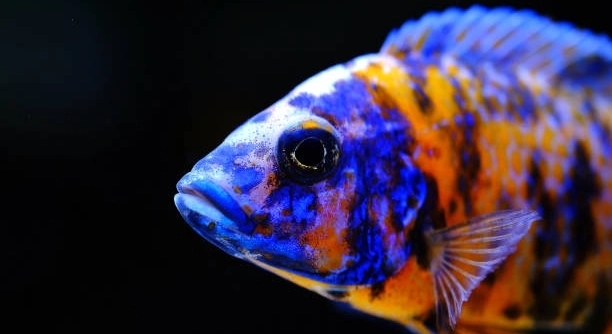
Convict cichlids are popular freshwater fish, admired for their vibrant colors and active behavior. Many hobbyists enjoy watching them interact, yet their moods and wellbeing are often overlooked in typical aquarium care routines.
Convict cichlids can exhibit signs of stress or low activity that resemble depression, especially when exposed to poor water conditions, lack of stimulation, or aggressive tankmates. Maintaining proper habitat and social environments is crucial for their overall mental health.
Recognizing these behavioral changes can help you create a healthier, more engaging environment for your fish. Observing patterns in activity and interactions is an important first step.
Understanding Signs of Depression in Convict Cichlids
Convict cichlids may show depression through changes in behavior and appearance. A normally active fish may hide for long periods, lose appetite, or stop interacting with tankmates. Their vibrant colors can fade, and swimming patterns may become sluggish. Stress from overcrowding, improper water conditions, or aggressive tankmates can trigger these changes. Even small tanks without enough hiding spaces can make them feel unsafe and anxious. Environmental consistency is essential, as sudden changes in water temperature or pH can disturb their routine. Observing your fish daily helps detect early signs, allowing timely adjustments to improve their wellbeing. Feeding schedules, tank enrichment, and compatible companions can reduce stress and prevent prolonged low moods. These measures also support their immune system, reducing susceptibility to disease. By addressing both physical and emotional needs, you can ensure convict cichlids remain lively and display natural behaviors. Attention to detail in care directly impacts their quality of life and longevity.
Maintaining a stable tank environment is key to preventing stress-induced depression in convict cichlids. Consistency helps them thrive.
Creating a habitat that supports mental health involves careful planning. Include hiding spots, such as rocks or plants, to give your cichlids security. Ensure the tank is large enough for swimming and territorial behaviors. Regular water changes and monitoring parameters like temperature, pH, and ammonia levels are crucial. Social balance also matters; keep compatible species together to minimize aggression. Offering varied diets enriches their routine and encourages natural foraging. Subtle changes in lighting and decorations can provide stimulation, keeping them active. By combining these environmental and social adjustments, you can significantly improve the fish’s mood and overall health. Monitoring daily behavior ensures early detection of stress or depression, allowing corrective measures before conditions worsen. Well-cared-for convict cichlids often show bright colors, active movement, and natural breeding behaviors, reflecting a balanced and supportive habitat.
Ways to Improve Your Cichlid’s Mood
Simple adjustments in care can lift a depressed convict cichlid’s spirits. Providing more space, enrichment, and compatible tankmates can quickly restore activity and reduce hiding.
Improving your fish’s environment starts with observing their current behavior and making small, manageable changes. Begin by rearranging tank decorations or adding new plants to encourage exploration. Ensure water quality is optimal through regular testing and changes, as even minor imbalances can stress fish. Adjust feeding habits by offering varied foods, including live or frozen options, to stimulate natural foraging instincts. Social dynamics are also important; avoid overcrowding and remove aggressive tankmates when necessary. Consistent lighting and temperature schedules help maintain routine, which reduces anxiety. Over time, these adjustments promote natural behaviors such as territorial displays, courtship, and active swimming. Patience is essential, as improvements may take days or weeks to manifest fully. Tracking behavior daily helps identify what works best, allowing gradual refinements. By addressing both environmental and social needs, you can foster a stable, healthy, and more engaged convict cichlid.
Common Causes of Low Mood in Convict Cichlids
Stress often leads to low mood in convict cichlids. Overcrowding, aggressive tankmates, poor water conditions, or sudden environmental changes can trigger inactivity, loss of appetite, and faded coloration.
Water quality is one of the most important factors affecting convict cichlids’ mental health. High ammonia or nitrate levels, improper pH, and fluctuating temperatures create constant stress. Even small tanks can increase tension if there is not enough space for territory or hiding spots. Aggressive interactions with other fish also contribute to prolonged stress, which can manifest as lethargy or refusal to eat. Ensuring a stable environment with regular water changes and monitoring can prevent most of these issues.
Dietary deficiencies can also influence mood and activity. A lack of variety, insufficient protein, or poor-quality food reduces energy and may make cichlids more prone to stress. Feeding a balanced diet, including occasional live or frozen foods, supports both physical health and natural behaviors. Environmental enrichment, such as rocks, plants, and hiding spots, further encourages activity and exploration. By addressing both nutrition and habitat, the fish are more likely to display normal, healthy behavior.
Monitoring Behavior to Detect Depression
Regular observation helps identify changes in behavior that indicate stress or low mood. Note activity levels, feeding habits, and interactions with tankmates.
Tracking patterns in swimming, hiding, or aggression can reveal subtle shifts in mental state. Fish that suddenly stop exploring or display unusual hiding tendencies may be stressed or depressed. Record feeding responses, as a loss of appetite often signals low wellbeing. Color changes can also indicate prolonged stress. Observing social behavior, such as dominance disputes or avoidance, helps detect issues before they worsen. Daily monitoring allows quick intervention, reducing long-term effects of stress. Consistent routines and proper care make it easier to notice when a cichlid’s mood declines.
Environmental Adjustments for Better Mood
Adding hiding spots and plants reduces stress for convict cichlids. Rocks, caves, and dense vegetation give them security and encourage natural exploration.
Maintaining stable water conditions is equally important. Regular testing for temperature, pH, and ammonia levels ensures the tank remains safe. Sudden changes can increase anxiety and trigger low activity or hiding behavior.
Social Considerations
Keeping compatible tankmates minimizes aggression and stress. Avoid overcrowding, and separate overly aggressive fish to maintain balance and peace in the tank.
Feeding Strategies
Providing a varied diet improves both mood and energy. Include high-quality pellets, occasional live or frozen foods, and fresh vegetables for balance and stimulation.
FAQ
Can convict cichlids really get depressed?
Yes, convict cichlids can show signs of depression or low mood, often caused by stress, poor water quality, overcrowding, or lack of stimulation. Behavioral changes like hiding, reduced activity, loss of appetite, and faded colors are common indicators of low wellbeing.
How can I tell if my cichlid is stressed or depressed?
Observe daily behavior. Signs include hiding for long periods, refusal to eat, sluggish swimming, or decreased interaction with tankmates. Faded coloration and avoidance of normal territories also suggest stress. Recording these behaviors helps track changes and allows early intervention to prevent prolonged issues.
What are the main causes of stress in convict cichlids?
Stress often comes from poor water quality, sudden environmental changes, aggressive or incompatible tankmates, and overcrowded tanks. Small tanks with limited hiding spots and lack of enrichment also contribute. Maintaining stable conditions, appropriate tank size, and balanced social interactions is essential to prevent chronic stress.
Can diet affect my cichlid’s mood?
Yes, a poor diet can reduce energy and make cichlids more susceptible to stress. Providing high-quality pellets, occasional live or frozen foods, and fresh vegetables ensures proper nutrition. Varied feeding encourages natural foraging, supports physical health, and stimulates activity. Nutritional balance directly impacts mood and behavior.
How can I improve my convict cichlid’s environment?
Introduce hiding spots, such as rocks, caves, and dense plants, to provide security. Ensure the tank is large enough for swimming and territorial behavior. Regularly test and maintain water quality, including temperature, pH, and ammonia levels. Minor adjustments in lighting and decorations can provide stimulation and reduce boredom.
What tank size is best for convict cichlids to avoid stress?
A minimum of 30 gallons is recommended for a pair of cichlids. Larger tanks allow for territories, reduce aggression, and provide sufficient space for swimming. Overcrowding increases stress, triggers low activity, and can intensify conflicts among tankmates, making careful planning crucial for mental health.
Are tankmates important for preventing depression?
Yes, social interactions affect mood. Aggressive or incompatible fish can cause stress, while compatible companions reduce tension. Observe interactions closely and separate overly aggressive individuals. Balancing social dynamics ensures a calmer, more secure environment for convict cichlids, allowing them to display natural behaviors.
How often should I monitor my cichlids for stress signs?
Daily observation is recommended. Look for changes in swimming patterns, hiding, feeding, coloration, and social interactions. Early detection allows quick corrective action, such as adjusting water quality, rearranging the tank, or separating aggressive fish, reducing the risk of prolonged stress or depressive behavior.
Can environmental enrichment really help?
Yes, enrichment stimulates natural behaviors and prevents boredom. Providing plants, rocks, and caves encourages exploration and territorial displays. Changing decorations periodically or adding novel elements keeps the environment dynamic. Enrichment improves activity levels, reduces stress, and supports overall mental and physical health.
What should I do if my cichlid shows prolonged signs of low mood?
Address all potential stress factors: check water quality, review tankmates, add hiding spots, and adjust diet. Provide consistent routines for feeding and maintenance. If behavior does not improve, consider consulting an aquatic specialist to rule out disease or more serious environmental issues.
Can water quality alone affect mood?
Absolutely. Fluctuations in temperature, pH, ammonia, or nitrate levels cause stress and can mimic depressive behavior. Regular water testing, partial water changes, and maintaining stable parameters are crucial to ensure convict cichlids remain healthy and active, preventing mood-related problems.
Is it possible for a cichlid to recover from depression?
Yes, with proper care and adjustments. Improving environment, diet, tankmates, and enrichment can restore activity, appetite, coloration, and natural behaviors. Recovery may take days to weeks, depending on the severity of stress and duration of low mood. Patience and careful observation are key.
How important is routine for convict cichlids?
Consistency in feeding, water maintenance, and lighting reduces anxiety. Sudden changes can trigger stress or low activity. A predictable routine helps fish feel secure, supports natural behaviors, and promotes stable mental health over time.
Can isolation affect their mood?
Convict cichlids are territorial but still benefit from visual interaction with tankmates. Complete isolation can increase inactivity and stress. Maintaining appropriate social contact while avoiding aggressive conflicts supports mental stimulation and overall wellbeing.
Does tank decoration influence mood?
Yes, decorations provide hiding spots and environmental complexity. Lack of shelter or structure increases stress and reduces exploration. Changing or adding elements periodically keeps the tank engaging, encourages activity, and helps prevent signs of depression.
Are there any behavioral exercises for cichlids?
Encouraging natural foraging by scattering food or using feeding tools promotes activity. Rearranging rocks or plants occasionally stimulates exploration. These simple exercises improve mental stimulation, reduce stress, and support healthy interaction with the environment.
How long does it take for mood improvements to appear?
Changes can appear in a few days for mild stress but may take several weeks for prolonged low mood. Consistency in care, enrichment, diet, and social management is essential to ensure gradual recovery and sustained wellbeing.
Can seasonal changes affect convict cichlids’ mood?
Yes, shifts in room temperature or lighting can alter behavior. Maintaining stable water conditions and consistent lighting routines helps mitigate stress and prevents low activity or appetite that may appear during seasonal fluctuations.
What are some quick ways to reduce stress in my tank?
Remove aggressive fish, add hiding spaces, check water quality, and ensure proper diet. Minor adjustments can quickly reduce anxiety and restore normal behavior. Consistent observation ensures these interventions are effective and supports long-term mental health.
Is it normal for a cichlid to be inactive sometimes?
Occasional inactivity is normal, but prolonged hiding, reduced feeding, and lack of interaction indicate stress or low mood. Monitoring patterns and making adjustments ensures inactivity does not become a sign of chronic depression.
Can multiple adjustments be made at once?
Yes, improving water quality, adding enrichment, adjusting diet, and managing tankmates simultaneously is effective. Careful monitoring ensures each change positively impacts behavior without causing additional stress.
Are there signs that recovery is complete?
Bright coloration, active swimming, regular feeding, and natural interaction with tankmates indicate improvement. Returning to normal territorial and foraging behaviors signals that stress or low mood has been successfully addressed.
Can small tanks ever be suitable for convict cichlids?
Small tanks can work temporarily for juveniles, but adults need more space for territory and activity. Limited space increases stress risk and reduces mental stimulation, making larger, well-structured tanks the better choice for long-term health.
How often should water parameters be checked?
Weekly testing of temperature, pH, ammonia, nitrites, and nitrates is recommended. Frequent checks prevent conditions that trigger stress and depressive behavior, keeping the tank environment stable and suitable for healthy cichlid activity.
Does changing tankmates frequently help?
No, frequent changes increase stress. Introduce tankmates carefully, maintain social balance, and avoid aggressive species. Stability in social interactions is key to preventing low mood and promoting natural behaviors in convict cichlids.
Can I use supplements to improve mood?
Some high-quality vitamins or enriched foods may support overall health, but environmental and social adjustments have a far greater impact. Supplements alone cannot compensate for poor water quality, overcrowding, or lack of stimulation.
How long should new tankmates be observed?
At least two weeks to monitor interactions and aggression. Early detection of conflicts allows intervention before stress becomes prolonged, protecting mental health and preventing signs of depression.
Are hiding spots more important than swimming space?
Both are essential. Hiding spots reduce stress, while open areas allow natural swimming and territorial behavior. Balancing shelter with free space ensures convict cichlids feel secure and remain active, supporting overall wellbeing.
Is lighting important for mood?
Yes, consistent lighting supports normal activity cycles. Too much or too little light can increase stress or inactivity. Gradual changes or timers help maintain a stable routine, improving mental health and behavior patterns.
Can temperature fluctuations trigger low mood?
Yes, sudden drops or spikes in temperature can stress fish. Maintaining consistent water temperature appropriate for convict cichlids is critical to prevent inactivity, hiding, and other signs of low mood.
How do I know if stress is due to water quality or tankmates?
Observe behavior carefully. Signs of general stress like faded color or lethargy often point to water issues, while aggressive interactions, chasing, or nipped fins indicate problems with tankmates. Address each factor systematically to identify the cause.
Is regular cleaning necessary for mental health?
Yes, partial water changes and substrate cleaning prevent buildup of harmful chemicals and reduce stress. Consistent maintenance keeps the tank environment stable, supporting healthy behavior and mood.
Can enrichment alone fix depression?
Enrichment helps, but it cannot replace proper water quality, diet, or social balance. Combining all care aspects is essential to fully restore mental health and natural behavior in convict cichlids.
Should I separate a stressed fish immediately?
If aggression or bullying is severe, separation is necessary. Temporary isolation allows recovery and prevents escalation of stress. Ensure the new environment meets all care requirements to support mental and physical health.
Can I expect full recovery after long-term stress?
Recovery is possible but may take weeks. Patience, careful observation, and consistent environmental and social adjustments are needed. Some behavior may take longer to normalize, but most fish regain activity, appetite, and natural behaviors with proper care.
Is tracking behavior really necessary?
Yes, it helps detect subtle changes early. Daily notes on activity, feeding, coloration, and interactions allow timely interventions and prevent prolonged stress, ensuring convict cichlids remain healthy and engaged.
Do convict cichlids show personality differences?
Yes, some are more active or territorial than others. Understanding individual temperament helps manage tankmates, enrich the environment, and tailor care to reduce stress and support mental health.
Can low mood affect breeding?
Yes, depressed or stressed fish may stop courting, reduce nest-building, or ignore eggs and fry. Improving environment, diet, and social balance can restore natural reproductive behaviors.
How long should I give interventions to take effect?
Improvements may appear in days, but full recovery often takes several weeks. Patience, consistent monitoring, and gradual adjustments maximize effectiveness and prevent relapse.
Are juveniles less prone to depression than adults?
Juveniles are more adaptable but still sensitive to overcrowding, poor water, and aggression. Proper care and habitat management are necessary from an early age to prevent stress and promote healthy development.
Can environmental variety reduce long-term stress?
Yes, changing decorations, adding plants, and providing different hiding spots keeps fish engaged. Environmental complexity reduces boredom, encourages activity, and supports long-term mental wellbeing.
Is it okay to mix species with convict cichlids?
Careful selection is key. Avoid aggressive or territorial species. Compatible fish can coexist, but monitoring interactions ensures social balance and prevents stress-related behavioral issues.
What’s the best way to start improving a depressed cichlid?
Begin by checking water quality, assessing tankmates, and adding enrichment. Adjust diet and maintain a stable routine. Gradual, consistent changes yield the best results in restoring activity and wellbeing.
How do I prevent depression in the first place?
Maintain clean water, provide hiding spots and enrichment, ensure social balance, offer a varied diet, and observe behavior regularly. Early attention prevents stress from becoming prolonged and supports healthy, active convict cichlids.
Can light and temperature mimic depression signs?
Yes, extreme or fluctuating conditions can cause inactivity, hiding, and faded color. Stable temperature and consistent lighting routines help maintain natural behavior and mood.
Is it normal for cichlids to show mood swings?
Occasional shifts are natural, but prolonged inactivity, hiding, or refusal to eat indicate stress or low mood. Consistent care minimizes these problems and supports stable behavior.
Does water hardness affect mood?
Yes, inappropriate hardness can stress fish, affecting activity and coloration. Testing and adjusting water parameters ensures conditions match convict cichlids’ needs, supporting wellbeing.
Can enrichment alone prevent depression?
Enrichment helps but must be paired with proper water, diet, and social balance. Only a combination of care factors ensures mental health and natural behaviors.
How often should hiding spots be rotated or added?
Every few weeks or when signs of boredom appear. Rotating or adding new shelters encourages exploration and activity, reducing stress and improving overall mood.
Are there any warning signs I should not ignore?
Prolonged hiding, loss of appetite, faded color, sluggish swimming, and aggression or avoidance of tankmates are critical signs. Early action can prevent long-term effects on mental and physical health.
Can water changes alone fix stress?
Partial water changes help but are not enough if diet, tankmates, or enrichment are poor. A holistic approach ensures full recovery from stress or low mood.
Should I track feeding habits closely?
Yes, refusal to eat is often the first sign of stress or depression. Regular monitoring allows quick intervention and ensures fish receive adequate nutrition.
Does social hierarchy affect mood?
Yes, overly dominant or aggressive fish can stress others, causing hiding or inactivity. Maintaining balance and separating problem individuals supports calmer, healthier interactions.
Can a stressed fish affect others in the tank?
Yes, stressed or aggressive behavior can influence tankmates, triggering anxiety or inactivity. Maintaining a stable, peaceful environment benefits all inhabitants and reduces the risk of widespread stress.
Are there signs of recovery besides activity?
Yes, improved coloration, regular feeding, social interaction, and territorial or foraging behaviors indicate that mental health and overall wellbeing are restored.
How do I know my interventions are working?
Consistent activity, normal feeding, bright colors, and natural interactions suggest successful care adjustments. Tracking these behaviors confirms improvements and guides ongoing care.
Can prolonged stress cause permanent damage?
Long-term stress may weaken the immune system, slow growth, or reduce lifespan. Timely intervention and consistent care are essential to prevent lasting negative effects.
Is daily observation enough to prevent problems?
Yes, daily monitoring identifies early signs of stress, allowing prompt action. Combined with proper care, it helps maintain long-term health and activity in convict cichlids.
Can I rely on visual signs alone?
Visual observation is crucial but should be paired with monitoring feeding, water parameters, and social behavior to accurately detect stress or low mood.
How important is patience in recovery?
Patience is essential. Changes take time, and gradual, consistent adjustments yield the best results in restoring activity, appetite, and natural behaviors.
Are certain times of day better for observation?
Observe during feeding or active periods when fish are most likely to display natural behaviors. This provides clearer insight into mood and overall health.
Can environmental changes backfire?
Sudden or excessive changes can increase stress. Adjust gradually, monitor reactions, and ensure the tank remains stable to avoid worsening low mood.
Should I consult a specialist for persistent issues?
Yes, if behavior does not improve despite adjustments, a fish health specialist can help identify underlying causes and recommend solutions for recovery and wellbeing.
How do I balance enrichment with territorial needs?
Provide sufficient hiding spots and open areas to allow exploration and territory without overcrowding. Balanced space encourages natural behavior and reduces stress-related conflicts.
Can juvenile and adult needs differ?
Yes, juveniles are adaptable but still require hiding spots and social balance. Adults need larger territories, consistent routines, and enrichment to prevent stress and maintain mental health.
Does tank shape matter?
Yes, long tanks allow better territorial distribution and reduce conflicts. Tall or narrow tanks limit horizontal swimming, which can increase stress in territorial cichlids.
Is it possible to have a stress-free tank?
Completely stress-free is unlikely, but careful management of water quality, social dynamics, enrichment, and diet minimizes stress, supporting healthy, active convict cichlids.
Can seasonal maintenance routines help?
Yes, adjusting for temperature, light, and water changes during seasonal shifts ensures stability, reducing stress and preventing mood-related behavior changes.
Are aggressive behaviors always bad?
Some aggression is natural in territorial fish, but chronic bullying or chasing indicates stress. Monitoring and managing interactions is necessary to maintain balanced behavior and mood.
How do I know if hiding is normal or a stress sign?
Short periods of hiding are normal. Extended isolation, refusal to eat, or faded color indicate stress or low mood and require intervention.
Can I prevent stress by careful stocking?
Yes, selecting compatible species, avoiding overcrowding, and planning territory needs reduce aggression and anxiety, supporting mental health and natural behaviors.
Do water temperature fluctuations matter more than diet?
Both matter, but sudden temperature changes can immediately stress fish, causing inactivity or hiding. Diet supports recovery but cannot replace stable conditions.
Is regular enrichment necessary even in a stable tank?
Yes, consistent stimulation prevents boredom and encourages activity, supporting mental health even when water quality and social dynamics are ideal.
Can seasonal lighting adjustments help behavior?
Gradual adjustments in lighting to mimic natural cycles support activity patterns, reducing stress and improving mood. Sudden changes should be avoided.
How often should tankmates be assessed for compatibility?
Regular observation is needed, especially when introducing new fish or noticing signs of aggression. Monitoring ensures continued social balance and reduces stress.
Are there any early warning signs I should track first?
Feeding refusal, extended hiding, and reduced interaction are often the first signs of low mood or stress. Early intervention prevents escalation.
Can partial water changes be stressful?
If done gently and consistently, they reduce stress by improving water quality. Abrupt changes or poor technique can temporarily increase anxiety.
Should I track individual fish behavior?
Yes, noting patterns for each fish helps identify stress or low mood early, allowing tailored interventions for better recovery.
Can poor filtration contribute to depression?
Yes, inadequate filtration leads to waste buildup and poor water quality, which causes chronic stress and low activity, affecting both mental and physical health.
Does temperature consistency matter more than enrichment?
Both are important, but stable temperature is essential for basic wellbeing. Enrichment enhances mood but cannot compensate for poor water conditions.
Are there signs that stress is improving?
Increased swimming, regular feeding, vibrant color, and normal interactions indicate recovery. Tracking these changes confirms that care adjustments are effective.
Can stress affect coloration permanently?
Prolonged stress may cause temporary fading, but colors usually return with proper care. Chronic poor conditions can lead to lasting dullness and reduced vitality.
Is monitoring ammonia more important than nitrites?
Both are important. Ammonia spikes are immediately toxic, while nitrites indicate ongoing filtration issues. Monitoring both
Convict cichlids are more than just colorful fish in an aquarium. They have behaviors and moods that reflect their environment and treatment. Observing their activity, interaction, and appetite provides valuable insight into their wellbeing. Stress, poor water quality, overcrowding, or lack of stimulation can all negatively affect their behavior, sometimes making them appear depressed or withdrawn. Even small changes, like a new tank decoration or a slight shift in temperature, can influence their activity levels. Paying attention to these details is important, as it allows you to respond before issues become severe. Healthy convict cichlids are active, display natural territorial behavior, and interact with their environment, while stressed or depressed fish may hide, refuse food, or swim sluggishly. Recognizing these signs early helps ensure a long, healthy life for your fish.
Providing the right environment is key to preventing stress and supporting mental health in convict cichlids. Tank size, hiding spaces, and environmental enrichment all play important roles. Rocks, plants, and caves give the fish a sense of security and reduce aggression between tankmates. Open swimming space allows natural movement and territorial displays, which are essential for mental stimulation. Consistent water quality, including stable temperature, pH, and chemical levels, also reduces stress. Regular water changes and monitoring prevent harmful buildups that can impact both mood and physical health. Diet is another critical factor. A varied and balanced diet, including high-quality pellets, live or frozen foods, and occasional vegetables, supports energy levels and encourages natural foraging behaviors. Combining proper nutrition with environmental care ensures the fish remain active, healthy, and less likely to experience prolonged low mood.
Social balance is equally important for convict cichlids. Aggressive tankmates or overcrowding can create tension and stress, while compatible companions encourage natural interaction without causing fear or hiding. Observation of social behavior helps identify any issues early. Even small adjustments, like separating aggressive fish or rearranging hiding spots, can greatly reduce stress. Patience and consistency are essential when implementing changes. Improvements in mood and activity may take days or weeks, but with careful care, convict cichlids can recover and display bright colors, active swimming, and normal behaviors. Maintaining a stable, enriched, and balanced environment allows these fish to thrive, giving them the opportunity to live healthy, engaged lives. By focusing on water quality, diet, habitat, and social dynamics, you can ensure your convict cichlids remain mentally and physically healthy, preventing prolonged stress and low activity.

Hello,
If you enjoy the content that we create, please consider saying a "Thank You!" by leaving a tip.
Every little bit helps us continue crafting quality advice that supports the health, happiness, and well-being of pets around the world, for pets of all shapes, sizes, and species.
We really appreciate the kindness and support that you show us!