
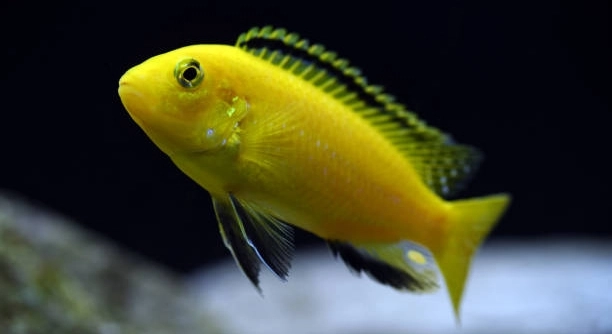
Many fish owners enjoy creating a mixed aquarium with different species. Convict cichlids are known for their bright colors and active behavior, while goldfish are peaceful and slow-moving. Balancing these two can be tricky for hobbyists.
Convict cichlids and goldfish generally cannot coexist safely due to differences in temperament, water temperature preferences, and activity levels. Convict cichlids are aggressive and territorial, while goldfish thrive in cooler, calmer environments, making shared habitats unsuitable for long-term health.
Understanding these differences can help you make better choices for your aquarium setup. Careful planning ensures all fish remain healthy and avoid unnecessary stress or harm.
Differences in Temperament
Convict cichlids are naturally aggressive and territorial. They defend their space fiercely, especially during breeding. Goldfish, on the other hand, are calm and slow-moving. This difference in temperament can create constant stress in a shared tank. Convicts may chase or nip at goldfish, causing injuries or long-term health problems. Even small tanks amplify this issue because there is little room for the goldfish to escape. Tank size, hiding spots, and decorations can reduce stress slightly, but they do not fully prevent conflict. Additionally, convict cichlids are curious and active swimmers. Goldfish prefer a steadier, more relaxed pace, making it difficult for both species to coexist without tension. Observing them together often reveals constant chasing or hiding behavior from the goldfish. Long-term exposure to this stress can weaken their immune systems, making them prone to disease. Understanding these differences is key before considering a mixed tank setup.
Aggression is a major reason these fish rarely coexist peacefully. Stress affects both species significantly.
Even with careful monitoring, mixing convict cichlids and goldfish often leads to injuries, stunted growth, and unhealthy tank dynamics. Their natural instincts push them to compete for space, food, and attention, which the goldfish are not equipped to handle. Adjustments in tank size and decoration can help slightly, but they rarely eliminate the underlying tension.
Water and Environmental Needs
Goldfish prefer cooler water, usually between 65-75°F, while convict cichlids thrive in warmer temperatures around 75-82°F.
Maintaining a single water temperature suitable for both species is nearly impossible without stressing one group. Goldfish may suffer from higher temperatures, while convicts slow down in cooler water, affecting feeding and behavior.
Temperature is only part of the issue. Convict cichlids produce more waste and require stronger filtration systems. Goldfish are messy eaters too, but they prefer oxygen-rich water with stable pH levels. Combining both creates a delicate balance that is hard to maintain. Beyond temperature, their dietary needs differ. Convicts are omnivorous with a preference for protein-rich foods, while goldfish thrive on plant-based diets. Feeding one group without harming the other can be challenging. Additionally, convicts dig and move substrate frequently, which can disturb goldfish and damage delicate plants. Tank decorations must account for hiding spots for both, but even then, stress levels often remain high. A stable, healthy environment for each species is easier to achieve in separate tanks, ensuring both thrive without conflict.
Feeding Conflicts
Convict cichlids eat more aggressively than goldfish, often outcompeting them for food. Goldfish may not get enough nutrition if feeding is not carefully managed.
Feeding both species in the same tank requires attention. Convict cichlids prefer protein-rich foods like pellets, frozen worms, or small insects, while goldfish thrive on flakes, vegetables, and plant-based pellets. If feeding is uneven, goldfish can become undernourished, affecting their growth and overall health. Overfeeding to satisfy both can also lead to water quality issues, as leftover food decomposes and increases ammonia levels. Maintaining a balanced feeding schedule is challenging because convicts are fast and aggressive eaters, while goldfish need calmer feeding periods. Using separate feeding zones or timed feedings may help, but it requires constant monitoring.
Unequal feeding can create stress, weaken immune systems, and even provoke aggression. Careful planning is essential to prevent conflicts.
Tank Size and Setup
A larger tank can reduce tension, but it cannot completely eliminate aggressive behavior. Convict cichlids need territories, hiding spots, and open swimming areas.
Tank size plays a critical role in attempting to house both species. Convict cichlids are territorial, requiring at least a 55-gallon tank for a pair, ideally more if other fish are present. Goldfish need ample open swimming space, filtration for higher waste production, and stable water conditions. Decorations, rocks, and plants can help divide the tank and provide hiding spaces, but convicts often dig or rearrange substrate, disturbing goldfish and plants. Even with careful layout, goldfish may still experience stress from convicts’ constant activity. Balancing tank requirements for both species is complex, and in most cases, the effort does not guarantee peaceful coexistence. Proper planning and observation are critical if mixing them, but separate tanks are usually more practical.
Breeding Behavior
Convict cichlids become highly territorial during breeding, protecting eggs and fry aggressively. Goldfish nearby may be chased or injured.
Breeding intensifies aggression, and goldfish are not equipped to handle it. Convicts dig, guard their territory, and may attack anything entering their space, making coexistence nearly impossible during this period.
Social Interaction Differences
Convict cichlids interact constantly with other tank mates, showing dominance and chasing smaller fish. Goldfish are more passive, preferring calm movement.
These behavioral differences create ongoing stress. Goldfish may hide constantly or avoid feeding areas, while convicts establish territories that dominate the tank’s layout. Even with large tanks, their natural instincts often override attempts at peaceful cohabitation.
Health Concerns
Mixing the species increases the risk of disease. Convict cichlids and goldfish have different immune responses.
Introducing one species into the other’s environment can expose them to pathogens they are less resistant to. Goldfish are prone to fungal infections, while convicts handle bacteria differently. This imbalance can lead to frequent illness and stress-related complications.
FAQ
Can convict cichlids and goldfish ever live together peacefully?
It is extremely rare for convict cichlids and goldfish to coexist without issues. Their differences in temperament, water temperature needs, and activity levels create constant stress. Even in large tanks, convicts remain territorial, and goldfish are prone to hiding, missing meals, or becoming stressed. Temporary peaceful periods may occur, but long-term harmony is unlikely.
What tank size is needed if I attempt it?
A very large tank of at least 75 gallons may reduce conflict, but it does not guarantee safety. Convicts need territories and hiding spots, while goldfish require wide open swimming space and steady water conditions. Even with careful decorations and multiple hiding areas, stress from aggressive behavior can continue.
How should feeding be handled?
Separate feeding zones are essential. Convict cichlids are aggressive eaters and will dominate any shared food source. Goldfish need calmer feeding times with plant-based foods, while convicts need protein-rich pellets or frozen options. Overfeeding to satisfy both species can pollute water and create health problems. Monitoring feeding closely is critical.
Do they have different water requirements?
Yes. Convict cichlids thrive in warmer water around 75-82°F, while goldfish prefer cooler water, 65-75°F. Water chemistry also differs; goldfish need high oxygen levels and stable pH, while convicts are less sensitive. Trying to balance these needs often results in stress or illness for one or both species.
Will breeding make coexistence worse?
Absolutely. Convict cichlids become extremely territorial and aggressive when breeding. They guard eggs and fry, dig in the substrate, and attack anything entering their space. Goldfish cannot handle this behavior and will either hide constantly or risk injury. Coexistence during breeding is nearly impossible.
What about tank decorations and hiding spots?
Decorations can help reduce stress but are not a complete solution. Rocks, plants, and caves can provide convicts with territories and goldfish with places to hide. However, convicts often dig and move substrate, disturbing the goldfish and plants. Even with careful arrangement, aggressive behavior may continue, making the tank stressful for goldfish.
Are there health risks to mixing them?
Yes. Convict cichlids and goldfish have different immune responses. Goldfish are prone to fungal infections, while convicts handle bacteria differently. Mixing them can expose each species to pathogens they are less resistant to, increasing the likelihood of illness. Stress from aggression also weakens the immune system, making health problems more likely.
Can water filtration and tank maintenance solve conflicts?
Filtration helps manage waste and water quality but cannot prevent aggression. Both species produce a lot of waste, and their dietary and activity differences complicate maintenance. Frequent water changes and careful monitoring are necessary, but aggressive behavior and stress cannot be fixed with filtration alone.
Are there alternative species to mix with goldfish?
Yes. Peaceful, slow-moving fish that tolerate cooler water, like certain types of danios or small tetras, are better companions for goldfish. Convict cichlids are better kept with other aggressive cichlids in warmer water. Matching temperament, size, and environmental needs is the key to a healthy mixed tank.
Is it worth trying to mix them?
In most cases, no. The risks of stress, injury, and health problems outweigh potential benefits. Separate tanks for each species ensure they thrive and remain healthy. If someone wants both in the same room, keeping them in separate tanks with proper setups is safer and less stressful for both fish.
How can I reduce stress if they are already together?
Adding hiding spots, increasing tank size, and careful feeding can help temporarily. However, stress often persists due to natural instincts. Monitoring health closely is critical. If aggressive behavior continues, separating the species is the most reliable solution to prevent injury and illness.
What signs indicate the tank is too stressful?
Goldfish hiding constantly, refusing food, or showing torn fins are red flags. Convict cichlids constantly chasing or biting others indicate high stress levels. Frequent illness, lethargy, and poor growth are also warning signs. Immediate action, like separating the species, is necessary to protect their health.
Can temporary coexistence work for short periods?
Yes, but it requires careful observation and preparation. Short-term interaction in a very large, well-decorated tank may be possible if both species have adequate hiding spaces and feeding zones. Long-term coexistence is unlikely without risk of stress or injury.
Are there any success stories?
Some hobbyists report limited success in very large, heavily planted tanks with strong filtration and constant monitoring. These cases are rare and require constant effort. Most aquarists find that separate tanks are the only reliable way to maintain healthy fish and prevent conflict.
Keeping convict cichlids and goldfish together in the same tank is more challenging than it might seem. On the surface, it can appear like an interesting mix because of their different colors and sizes. However, their natural instincts and environmental needs are very different. Convict cichlids are aggressive, territorial, and active swimmers. They defend their space and chase other fish, especially during breeding or feeding times. Goldfish, in contrast, are calm, slower, and prefer a steady environment. These differences make peaceful coexistence unlikely, even in large tanks. Stress caused by aggression and constant chasing can weaken a goldfish’s immune system and affect its growth and overall health.
Water conditions add another layer of difficulty. Convict cichlids prefer warmer water temperatures, usually between 75 and 82°F, while goldfish thrive in cooler water around 65 to 75°F. Their diet also differs, with convicts needing protein-rich foods and goldfish eating more plant-based options. Attempting to balance both temperature and nutrition in one tank is complicated and rarely succeeds. Even if the tank is large and well-decorated, the natural behavior of the convict cichlids often disrupts the goldfish’s calm routine. They may dig up the substrate, move decorations, or chase goldfish away from feeding areas. Over time, this can lead to stress-related illness, injuries, and poor growth.
For those who want both types of fish in their home, separate tanks are the most practical solution. Each species can have the conditions it needs to thrive without stress. Convict cichlids can have a warmer tank with plenty of hiding spots and territories, while goldfish can enjoy cooler water with open swimming space. Keeping them apart also makes feeding easier and reduces the risk of disease or water quality problems. While it might seem appealing to mix species, considering their behavior and needs is important for the health and well-being of the fish. Separate setups ensure both species live longer, healthier lives, and reduce unnecessary stress for both the fish and the aquarist.

Hello,
If you enjoy the content that we create, please consider saying a "Thank You!" by leaving a tip.
Every little bit helps us continue crafting quality advice that supports the health, happiness, and well-being of pets around the world, for pets of all shapes, sizes, and species.
We really appreciate the kindness and support that you show us!