
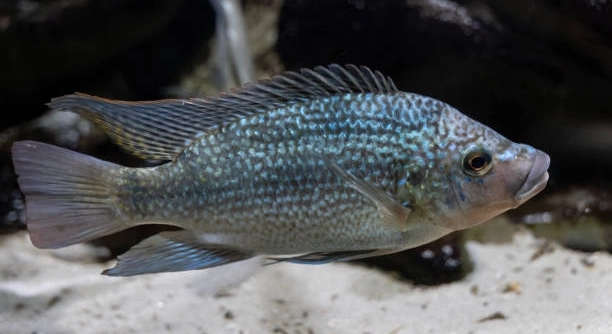
Convict cichlids are popular freshwater fish known for their striking patterns and energetic behavior. Many fish owners enjoy watching their interactions and vibrant colors as they swim across tanks. Their appearance often draws attention from hobbyists and beginners alike.
Convict cichlids can change color due to a combination of environmental factors, mood, and breeding conditions. Stress, water quality, and social interactions influence pigmentation, causing temporary or permanent changes in shade and pattern intensity across their bodies.
Learning how these factors affect color can help you maintain healthy and visually appealing fish. Understanding the reasons behind these changes can improve care and tank management practices.
Why Convict Cichlids Change Color
Convict cichlids often change color because of their environment and interactions. Light, temperature, and water quality all play a role in how their pigment appears. When water is clean and stable, their colors look brighter. Stress, overcrowding, or sudden changes in conditions can make their colors fade. During breeding, males often darken to show dominance, while females may display more muted tones. Diet also affects coloration. Foods rich in carotenoids and proteins help maintain vibrant shades. Even minor changes in tank setup can trigger a visible response in their skin. Observing these fish closely allows you to notice subtle shifts. Color changes are a natural part of their biology, reflecting health, mood, and social status. Adjusting their environment carefully can help maintain consistent and vivid coloration.
Stress, poor water quality, and diet deficiencies are the main reasons behind sudden color changes.
Maintaining stable conditions is key. Consistent temperature, clean water, and a balanced diet can reduce stress-induced fading. Regular monitoring of tank mates also prevents aggression, which often leads to darker or duller coloration. Providing hiding spots and avoiding sudden changes in lighting or decorations helps keep their colors stable. Over time, you learn how specific changes affect their appearance, making it easier to predict and respond to shifts. Breeding periods require extra attention, as colors naturally intensify or fade. By observing these fish daily, you can notice small shifts that indicate health issues. Their adaptability means they can recover color with proper care, so patience and routine are essential. The overall goal is to create a supportive environment where their natural patterns shine without interference from avoidable stressors.
Factors That Influence Color
Water temperature and light exposure directly affect pigment intensity in convict cichlids.
Temperature and lighting changes are among the strongest influences. Warmer water can make colors more vivid, while cooler temperatures often dull them. Direct light or prolonged exposure also enhances certain pigments, making patterns appear stronger.
Social interactions and breeding behavior significantly influence coloration. Dominant males display deeper shades during mating seasons, while submissive or stressed fish show paler tones. Aggression, overcrowding, or incompatible tank mates can trigger color changes as a stress response. Diet also plays an important role. A variety of high-quality foods with natural pigments supports vibrant coloration. Poor nutrition can lead to faded or uneven tones. Even subtle environmental factors, such as decorations, substrate, and tank background, can affect how colors are perceived. Regular observation and minor adjustments can maintain or restore desired coloration. Understanding these factors allows for better management of their physical and emotional well-being, ensuring they look healthy and active in any home aquarium.
Breeding and Color Changes
During breeding, male convict cichlids darken to assert dominance. Females may display softer tones, signaling readiness to care for eggs. Colors shift noticeably during this period, reflecting both reproductive status and stress levels in the tank.
Breeding triggers significant color changes. Males develop darker stripes, sometimes almost black, to establish territory and attract females. Females may lighten or show more subtle patterns while guarding eggs or fry. These shifts are temporary but important indicators of health and behavior. Stress during mating, such as aggression from other fish or poor water conditions, can intensify or dull these changes. Observing these shifts helps in managing breeding pairs effectively, ensuring both parents remain healthy. Proper nutrition, calm surroundings, and suitable hiding spaces support these natural color variations while maintaining overall tank stability.
Providing the right conditions is essential. Stable water quality, adequate space, and a balanced diet reduce stress and support natural breeding behaviors. Overcrowding or incompatible tank mates can disrupt color patterns, affecting both males and females. Consistent lighting and hiding spots help maintain visibility of natural tones while minimizing stress. Regular observation allows you to track changes and adjust conditions if needed. Understanding these dynamics ensures healthier offspring and a visually appealing tank throughout the breeding cycle.
Stress and Environment
Stress significantly affects convict cichlid coloration, often causing fading or darkening. Environmental instability is the main trigger for these shifts.
Water quality, temperature, and overcrowding are major environmental factors influencing color. Poor filtration or sudden changes in water parameters can lead to dull colors. Incompatible tank mates or aggressive neighbors increase stress, which often causes males and females to darken or show uneven pigmentation. Even minor disturbances, like moving decorations or sudden noise, may trigger visible changes in coloration. Providing consistent conditions, adequate space, and stable water chemistry helps reduce these stress-induced color variations.
Lighting and tank setup also impact appearance. Bright, natural-like light enhances natural pigments, while dim or inconsistent lighting can dull them. Substrate color and decorations influence how colors are perceived, making some shades appear stronger or weaker. Regularly monitoring water parameters and maintaining a calm environment minimizes stress, keeping colors stable. Understanding these interactions allows for a healthier, visually vibrant tank where convict cichlids display their natural patterns without constant fading or darkening.
Diet and Pigmentation
A convict cichlid’s diet directly affects its color. Foods rich in carotenoids and proteins help maintain bright, healthy pigmentation.
Poor nutrition can lead to dull or uneven colors. Including high-quality flakes, pellets, and occasional live or frozen foods supports natural vibrancy and overall health.
Age and Color Variation
As convict cichlids grow, their colors naturally change. Juveniles often display lighter, less defined stripes, while adults develop stronger, more distinct patterns. Age-related changes are normal and reflect growth, maturity, and hormonal shifts, rather than environmental stress or health issues.
Health-Related Color Changes
Illness or parasites can cause noticeable fading or unusual discoloration. Keeping an eye on these shifts helps detect problems early.
FAQ
Can stress permanently change a convict cichlid’s color?
Stress usually causes temporary changes in color, such as darkening or fading. Prolonged stress from poor water quality, overcrowding, or aggressive tank mates may have longer-lasting effects, but colors often recover once conditions improve. Stable water parameters and a calm environment are key to restoring natural tones.
Do males and females change color differently?
Yes, males tend to darken more during breeding or when establishing dominance. Females often show subtler changes, especially when guarding eggs or fry. These differences help indicate reproductive readiness and social hierarchy within the tank.
Can diet improve color vibrancy?
A diet rich in carotenoids and proteins enhances coloration. High-quality flakes, pellets, and occasional live or frozen foods support brighter stripes and consistent patterns. Lack of proper nutrition can cause dull or uneven coloration over time.
Does tank size affect color?
Overcrowding increases stress, which can dull colors or cause uneven patterns. Providing enough space for swimming and hiding helps maintain vivid, healthy coloration. A properly sized tank reduces aggression and allows natural social behaviors to show through their colors.
How does breeding affect color?
During breeding, males darken to assert dominance, while females may lighten or show softer tones while guarding eggs. Color shifts are natural and indicate reproductive activity, and they usually return to normal once breeding ends. Proper nutrition and calm surroundings help maintain overall health.
Can lighting influence color intensity?
Yes, consistent and natural-like lighting enhances pigments. Bright light makes stripes and patterns appear stronger, while dim or inconsistent lighting can dull them. Adjusting light gradually and avoiding sudden changes helps maintain vibrant appearance.
Are color changes a sign of illness?
Sudden or unusual fading, blotches, or spots may indicate health issues like parasites, bacterial infections, or poor water conditions. Observing these changes early allows for prompt treatment and can prevent long-term damage to coloration and health.
Do convict cichlids lose color as they age?
Some gradual changes occur with age. Juveniles may have lighter stripes, while adults display bolder, more defined patterns. These shifts are natural and generally not a cause for concern unless accompanied by other signs of stress or illness.
Can tank decorations or substrate affect appearance?
Yes, darker substrates or natural-looking decorations can make colors appear more vibrant, while bright or reflective backgrounds may dull perceived shades. Thoughtful tank design can enhance the fish’s natural patterns and reduce stress.
How quickly can color recover after stress?
Recovery depends on the cause and duration of stress. Short-term stress usually results in rapid color restoration within days, while prolonged stress may take weeks. Maintaining stable water quality, a proper diet, and a calm environment supports faster recovery.
Does water temperature impact color?
Temperature fluctuations can cause temporary darkening or fading. Warmer, stable water tends to enhance pigment, while sudden drops or prolonged cold can dull colors. Keeping water consistent within the species’ preferred range helps maintain natural coloration.
Can multiple factors combine to affect color?
Yes, environment, diet, social interactions, and health often interact. Overcrowding, poor nutrition, fluctuating water conditions, and stress together can lead to noticeable fading or uneven patterns. Addressing all factors ensures the most vibrant, healthy appearance.
Is it normal for colors to change seasonally?
Seasonal changes in natural light or temperature can cause subtle shifts in pigmentation. In indoor tanks, consistent lighting and stable conditions reduce noticeable seasonal changes, helping maintain steady, bright colors year-round.
How can I monitor color changes effectively?
Regular observation is key. Watching for fading, darkening, or unusual patterns helps detect stress, illness, or environmental issues early. Keeping notes or photos over time makes it easier to track gradual changes and respond promptly.
Do all convict cichlids respond the same way to stress or diet?
Individual fish may vary in their response. Some show pronounced changes quickly, while others remain stable. Understanding each fish’s normal coloration and behavior helps identify when adjustments to care or environment are needed.
Can color changes indicate mood?
Yes, darker or more intense colors often reflect aggression or dominance, while paler tones may indicate submission, stress, or discomfort. Observing color alongside behavior provides insight into how fish are feeling within the tank.
Does water hardness affect coloration?
Water hardness influences overall health and indirectly affects color. Extremely soft or hard water can stress fish, leading to duller colors. Maintaining balanced, stable water chemistry supports vibrant and healthy pigmentation.
Are color changes reversible?
Most color changes caused by environment, stress, or diet are reversible. Addressing underlying factors usually restores natural tones. Persistent changes may indicate ongoing stress or health issues requiring further attention.
How long does it take for diet changes to affect color?
Color improvements from diet usually appear within a few weeks. Consistent feeding with high-quality, pigment-enhancing foods gradually strengthens natural patterns and vibrancy. Abrupt changes in diet may take longer to show visible results.
Can multiple breeding cycles affect color permanently?
Repeated breeding may slightly alter coloration over time, especially in males. Some darkening or fading can occur, but overall patterns generally remain recognizable. Proper care, nutrition, and rest periods between cycles help maintain natural vibrancy.
Convict cichlids are fascinating fish that show a lot of personality through their colors. Their ability to change color reflects their mood, health, and environment. While stress, diet, water quality, and breeding are the main reasons behind color changes, these shifts are usually normal and reversible. Observing your fish regularly helps you understand what triggers these changes and how to respond. Over time, you can notice patterns in behavior and coloration, making it easier to maintain a stable and visually appealing tank. Paying attention to their colors not only adds to the enjoyment of keeping them but also serves as an early warning system for potential problems.
Maintaining stable conditions is key to healthy and vibrant convict cichlids. Clean water, proper temperature, and a well-balanced diet provide the foundation for natural coloration. Adequate space and compatible tank mates reduce stress and aggressive behavior that can cause dulling or darkening. Adding hiding spots and structured areas in the tank helps fish feel secure, allowing their natural colors to shine. Lighting and tank setup also play a role in how colors appear, with consistent and natural-like lighting enhancing their patterns. With these measures, you can create an environment that supports both the physical and emotional well-being of your fish.
Understanding the factors behind color changes makes caring for convict cichlids more straightforward. Breeding cycles, age, and social interactions all influence their appearance, but most changes are temporary and manageable. By monitoring behavior and adjusting the environment when needed, you can ensure that your fish remain healthy and vibrant. Observing them closely builds a stronger connection to their needs and helps prevent long-term problems. Their colors are not just decorative; they communicate important information about health, mood, and social status. By keeping their environment stable and providing proper care, you can enjoy convict cichlids that are both lively and visually striking for many years.

Hello,
If you enjoy the content that we create, please consider saying a "Thank You!" by leaving a tip.
Every little bit helps us continue crafting quality advice that supports the health, happiness, and well-being of pets around the world, for pets of all shapes, sizes, and species.
We really appreciate the kindness and support that you show us!