
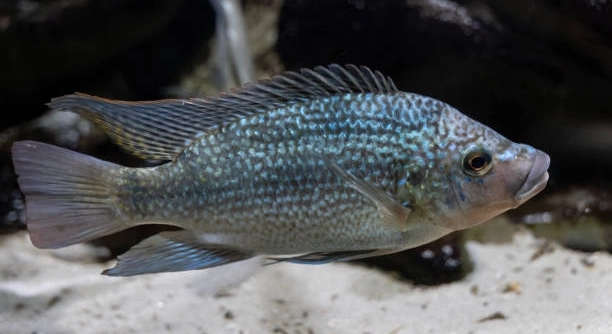
Convict cichlids are lively freshwater fish that many aquarists enjoy keeping at home. Their distinct patterns and active behavior make them a popular choice for community tanks and personal aquariums alike.
Convict cichlids have the potential to breed year-round under stable water conditions, consistent temperature, and proper nutrition. Successful continuous breeding depends on providing adequate hiding spaces, monitoring aggression, and maintaining optimal water quality within their preferred range.
Breeding these fish can be fascinating, and understanding their needs will help ensure a healthier, more productive tank environment. Observing their behavior closely adds insight into their natural reproductive patterns.
Understanding Convict Cichlid Breeding Behavior
Convict cichlids are known for their strong pair bonds and territorial instincts. When ready to breed, males and females will select a flat surface or cave for laying eggs. The female typically lays the eggs, while the male guards the surrounding area. Spawning can occur every few weeks if conditions are stable. Water temperature around 78–82°F encourages consistent breeding, while fluctuating conditions may delay or stop the process. Providing hiding spots and separating aggressive tankmates helps reduce stress for the breeding pair. Feeding a high-protein diet ensures the adults have enough energy for spawning and caring for fry. Observing their interactions gives insight into dominance and mating rituals, which are essential for maintaining a healthy, productive tank environment.
Breeding success increases when pairs have both space and security, which reduces stress-related aggression and increases fry survival rates.
Convict cichlids show remarkable parental care. Both parents guard the eggs and fry, fanning the eggs to supply oxygen and removing debris. Once hatched, fry are guided to safe areas in the tank. Constant supervision by the parents reduces predation and encourages healthy development. Over time, the fry grow quickly if fed properly, and the parents continue to protect them until they are independent. Understanding these patterns allows aquarists to plan for tank maintenance and manage population growth. Maintaining clean water and a balanced diet throughout breeding cycles ensures both adult and juvenile fish thrive, supporting long-term reproduction.
Environmental Factors That Affect Breeding
Temperature stability is critical for consistent spawning.
Water quality, tank size, and decorations play significant roles in breeding success. Stable water conditions prevent stress, which can inhibit spawning. Smaller tanks may increase aggression, while overly sparse tanks leave fry exposed. Adding rocks, caves, or other shelters gives the pair secure nesting sites. Regular water changes help maintain chemical balance, reducing the risk of fungal infections on eggs. Monitoring pH and hardness ensures optimal conditions, as convict cichlids prefer slightly alkaline water. Proper filtration and gentle water flow also contribute to a calm environment, allowing pairs to focus on mating and parental care.
Nutrition directly impacts reproductive health. A high-protein diet supports egg development and overall vitality. Feeding live or frozen foods like brine shrimp, daphnia, or bloodworms enhances breeding readiness. Avoid overfeeding to prevent water quality issues, and provide a mix of vegetables and flakes for balanced nutrition. Observing behavioral cues such as nest digging, fin displays, and chasing indicates readiness. Separating fry from aggressive adults may be necessary if the tank is small. Tracking breeding patterns over time helps predict cycles and plan tank management. Combining proper tank setup, careful monitoring, and balanced nutrition maximizes the likelihood of successful year-round breeding for convict cichlids.
Pair Compatibility and Tank Dynamics
Selecting compatible pairs reduces stress and aggression in the tank. Avoid mixing multiple dominant males, as this often leads to fights and interrupted breeding. Observing interactions before introducing a new fish helps ensure a harmonious environment, which is critical for year-round spawning.
Convict cichlids form strong bonds once paired, often showing synchronized behaviors like cleaning the chosen nesting site and defending territory together. Conflicts can arise when tank space is limited or when multiple pairs occupy the same area. Proper tank size, adequate hiding spots, and careful monitoring prevent unnecessary aggression. Recognizing subtle cues, such as chasing or fin displays, allows timely intervention to maintain peace. Consistent observation ensures the pair remains focused on breeding rather than defending against intruders.
The presence of other tankmates can influence breeding cycles. Peaceful species that occupy different levels of the tank usually do not interfere with convict cichlids. However, boisterous or territorial fish may disrupt courtship or frighten fry. Keeping a controlled environment with compatible species supports continuous reproduction. Occasionally, temporary separation of the breeding pair from active tankmates may be necessary to protect eggs and fry. Ensuring the pair feels secure encourages proper parental care and increases overall reproductive success.
Feeding Practices for Continuous Breeding
Providing a high-protein diet is essential for reproductive health. Balanced nutrition directly impacts egg production and fry development, supporting consistent breeding.
Feeding live or frozen foods like bloodworms, brine shrimp, and daphnia ensures adequate protein intake. Supplementing with high-quality flakes and vegetables maintains overall health and prevents nutritional deficiencies. Avoid overfeeding, which can degrade water quality and stress the fish, reducing breeding success. Feeding multiple small portions throughout the day mimics natural foraging behavior, keeping adults active and healthy. Monitoring appetite and adjusting diet based on activity levels helps sustain energy for spawning and parental duties.
Consistent feeding also strengthens pair bonds, as shared foraging can reduce aggression between mates. Healthy adults are more likely to perform proper nest preparation, egg care, and fry guidance. Nutrient-rich diets improve fry survival, promoting year-round reproduction. Maintaining clean feeding areas and removing uneaten food prevents harmful bacteria growth, supporting water quality. Tracking feeding habits over time helps identify potential health issues early, ensuring both adults and juveniles thrive. Balanced nutrition combined with a stable environment maximizes the potential for continuous breeding in convict cichlids.
Tank Setup and Space Requirements
Adequate space reduces stress and encourages natural breeding behaviors. A minimum of a 20-gallon tank per pair is recommended, with plenty of hiding spots, rocks, and flat surfaces for egg laying. Proper layout ensures pairs can defend territory without constant conflict.
Overcrowding often leads to aggression, interrupted breeding, and lower fry survival. Separating pairs into distinct zones within larger tanks helps maintain peace. Observing how fish interact with the environment allows adjustments to decorations and shelters. Well-planned tank design supports continuous spawning and parental care while keeping adults healthy and stress-free.
Water Quality and Maintenance
Stable water parameters are crucial for consistent breeding. Regular testing for pH, ammonia, nitrites, and nitrates ensures a safe environment for eggs, fry, and adults. Temperature stability between 78–82°F encourages reproductive activity.
Managing Aggression in Breeding Pairs
Aggression is natural but can be minimized with proper tank layout and compatible tankmates. Monitoring behavior allows timely interventions to prevent injury and stress.
FAQ
How often can convict cichlids breed in a year?
Convict cichlids can breed multiple times a year if conditions are ideal. With stable water parameters, consistent temperature, and proper nutrition, pairs may spawn every few weeks. Maintaining a calm environment and adequate space supports continuous reproduction without overwhelming the adults or the tank.
What water temperature is best for breeding?
The optimal temperature range for spawning is 78–82°F. Temperatures below 75°F may slow or stop breeding, while higher temperatures can increase aggression and stress. Keeping the tank within this range encourages regular spawning and ensures eggs and fry develop properly.
Do convict cichlids need special foods to breed?
A high-protein diet is essential for reproductive health. Live or frozen foods like brine shrimp, bloodworms, and daphnia promote egg production and fry survival. Supplementing with quality flakes and vegetables maintains overall health. Avoid overfeeding to prevent water quality issues.
How can aggression between pairs be managed?
Aggression is natural, but overcrowding or lack of hiding spaces often makes it worse. Providing rocks, caves, and flat surfaces allows pairs to establish territories. Observing behavior and temporarily separating overly aggressive fish helps prevent injury and protects eggs or fry.
Is tank size important for breeding success?
Yes, adequate space reduces stress and supports natural behaviors. A minimum of 20 gallons per pair is recommended, with larger tanks preferred for multiple pairs. Ample space helps prevent conflicts and encourages proper nest building and parental care.
Do other tankmates affect breeding?
Peaceful species that occupy different levels of the tank usually do not interfere. Boisterous or territorial fish can disrupt courtship or frighten fry. Controlling tank composition and occasionally separating pairs ensures successful breeding without unnecessary stress.
How do parents care for their eggs and fry?
Both parents actively guard the eggs, fanning them to provide oxygen and removing debris. Once hatched, fry are guided to safe areas. This constant supervision improves survival rates and supports healthy development. Stress or poor tank conditions can disrupt these behaviors.
Can convict cichlids breed year-round?
Yes, under ideal conditions with stable water, proper nutrition, and sufficient space, convict cichlids can breed year-round. Careful observation and management of aggression and tank environment are essential to maintaining continuous spawning cycles.
What are signs that a pair is ready to breed?
Pairs often clean surfaces together, display fin flaring, and chase intruders. Nest digging and synchronized behavior indicate readiness. Providing a flat surface or cave encourages spawning and supports proper parental care once eggs are laid.
How can fry survival be improved?
Ensuring clean water, proper nutrition, and hiding spaces increases fry survival. Removing overly aggressive tankmates or separating fry temporarily reduces risk. Feeding small, frequent portions of suitable foods supports growth while maintaining water quality. Consistent monitoring helps identify and address problems early.
What common mistakes should be avoided?
Overcrowding, poor water quality, inconsistent feeding, and lack of hiding spots often lead to stress and reduced breeding success. Ignoring aggression between pairs can result in injuries or lost eggs. Careful tank setup and regular observation prevent these issues and support long-term reproduction.
How long until fry become independent?
Fry typically begin swimming freely within a week and can feed on tiny live foods or crushed flakes. Parents continue guarding them for several weeks until they are strong enough to explore the tank independently. Providing proper nutrition and safe zones ensures steady growth.
Are there signs of unhealthy breeding pairs?
Signs include lethargy, disinterest in the nest, fin damage from aggression, or failure to guard eggs. Stress from poor water quality or overcrowding often contributes. Addressing environmental issues and providing proper nutrition restores health and encourages breeding behavior.
Is it necessary to separate fry from adults?
Not always, as parents usually protect their young. However, in small tanks or with aggressive adults, temporary separation ensures fry survival. Providing safe zones or breeder boxes allows juveniles to grow without risk of being eaten.
How does nutrition affect reproductive cycles?
Consistent high-quality feeding promotes egg production and fry survival. Protein-rich foods support energy-intensive spawning and parental care, while balanced diets prevent deficiencies that could disrupt breeding or reduce fry health.
What role does observation play in breeding success?
Regularly monitoring pairs helps identify aggression, stress, or environmental issues. Adjusting tank layout, separating fish when needed, and maintaining feeding schedules ensures consistent reproduction and healthy fry development.
Can breeding frequency be increased?
Yes, by optimizing water conditions, nutrition, and tank setup. Ensuring calm, secure environments with sufficient space encourages frequent spawning. Pair compatibility and minimizing stress directly influence how often successful breeding occurs throughout the year.
How important is parental care for fry survival?
Extremely important. Proper fanning, guarding, and guidance significantly improve fry survival. Interruption of parental duties, due to stress, poor conditions, or aggressive tankmates, can result in high mortality. Maintaining a stable environment supports natural care behaviors and healthy offspring growth.
What signs indicate breeding stress?
Excessive hiding, fin nipping, loss of appetite, or abandoning eggs are signs of stress. Common causes include poor water quality, overcrowding, or incompatible tankmates. Early intervention, including improving conditions or separating aggressive individuals, prevents long-term reproductive problems.
Are convict cichlids suitable for continuous breeding in home aquariums?
Yes, with attentive care. Providing proper tank size, water stability, nutrition, and hiding spaces supports year-round spawning. Careful management of aggression, monitoring, and parental behavior ensures a productive, healthy breeding environment.
What is the best setup for long-term breeding success?
A 20+ gallon tank per pair, stable temperature, hiding spots, high-protein diet, and regular maintenance create ideal conditions. Peaceful tankmates, careful monitoring of aggression, and attention to parental behavior ensure consistent reproduction and fry survival over extended periods.
Convict cichlids are hardy and adaptable fish, which makes them suitable for long-term breeding in home aquariums. Their natural instincts for pairing and territory defense drive most of their reproductive behaviors. Maintaining a calm and stable environment is key to encouraging year-round breeding. Consistent water conditions, proper temperature, and clean tanks allow the fish to focus on spawning rather than dealing with stress. Observing their interactions provides useful insight into how pairs choose nesting sites and guard eggs. By paying attention to these behaviors, you can ensure both adult fish and fry remain healthy and productive over time. Small adjustments in tank setup or feeding routines can make a significant difference in supporting successful reproduction cycles.
Feeding practices play an important role in reproductive health. High-protein diets that include live or frozen foods such as brine shrimp, daphnia, or bloodworms provide the energy necessary for spawning. Supplementing with flakes and vegetables ensures the adults remain balanced in nutrition while preventing deficiencies that could affect egg quality or fry survival. Overfeeding should be avoided because it can degrade water quality, which in turn stresses the fish and disrupts breeding. Multiple small feedings throughout the day often work better than a single large meal, as this keeps the fish active and mimics natural foraging behaviors. Monitoring appetite and adjusting the diet to meet the needs of the adults and developing fry helps maintain long-term breeding success. Nutrition, combined with water quality, tank layout, and parental care, forms the foundation for consistent reproduction.
Managing aggression and providing adequate space is equally important. Convict cichlids are naturally territorial, especially when preparing to breed or defending eggs and fry. Overcrowding or mixing incompatible pairs can increase stress and reduce survival rates. A minimum of 20 gallons per pair, with plenty of hiding spots, caves, and flat surfaces, allows the fish to establish territories without constant conflict. Peaceful tankmates that occupy different levels of the tank usually do not interfere, but more aggressive species may need to be separated. Observing behavior closely ensures timely intervention when aggression becomes a problem. Supporting parental care by providing a safe, stable environment allows both adults to focus on the eggs and fry, which increases survival and promotes natural behaviors. Long-term breeding success depends on a combination of proper tank conditions, careful observation, and consistent feeding practices to create a healthy environment for convict cichlids.

Hello,
If you enjoy the content that we create, please consider saying a "Thank You!" by leaving a tip.
Every little bit helps us continue crafting quality advice that supports the health, happiness, and well-being of pets around the world, for pets of all shapes, sizes, and species.
We really appreciate the kindness and support that you show us!