
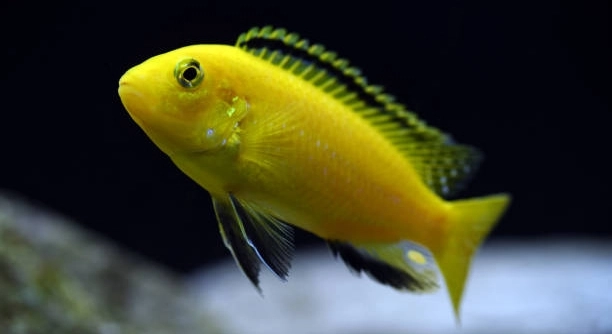
Convict cichlids are colorful freshwater fish that are popular in home aquariums. Many hobbyists focus on their breeding habits and wonder if these fish can reproduce without the typical cave structures they prefer.
Convict cichlids can breed without a cave, though it is less common. They may lay eggs on flat surfaces or aquarium walls, but the absence of a cave can increase stress, reduce spawning success, and make parental care more challenging.
Observing their behavior and adjusting tank conditions can improve breeding outcomes even when traditional hiding spots are not available. Proper care ensures a healthier and more productive environment for these fish.
Understanding Convict Cichlid Breeding Habits
Convict cichlids are known for their strong pairing behavior and territorial instincts. Typically, they select a cave or enclosed space to lay eggs, which provides protection for both the eggs and fry. In home aquariums, hobbyists often supply clay pots, PVC pipes, or artificial caves. These structures mimic natural hiding spots and help reduce stress, encouraging the pair to spawn. Without a cave, the fish may adapt by choosing flat surfaces like rocks, aquarium walls, or plant leaves. However, breeding on exposed surfaces can increase vulnerability to predators, including other fish in the tank. The lack of a safe enclosure may cause the parents to become overly aggressive or abandon the eggs. Providing an environment that balances space, safety, and proper water conditions is crucial. Temperature, pH, and filtration also play a role in successful spawning. Observing the pair closely helps determine if adjustments are needed to support healthy reproduction.
Even without a cave, some pairs will still breed if the environment feels secure and comfortable for them.
Convict cichlids are resilient fish, and their flexibility allows them to adapt to different tank setups. By offering stable water conditions and minimizing disturbances, pairs can lay eggs on flat surfaces. Parents may fan and guard the eggs, though extra care may be required from the aquarist. Using smooth, clean rocks or slate provides an acceptable alternative to traditional caves. Monitoring interactions between tank mates reduces stress and prevents egg predation. Even small decorations that create partial cover can improve the chances of successful spawning. Observing parental behavior helps guide further adjustments to the tank environment.
Signs of Successful Breeding Without a Cave
Pairs may choose open surfaces or corners for egg-laying if no caves are available.
Convict cichlids demonstrate clear behaviors when preparing to breed, even without a cave. Males establish and defend a territory, often chasing intruders away from the selected spawning area. Females become more brightly colored and focus on cleaning a surface to attach eggs. Both parents participate in fanning the eggs, maintaining water flow and oxygenation. Once hatched, the fry gather near the parents for protection, and the adults may move them around to safer locations. Without a cave, the fish rely heavily on instinctive protective behaviors, and their success depends on minimizing stressors in the tank. Careful observation allows adjustments to tank layout or adding temporary hiding spaces. Proper feeding and water management also support strong parental care. Even in unconventional setups, these behaviors increase the likelihood of raising healthy fry and maintaining a thriving aquarium environment.
Alternative Spawning Surfaces
Flat rocks, aquarium walls, and broad plant leaves can serve as alternative sites for egg-laying. Convict cichlids will clean these surfaces thoroughly before depositing eggs, ensuring better adhesion and reducing the risk of fungus or detachment.
Even without a cave, parents adjust their behavior to protect eggs on open surfaces. They may fan constantly to maintain oxygen flow and chase away other fish or potential threats. Smooth surfaces are preferable, as rough or porous materials can trap debris and harm the eggs. Regular observation helps ensure that eggs remain secure. Temporary covers or small decorations can provide partial shelter, boosting the pair’s confidence and reducing stress.
Providing varied surfaces in the tank increases the chances of successful spawning. Rock ledges, slate pieces, and flat decorations offer multiple options, giving the cichlids flexibility in selecting a suitable location. These surfaces must remain clean and stable, and the aquarium should be free from aggressive tank mates that may disturb the eggs. Monitoring the pair’s behavior ensures that eggs are being properly fanned and guarded, supporting the healthy development of fry.
Encouraging Successful Breeding Without a Cave
Maintaining stable water conditions and minimizing stress improves spawning success on exposed surfaces. Temperature, pH, and filtration are key factors.
Even in tanks without caves, convict cichlids can reproduce successfully when the environment is predictable and calm. Adults may select corners, rocks, or smooth surfaces to lay eggs. Providing partial covers or floating plants can reduce exposure and help the parents feel secure. Proper feeding ensures the pair has the energy for egg-laying and guarding. Observing interactions allows for adjustments, like moving potential threats or adding temporary shelters. Stress reduction is crucial, as disturbed or anxious fish may abandon eggs or become overly aggressive. By maintaining consistent water parameters and monitoring behavior, pairs can adapt and raise healthy fry even without traditional hiding spots.
Open surfaces require careful attention to parental care, as the eggs are more vulnerable. Frequent monitoring ensures that both parents continue fanning, guarding, and relocating fry if needed. Clean surfaces prevent fungal growth, and removing debris reduces egg mortality. Partial covers or strategically placed decorations can make exposed areas safer, supporting successful breeding. Even without caves, convict cichlids demonstrate resilience, adapting their natural instincts to new environments. Ensuring a stress-free, stable tank allows the pair to thrive and increases the likelihood of raising healthy fry to maturity.
Preparing the Tank
Clear open spaces and flat surfaces make it easier for convict cichlids to lay eggs without a cave. Ensuring water is clean and stable reduces stress and encourages natural breeding behaviors.
Adding small decorations or partial covers can create safer spots for eggs. These additions give the fish some sense of shelter while maintaining an open environment.
Monitoring Parental Behavior
Parents constantly fan and guard their eggs, even on exposed surfaces. Observing these behaviors helps detect stress or potential threats from other tank mates. Adjusting the environment based on their reactions improves survival rates. Consistent feeding and minimal disturbances support effective parental care and healthy fry development.
Feeding Considerations
Nutritious meals strengthen the pair during spawning. High-protein foods support egg production and overall parental health, ensuring the best chance for successful breeding.
FAQ
Can convict cichlids lay eggs without a cave?
Yes, convict cichlids can lay eggs on flat surfaces such as rocks, aquarium walls, or plant leaves. While caves offer security and reduce stress, the fish are adaptable and may choose alternative surfaces if the environment feels safe and stable.
Will the eggs survive on open surfaces?
Egg survival is lower on open surfaces compared to caves, but careful observation and a stress-free environment improve outcomes. Parents fan the eggs constantly to provide oxygen and remove debris, which is crucial for healthy development. Partial covers or small decorations can help protect them.
Do both parents care for the eggs?
Yes, convict cichlid parents share responsibilities. The female primarily stays near the eggs, while the male defends the territory from intruders. Both parents fan and clean the eggs to prevent fungus and maintain proper oxygen flow, even when the eggs are laid on exposed surfaces.
What can I do to reduce stress during spawning?
Minimizing disturbances, maintaining stable water conditions, and removing aggressive tank mates are essential. Avoid sudden changes in temperature, lighting, or decorations. Providing partial covers and open flat surfaces gives the parents options, making them feel more secure and increasing the chances of successful breeding.
How long do the eggs take to hatch?
Convict cichlid eggs typically hatch in about 3 to 5 days, depending on water temperature. Warmer, stable water speeds up hatching, while cooler conditions may slow it down. Parents continue guarding and moving the fry to safe areas after hatching to improve survival rates.
Should I remove other fish during spawning?
It is recommended to separate aggressive or curious tank mates during spawning. Other fish can stress the parents or eat the eggs, reducing survival chances. If separation is not possible, creating open spaces and partial covers can give the cichlids better control over the territory.
Do convict cichlids need special food while breeding?
High-protein foods support egg production and strengthen parental care. Feeding small, frequent meals of quality flakes, pellets, or live food ensures the pair has enough energy for fanning, guarding, and moving the eggs and fry. Balanced nutrition improves overall health and reproductive success.
How do I know if the eggs are being cared for properly?
Healthy parental behavior includes constant fanning, cleaning, and protection of the eggs. The pair may move eggs or fry to safer areas and aggressively chase intruders away. Eggs that appear fuzzy or are left unattended indicate stress or environmental issues that need adjustment.
Can fry survive without a cave?
Yes, fry can survive on open surfaces if parents are attentive and the tank is stable. Partial covers or decorations help provide additional protection. Monitoring water quality, feeding appropriately, and reducing stress ensures higher survival rates for young convict cichlids.
How often can convict cichlids breed without a cave?
Frequency depends on water conditions, nutrition, and stress levels. Healthy, well-fed pairs may spawn multiple times in a few months, even without caves. Stable tanks with consistent temperature and minimal disturbances promote regular breeding cycles and better fry survival.
Are there risks to the parents without a cave?
Without a cave, parents may become more aggressive or stressed. Overly aggressive behavior can lead to injuries between the pair or other tank mates. Providing alternative surfaces, partial covers, and a calm environment helps reduce stress and supports effective parental care.
What is the best way to set up a tank for breeding without a cave?
Use flat rocks, smooth slate, or wide leaves for egg-laying surfaces. Include small decorations for partial cover. Maintain stable water conditions, consistent feeding, and minimal disturbances. Monitor parental behavior to ensure eggs are properly fanned and guarded. Open spaces with secure options improve spawning success and fry survival.
How do I know when the fry are ready to be fed?
Fry become free-swimming about 5 to 7 days after hatching. At this stage, they can be fed finely crushed flakes, powdered food, or newly hatched brine shrimp. Parents often guide fry to safe feeding areas, but additional feeding helps ensure proper growth and development.
Can the parents be separated after spawning?
Separation is not usually necessary if parents are calm and the tank is stable. However, if aggression occurs or other tank mates disturb them, temporary separation may protect the eggs and fry. After fry become free-swimming, parents can usually continue guarding without intervention.
Do water changes affect spawning on open surfaces?
Frequent or large water changes can stress the pair and disrupt egg attachment. Small, gradual changes are better. Maintaining clean, stable water conditions supports healthy eggs and fry development while reducing stress on parents during this critical period.
Is it normal for eggs to be abandoned?
Yes, eggs may be abandoned if the environment is stressful, other fish intrude, or water conditions are poor. Providing flat surfaces, partial covers, stable water, and minimal disturbances reduces abandonment and increases the likelihood of successful hatching and fry survival.
Can multiple pairs breed in the same tank without caves?
Multiple pairs can breed together if the tank is spacious and each pair has enough territory. Overcrowding or competition for flat surfaces may lead to aggression and egg loss. Separate spaces or partitions can reduce conflicts and improve overall breeding success for each pair.
What signs indicate stress in convict cichlids during breeding?
Signs include rapid swimming, hiding, aggression toward each other or other fish, and abandonment of eggs. Addressing water quality, reducing disturbances, and providing partial covers can help reduce stress and ensure both parents continue effective care of eggs and fry.
Can breeding without a cave affect future spawning behavior?
Pairs that successfully breed without a cave may become more flexible in site selection for future spawns. However, consistent stress or poor outcomes may lead to hesitation or aggression in later spawning cycles. Maintaining a stable, calm tank environment promotes ongoing reproductive success.
How long do parents care for the fry?
Parents continue guarding and guiding fry for 2 to 3 weeks after hatching. During this time, they move fry to safer locations and teach them to forage. Adequate space, partial cover, and stable conditions support effective care and increase fry survival.
Do I need to remove uneaten food near eggs or fry?
Yes, leftover food can pollute water and increase the risk of fungal growth on eggs. Removing uneaten food and maintaining clean surfaces supports healthy development of both eggs and fry, especially when eggs are laid on exposed surfaces.
Are there any supplements that help breeding success?
High-quality protein-rich foods and occasional live food can improve egg production and parental health. Maintaining essential vitamins in the diet supports strong fry development and helps parents maintain energy for guarding and fanning eggs.
How do I prevent fungal infections on eggs without a cave?
Clean flat surfaces regularly and maintain stable water conditions. Parents help by fanning eggs to keep them oxygenated. Partial covers or decorations can reduce exposure to tank debris, lowering the risk of fungus on eggs laid in open areas.
Can stress from tank mates prevent breeding?
Yes, aggressive or overly curious fish can prevent spawning. Removing or isolating potential threats, providing enough space, and creating open surfaces or partial covers helps reduce stress and allows the pair to focus on breeding.
What is the optimal temperature for spawning without a cave?
Temperatures around 75–80°F (24–27°C) support egg-laying and hatching. Stable temperature is more important than extremes, as fluctuations can stress the pair and reduce egg survival. Consistent warmth encourages normal parental behaviors and fry development.
Do the parents need any special lighting during breeding?
Normal aquarium lighting is sufficient. Too bright or sudden changes can stress the pair, while consistent light and dark periods support natural behavior and feeding routines, helping the parents focus on guarding and caring for eggs and fry.
How many eggs do convict cichlids usually lay without a cave?
They can lay between 100 and 300 eggs, depending on age, health, and environmental conditions. Flat surfaces may reduce adhesion success, but attentive parents can still manage and protect a significant portion of the clutch, ensuring healthy fry.
Is overcrowding a concern during breeding without a cave?
Yes, overcrowding increases stress and aggression, which can lead to abandoned eggs or injured parents. Providing ample flat surfaces, partial covers, and enough space for each pair reduces conflicts and improves the chances of successful spawning.
How do I know if fry are healthy?
Healthy fry are active, free-swimming, and responsive to food. They grow steadily and stay close to parents for protection. Weak, inactive, or deformed fry may indicate stress, poor water conditions, or inadequate parental care, requiring adjustments to the tank environment.
Can I use artificial decorations as egg-laying surfaces?
Yes, smooth artificial rocks, slate pieces, or broad leaves work well. Decorations should be stable and easy to clean. They provide alternatives to caves while giving the fish options for flat surfaces that mimic natural conditions.
Do convict cichlids need specific pH levels for breeding?
A slightly acidic to neutral pH of 6.5–7.5 is ideal. Stable pH supports normal behavior, reduces stress, and ensures proper egg adhesion and fry development, especially when eggs are laid on open surfaces instead of caves.
Is frequent observation necessary during breeding?
Yes, monitoring parental behavior, egg condition, and environmental stability is important. Observation allows timely adjustments, such as removing threats, cleaning surfaces, or adding temporary covers, increasing the likelihood of successful breeding and healthy fry.
Can breeding without a cave be as successful as with one?
It can be successful with careful management. While caves naturally reduce stress, providing clean surfaces, partial covers, stable water conditions, and attentive observation allows pairs to adapt and raise healthy fry without traditional hiding spots.
How long before the fry become independent?
Fry become mostly independent after about 3 to 4 weeks. During this time, parents guide them to feed and safe areas. Proper tank conditions and reduced stress during this period support their growth and survival.
Are there common mistakes when breeding without a cave?
Common mistakes include overcrowding, poor water quality, inadequate feeding, and ignoring parental behavior. Ensuring clean surfaces, stable conditions, and careful observation minimizes risks and supports successful reproduction even in open environments.
Can breeding frequency increase without a cave?
Frequency depends on stress levels, nutrition, and tank conditions. Comfortable, well-fed pairs in stable environments may spawn regularly, even on flat or exposed surfaces, though consistently stressful conditions may reduce reproductive output over time.
Is it normal for parents to relocate eggs?
Yes, parents often move eggs or fry to safer locations on flat surfaces. This behavior helps reduce predation risk and keeps eggs in optimal conditions, especially when no caves are available.
How do I handle aggressive parents?
Aggression is natural, but extreme behavior can harm fry or tank mates. Providing ample space, partial covers, and monitoring interactions helps manage aggression without interfering excessively. Temporary separation may be necessary in rare cases.
Do water hardness levels affect breeding?
Moderate hardness supports egg adhesion and fry development. Extremely soft or hard water can stress fish, reduce spawning success, or cause eggs to detach. Maintaining balanced parameters promotes healthier breeding outcomes.
How much space do pairs need without a cave?
Pairs need enough room to establish territory and defend eggs. Open surfaces combined with partial covers allow movement, reduce stress, and ensure each parent can perform guarding and fanning behaviors effectively.
Can lighting changes disrupt breeding?
Sudden or harsh lighting can stress parents and fry. Consistent light and dark periods maintain natural behavior, support feeding, and help parents focus on protecting eggs and fry in exposed areas.
What is the best diet for raising fry?
Finely crushed flakes, powdered food, or newly hatched brine shrimp provide the necessary nutrition for growing fry. Proper feeding supports healthy development and complements parental care.
Are floating plants helpful during breeding without a cave?
Yes, floating plants provide partial shade and cover, reducing exposure and stress. They create safer zones for eggs and fry, supporting natural protective behaviors even in open tank areas.
How do I know when parents are stressed?
Signs include hiding, frantic swimming, aggression, or abandoning eggs. Adjusting environment, reducing disturbances, and maintaining water quality helps alleviate stress and ensures continued care for eggs and fry.
Can fry survive in tanks with multiple pairs?
They can, if space, surfaces, and partial covers are sufficient. Overcrowding or competition may increase aggression, so providing territory and monitoring interactions is important for fry survival.
Are there special considerations for water filtration?
Gentle filtration is best. Strong currents can dislodge eggs or stress fry. A well-maintained, stable system supports clean water without disturbing parental care or egg adhesion.
Can temperature swings cause egg loss?
Yes, fluctuations stress parents and may lead to egg abandonment. Maintaining consistent water temperature ensures normal fanning, guarding, and successful hatching.
Do fry need supplemental feeding immediately?
They begin feeding once free-swimming, typically 5–7 days after hatching. Supplemental feeding ensures proper growth, especially if parents cannot guide them consistently or tank conditions limit natural feeding.
Is it necessary to remove eggs that fail to hatch?
Yes, removing unhatched or fungus-infected eggs prevents contamination and supports healthy development of remaining eggs. Parents may help clean, but aquarist intervention ensures better survival on open surfaces.
Can breeding success vary by pair?
Yes, individual behavior, age, health, and experience influence outcomes. Some pairs adapt easily to open surfaces, while others may require more stable conditions or partial covers for successful spawning.
What is the role of oxygenation during breeding?
Proper oxygen levels support egg development and fry survival. Parents fan eggs, but tank aeration and stable water parameters ensure sufficient oxygen, especially on exposed surfaces.
Do eggs need constant parental care?
Yes, attentive care reduces fungal growth, increases oxygen flow, and protects against predators. Even small disturbances can affect survival, so monitoring and maintaining a calm environment is critical.
Are there risks when using artificial surfaces?
Artificial surfaces are generally safe if smooth and clean. Sharp edges or porous materials can damage eggs, so careful selection and maintenance are essential for successful breeding without caves.
Can water movement affect eggs?
Strong currents can dislodge eggs and stress parents. Gentle filtration and minimal turbulence help maintain adhesion, proper fanning, and overall survival.
Do parents recognize the eggs on open surfaces?
Yes, they instinctively clean, fan, and guard eggs regardless of location. Their natural behaviors adapt to exposed areas, though additional care and stable conditions improve success rates.
Is frequent tank maintenance required during breeding?
Moderate maintenance is important. Cleaning uneaten food, checking water parameters, and observing parental behavior supports healthy eggs and fry without causing excessive stress.
Can breeding without caves affect fish temperament?
Some pairs may become more territorial or aggressive due to exposed conditions. Providing partial covers, adequate space, and a calm environment helps maintain balanced behavior.
What are the key factors for success without a cave?
Stable water conditions, adequate nutrition, safe surfaces, partial covers, minimal stress, and attentive observation collectively increase the chances of successful breeding and healthy fry development.
How can I tell if fry are thriving?
Active swimming, healthy growth, responsiveness to food, and staying near parents indicate thriving fry. Poor activity or stagnation signals environmental or care issues that require correction.
Can multiple breeding cycles occur without a cave?
Yes, if conditions remain stable and stress is minimized. Healthy pairs may spawn repeatedly, though providing varied surfaces and partial cover helps maintain consistent success.
Are there differences in breeding without a cave versus with one?
Breeding without a cave requires closer observation and more careful management of surfaces, stress, and protection. While caves naturally reduce risks, attentive care and stable conditions can achieve comparable success.
Do parental roles change without a cave?
Roles remain similar: the female primarily guards and fans eggs, while the male defends territory. Exposure may increase vigilance and movement, requiring slightly more energy from both parents.
Is it necessary to track egg counts?
Counting eggs can help monitor health and detect losses early. Observing how many hatch and survive informs adjustments to care and tank conditions for better outcomes.
Can breeding success be predicted?
Success depends on water stability, stress reduction, nutrition, and parental behavior. Pairs that adapt well to open surfaces in calm conditions have a higher likelihood of producing healthy fry.
Are there alternative ways to provide shelter without a cave?
Yes, partial covers, floating plants, slate pieces, or small decorations create safer areas for eggs and fry while maintaining the open environment required when no caves are present.
Do convict cichlids need extra space when breeding without a cave?
Extra space reduces conflicts and stress. Providing open surfaces, partial covers, and territorial zones ensures parents can guard eggs and fry effectively, improving survival rates.
How do I prevent egg predation in community tanks?
Remove aggressive or curious fish, provide safe surfaces and partial covers, and monitor parental behavior. Proper spacing and observation reduce predation risks and support successful spawning.
Are there indicators that eggs are failing?
Fuzzy appearance, discoloration, detachment, or neglect by parents suggests egg failure. Intervening by removing affected eggs and improving conditions can protect remaining healthy eggs.
Can water temperature fluctuations cause fry deformities?
Significant fluctuations can stress fry and parents, potentially affecting growth or causing deformities. Stable temperatures are critical for normal development and parental care.
How do I maintain cleanliness on open surfaces?
Gently wipe or rinse surfaces during water changes and remove debris. Parents assist by fanning, but consistent maintenance prevents fungus, contamination, and egg loss.
Do fry need hiding spaces immediately after hatching?
Partial cover or floating plants help fry feel safe and reduce stress. Even in open tanks, small shelters increase survival chances without restricting parental care.
Are convict cichlids more successful breeding without a cave in large tanks?
Larger tanks reduce stress and aggression, provide multiple surfaces, and allow better territory establishment. Space helps pairs adapt to open surfaces and increases the likelihood of successful spawning.
Is supervision required until fry are independent?
Yes, ongoing observation ensures parents continue fanning, guarding, and guiding fry. Monitoring helps detect stress, aggression, or environmental issues early, supporting healthy development.
Can fry survive if parents die during breeding?
They may survive with careful care, including protection, feeding, and stable conditions. However, parental absence increases vulnerability and requires more intervention to ensure proper development.
Do breeding behaviors change seasonally?
Convict cichlids respond primarily to water conditions, temperature, and stress rather than seasons. Stable tanks allow consistent spawning cycles without reliance on natural seasonal cues.
Are there risks of overfeeding during breeding?
Yes, excess food can pollute water and increase fungus risk. Feeding small, frequent meals supports parental energy needs without compromising water quality or egg health.
**
Final Thoughts
Convict cichlids are adaptable fish that can breed successfully even without a cave. While caves provide security and reduce stress, many pairs will adjust to open surfaces like rocks, aquarium walls, or broad leaves. Observing the fish closely and providing stable water conditions are key factors in ensuring eggs and fry survive. Partial covers or small decorations can help create a sense of shelter, giving the parents confidence to guard and fan their eggs effectively. Even in exposed areas, attentive care and proper tank setup can result in healthy fry and successful breeding cycles. Stability in the environment allows the fish to focus on their natural behaviors rather than worrying about threats or uncomfortable conditions.
Water quality plays an essential role in breeding success. Consistent temperature, pH, and filtration ensure that eggs develop properly and that fry grow in a healthy environment. Uneaten food and debris should be removed to prevent fungal growth, which is particularly important when eggs are laid on open surfaces. Parents naturally help by fanning and cleaning the eggs, but careful maintenance by the aquarist supports their efforts. High-protein food benefits both the adults and the developing fry, giving the parents energy to guard their eggs and allowing fry to thrive once they become free-swimming. Even minor changes in water quality or tank conditions can cause stress, so monitoring and maintaining a stable environment is necessary for consistent success.
Parental behavior is another critical factor when breeding without a cave. Both the male and female share responsibilities, with the female staying near the eggs and the male defending the territory. They instinctively relocate eggs or fry to safer areas when necessary. Stress from tank mates or overcrowding can interfere with this care, so spacing, observation, and providing open surfaces with partial covers are essential. Fry are dependent on the parents for the first few weeks, and attentive behavior from both the fish ensures higher survival rates. With proper preparation, monitoring, and care, breeding convict cichlids without a cave can be as productive as using traditional hiding spots. By understanding their behaviors, providing secure surfaces, and maintaining a calm environment, aquarists can successfully raise healthy fry even in tanks without caves.

Hello,
If you enjoy the content that we create, please consider saying a "Thank You!" by leaving a tip.
Every little bit helps us continue crafting quality advice that supports the health, happiness, and well-being of pets around the world, for pets of all shapes, sizes, and species.
We really appreciate the kindness and support that you show us!