
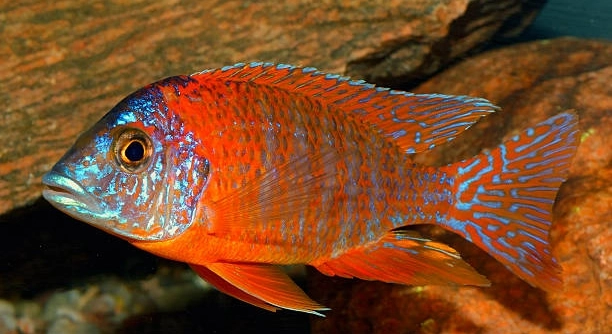
Convict cichlids are popular freshwater fish known for their striking colors and lively personalities. Many fishkeepers keep them in home aquariums and enjoy watching their interactions, especially during breeding periods. Their behavior often draws close attention.
Convict cichlids can form bonds with their fry through protective and nurturing behaviors. Both parents often participate in guarding, cleaning, and guiding the young, which strengthens survival rates and establishes a structured familial dynamic within the tank.
Observing these interactions provides insight into their natural instincts and the ways they care for their offspring. Understanding these behaviors can enhance the success of breeding convict cichlids.
Understanding Convict Cichlid Parenting
Convict cichlids display a strong parental instinct, which makes them interesting to observe in a home aquarium. Both the male and female work together to care for their fry, keeping them safe from potential threats. They clean the eggs before hatching and move the young to safer areas if needed. Watching the parents coordinate their efforts can be surprisingly detailed, as each fish takes turns guarding, guiding, and ensuring the fry remain close. This cooperative behavior improves the fry’s chances of survival, as they are not left vulnerable in open areas. The parents are alert to changes in their environment and react quickly to any perceived danger. Even minor disturbances, like sudden movements or shadows outside the tank, trigger protective responses. Over time, the fry learn to recognize their parents’ guidance, following them for food and protection. Observing these behaviors provides valuable insight into their social and protective nature, which is key to maintaining a healthy tank environment.
Convict cichlids consistently protect and guide their fry, showing a balance of alertness and care within their small family group.
Their interactions are more than instinct—they reflect learned behaviors. The parents remember safe spots, food sources, and potential hazards. The fry, in turn, respond quickly to the movements of each parent. This creates a structured environment where the young can grow with reduced stress. As the fry get older, the parents gradually allow them more independence while still monitoring their actions. In a community tank, this behavior can influence how other fish interact with the young, often discouraging aggression. Watching this dynamic unfold helps caretakers understand how to support the family, such as by providing hiding spaces and consistent feeding routines. Maintaining water quality, stable temperature, and low-stress conditions further enhances the bond between parents and fry. Over time, this careful observation and adjustment lead to a thriving aquarium, where both adults and young develop confidence and healthy social behaviors.
Signs of Bonding With Fry
Parents actively shepherd their young, keeping them close and guiding them around the tank.
These signs include guarding behaviors, frequent egg cleaning, and leading fry to safe areas, showing attentiveness and parental investment.
The bond between convict cichlids and their fry becomes visible through routine interactions. Adults often split responsibilities, with one parent staying near the eggs or fry while the other patrols the perimeter. This coordination reduces risks from sudden threats and allows the young to explore safely. Fry tend to follow their parents’ movements closely, responding to signals like nudges or fin displays. Feeding times are also structured, with parents guiding fry toward food and preventing competition. Over weeks, these behaviors reinforce recognition and trust between adults and offspring. The more consistent the environment, the stronger the bond, as the parents feel secure enough to focus on nurturing rather than constant defense. Observing these patterns allows caretakers to identify when the family is thriving and when additional support, such as extra hiding spots or gentle tank rearrangements, might be needed to maintain the positive dynamic.
Feeding and Protecting the Fry
Convict cichlid parents lead their fry to food, ensuring they eat without conflict. They remain nearby, watching for threats, and move the fry if danger arises, showing a strong combination of care and vigilance.
Feeding the fry requires attention from both parents. They guide them toward small food particles and prevent other fish from taking over. Fry follow their parents closely, learning where to find food and how to avoid risks. Adults also remove uneaten food to maintain water quality, which is essential for healthy growth. This hands-on approach reduces stress and teaches the young essential survival behaviors early in life.
Parents balance protection with freedom, gradually allowing fry to explore while still supervising. They respond to sudden movements or shadows, moving the fry to secure areas. Over time, fry recognize safe zones and follow their parents’ lead during feeding, learning patterns of safety and nutrition that will help them grow into strong adults.
Tank Conditions for Successful Bonding
Proper water quality is essential for bonding and fry survival. Stable temperature and clean water reduce stress and allow parents to focus on care.
Maintaining a stable environment directly affects how effectively convict cichlids bond with their fry. Parents are more likely to show consistent protective behaviors in clean, well-oxygenated water with a steady temperature. Sudden changes, overcrowding, or poor filtration can cause stress, reducing attention to the young. Providing hiding spots, flat rocks, and gentle currents encourages natural parenting. Fry respond to these secure conditions, staying close to their parents and following guidance during feeding and exploration. Monitoring pH levels and performing regular water changes supports long-term health and family cohesion.
Stable conditions allow the parents to balance vigilance and nurturing efficiently. Fry explore safely, guided by adults, while parents remain alert to potential threats. Hiding spaces reduce stress, letting fry develop confidence without exposing themselves to danger. Adults naturally rotate responsibilities, ensuring constant supervision. Over time, this structured environment strengthens recognition, trust, and coordination between parents and fry. Maintaining optimal water parameters encourages natural behaviors, reduces aggression, and helps the family thrive, creating a harmonious tank where both adults and young can grow healthily.
Encouraging Natural Behaviors
Providing rocks, caves, and flat surfaces encourages convict cichlids to display their natural parenting behaviors. These structures allow parents to guard fry effectively while giving the young safe areas to explore.
A calm environment with minimal disturbances supports strong bonding. Loud noises or frequent tank movement can stress adults, reducing their attention to the fry.
Monitoring Fry Development
Regular observation helps identify healthy growth and active parental care. Fry that follow parents and respond to guidance are developing normally. Attention to feeding habits, activity levels, and interaction with parents ensures any issues are noticed early and corrected promptly.
Avoiding Common Stressors
Overcrowding and sudden environmental changes can disrupt bonding. Keeping a stable number of fish and consistent water conditions helps maintain a healthy family dynamic.
FAQ
How do convict cichlids show they care for their fry?
Convict cichlids show care by staying close to their young, guiding them to food, and moving them away from perceived threats. Both parents actively guard eggs and fry, clean the spawning area, and lead the fry to safe spots within the tank. Their behavior reflects strong protective instincts.
Can one parent handle the fry alone?
While one parent can manage on their own, both parents together improve survival rates. The division of labor—one guarding while the other guides or feeds the fry—reduces stress on each adult and ensures the fry are always monitored. In solo parenting situations, the adult may appear more alert or restless.
How long do convict cichlids bond with their fry?
The bond is strongest during the first few weeks after hatching. During this time, parents closely supervise the fry, protecting them and guiding them to food. As the fry grow, parents gradually allow more independence but remain nearby for safety. The bond naturally weakens as fry become more capable of fending for themselves.
What tank conditions support bonding?
Stable water parameters are key. Consistent temperature, clean water, and proper oxygen levels reduce stress and allow parents to focus on care. Providing hiding spaces, flat rocks, and gentle currents encourages natural parenting behaviors. Overcrowding and sudden changes can disrupt bonding and lead to fry vulnerability.
How often should fry be fed?
Fry benefit from small, frequent feedings several times a day. Parents usually lead them to food, but supplementation with finely crushed flakes or specialized fry food ensures adequate nutrition. Uneaten food should be removed to maintain water quality and prevent health issues.
Can other fish affect bonding?
Yes, other fish can stress the parents or directly threaten the fry. Aggressive tank mates may interfere with feeding or chasing fry, while overly active species can create a stressful environment. Keeping the family in a moderately calm, well-structured tank minimizes interference and maintains parental attention.
Do convict cichlids recognize their fry?
Adults can recognize their young and respond to their movements. Fry follow their parents’ guidance, and parents adjust their behavior based on fry activity. This recognition helps the parents protect and teach their young, ensuring they learn safe feeding and navigation habits.
What signs indicate fry are healthy?
Healthy fry are active, respond to parental guidance, and explore hiding spots without excessive stress. They feed regularly and grow steadily. Weak or lethargic fry, or those constantly hiding without following parents, may need extra care or adjustments in tank conditions.
Is it normal for parents to be aggressive?
Yes, aggression is part of protective behavior. Parents may chase intruders or even other adults in the tank to secure the fry. Aggression toward other fish is common but usually directed only at perceived threats, while the parents remain calm when fry are safe.
How can I improve bonding if parents seem inattentive?
Reduce disturbances, ensure proper tank setup, and maintain stable water parameters. Adding hiding spaces and minimizing stressors can encourage natural behaviors. Sometimes, parents need reassurance from a quiet, secure environment to focus on the fry and rebuild strong bonding.
Can bonding affect fry growth?
Strong bonding helps fry grow healthier and more confident. Parents guide them to food and shelter, reducing stress and preventing competition from other fish. Well-bonded fry learn survival skills early, which increases their chances of reaching adulthood safely and thriving in the aquarium environment.
What is the role of the male and female during parenting?
Typically, the female focuses on guarding the fry and cleaning the nest, while the male patrols the territory and chases away threats. Both parents feed and guide the fry, but their roles may shift depending on the situation. This teamwork maximizes the fry’s chances of survival and demonstrates coordinated parenting.
How long should fry stay in the family group?
Fry gradually gain independence after several weeks. Parents continue supervision during feeding and exploration, but as fry grow, they start exploring more freely. Allowing natural progression helps fry develop confidence while still benefiting from parental guidance.
Convict cichlids demonstrate remarkable parental instincts that are both fascinating and educational to observe in a home aquarium. From the moment eggs are laid, the adults are alert and highly engaged in protecting their young. They work together to guard the fry, guide them to food, and ensure they remain in safe areas of the tank. Watching these behaviors unfold highlights the complexity of their interactions and the natural instincts that drive them. Each parent has a role, whether it is patrolling the tank, guarding the fry, or leading them to food. This coordinated effort improves the survival chances of the young and creates a structured environment in which they can grow and develop. Understanding these behaviors also helps caretakers provide better care by arranging the tank to support natural parenting, such as adding flat surfaces, hiding spots, and consistent water conditions. These simple adjustments can make a noticeable difference in how effectively the parents bond with and protect their fry.
Maintaining proper tank conditions plays a critical role in supporting the family dynamic. Stable temperature, clean water, and adequate oxygen levels reduce stress for both adults and fry. When the environment is stable, parents can focus on nurturing rather than reacting to disturbances. Overcrowding, sudden changes in water parameters, or aggressive tank mates can interfere with bonding and negatively affect fry survival. Providing a calm, secure environment allows parents to demonstrate their natural behaviors, while fry learn essential survival skills, such as recognizing safe areas and following guidance during feeding. Observation is also important, as it helps identify potential issues early. Fry that are weak, lethargic, or not following their parents may need adjustments to feeding, tank setup, or water quality. By paying attention to both the adults and the young, caretakers can ensure that the entire family thrives. These measures foster a harmonious environment where bonds between parents and fry can develop naturally.
The interaction between convict cichlids and their fry is a clear example of how instinct, environment, and care come together in a home aquarium. Strong parental bonding provides fry with protection, guidance, and the confidence to explore their surroundings safely. Over time, these bonds allow the young to gradually gain independence while still benefiting from parental oversight. Observing these behaviors offers insights into fish behavior and helps caretakers understand how to support a healthy, thriving family. By maintaining a stable tank environment, providing hiding spaces, and minimizing stressors, parents can perform their roles effectively. The result is a well-cared-for group of fry that grow in a structured, safe, and attentive setting. Convict cichlids’ natural parenting instincts are both impressive and practical, demonstrating how consistent care and observation can lead to successful breeding and healthy offspring.

Hello,
If you enjoy the content that we create, please consider saying a "Thank You!" by leaving a tip.
Every little bit helps us continue crafting quality advice that supports the health, happiness, and well-being of pets around the world, for pets of all shapes, sizes, and species.
We really appreciate the kindness and support that you show us!