
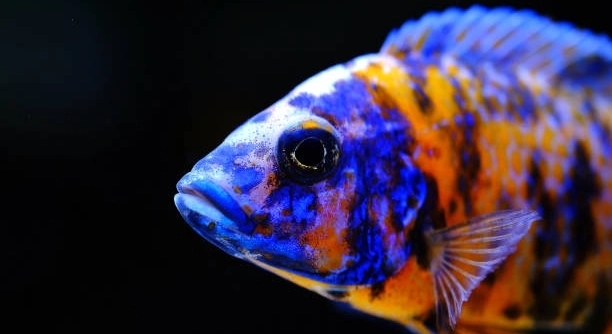
Do you ever notice your convict cichlid acting more aggressively than expected in your aquarium? Many fish owners struggle with their bold behavior, especially when introducing new tank mates or rearranging the tank environment.
Convict cichlids can exhibit reduced aggression through careful tank management, proper feeding, and environmental enrichment. Adjusting tank size, providing hiding spots, and maintaining compatible groupings are effective strategies to moderate their naturally territorial behavior.
Managing aggression requires consistent observation and patience, as subtle changes in the tank can greatly influence your cichlid’s behavior and overall harmony in your aquarium.
Understanding Convict Cichlid Behavior
Convict cichlids are naturally territorial, which can make them seem aggressive in home aquariums. They defend their space strongly, especially during breeding periods. Their behavior is influenced by tank size, water conditions, and the presence of other fish. In smaller tanks, aggression can increase because the fish feel crowded and stressed. Introducing new tank mates without proper planning can also trigger fights. Even feeding routines can impact their mood, as competition over food may lead to chasing or nipping. Observing their patterns over time helps identify triggers and improve tank management. Providing plenty of hiding spaces and visual barriers reduces confrontations. These fish respond well to structured environments where they can claim areas without feeling threatened. By understanding their instincts, you can make adjustments that encourage calmer behavior. Consistency in care and attention to their needs is key to maintaining balance in your aquarium.
Aggression in convict cichlids often decreases when their environment feels secure and spacious.
When a tank is well-arranged, with rocks, plants, and shelters, the fish can establish territories without constant conflict. Regular feeding and water maintenance also support calmer interactions. Over time, even dominant fish learn boundaries, reducing stress for all tank mates. Watching their interactions daily allows for small tweaks that keep peace and maintain a healthy aquarium environment.
Strategies to Reduce Aggression
Tank size plays a major role in managing aggression. Larger aquariums give convict cichlids space to claim territory without frequent confrontations.
Adding hiding spots like caves, plants, and decorations helps break sight lines and provides refuge during disputes. Careful selection of tank mates is important; choose fish that can coexist with slightly aggressive species. Keeping similar-sized fish together reduces bullying, and avoiding overcrowding keeps stress low. Maintaining consistent feeding routines ensures no competition over food. Observation is essential—identify patterns of aggression and adjust layout or groupings when needed. Regular water changes and monitoring parameters also reduce stress-related behavior. By implementing these strategies, aggression can be minimized, creating a more peaceful tank. Owners may notice calmer interactions within a few weeks. Patience and attention are important, as convict cichlids adapt gradually. Creating a structured, enriched environment benefits both the fish and the overall harmony of the aquarium.
Adjusting Tank Conditions
Water temperature and quality affect convict cichlid behavior. Warmer water can increase activity and aggression, while unstable water parameters cause stress and irritability. Maintaining consistent conditions helps reduce tension. Proper filtration and regular water changes support calmer, healthier fish.
Providing hiding spots and breaks in the tank’s layout allows cichlids to claim spaces without constant confrontation. Rocks, plants, and decorations create natural barriers that reduce direct encounters. Changing the tank arrangement occasionally can reset territories, minimizing repeated disputes. Observing how the fish interact with these adjustments helps identify what works best. Environmental enrichment encourages natural behavior while keeping aggression manageable.
Overcrowding worsens aggression, even in well-decorated tanks. A tank that is too small forces fish into constant proximity, triggering fights over territory, food, and mates. Reducing the number of fish or upgrading to a larger tank immediately lowers stress. Combining proper tank size, hiding spots, and compatible groupings leads to calmer interactions. Monitoring behavior consistently ensures problems are addressed early before aggression escalates. Patience and gradual adjustments make a significant difference in overall harmony.
Feeding and Diet Management
Regular feeding routines prevent aggression caused by competition over food. Uneven or infrequent feeding can lead to chasing, nipping, or guarding behavior during meals.
Balanced diets support both health and temperament. Convict cichlids thrive on a mix of high-quality pellets, occasional frozen foods, and fresh vegetables. Overfeeding should be avoided, as excess food can foul water, increasing stress and aggressive behavior. Feeding smaller portions multiple times a day reduces competition and keeps the fish occupied. Observation during feeding helps identify dominant fish and prevent bullying. Feeding in different areas of the tank ensures all fish have access to food, minimizing disputes. Combined with proper tank conditions, a structured diet significantly lowers aggression levels and promotes calmer interactions among convict cichlids.
Managing Breeding Aggression
Convict cichlids become highly protective during breeding. They guard eggs and fry aggressively, even in larger tanks. Providing separate breeding areas or visual barriers reduces stress for other fish.
Removing fry after a few days can lower tension in community tanks. This prevents constant chasing and allows non-breeding fish to remain calm.
Choosing Compatible Tank Mates
Pairing convict cichlids with similarly sized, robust fish reduces conflicts. Small, timid species are likely to be bullied and stressed in the same tank. Careful selection ensures a balanced social environment and minimizes aggressive encounters.
Observing Behavior Changes
Regular observation allows quick responses to rising aggression. Noticing patterns helps in adjusting tank layout, feeding, or groupings before fights escalate.
Long-Term Benefits
Calmer convict cichlids lead to healthier tanks. Reduced stress improves growth, immunity, and overall vitality, making the aquarium more enjoyable to maintain.
FAQ
How can I tell if my convict cichlid is too aggressive?
Aggressive behavior usually shows as chasing, nipping, or guarding territory constantly. Fish may repeatedly attack tank mates, even over small areas or food. Watching patterns helps determine if the aggression is normal territorial behavior or a sign of stress.
Can aggression be completely eliminated?
No, convict cichlids have natural territorial instincts, so some level of aggression is normal. However, careful tank management, hiding spots, proper feeding, and compatible groupings can greatly reduce conflicts. Most aggression can be controlled with consistent observation and adjustments.
What tank size is best for reducing aggression?
Larger tanks give fish space to establish territories without constant conflict. A tank of at least 30 gallons for a pair is recommended. Bigger tanks allow decorations and hiding spots to break up lines of sight, minimizing tension among fish.
Does diet affect behavior?
Yes, feeding routines play a big role. Regular, balanced meals reduce competition over food, which is a common trigger for fights. Overfeeding can also create water quality issues, which increase stress and aggression, so portion control is important.
Are there specific tank mates that work well?
Other robust, similarly sized fish are best. Small, timid species are likely to be bullied. Avoid overcrowding and choose fish that can tolerate occasional territorial disputes without being harmed. Keeping compatible species ensures a calmer tank environment.
Do breeding cichlids get more aggressive?
Yes, breeding significantly increases aggression. Parents guard eggs and fry, chasing other fish from their area. Providing separate breeding spaces or visual barriers helps reduce stress for other tank inhabitants and prevents constant confrontations.
Can rearranging the tank help?
Yes, changing the layout can reset territories and reduce ongoing disputes. Rocks, plants, and decorations create natural barriers. Even minor adjustments allow fish to establish new boundaries, lowering repeated aggression over the same areas.
How often should I monitor behavior?
Daily observation is ideal. Catching rising aggression early allows small adjustments, like adding hiding spots or changing feeding routines. Watching interactions regularly keeps the tank peaceful and prevents injuries among fish.
Does water quality influence aggression?
Absolutely. Poor water conditions cause stress, which can increase fights. Consistent water changes, stable temperature, and proper filtration support calmer behavior. Maintaining clean, balanced water is one of the easiest ways to prevent tension.
Are juvenile cichlids less aggressive?
Juveniles are generally less territorial, but aggression can appear as they grow. Early attention to tank size, hiding spots, and compatible groupings helps prevent serious disputes as they mature. Starting with proper care sets the stage for calmer adult behavior.
Can I train cichlids to be less aggressive?
Not in the traditional sense, but consistent environmental management encourages calmer behavior. Predictable feeding, structured territories, and compatible groupings teach fish to respect boundaries over time. Gradual exposure to changes reduces stress-related aggression.
Is it better to keep a single pair or a group?
A single pair often has less overall conflict, especially during breeding. Groups can work if the tank is large enough and there are plenty of hiding spots, but monitoring for bullying and fighting is crucial to prevent injuries.
Do decorations really make a difference?
Yes, decorations create visual barriers and reduce direct confrontations. Hiding spots allow fish to retreat and claim spaces, which lowers stress. Even small additions like rocks or plants can have a noticeable effect on reducing aggression.
How long does it take to see changes in behavior?
Calmer behavior usually appears within weeks of implementing proper tank conditions, diet, and hiding spots. Some aggressive habits may take longer to adjust, so patience and careful observation are necessary for lasting results.
What should I do if aggression persists?
If fights continue despite adjustments, separating overly aggressive fish or upgrading to a larger tank may be necessary. Sometimes individual temperament is stronger, and intervention ensures the health and safety of all tank inhabitants.
Can stress make aggression worse?
Yes, stressed cichlids are more likely to attack. Stress can come from overcrowding, poor water quality, or constant disturbances. Reducing stress with proper tank care and routine maintenance directly lowers aggression levels.
Are certain times of day worse for aggression?
Aggression often peaks during feeding or breeding periods. Understanding these patterns helps schedule feedings and adjustments to the tank layout to minimize conflict. Providing multiple feeding points reduces competition during high-stress periods.
Does adding plants reduce aggression?
Yes, live or artificial plants create hiding spots and break up sight lines. This allows fish to establish private areas and reduces repeated confrontations. Dense planting is particularly useful in smaller tanks where space is limited.
Should I separate fish permanently if fights happen?
Permanent separation is only needed in extreme cases. Most aggression can be managed with tank adjustments, hiding spots, and compatible pairings. Removing a fish temporarily during breeding or high conflict periods often resolves the issue without long-term separation.
Is patience important when managing convict cichlids?
Yes, changes in behavior take time. Gradual adjustments in tank conditions, feeding, and social structure lead to calmer interactions. Daily observation and small tweaks create a more peaceful environment, showing results over weeks rather than days.
Can aggression affect health?
Chronic stress from frequent aggression weakens the immune system and can slow growth. Injuries from fights may also lead to infections. Reducing aggression improves both physical health and overall vitality, making the aquarium safer and more enjoyable.
Does age influence aggression?
Older cichlids are often more territorial, especially during breeding. Juveniles are less aggressive but need proper management to prevent habits that persist into adulthood. Age-related behavior requires adjustments in tank setup and monitoring.
How do I balance multiple cichlids in one tank?
Provide ample space, hiding spots, and compatible groupings. Monitor interactions and adjust layout or pairings as needed. Consistent feeding, water quality, and visual barriers help create balance, allowing each fish to establish territory without constant conflict.
Are convict cichlids naturally aggressive compared to other cichlids?
Yes, they are one of the more territorial species, especially in small tanks or during breeding. Understanding their instincts and managing the environment is key to minimizing fights while maintaining a healthy aquarium.
Can stress reduction techniques really work?
Yes, providing proper tank size, hiding spots, visual barriers, and stable conditions all reduce stress. Stress reduction directly lowers aggression, leading to calmer behavior and healthier fish over time.
Is it normal for aggression to spike suddenly?
Yes, changes like new fish, rearranged decorations, or breeding can trigger sudden aggression. Quick observation and temporary adjustments help manage these spikes before injuries occur.
Do dominant fish always stay aggressive?
Some dominance is natural, but proper tank setup and compatible pairings often reduce excessive aggression. Even dominant fish can learn boundaries when the environment supports calm territory establishment.
Can I prevent aggression before it starts?
Yes, using proper tank size, compatible mates, hiding spots, and structured feeding from the beginning minimizes conflict. Early planning prevents most aggression-related problems before they escalate.
Are visual barriers more effective than space alone?
Both are important, but visual barriers give fish private areas without requiring huge tanks. Rocks, plants, and decorations interrupt lines of sight, reducing repeated confrontations and making the tank feel larger for territorial fish.
How do I know if aggression is normal or a problem?
Normal aggression involves brief chasing or displays. Problematic aggression includes constant attacks, injuries, or stress signs in other fish. Observing patterns and interactions helps distinguish between natural behavior and harmful conflict.
Can environmental enrichment help?
Yes, adding variety in decorations, hiding spots, and areas to explore keeps fish occupied. Enrichment encourages natural behaviors and reduces boredom-induced aggression, improving overall tank harmony.
How important is consistent feeding?
Very important. Inconsistent feeding triggers competition, chasing, and nipping. Structured schedules with balanced portions lower aggression and help fish feel secure, reducing conflicts related to hunger or territorial guarding.
Can aggression return after improvements?
Yes, changes like breeding or adding new fish can trigger aggression again. Continuous observation and small adjustments maintain calmer behavior over the long term. Being proactive prevents minor issues from becoming serious problems.
Does tank depth affect aggression?
Yes, deeper tanks allow vertical space for retreat and hiding. Fish can escape lines of sight or climbing disputes more easily, reducing overall stress and territorial conflicts.
How can I make feeding time less stressful?
Feed in multiple locations, provide enough food for all fish, and avoid overcrowding during meals. Observing interactions ensures no fish is blocked or bullied. Proper feeding reduces competition and lowers aggression consistently.
Are all convict cichlids equally aggressive?
No, individual temperament varies. Some fish are naturally calmer, while others are highly territorial. Adjustments to tank setup, groupings, and feeding routines help manage differences, ensuring peace even with stronger personalities.
Does adding hiding spots always work?
It usually works but must be combined with proper tank size and compatible mates. Hiding spots alone cannot solve overcrowding or breeding aggression, but they are a key tool in reducing conflict.
Can aggression affect reproduction?
Yes, excessive stress can prevent breeding or lead to egg and fry loss. Calm, well-structured environments improve breeding success and reduce fights during this sensitive period.
Is separating aggressive fish stressful for them?
Temporary separation is usually less stressful than constant fighting. Providing a small, safe area helps recovery and prevents injuries. Fish often calm down after a short adjustment period in a separate space.
How can I maintain long-term peace in the tank?
Regular monitoring, consistent feeding, clean water, hiding spots, compatible pairings, and careful breeding management maintain harmony. Small, gradual adjustments prevent aggression before it escalates, creating a healthier, calmer aquarium for years.
Do decorations need to be rearranged regularly?
Occasional rearrangement helps reset territories, preventing fights over the same areas repeatedly. Minor changes give fish a chance to explore and claim new spaces, reducing aggression long-term.
Can aggression be reduced without removing fish?
Yes, tank adjustments, visual barriers, proper feeding, and environmental enrichment often manage conflicts. Only in extreme cases is separation necessary. Consistent care keeps aggression low without major interventions.
Does aggression affect tank maintenance?
Aggressive fish can stress others, causing illness that requires attention. Calm tanks are easier to maintain, with healthier fish and less risk of injury or infection disrupting routine care.
Are some decorations better than others?
Decorations that provide hiding spots, visual barriers, and climbing or exploring areas are most effective. Smooth surfaces and stable arrangements prevent injuries while offering private spaces for territorial fish.
Can aggression flare during water changes?
Yes, sudden disturbances can stress fish, triggering chasing or fights. Performing gradual water changes and minimizing disruption helps reduce aggression during maintenance.
How do I balance aggression with natural behavior?
Allow fish to establish territories, but manage stress with hiding spots, proper feeding, and compatible mates. This balance encourages natural behavior while keeping conflicts manageable.
Does tank lighting influence aggression?
Bright or inconsistent lighting can stress fish, increasing aggression. Moderate, stable lighting supports calm behavior, especially when combined with proper hiding spots and consistent routines.
Can stress from handling worsen aggression?
Yes, frequent netting or moving fish can increase tension. Limit handling and provide safe spaces afterward to reduce stress-related fights.
Are territorial disputes common in small groups?
Even small groups can fight if tank size is inadequate. Adequate space, hiding spots, and compatible pairings prevent conflicts, ensuring all fish can establish territory safely.
Do all cichlids respond the same way to adjustments?
Individual temperament affects response. Most calm with proper care, but some remain dominant. Observing behavior and making gradual changes helps manage aggressive personalities effectively.
How can I encourage calmer social behavior?
Structured feeding, hiding spots, visual barriers, compatible mates, and consistent water quality promote calm interactions. Patience and gradual environmental management lead to long-term harmony among convict cichlids.
Can aggression affect tank hierarchy?
Yes, dominant fish may control territory and food. Proper tank setup and compatible groupings allow a balanced hierarchy where all fish have space, reducing fights and stress.
What signs indicate aggression is harming fish?
Injuries, torn fins, constant chasing, or stressed behavior indicate serious aggression. Quick adjustments in layout, hiding spots, or separation prevent lasting harm and maintain tank health.
Is aggression worse in newly established tanks?
Yes, as fish claim territory and adapt to surroundings. Providing hiding spots, compatible groupings, and stable water conditions reduces early conflicts and helps fish settle calmly.
Does feeding type matter?
Yes, high-quality pellets, frozen foods, and occasional vegetables support health and reduce competition. Balanced nutrition lowers aggression caused by hunger or food disputes.
Can aggression increase unexpectedly?
Yes, breeding, new fish, or tank changes can trigger spikes. Observing behavior and making small adjustments helps control sudden aggression and protects all fish.
How do I manage aggression with multiple breeding pairs?
Separate breeding areas, visual barriers, and careful monitoring prevent conflicts. Each pair needs space to guard eggs and fry without constant interference from other fish. Proper planning ensures calmer interactions.
Does aggression impact overall tank harmony?
Yes, unchecked aggression stresses all fish, increasing illness risk and slowing growth. Managing conflicts improves health, calmness, and enjoyment of the aquarium.
Can minor injuries escalate?
Yes, small nips can become infected if ignored. Preventing fights through hiding spots, compatible mates, and monitoring protects fish from worsening injuries.
Are some cichlids more tolerant of aggression?
Yes, robust, similarly sized species handle mild disputes better. Choosing tolerant tank mates reduces injury risk and helps maintain a peaceful environment.
Does tank decor placement matter?
Yes, thoughtful placement of rocks, plants, and caves creates boundaries, hiding spots, and retreat areas. Strategic arrangement prevents constant conflict and helps maintain calm social structure.
Can aggression affect feeding behavior?
Yes, stressed or bullied fish may eat less or be blocked by dominant individuals. Multiple feeding points and careful observation ensure all fish have access to food, lowering stress.
How often should tank layouts be updated?
Occasional changes prevent repeated fights over the same territories. Minor adjustments every few weeks or months keep fish exploring new areas and reduce ongoing disputes.
Does tank temperature affect aggression?
Higher temperatures increase activity and territorial behavior. Stable, appropriate temperatures reduce unnecessary stress and keep interactions calmer.
Can aggression decrease naturally over time?
Yes, as fish establish territories, adjust to tank mates, and mature, aggression often declines. Consistent care and monitoring help maintain this calmer behavior long-term.
Are aggressive behaviors always visible?
Not always. Subtle chasing, displays, or cornering can indicate tension before outright fighting. Regular observation ensures early intervention to prevent injuries.
Is it better to adjust the environment or remove fish?
Adjusting the environment is usually preferable. Hiding spots, tank rearrangement, and compatible pairings solve most aggression issues without permanently removing fish.
Do visual barriers reduce aggression more effectively than hiding spots alone?
Yes, visual separation allows fish to retreat without fighting. Combined with hiding spots, barriers significantly lower stress and territorial disputes, creating a calmer tank overall.
How important is monitoring during breeding?
Very important. Breeding triggers high aggression. Watching interactions, providing barriers, and separating fry when needed prevents injury and stress for all fish.
Can aggression return after a long calm period?
Yes, breeding, new additions, or rearrangements can trigger spikes. Maintaining observation and adjusting the tank environment ensures calm behavior resumes quickly.
Does overcrowding always increase aggression?
Yes, too many fish in a limited space triggers constant territorial disputes. Proper stocking density, tank size, and hiding spots prevent unnecessary fights.
How do I balance aggression with tank enrichment?
Provide plenty of hiding spots, explore areas, and structured feeding while monitoring interactions. Enrichment keeps fish occupied without creating stress, promoting natural behaviors and reducing fights.
Can a single change make a difference?
Yes, adding a cave, plant, or adjusting feeding routines can immediately reduce stress and aggression. Small adjustments often have significant positive effects on behavior.
Is consistency the key to calmer cichlids?
Yes, stable water conditions, structured feeding, and consistent observation create a predictable environment. Predictability reduces stress and helps maintain peaceful interactions among convict cichlids.
Does aggression affect tank aesthetics?
Frequent fighting can damage decorations, uproot plants, or create messy areas. Reducing aggression protects both fish and tank appearance.
Can aggressive fish be rehabilitated?
Yes, with proper environmental management, hiding spots, compatible mates, and careful monitoring, even dominant individuals can adjust behavior and coexist more peacefully.
Does stress from tankmates worsen aggression?
Yes, stressed fish may overreact or fight more. Maintaining calm, compatible groupings and providing retreat areas minimizes stress-induced aggression, improving tank harmony.
Are there signs of improvement I should watch for?
Reduced chasing, calmer feeding, and more peaceful resting areas indicate progress. Gradual changes over weeks show that adjustments are working.
Can environmental stress outweigh natural aggression?
Yes, overcrowding, poor water quality, and lack of hiding spots amplify aggression beyond natural levels. Addressing these factors restores balance and calmer behavior.
Does aggression always peak during feeding?
Often, but not always. Aggression can also rise during breeding, territorial disputes, or after tank changes. Observing patterns helps manage peak periods effectively.
How do I maintain long-term calm behavior?
Regular observation, hiding spots, visual barriers, proper feeding, compatible pairings, and stable water quality maintain peace. Small adjustments prevent conflicts before they escalate, ensuring lasting harmony in the aquarium.
Can aggression affect other fish’s growth?
Yes, stressed or bullied fish may eat less and grow slower. Managing aggression ensures all tank inhabitants thrive physically and mentally.
Does age difference among fish matter?
Yes, older or larger fish may dominate younger ones. Proper tank management and compatible groupings help reduce conflicts caused by size and age differences.
Can tank depth and structure help?
Yes, vertical space and layered decorations allow fish to retreat or claim different zones, lowering fights and stress while supporting natural territorial behavior.
Are there long-term effects if aggression is ignored?
Constant aggression causes injuries, stress, illness, and stunted growth. Ignoring it leads to unhealthy fish and an unstable aquarium environment. Prompt management prevents these consequences.
Can aggression influence breeding success?
Yes, stress from fights may reduce mating or cause egg and fry loss. Calm, structured conditions support successful reproduction and healthier offspring.
Is it possible to have multiple peaceful pairs?
Yes, if the tank is large enough with plenty of hiding spots. Careful monitoring ensures pairs can coexist without constant interference or stress.
How can I tell if interventions are working?
Look for calmer interactions, fewer injuries,
Final Thoughts
Managing convict cichlids’ aggression requires understanding their natural behavior and making thoughtful adjustments in the aquarium. These fish are naturally territorial, so some level of aggression is normal and cannot be completely eliminated. Recognizing this helps set realistic expectations and reduces frustration when conflicts arise. Observing your fish carefully is one of the most important steps. By paying attention to how they interact with each other, you can identify triggers such as tank size, overcrowding, or changes in water conditions. Early observation allows small adjustments before fights escalate, keeping all fish safer and reducing stress. Providing sufficient space and multiple hiding spots helps each fish claim its territory without constant confrontations. Rocks, plants, caves, and decorations are all valuable tools to create natural barriers that break lines of sight and give fish private areas. Even minor rearrangements can reset territorial boundaries, preventing repeated disputes over the same areas and keeping the tank environment calmer over time.
Feeding routines also play a major role in reducing aggression. Regular, balanced meals help prevent competition over food, which is a common source of fights. Overfeeding should be avoided because leftover food can damage water quality, leading to stress-related aggression. Feeding smaller portions multiple times a day and spreading food in different areas of the tank ensures all fish have access without being chased or blocked by dominant individuals. Offering a varied diet that includes high-quality pellets, frozen foods, and occasional vegetables promotes overall health and encourages calmer behavior. When combined with a well-structured environment, these feeding practices allow fish to focus less on competition and more on natural, peaceful behaviors. Consistency in both feeding and environmental care is key, as convict cichlids respond better to predictable routines that minimize stress and uncertainty.
Breeding periods and individual temperament are additional factors to consider. Aggression often spikes during breeding, as parents guard eggs and fry. Providing separate breeding areas or visual barriers protects other fish and reduces constant chasing. Even outside of breeding, some fish are naturally more dominant or territorial. Pairing convict cichlids with compatible tank mates and maintaining proper group sizes helps manage these differences. Overcrowding or introducing incompatible species increases stress and fighting, which can impact growth, health, and overall tank harmony. Patience is essential because these adjustments may take time to show results. By combining proper tank conditions, structured feeding, and careful monitoring, you can significantly reduce aggression. This leads to a healthier, more balanced aquarium where all fish coexist more peacefully and thrive in their environment.

Hello,
If you enjoy the content that we create, please consider saying a "Thank You!" by leaving a tip.
Every little bit helps us continue crafting quality advice that supports the health, happiness, and well-being of pets around the world, for pets of all shapes, sizes, and species.
We really appreciate the kindness and support that you show us!