
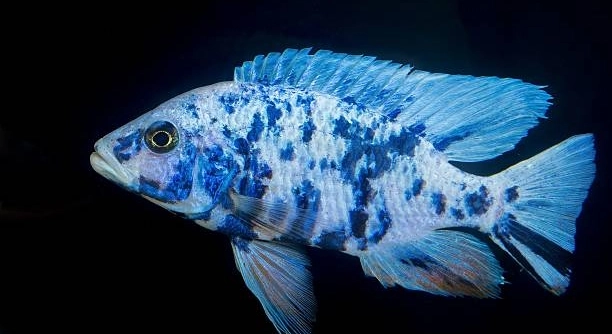
Convict cichlids are popular freshwater fish known for their bright colors and active behavior. Many hobbyists keep them in home aquariums and wonder about their ability to handle colder water environments safely.
Convict cichlids can tolerate slight drops in temperature, but they are tropical fish that thrive in warmer water. Extended exposure to cold conditions can stress their metabolism, weaken their immune system, and reduce overall health and longevity.
Understanding how temperature impacts these fish is important for maintaining their well-being and ensuring they continue to thrive in home aquariums.
Understanding Convict Cichlids and Temperature
Convict cichlids originate from Central America, where they live in warm rivers and lakes. Their natural habitat usually maintains a temperature between 75°F and 82°F. In home aquariums, maintaining a stable temperature is essential because sudden drops can shock their system. When water becomes too cold, their metabolism slows, making them less active and reducing appetite. Stress from cold water can also weaken their immune system, making them more susceptible to infections. Even minor fluctuations over time can affect breeding behavior and overall energy levels. Many owners notice their cichlids hiding more or becoming less vibrant in colder tanks. Providing a reliable heater and monitoring daily temperature can prevent these issues. It’s not just about keeping them alive; it’s about ensuring they remain active and display natural behaviors. Observing their behavior closely helps recognize early signs of stress and allows for quick adjustments to their environment.
Maintaining warm water is critical for healthy growth and activity. Cold water can severely affect their physiology.
Stable temperatures allow convict cichlids to feed, breed, and swim normally. Consistency ensures a healthier, more active aquarium life.
Signs Cold Water is Affecting Your Fish
Convict cichlids may become lethargic when water temperatures drop below their comfort range. They may hide frequently and reduce interaction with tankmates.
Extended exposure to cold water causes stress that affects organ function and immune responses. Their swimming becomes slower, and they may lose coloration. In breeding pairs, eggs may fail to develop properly, or fry might not survive. Appetite often decreases, which can lead to weight loss and poor health. Tankmates may also become more aggressive if stressed fish are sluggish, causing additional conflicts. Maintaining proper temperature is essential for water chemistry as well. Colder water holds more oxygen but slows biological filtration, which can lead to toxin buildup. Monitoring and adjusting heater settings, and using a reliable thermometer, can prevent long-term health issues. Regular observation helps identify small changes in behavior early. With careful temperature management, convict cichlids can continue to thrive, maintain vibrant colors, and display natural behaviors even in less-than-ideal environments.
How to Gradually Adjust Water Temperature
Sudden temperature changes can shock convict cichlids, so any adjustment should be slow. Increase or decrease the water temperature gradually, around 1–2°F per day, to allow their metabolism to adapt safely.
Using an adjustable aquarium heater is the most reliable way to control temperature changes. Avoid placing the tank near windows, vents, or drafty areas that can cause rapid fluctuations. Regularly monitor with a precise thermometer to track small shifts. Adding warm water slowly during water changes can help, but always ensure the temperature difference is minimal. Gradual adjustments reduce stress and maintain natural activity levels, preventing lethargy and appetite loss that often accompany abrupt changes. Observing fish behavior during this process is important, as it indicates whether they are tolerating the new conditions well. Consistency and careful monitoring are key to keeping convict cichlids healthy.
Gradual temperature adjustments reduce stress, prevent illness, and keep fish active while supporting stable aquarium conditions.
Tank Setup Considerations for Cold Conditions
Proper tank insulation can help maintain more stable temperatures during colder months. Using a hood or foam insulation around the tank minimizes heat loss.
Water movement and circulation become important in cooler conditions. Gentle filtration prevents stagnant areas that can develop cold pockets. Providing hiding spots with rocks or plants helps fish regulate their body temperature by moving to warmer or cooler areas as needed. Avoid overcrowding, as more fish can lower oxygen levels and increase stress in cooler water. Lighting also produces slight heat, so keeping lights on for a consistent period supports temperature stability. Monitoring and maintaining water chemistry is crucial because colder water slows filtration, allowing toxins to build up. Using heaters, insulation, and proper tank layout ensures convict cichlids remain comfortable and healthy even when room temperatures drop.
Seasonal Temperature Changes
Convict cichlids can experience stress during colder months if water temperature drops too quickly. Monitoring room temperature and using a reliable heater helps maintain a stable environment for their well-being.
Even small daily fluctuations can affect activity and appetite. Consistency is key to keeping them healthy and active throughout seasonal changes.
Feeding in Cooler Water
Cold water slows metabolism, so convict cichlids may eat less. Adjust feeding amounts to prevent leftover food from decaying and affecting water quality. Their digestive system works slower, so overfeeding can cause bloating or health issues.
Monitoring Health
Watch for signs like faded coloration, sluggish movement, or unusual hiding. Early detection of stress allows for quick adjustments to temperature or environment.
FAQ
Can convict cichlids survive in cold water?
Convict cichlids are tropical fish, and they prefer water between 75°F and 82°F. They can tolerate slight drops in temperature for short periods, but prolonged exposure to cold water can stress them, weaken their immune system, and reduce activity. Consistent cold conditions can lead to illness and poor health over time.
How cold is too cold for convict cichlids?
Water below 70°F is considered too cold for convict cichlids. At these temperatures, their metabolism slows, making them less active and less likely to eat. Long-term exposure to water in the 60s°F range can be dangerous and may result in death if the temperature is not adjusted.
What are the signs that cold water is affecting my fish?
Signs include hiding more often, faded colors, sluggish swimming, reduced appetite, and stress behaviors. Breeding pairs may stop spawning, and fry may not survive. Observing these changes early helps prevent long-term health problems by allowing adjustments to temperature or tank setup.
Can convict cichlids adapt to colder water over time?
They have some tolerance but cannot truly adapt to cold water as tropical fish. Gradual decreases of 1–2°F per day can help them adjust slightly, but they still need warm water to maintain proper health, activity, and breeding ability. Extreme or prolonged cold is unsafe.
How should I adjust their tank during winter?
Use a reliable adjustable heater to maintain consistent temperature. Insulate the tank with foam or a hood to reduce heat loss. Monitor the water with a thermometer and avoid placing the tank near drafts or cold windows. Gradual water changes with slightly warmer water prevent sudden shocks.
Does feeding change in colder water?
Yes, convict cichlids eat less when water is cold because their metabolism slows. Overfeeding can lead to decaying food, which harms water quality. Reduce portions, feed smaller meals, and observe how much they actually eat to maintain health without polluting the tank.
Do tank mates affect cold water tolerance?
Yes, some fish are more sensitive to cold, which can stress the entire tank community. Keep species with similar temperature needs together. Avoid overcrowding, as it can reduce oxygen and increase stress in cooler water. Proper filtration and circulation help maintain stability.
Can I use a heater to raise the temperature quickly?
No, sudden temperature changes are dangerous. Increase water temperature gradually, about 1–2°F per day, to prevent shock. Quick heating can stress organs, reduce immune function, and cause unusual behavior or death. Patience is key when adjusting conditions.
How does cold water affect breeding?
Cold water can stop convict cichlids from spawning. Eggs may fail to develop, and fry survival drops significantly. Breeding pairs need warm, stable water to maintain energy and reproductive behaviors. Cold water slows metabolism, so they may not care for their eggs properly.
Are there long-term effects of cold exposure?
Yes, repeated exposure to cold water weakens immune systems, reduces growth rates, and can shorten lifespan. Even if fish survive, chronic stress can make them more prone to disease and less active. Maintaining a consistent, warm environment is essential for long-term health.
What is the best way to prevent cold stress?
Use a heater, insulate the tank, monitor temperature daily, and reduce sudden fluctuations. Adjust feeding for slower metabolism and provide hiding spots. Observing behavior allows early detection of stress. Consistency and careful management ensure convict cichlids stay healthy and active year-round.
Can I keep convict cichlids outside in colder climates?
It is not recommended. Outdoor tanks are exposed to temperature swings that tropical fish cannot tolerate. If kept outside, a heated and insulated tank is essential, but indoor aquariums provide more control and safer conditions. Outdoor cold can quickly become life-threatening.
Do other factors make cold water more stressful?
Yes, poor water quality, overcrowding, and lack of hiding spaces increase stress. Cold slows filtration, allowing toxins to build up. Maintaining clean water, proper tank setup, and stable temperatures reduces the risk of illness and keeps convict cichlids active and healthy.
How often should I check temperature in cold months?
Daily checks are recommended. Even small fluctuations can impact convict cichlids. A precise thermometer helps track changes, and adjustments to heaters or insulation can prevent sudden stress. Observing fish behavior alongside temperature ensures a balanced, healthy environment.
Can temporary cold water exposure be reversed?
Yes, fish can recover if water is gradually warmed and stress is minimized. Sudden warming is dangerous, so increase temperature slowly. Provide proper feeding, clean water, and hiding spots to help them regain strength and return to normal behavior.
Is it safe to use multiple heaters?
Using multiple heaters can help stabilize temperature in larger tanks, but they must be monitored carefully. Each heater should be set slightly below the target temperature to prevent overheating if one fails. Consistent and even heating is safer than relying on a single source.
How do I know if my fish are thriving?
Active swimming, bright coloration, regular feeding, and normal social behavior indicate good health. Fish that hide excessively, lose color, or refuse food are showing signs of stress, often linked to cold or unstable water. Regular observation is essential for maintaining well-being.
Are juvenile convict cichlids more sensitive to cold?
Yes, fry and young fish are more vulnerable. Their immune systems are weaker, and metabolism cannot adjust as easily. Keeping young fish in stable, warm water ensures growth, survival, and proper development. Cold exposure can stunt growth or be fatal.
Can cold water cause disease outbreaks?
Yes, stress from cold water weakens immune defenses, making fish more prone to bacterial, fungal, or parasitic infections. Maintaining consistent temperatures, clean water, and proper nutrition reduces the risk of disease and keeps convict cichlids healthy.
What is the ideal temperature range year-round?
The ideal range is 75°F to 82°F. Staying within this range ensures optimal metabolism, activity, and breeding. Minor fluctuations are tolerable if gradual, but staying consistently warm is crucial for long-term health and preventing stress-related problems.
How do I safely acclimate fish to new tanks in cooler environments?
Introduce them slowly with temperature-matched water. Float the bag to equalize temperature, then gradually mix tank water over 15–30 minutes. Avoid sudden changes to prevent shock. Observing behavior during acclimation ensures they adjust safely without stress.
Can tank decorations help regulate temperature stress?
Yes, rocks, plants, and hiding spots allow fish to move to slightly warmer or cooler areas within the tank. Providing options helps them self-regulate and reduces stress during minor temperature fluctuations.
Is it necessary to adjust water chemistry in cold water?
Yes, colder water slows biological filtration, so ammonia and nitrite levels can rise. Regular testing and partial water changes help maintain safe water chemistry, preventing additional stress from toxins. Proper care ensures fish remain healthy even in cooler conditions.
How long can convict cichlids tolerate slightly colder water?
Short periods of a few hours to a day may be tolerable if temperature drops are minor. Extended exposure beyond this timeframe can cause stress, illness, or death. Always aim for stable, warm conditions to avoid risks.
What adjustments help during unexpected cold snaps?
Use a temporary heater or insulation to prevent rapid drops. Reduce feeding, monitor behavior closely, and perform small water changes to maintain quality. Observing fish ensures they tolerate the temporary conditions until temperatures stabilize.
Can cold stress affect aggression?
Yes, stressed fish may become more aggressive or defensive. Slower movement and weakened condition can trigger conflicts with tankmates. Providing adequate space and hiding spots helps reduce tension and maintain a safer environment.
How do I know when to intervene?
If fish show prolonged hiding, loss of appetite, faded coloration, or lethargy, intervene by gradually adjusting temperature, cleaning water, and providing proper nutrition. Early action prevents long-term damage and supports recovery.
Is it safe to rely on room temperature alone?
No, indoor room temperature often fluctuates too much for tropical fish. Using a heater and insulation ensures consistent conditions that support metabolism, activity, and overall health. Room temperature alone is not reliable.
How important is observation compared to equipment?
Both are essential. Equipment provides stable temperature, while observation ensures fish are responding well. Behavioral cues help identify problems early, allowing for adjustments that equipment alone may not detect. Regular monitoring prevents small issues from becoming serious health problems.
Can older convict cichlids handle cold better?
Not significantly. Older fish may tolerate minor drops slightly better than juveniles, but all tropical convict cichlids require warm, stable conditions. Age does not eliminate the risk of stress or illness from cold exposure.
Are there natural ways to maintain warmth?
Indirect sunlight, insulated tank covers, and stable room heating can help, but these methods are supplementary. Heaters remain the most reliable solution. Ensuring consistent temperature through controlled heating is the safest approach for long-term health.
Do different convict cichlid strains vary in cold tolerance?
Some minor variations exist, but all are tropical fish. Differences are minimal, and none thrive in consistently cold water. Standard care practices for temperature management apply to all strains equally.
How do I recover fish from cold stress safely?
Gradually raise the water temperature to the ideal range, ensure clean water, and feed smaller meals. Observe behavior for normal activity and coloration. Patience and consistency are key to a full recovery without additional stress.
Can cold water affect lifespan?
Yes, repeated or prolonged exposure reduces lifespan due to chronic stress, illness, and weakened metabolism. Maintaining ideal temperatures ensures convict cichlids live a full, active, and healthy life.
Is it necessary to adjust lighting in cold conditions?
Lighting provides minor heat and maintains natural day-night cycles. Keep lights consistent to avoid additional stress. Proper lighting supports activity, feeding, and overall well-being, complementing temperature management.
How often should water quality be tested in cold months?
Frequent testing is important because cold water slows filtration. Ammonia, nitrite, and nitrate levels can rise quickly. Weekly testing or more frequent checks prevent toxin buildup and stress, ensuring fish remain healthy despite colder conditions.
Can diet help cope with cooler temperatures?
High-quality, easily digestible food supports immune function and energy when metabolism slows. Feeding smaller, frequent meals helps prevent uneaten food from polluting the tank while ensuring nutrition.
Do I need to reduce activity areas in cold water?
Not necessarily, but providing accessible hiding spots helps fish self-regulate temperature. They may prefer certain areas for warmth, and sufficient space reduces stress and conflict during cooler periods.
What are the most common mistakes with cold water?
Rapid temperature changes, overfeeding, ignoring behavioral signs, and relying on room temperature alone. These mistakes can quickly lead to stress, illness, and death. Consistency, observation, and proper equipment prevent most cold-related problems.
How can I ensure long-term health in variable climates?
Use heaters, insulation, monitor temperature daily, adjust feeding, and maintain clean water. Observe behavior regularly and respond to stress signs immediately. These steps keep convict cichlids healthy, active, and vibrant even when external temperatures fluctuate.
What role does oxygen play in cold water stress?
Colder water holds more oxygen, but reduced metabolism may limit intake. Ensure proper aeration and circulation to prevent stagnant areas and maintain a healthy environment, reducing stress from both temperature and oxygen imbalances.
Are partial water changes helpful in cold periods?
Yes, but use water close to tank temperature to avoid sudden shocks. Small, frequent changes maintain water quality without stressing fish, supporting immune function and overall health during colder months.
Do heaters need maintenance in winter?
Regular checks ensure they function properly and maintain consistent temperature. Faulty heaters can cause rapid drops, leading to stress or death. Cleaning and testing heaters prevents failures during critical periods.
Can stress from cold water trigger disease later?
Yes, even after temperatures stabilize, weakened fish may develop infections. Preventive care, observation, and consistent environment reduce long-term impacts of temporary cold stress.
Is there a difference between males and females in cold tolerance?
Minimal difference exists. Both genders are equally affected by low temperatures, though breeding pairs may show behavior changes more quickly due to reproductive stress. Consistent warmth is important for all individuals.
How important is tank size for cold tolerance?
Larger tanks maintain temperature more consistently, reducing rapid fluctuations. Smaller tanks cool faster, making careful heating and insulation more critical. Proper tank size helps maintain stable conditions and reduces stress.
Can cold water affect social behavior?
Yes, stressed fish may become more aggressive or withdrawn. Maintaining warm, stable conditions supports normal social interactions and reduces conflict among tankmates.
What should I do during unexpected power outages?
Insulate the tank with blankets or foam to retain heat. Monitor fish closely and restore heater function as soon as possible. Avoid sudden water changes until temperature stabilizes. Patience and careful observation prevent stress-related issues.
Are certain plants better for colder tanks?
Live plants can help provide hiding spots and minor insulation but ensure they tolerate slightly cooler water. Artificial plants can serve as safe alternatives for decoration and shelter without impacting water chemistry.
Do I need to adjust filtration in colder water?
Filtration may slow due to temperature drops. Ensure filters function properly and clean them regularly. Avoid overloading the tank, as slower biological processes can lead to toxin buildup.
Can cold water affect growth?
Yes, slowed metabolism reduces growth rates in juveniles and adults. Maintaining ideal temperature ensures normal development, activity, and overall health.
Is observation more important than strict temperature control?
Both are essential. Equipment provides stability, while observation detects early signs of stress. Behavioral changes often indicate issues before temperature readings show problems. Regular monitoring ensures proactive care and healthy fish.
Can cold water impact breeding cycles permanently?
Repeated exposure may reduce fertility or affect future spawning behavior. Stable warm water is essential for successful reproduction and fry survival.
Are there long-term behavioral changes from cold stress?
Yes, stressed fish may remain timid, less active, or display abnormal aggression. Early intervention helps prevent permanent behavior issues. Consistent environment supports normal patterns and overall well-being.
How do I safely warm water after prolonged cold exposure?
Increase temperature gradually, about 1–2°F per day. Provide hiding spots, clean water, and smaller meals. Observe behavior carefully to ensure safe adaptation and recovery. Patience reduces risk of shock or illness.
Can I rely on natural heating methods alone?
No, natural methods are supplementary. Heaters provide consistent, controlled temperature that tropical fish need for survival, activity, and reproduction.
Are juvenile fish more at risk than adults?
Yes, juveniles have weaker immune systems and slower metabolism. They are more susceptible to cold-related stress, illness, and death. Stable warm conditions are essential for healthy growth and survival.
How do I balance temperature and water quality?
Cold water slows filtration, so monitor ammonia, nitrite, and nitrate levels closely. Regular partial water changes and consistent temperature management keep the tank safe and healthy.
Do different strains have varying cold tolerance?
Differences are minimal. All convict cichlids are tropical and require warm, stable conditions. Standard temperature management practices apply to all strains.
What is the safest long-term strategy?
Maintain water between 75°F and 82°F, use heaters, insulate the tank, monitor daily, and observe behavior. Gradual changes, proper feeding, and clean water ensure convict cichlids thrive year-round.
Can stress from cold water affect lifespan?
Yes, repeated or prolonged exposure shortens lifespan by increasing susceptibility to disease, reducing activity, and weakening metabolism. Consistent warmth supports longevity and overall health.
Do tank decorations help with temperature regulation?
Yes, hiding spots allow fish to move to preferred areas. Decorations help them self-regulate minor fluctuations, reducing stress and supporting natural behavior.
Is overfeeding more dangerous in cold water?
Yes, uneaten food decomposes faster in slowed metabolism conditions, harming water quality. Feed smaller portions, monitor consumption, and maintain clean water to prevent health issues.
Can cold stress trigger long-term health issues?
Yes, chronic stress increases disease susceptibility, reduces activity, and may affect growth or reproduction. Maintaining stable temperatures prevents long-term damage and ensures healthy, active fish.
How do I know if my heater is sufficient?
Check that it maintains water within 75°F–82°F consistently. Observe fish behavior and temperature readings daily. Multiple smaller heaters can stabilize larger tanks more effectively than one large heater.
What should I do if water quality worsens in cold conditions?
Perform small, temperature-matched water changes, clean filters, and monitor chemical levels. Avoid sudden changes and maintain gradual adjustments to prevent additional stress while stabilizing water quality.
Can cold water affect coloration permanently?
Prolonged cold stress can cause temporary fading. Most fish regain color once temperatures stabilize, but chronic exposure may result in duller appearance over time. Maintaining warmth supports vibrant coloration.
How can I reduce stress during acclimation?
Introduce new fish slowly, match water temperature, and allow gradual adjustment. Avoid sudden changes, provide hiding spots, and monitor feeding. Careful acclimation reduces shock and ensures safe adaptation to the tank environment.
Are there seasonal adjustments I should make?
Yes, winter may require insulation, heaters, and reduced feeding. Summer may need cooling measures. Maintaining stable temperature and observing fish ensures health across all seasons.
Can cold water affect immune response?
Yes, lowered metabolism and stress weaken the immune system, making fish more prone to infection. Consistent warmth supports immune function and overall health.
Do fish recover quickly after cold exposure?
Recovery is gradual. Gradual warming, proper nutrition, clean water, and minimal stress help fish regain activity, appetite, and coloration safely. Patience is essential for full recovery.
How do I know if my adjustments are working?
Active swimming, bright colors, normal feeding, and regular interaction with tankmates indicate success. Monitor closely to ensure fish are thriving under new conditions.
Are certain filtration systems better for cold water?
Strong, consistent filters prevent stagnant pockets, maintain circulation, and support oxygenation. Proper filtration reduces stress and supports water quality even when metabolism slows.
Is monitoring behavior more important than temperature readings?
Both are important. Temperature ensures ideal conditions, while behavior signals stress or illness. Observing fish provides early warning and allows proactive adjustments.
Can cold water affect tank oxygen levels?
Yes, while colder water holds more oxygen, stressed fish may not utilize it efficiently. Proper aeration and circulation ensure oxygen distribution and reduce additional stress.
Do I need to adjust lighting during cold periods?
Consistent lighting helps maintain activity and minor heat. Avoid extreme changes that can stress fish further. Lighting supports normal behavior alongside temperature management.
Are juveniles more affected than adults?
Final Thoughts
Convict cichlids are hardy fish in many ways, but they remain tropical creatures that thrive in warm, stable water. Maintaining the proper temperature is not just about comfort—it directly affects their metabolism, activity, and overall health. Cold water slows their metabolism, which can reduce feeding, growth, and natural behavior. Extended exposure to temperatures below their ideal range can weaken their immune system, making them more susceptible to disease. Even if the fish appear to tolerate brief cold periods, prolonged exposure may still have lasting effects on their health and lifespan. By keeping water consistently warm and monitoring their environment carefully, you can prevent many problems before they arise and ensure your fish remain vibrant and active.
Gradual adjustments and careful observation are essential when managing temperature. Sudden changes can be more damaging than slightly cooler water maintained steadily over time. Using an adjustable heater, monitoring daily with a reliable thermometer, and providing minor insulation around the tank can make a significant difference in how convict cichlids respond to cooler conditions. In addition, proper tank setup with hiding spots, clean water, and adequate filtration supports their health and reduces stress. Feeding should also be adjusted to reflect slower metabolism in colder water, with smaller, more frequent meals to prevent uneaten food from affecting water quality. Watching your fish’s behavior is the best indicator of how they are coping. Signs like reduced activity, hiding, or faded coloration signal that adjustments are needed. Attention to these details ensures that they stay healthy and reduces the risk of illness or stress-related behavior problems.
While convict cichlids can tolerate minor fluctuations and brief periods of cooler water, long-term survival and well-being depend on maintaining stable, warm conditions. Tank management involves balancing temperature, water quality, feeding, and observation. Providing a controlled environment that mimics their natural habitat supports natural behavior, breeding, and overall vitality. With careful attention to their needs, convict cichlids can thrive and display the vibrant colors and active behavior that make them popular in home aquariums. Prioritizing consistent warmth, proper care, and attentive observation ensures that these tropical fish remain healthy, resilient, and lively, even when external conditions might be less than ideal.

Hello,
If you enjoy the content that we create, please consider saying a "Thank You!" by leaving a tip.
Every little bit helps us continue crafting quality advice that supports the health, happiness, and well-being of pets around the world, for pets of all shapes, sizes, and species.
We really appreciate the kindness and support that you show us!