
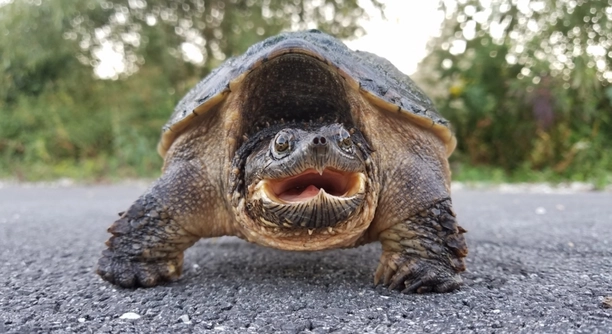
Common snapping turtles are fascinating creatures that often spark curiosity. Many people wonder if they can thrive in ponds, as these habitats seem like a perfect setting for them. Understanding their needs is key.
Common snapping turtles can live in ponds, but they require specific conditions. They need clean, fresh water, ample space to roam, and a place to bask in the sun. Ensuring proper care is vital to their survival.
By learning more about their habitat needs, you can ensure these turtles are comfortable and healthy in their pond home.
Ideal Pond Conditions for Snapping Turtles
For a snapping turtle to thrive in a pond, there are several important factors to consider. First, they need enough space to move around. A pond that is too small may lead to stress and health problems. The water quality is also crucial—turtles need clean, fresh water to stay healthy. If the water is too dirty, it can cause infections and other health issues. Snapping turtles also enjoy basking in the sun, so they need access to a flat, dry area where they can warm up. Shaded spots are also important, as turtles can overheat if they spend too much time in direct sunlight. A pond with a variety of depths is ideal, allowing the turtle to dive deep or stay in shallower areas depending on its needs.
Adding plants to the pond is beneficial as well, as they provide shelter and help maintain the balance of the ecosystem. Snapping turtles tend to hide under vegetation or submerged rocks, feeling more secure. A pond with the right combination of shallow and deep areas will allow them to choose a space where they feel safe.
In addition to a variety of depths, a good pond for snapping turtles should have a mix of aquatic plants and rocks. These features give the turtles opportunities to rest, hide, and forage. Snapping turtles are omnivores, eating a diet of plants, small fish, and insects. Plants also help filter the water, keeping it clean and healthy for the turtles. Ensuring the pond has proper filtration and avoids any pollutants is essential for their overall health. A pond without enough shelter or poor water quality can lead to illness or even death.
How to Maintain Clean Pond Water for Snapping Turtles
To maintain clean pond water, regular maintenance is key. Start by using a good filtration system to remove waste and debris. Keep the water moving with a pump to prevent stagnation.
A good filtration system removes waste and debris, but it’s important to check the system regularly. The pond should be tested for proper pH levels and other factors like ammonia and nitrate levels. Keeping the water oxygenated is also vital for the health of both the turtles and the plants.
Snapping Turtle Diet in Ponds
Snapping turtles are omnivores, meaning they eat both plants and animals. In a pond, they often forage for fish, insects, and aquatic plants. They may also consume small amphibians or anything they can catch. A varied diet helps keep them healthy and active, so it’s important that the pond offers a natural food source.
In addition to hunting for food, snapping turtles are opportunistic eaters. They may scavenge any dead fish or other animals that end up in the pond. However, it’s essential not to rely solely on this. Supplementing their diet with occasional food like turtle pellets can help keep them well-nourished, especially if the pond doesn’t provide enough natural prey. You can also introduce plants such as water lettuce or duckweed to support their diet.
Feeding your turtle properly helps maintain its health and energy levels. Snapping turtles need more than just a constant supply of food; they also need variety. Too much of one type of food can lead to nutritional imbalances. Therefore, monitoring the health of your pond’s ecosystem is key to making sure the turtles are getting a balanced diet.
Snapping Turtle Basking Areas
Basking is crucial for snapping turtles. They need to regularly bask in the sun to regulate their body temperature. A good pond should have a flat rock, log, or another dry area where the turtles can rest and absorb warmth.
Without a proper basking area, snapping turtles may become lethargic and have trouble digesting food. It can also affect their health long-term, as they won’t be able to regulate their temperature, which may lead to illnesses. You can create these areas by adding submerged rocks or driftwood that stick out of the water. Ensure the area is easily accessible for the turtles to climb onto, as they may struggle to get out of the water if the surface is too high.
Additionally, the basking area should be positioned in a location that gets a good amount of sunlight throughout the day. This helps the turtles warm up, aiding in their digestion and overall well-being. If the area is shaded too much or not large enough, the turtles might not bask enough. Balancing sunlight and shade can also prevent them from overheating.
Snapping Turtle Health and Disease Prevention
To keep a snapping turtle healthy, water quality is key. Dirty water can lead to infections or skin issues. Regularly clean the pond and check for any signs of illness, like swollen eyes or lethargy. Good nutrition also plays an important role in preventing health problems.
Maintaining proper water conditions and monitoring the turtle’s behavior are essential in catching any signs of disease early. If you notice any unusual behavior or physical changes, consult a vet experienced with reptiles. A clean environment and balanced diet help prevent most health problems in snapping turtles.
Pond Temperature and Seasonality
Temperature regulation is vital for snapping turtles. They need warm water to stay active, especially during the summer. In winter, the water temperature may drop, and the turtles will enter a state of dormancy.
Maintaining the right water temperature in your pond can ensure your turtle stays comfortable year-round. In colder regions, you may need to add a pond heater or create deeper areas where the temperature remains more stable.
FAQ
Can a snapping turtle live in a small pond?
Snapping turtles need ample space to roam, so a small pond may not be ideal. They require room to swim, forage, and bask. A small pond can cause stress due to overcrowding, and the water may become polluted more quickly, leading to health issues. It’s best to have a pond of at least 1000 gallons for one or two turtles.
How deep should the pond be for snapping turtles?
The pond should have varying depths, with the deepest part around 3 to 4 feet. Snapping turtles enjoy having areas to dive deep and shallow places to rest. The deeper areas will help them stay cool during warmer months, while shallow zones can give them access to bask in the sun.
Do snapping turtles need a filtration system in their pond?
Yes, snapping turtles need clean water, and a good filtration system helps maintain it. Filtration removes waste, uneaten food, and debris, preventing water contamination that could harm the turtle. Regular maintenance of the system is necessary to ensure the water stays clean, which is crucial for the turtle’s health.
What do snapping turtles eat in a pond?
Snapping turtles are opportunistic feeders. In a pond, they will eat small fish, insects, amphibians, and aquatic plants. They also scavenge any dead animals that end up in the water. A varied diet is essential for keeping them healthy, so make sure the pond has plenty of food sources or supplement their diet with turtle pellets.
How can I tell if my snapping turtle is sick?
Signs of illness in snapping turtles can include lack of appetite, lethargy, swollen eyes, or abnormal shell growth. If the turtle has trouble swimming or has visible wounds, it could indicate a health issue. It’s essential to consult a vet if you notice any concerning symptoms to ensure the turtle’s well-being.
Do snapping turtles need to bask in the sun?
Yes, basking is vital for snapping turtles. They need to regularly bask in the sun to help regulate their body temperature and aid digestion. If your pond doesn’t have a suitable basking area, like a flat rock or log, you should create one to ensure they can warm up.
What’s the best way to set up a basking area for snapping turtles?
A good basking area should be easily accessible and positioned in a spot that gets sunlight. You can add a flat rock, a piece of driftwood, or an artificial dock that sticks out of the water. Ensure it’s stable, as snapping turtles are not good climbers and need a secure platform to climb onto.
Are snapping turtles aggressive toward other animals?
Snapping turtles can be aggressive, especially if they feel threatened or cornered. While they usually prefer to stay away from other animals, they may fight other turtles or smaller creatures if they feel their territory is invaded. Be cautious if you have other animals in the same pond.
How can I prevent my pond from becoming too dirty for the turtles?
To keep your pond clean, avoid overfeeding the turtles and ensure proper filtration. Regularly remove excess food, fallen leaves, and any dead plants or animals. You should also test the water regularly to check for pollutants and adjust the filtration system if necessary. A healthy balance of plants can help maintain water quality as well.
Do I need to provide extra heating in the winter for snapping turtles?
In areas where temperatures drop below freezing, you may need to ensure the pond remains unfrozen in the winter. Snapping turtles go dormant in cold weather, but they still need a spot to breathe. A pond heater or creating deeper areas in the pond will help keep the water at a suitable temperature for hibernation.
How can I keep my snapping turtle from escaping the pond?
Snapping turtles are strong and determined, so it’s important to have a well-secured pond. Ensure the edges are steep or have barriers like rocks or fencing to prevent the turtle from climbing out. It’s also important to check for gaps or low points in the pond where the turtle could potentially escape.
Can snapping turtles live with other animals in the pond?
Snapping turtles are solitary creatures and can be territorial, especially towards smaller animals. They might harm or eat fish, amphibians, or smaller turtles. It’s not advisable to house snapping turtles with other animals unless the pond is large enough to give everyone ample space, and the animals can avoid each other.
Do snapping turtles need a lot of attention?
Snapping turtles are fairly low-maintenance, but they still need regular care. You’ll need to monitor the water quality, feed them a varied diet, and ensure they have a safe basking area. Regular health checks are also important to catch any potential issues early. Aside from this, they do not require much direct interaction.
Caring for a snapping turtle in a pond can be a rewarding experience, but it does require attention and effort. These turtles thrive in environments that are spacious, clean, and well-maintained. Ensuring that the pond has the right temperature, water quality, and proper basking areas is essential for their health. Snapping turtles are creatures of habit, and once they find a comfortable spot, they can remain in the same area for long periods. This means the pond needs to be set up in a way that allows them to move freely, access food, and have a safe space for resting.
The key to success when housing snapping turtles is providing for their natural needs. Their diet needs variety, and the pond should have plenty of space to swim and forage. A good filtration system is also crucial to keep the water clean and reduce the risk of diseases. Regular checks on the water quality and the turtle’s behavior will help ensure they remain healthy. Keeping an eye out for any changes, such as a decrease in activity or unusual symptoms, is also important, as these can be signs of illness that require attention.
It’s also important to remember that snapping turtles are solitary and territorial. They may not be the best companions for other pond animals, especially if space is limited. Ensuring they have enough room to move without being disturbed by other creatures can help reduce stress and promote a healthier environment. While they may not demand constant interaction, creating the right setting for them to thrive is the most significant factor in their well-being. With the right care and attention, your snapping turtle can live happily in a pond for many years.

Hello,
If you enjoy the content that we create, please consider saying a "Thank You!" by leaving a tip.
Every little bit helps us continue crafting quality advice that supports the health, happiness, and well-being of pets around the world, for pets of all shapes, sizes, and species.
We really appreciate the kindness and support that you show us!