
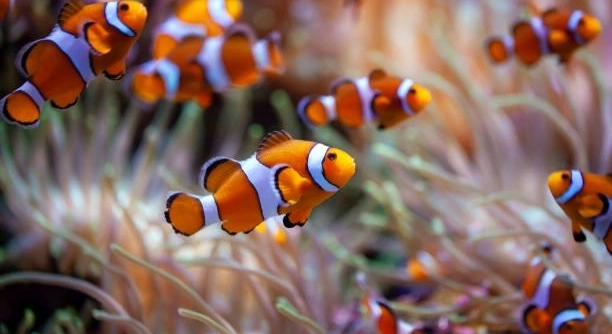
Clownfish are popular marine pets known for their bright colors and lively behavior. Many people notice how these fish move around their tanks or reefs. Observing their activity can lead to questions about their ability to stay still.
Clownfish can stay still for periods, but they usually remain active to maintain territory and interact with their environment. Their stillness is often brief and linked to resting or hiding behaviors rather than prolonged inactivity.
Understanding when and why clownfish stay still helps in creating a better environment for them. This article will explore their behavior in detail.
How Clownfish Behave When They Stay Still
Clownfish don’t often stay still for very long. When they do, it’s usually because they are resting or feeling safe in their home, like an anemone. Their movement slows down, but they rarely stop moving completely. Staying still helps them avoid danger by blending in. In aquariums, they may stay still more if the environment feels secure. They also use stillness to save energy or avoid conflicts with other fish. However, clownfish are naturally active and curious, so they move frequently to explore or defend their territory. Their brief pauses are part of their natural rhythm and help balance rest with activity.
Clownfish use stillness mainly to rest and avoid stress. This behavior is a normal part of their daily routine.
Observing these moments of stillness can help owners understand when their clownfish feels comfortable or stressed. When the fish stops moving, it’s often a sign they trust their surroundings or need a break. This behavior shows a natural balance between activity and rest that supports their health.
Factors Affecting Clownfish Stillness
Clownfish stillness depends on several factors. These include water quality, tank size, and tank mates. If water conditions are poor, clownfish may hide and stay still more often. Smaller tanks can make clownfish feel cramped and less likely to move freely. Aggressive tank mates may also cause clownfish to freeze or stay still to avoid conflict.
Good water conditions, plenty of space, and peaceful companions encourage clownfish to swim actively. Proper care reduces stress, helping clownfish maintain healthy behavior. When their needs are met, clownfish balance rest with activity naturally. Tank owners should monitor these factors closely to support their fish’s well-being and behavior. Creating a calm environment reduces unnecessary stillness caused by fear or discomfort.
How Clownfish Rest
Clownfish rest by slowing their movements and finding a safe spot, often near their host anemone. This helps them conserve energy without leaving themselves open to danger.
During rest, clownfish may hover quietly or stay close to protective surfaces. Their breathing slows slightly, but they remain alert to sudden changes around them. Resting doesn’t mean complete stillness; subtle fin movements keep them balanced and ready to react quickly. This behavior allows them to stay safe while recovering energy for their active lifestyle.
Rest periods are usually short and scattered throughout the day. Unlike some animals, clownfish don’t have long, deep sleep sessions but rely on multiple brief rests to maintain their health and alertness. Their environment plays a big role in how well they can rest, so a calm and stable habitat is important.
Signs Your Clownfish Is Comfortable
When a clownfish feels comfortable, it shows through relaxed swimming and regular interaction with its surroundings. It will explore calmly and spend time near its anemone or favorite spots without sudden darting movements.
Comfortable clownfish display bright colors and smooth, consistent movements. They respond to feeding times and may even approach humans when they feel safe. Stress or discomfort often results in hiding, rapid swimming, or loss of appetite. Watching these signs helps you know if the tank environment suits your fish well. A happy clownfish balances activity with rest, showing natural behavior patterns.
When Clownfish Freeze
Clownfish may freeze when they feel threatened or unsure. This stillness helps them avoid drawing attention from predators or aggressive tank mates. It’s a natural defense mechanism.
Freezing doesn’t last long. Once the threat passes, clownfish usually resume normal swimming and exploring behavior.
Effects of Tank Environment on Stillness
The tank environment greatly influences how much clownfish stay still. Poor water quality or sudden changes can stress them, causing more frequent stillness or hiding. A clean tank with stable temperature and good lighting encourages natural movement and rest cycles. Tank size also matters; cramped spaces limit swimming and increase stress. Peaceful tank mates help clownfish feel safe, reducing freezing and stillness due to fear. Providing an environment close to their natural habitat supports healthy behavior and balance between activity and rest.
Watching for Unusual Stillness
Unusual or prolonged stillness can signal health problems or stress in clownfish.
FAQ
Why do clownfish sometimes stay completely still?
Clownfish may stay completely still as a way to rest or avoid threats. This stillness is a natural response to feeling safe or trying not to attract attention. In the wild, freezing helps them hide from predators. In an aquarium, it usually means the fish feels calm or is conserving energy.
Is it normal for clownfish to stay still for long periods?
It is normal for clownfish to pause or stay still briefly, but long periods of inactivity can be a concern. Clownfish are generally active swimmers, so extended stillness might mean they are stressed, sick, or uncomfortable. Regular, short rests are part of their behavior, but watch for signs of illness if stillness lasts too long.
Can clownfish sleep while staying still?
Clownfish don’t sleep like humans, but they do rest. During rest, they slow down and stay still, often near their anemone or hiding spot. Their body functions slow, but they remain alert to danger. This type of rest helps them recover energy without fully losing awareness.
What environmental factors cause clownfish to stay still more?
Poor water quality, overcrowded tanks, or aggressive tank mates often cause clownfish to stay still or hide. Sudden changes in lighting or temperature can also stress them, leading to increased stillness. Ensuring stable tank conditions with proper water parameters and peaceful companions helps clownfish stay active and healthy.
How can I tell if my clownfish’s stillness is a problem?
If your clownfish stays still for long periods, stops eating, or shows signs like faded colors or labored breathing, it might be sick or stressed. Normal resting should not affect their appetite or activity levels between rest periods. Monitor behavior closely and check water conditions if you notice worrying signs.
Does tank size affect how much clownfish move or stay still?
Yes, tank size affects clownfish activity. Smaller tanks can limit their swimming space, making them appear more still or stressed. Larger tanks with plenty of hiding spots encourage natural behavior, including balanced activity and rest. A spacious environment helps clownfish feel secure and move freely.
Can stress cause clownfish to freeze or stay still?
Stress is a common cause of freezing or stillness in clownfish. Stress can come from poor water quality, aggressive tank mates, or sudden environmental changes. When stressed, clownfish may hide or freeze to avoid danger. Reducing stress by improving tank conditions helps them return to normal activity levels.
Should I be worried if my clownfish stays still near its anemone?
Not necessarily. Clownfish often rest near their host anemone because it offers protection. Staying still there can mean your fish feels safe and is resting properly. However, if this behavior is accompanied by other signs like lack of appetite or unusual breathing, it may indicate a problem.
How long do clownfish usually stay still when resting?
Clownfish typically rest in short periods ranging from a few minutes to about half an hour. They do not have long, deep sleep phases. Their resting pattern involves multiple brief stillness episodes throughout the day to maintain energy without losing alertness.
Can diet influence clownfish activity and stillness?
Yes, diet affects clownfish energy levels. A poor diet can make clownfish lethargic, causing them to stay still more. Providing a balanced diet with varied foods helps maintain their health and encourages regular activity and natural resting behavior.
What should I do if my clownfish is staying still and not eating?
If your clownfish stays still and refuses food, check water quality immediately. Poor water conditions often cause stress and illness. Make sure the tank is clean, parameters are stable, and no aggressive tank mates are causing problems. If the fish doesn’t improve, consult a vet or aquarium specialist for advice.
Clownfish are active little fish, but they do need to rest, which means they will stay still for short periods. This stillness is a natural part of their daily behavior and helps them save energy. When they stay still, it is often because they feel safe or are resting near their anemone or another hiding spot. These moments are normal and show that the fish is following its natural rhythm. Clownfish do not sleep deeply like humans, so their rest times are short and scattered throughout the day. Understanding this helps owners recognize what is normal and what might need attention.
It is important to pay attention if a clownfish stays still for too long or shows other signs of trouble. Unusual stillness can be a sign of stress, illness, or an uncomfortable environment. Factors such as poor water quality, small tanks, or aggressive tank mates can make clownfish freeze or hide more often than usual. Watching for changes in behavior, appetite, or color can help identify problems early. A healthy clownfish balances times of activity with brief rest. Keeping the tank clean, maintaining good water conditions, and providing enough space and peaceful companions supports the fish’s well-being and natural habits.
Knowing when clownfish stay still and why can help you care for them better. This balance between movement and rest is a key part of their life. By creating a calm, safe environment, you encourage healthy behavior that includes both swimming and resting. If you notice your clownfish is staying still too much or seems unwell, it’s a good idea to check the tank and conditions closely. Taking these steps can make sure your clownfish remains happy and healthy for a long time.

Hello,
If you enjoy the content that we create, please consider saying a "Thank You!" by leaving a tip.
Every little bit helps us continue crafting quality advice that supports the health, happiness, and well-being of pets around the world, for pets of all shapes, sizes, and species.
We really appreciate the kindness and support that you show us!