
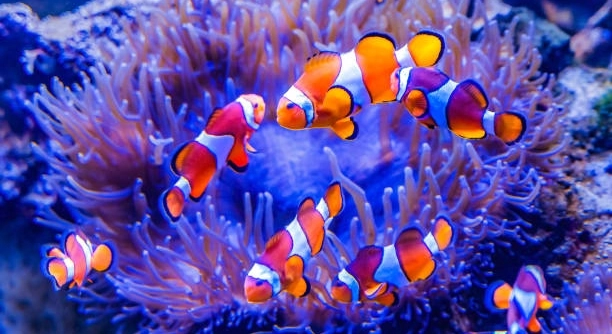
Clownfish are popular aquarium fish known for their bright colors and lively behavior. Many fish owners enjoy feeding them a variety of foods to see what they like best. Understanding their food preferences can help keep them healthy and happy in captivity.
Clownfish can show preference for specific foods based on factors like taste, texture, and nutritional value. Studies indicate they may choose certain diets over others, which affects their growth and well-being. These preferences vary among individual fish and species.
Learning more about clownfish feeding habits helps improve their care and diet choices. This knowledge benefits both hobbyists and researchers who want the best for these colorful fish.
What Influences Clownfish Food Preferences
Clownfish do not randomly pick their food; several factors influence their choices. One major factor is the food’s texture. Some clownfish prefer softer foods like flakes or pellets, while others enjoy live or frozen options such as brine shrimp or copepods. The smell and appearance also play a role. Brightly colored or moving food can attract their attention more easily. Another important aspect is nutrition—clownfish naturally seek foods that provide the nutrients they need for growth and energy. Age and health condition affect preferences, too. Younger clownfish often need more protein, so they might prefer live food. In contrast, older fish can adapt to different diets. Environmental conditions, such as water quality and temperature, also influence feeding behavior. A stable and clean tank encourages healthier eating habits. All these elements combine to shape the specific preferences that each clownfish displays, making their feeding habits quite unique and interesting.
Feeding behavior can change depending on the time of day and tank environment. Clownfish may eat more eagerly when they feel safe and comfortable in their surroundings.
Clownfish instinctively recognize certain food types that support their natural diet. In the wild, they mostly eat small invertebrates and algae, so they tend to prefer similar items in captivity. Offering a mix of protein-rich and plant-based foods helps meet their nutritional needs. Feeding small amounts frequently works better than large meals to mimic their natural eating habits. Observing their responses to different foods allows owners to adjust diets for better health. Over time, clownfish can learn to accept new foods, especially if changes are introduced gradually. Understanding their preferences not only keeps clownfish active but also supports their immune system, preventing diseases. Paying attention to how clownfish react to different diets improves their care and longevity.
Signs of Food Preference in Clownfish
Clownfish show clear signs when they favor certain foods. They often swim quickly toward preferred food and eat it first, leaving less-liked options behind.
Watching their feeding habits closely can reveal which foods they enjoy the most. Clownfish may even refuse to eat items they dislike, which is important to notice for adjusting their diet properly. By tracking their reactions, you can provide foods that encourage good nutrition and growth. When clownfish are fed well, they tend to display brighter colors and more active behavior. This feedback helps maintain a healthy aquarium environment. Recognizing these signs ensures that their dietary needs are met, promoting long-term well-being.
How to Identify Preferred Foods for Clownfish
Clownfish often show clear preferences through their feeding behavior. They approach favored foods quickly and ignore others. Noticing these patterns helps tailor their diet for better health.
To identify which foods clownfish prefer, observe their reactions during feeding. If they swim eagerly toward certain items, like live brine shrimp or specific flakes, those are likely favorites. Watch if they leave some food untouched or only nibble at it—this suggests lower preference. Feeding small amounts of different foods in separate trials can reveal consistent choices. Also, note their activity levels after eating; preferred foods often result in more vibrant colors and energetic swimming. Documenting these responses over time allows better adjustments in feeding routines, ensuring balanced nutrition.
Experimenting with different textures and types can help find new preferred foods. Gradually introducing new items and mixing them with favorites encourages acceptance. This approach prevents diet boredom and supports a varied, healthy diet, which is crucial for clownfish well-being.
Feeding Schedule and Food Variety
A consistent feeding schedule helps clownfish develop regular eating habits. Feeding them small amounts two to three times daily works well.
Offering a variety of foods supports their nutritional needs and keeps them interested in eating. A mix of flakes, pellets, frozen, and live foods provides essential proteins, vitamins, and minerals. Rotating food types prevents deficiencies and promotes overall health. It also mimics their natural diet, where they consume different organisms. Changing the menu regularly avoids over-reliance on one food source and reduces waste from uneaten food. Monitoring how clownfish respond to the schedule and food variety allows fine-tuning of feeding practices for optimal care.
Nutritional Needs of Clownfish
Clownfish require a balanced diet rich in protein, fats, and vitamins. Their natural diet includes small crustaceans and algae, which provide essential nutrients for growth and health.
Ensuring they receive varied nutrients helps maintain strong immune systems and bright colors. Feeding only one type of food risks nutrient deficiency and poor health over time.
Common Foods Offered to Clownfish
Popular foods include flakes, pellets, frozen shrimp, and live brine shrimp. Each provides different nutrients and textures to satisfy clownfish preferences.
Including a mix of these foods ensures a well-rounded diet, supporting their natural feeding habits and overall vitality.
Tips for Introducing New Foods
Introduce new foods gradually by mixing small amounts with favorites. This helps clownfish accept changes without stress or rejection.
Consistency and patience are key to successfully expanding their diet and ensuring proper nutrition.
FAQ
Can clownfish eat only one type of food?
Clownfish can survive on a single food type for a while, but it is not ideal. A varied diet provides all the nutrients they need for growth, health, and vibrant colors. Feeding only flakes or pellets long-term can cause nutrient deficiencies.
How often should clownfish be fed?
Feeding clownfish two to three times a day with small portions is best. This schedule mimics their natural feeding habits and helps prevent overfeeding. Too much food at once can pollute the tank and harm water quality.
Are live foods necessary for clownfish?
Live foods like brine shrimp or copepods are not absolutely necessary but are highly beneficial. They provide protein and stimulate natural hunting behavior. Including live food occasionally improves clownfish health and keeps them active.
Can clownfish show food preferences?
Yes, clownfish can clearly prefer certain foods over others. They often swim eagerly toward their favorite food and may ignore less preferred options. Observing these behaviors helps adjust their diet for better care.
What happens if clownfish refuse to eat?
If clownfish refuse food, it might indicate stress, illness, or poor water conditions. Sometimes they reject unfamiliar foods at first. Make sure water parameters are stable and try offering familiar favorite foods. If refusal continues, consider consulting a specialist.
Is it okay to feed clownfish human food scraps?
Feeding clownfish human food scraps is not recommended. Many human foods lack the right nutrients and can harm fish. Stick to fish-specific foods designed for their needs to keep them healthy.
Can clownfish eat plants or algae?
Clownfish do eat small amounts of algae in the wild, which provides fiber and vitamins. In captivity, some flakes and pellets include plant material. Offering algae or seaweed occasionally can be beneficial but should not replace protein sources.
How can I tell if my clownfish is getting enough nutrition?
Healthy clownfish show bright colors, active swimming, and steady growth. They eat regularly and don’t lose weight. Dull colors, lethargy, or slow growth may signal poor nutrition or illness.
Should I change clownfish food brands often?
Switching brands occasionally can prevent dietary boredom and expose fish to varied nutrients. However, changes should be gradual to avoid stress. Mixing new foods with familiar ones helps them adjust more easily.
What is the best way to introduce new foods?
Start by mixing a small amount of new food with a favorite type. Gradually increase the new food portion over several days or weeks. Patience is important, as clownfish may be cautious about unfamiliar foods.
Are frozen foods better than flakes or pellets?
Frozen foods usually have higher nutritional value than flakes or pellets because they retain more natural proteins and vitamins. Using a mix of frozen, live, and dry foods ensures balanced nutrition for clownfish.
Can overfeeding harm clownfish?
Yes, overfeeding can cause obesity, poor water quality, and increased risk of disease. Feeding small portions and removing uneaten food helps maintain a healthy environment.
Do clownfish need supplements?
Supplements are generally not needed if the diet is varied and balanced. In rare cases of nutritional deficiency, supplements might help, but it’s best to consult an expert before adding anything.
Is it normal for clownfish to spit out food sometimes?
Yes, occasionally spitting out food is normal as they test texture or taste. Consistent refusal may mean the food is not suitable or they are stressed.
Can clownfish eat frozen vegetables?
Frozen vegetables can be offered in tiny amounts occasionally for extra vitamins and fiber. However, protein-rich foods should remain the diet’s focus for their health.
This FAQ covers many common questions about clownfish feeding and preferences, helping improve their care and diet management.
Clownfish are interesting creatures that do show preferences for certain foods. Their choices depend on many things like texture, taste, and nutrition. Feeding them a varied diet helps meet their needs and keeps them healthy. Offering different types of food, such as flakes, pellets, frozen, and live options, gives clownfish the nutrients they need to grow and stay active. Watching how they respond to foods makes it easier to find what they like best. When clownfish eat well, they look bright and swim energetically, which shows they are in good health.
It is important to feed clownfish small amounts several times a day rather than one big meal. This feeding schedule mimics their natural habits and prevents leftover food from polluting the tank. Overfeeding can cause water quality problems and harm the fish. Introducing new foods slowly helps clownfish adjust without stress. Some clownfish may be picky at first but will accept new foods with time. Being patient and consistent when offering different foods helps build a balanced diet. Live foods, although not necessary every day, are good to include occasionally because they stimulate natural hunting instincts and provide high protein.
Taking care of clownfish means paying attention to their preferences and nutrition needs. Understanding what they like to eat and how often to feed them supports their overall well-being. A healthy diet also reduces the risk of illness and helps clownfish live longer in captivity. Feeding habits may change with age and environment, so it is good to observe and adjust as needed. By learning how clownfish show food preferences and responding to those signs, owners can provide better care. This makes the fish happier and healthier, which benefits both the clownfish and those who enjoy keeping them.

Hello,
If you enjoy the content that we create, please consider saying a "Thank You!" by leaving a tip.
Every little bit helps us continue crafting quality advice that supports the health, happiness, and well-being of pets around the world, for pets of all shapes, sizes, and species.
We really appreciate the kindness and support that you show us!