
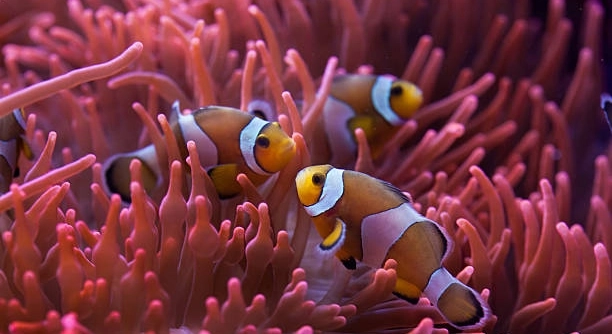
Have you ever watched your clownfish swim up to the glass and wondered if it actually notices you or enjoys your presence?
Clownfish can show mild attachment behaviors toward humans, especially in captive environments. These behaviors are often based on routine, recognition of movement, and association with feeding times rather than emotional bonding.
Understanding the differences between instinct, habit, and genuine recognition can help clarify how clownfish respond to their human caretakers over time.
How Clownfish Behave Around Humans
Clownfish often respond to the presence of humans by approaching the tank front, especially during feeding times. This behavior can appear affectionate, but it’s mostly tied to food association and routine. Over time, clownfish may begin to recognize patterns in human behavior, such as movement or sound near the tank. Some even swim more actively when familiar people are nearby. However, this isn’t the same as emotional bonding seen in mammals. These responses are mostly learned behaviors and instinctual reactions rather than signs of true attachment. That said, their consistent reactions can still feel meaningful for owners observing daily changes and patterns.
Their reactions are usually driven by repeated exposure to the same routine or caretaker. This consistency builds a form of recognition.
While clownfish don’t form emotional bonds in the human sense, they can show responsiveness and mild recognition when consistently cared for, making their behavior interesting to watch.
What Influences Their Interaction
Clownfish behavior can shift based on how secure and consistent their environment is.
A stable tank setup with regular feeding schedules makes clownfish feel safe. They become more active and may swim closer to the glass when they see you. These habits come from repetition. If you’re the one feeding them daily or adjusting their tank gently, they may associate your presence with positive outcomes. Unlike dogs or cats, clownfish aren’t capable of complex emotional connection, but they can still react to familiar cues. Sudden changes in lighting, sound, or even water conditions can cause them to hide or behave differently. To maintain predictable interactions, it’s best to keep their environment as consistent as possible. Over time, your presence may become part of what they recognize as safe and routine.
Signs Your Clownfish May Recognize You
Clownfish may come closer to the front of the tank, swim more actively, or hover near the surface when they see you. These are signs they associate your presence with food or routine.
They may start following your finger as it moves along the glass or gather near the spot where feeding usually happens. This type of behavior is often based on conditioned responses. If you maintain a consistent schedule, they may become more interactive during those expected times. While this might look like affection, it’s often a learned behavior tied to positive reinforcement. Their actions are more about routine and familiarity than emotional recognition, but they still respond to repeated cues in a noticeable way.
Over time, clownfish may develop stronger behavioral patterns around people they see often. They can become more confident, especially if they feel safe in their environment. Even though it’s instinctual, it can still feel rewarding to observe.
What Not to Mistake for Attachment
Clownfish are naturally curious and will explore their environment, including movement outside the tank. This doesn’t mean they are showing emotional attachment—it’s more about instinct and visual stimulation than personal connection.
Some behaviors might seem like affection, but they are usually reactions to light, motion, or feeding habits. Clownfish are territorial and may appear more interactive when guarding their space, not because they recognize you personally. For example, they may swim quickly toward your hand if you’re cleaning the tank—not as a greeting, but as a defense of their area. It’s important to avoid over-interpreting these instincts as emotional bonds. While they can show consistency and routine-based reactions, they lack the capacity for deeper attachment seen in mammals. Understanding their natural behavior can help set the right expectations when observing how they respond to you.
How Feeding Habits Shape Their Response
Feeding is one of the strongest ways clownfish learn to associate your presence with something positive. They often swim up when you approach, expecting food. This routine can make them seem more interactive than they truly are.
They may even become more active during usual feeding hours, showing excitement as you get closer. This behavior is tied to habit and survival, not emotional bonding.
Role of Environment and Tank Setup
A well-maintained tank can influence how calm and interactive clownfish become. If lighting, water flow, and temperature stay consistent, they’re less stressed and more likely to show active behavior near you. Poor conditions, on the other hand, may make them hide or become less responsive.
Tank Mates Can Affect Behavior
Clownfish housed with aggressive or overly active species may act more cautious around people. A calm tank often leads to more confident, curious behavior.
Can clownfish really recognize their owners?
Clownfish can recognize repeated patterns, such as your movements or the way you approach their tank. This recognition is mainly linked to routine and feeding times. While they don’t form emotional bonds like pets such as dogs or cats, their behavior can show familiarity with you as a regular presence. This recognition helps reduce stress and encourages predictable responses during daily care.
Why do clownfish swim toward the glass when I approach?
Swimming toward the glass often signals that clownfish associate your presence with feeding. They learn that your movement means food is coming, so they become more active near the front of the tank. This behavior is conditioned and not necessarily a sign of affection, but it does show they respond to visual cues linked to routine.
Do clownfish get stressed by human interaction?
Excessive tapping or sudden movements can stress clownfish. They thrive best with minimal disturbance, consistent lighting, and a stable environment. Gentle, calm behavior near their tank is ideal to avoid causing unnecessary stress. Stress can lead to hiding or erratic swimming, which affects their health.
Can clownfish feel loneliness or need companionship?
Clownfish are territorial but social within their species. They do not experience loneliness like mammals but benefit from suitable tank mates or a compatible clownfish partner. Having appropriate companions reduces stress and supports natural behaviors, which improves their overall well-being.
What’s the best way to interact with clownfish?
Keep interactions simple and predictable. Approach the tank calmly and stick to a feeding schedule. Avoid sudden movements or tapping the glass. Over time, clownfish may respond to your presence through routine behaviors, creating a positive interaction pattern based on familiarity rather than emotional bonding.
How does tank environment influence clownfish behavior toward humans?
A stable environment with proper water quality, lighting, and temperature encourages calm and active clownfish. When their habitat feels safe and predictable, they are more likely to swim near the glass and respond to your presence. Changes in the environment can cause stress, reducing their interaction with you.
Are there differences in how wild and captive clownfish respond to humans?
Wild clownfish don’t have regular exposure to humans, so they tend to avoid people. Captive clownfish, raised in tanks and fed by humans, learn to recognize their caretakers and respond to routines. Their behavior in captivity is shaped by frequent interaction and environment consistency.
Can clownfish learn to trust humans?
Trust as humans understand it is unlikely with clownfish. However, they can develop conditioned responses to routine, which might look like trust. Consistent feeding, gentle care, and a stable environment foster positive behavior patterns, making them less fearful and more responsive during daily interactions.
Is it harmful to try to interact closely with clownfish?
Physical interaction isn’t recommended since clownfish live underwater and rely on their environment’s balance. Frequent tapping or disturbing the tank can stress them. Observing quietly and maintaining a calm routine is best for their health and well-being.
How long does it take for clownfish to show recognition behaviors?
Recognition behaviors often develop over weeks or months of consistent care. Clownfish need repeated exposure to cues like feeding times and caretaker movements. The more consistent and gentle the routine, the faster they may show signs of familiarity.
Can clownfish show affection like other pets?
Clownfish do not show affection like mammals or birds. Their responses are driven by instincts, routine, and environmental comfort rather than emotional attachment. While their behavior can be engaging and enjoyable to watch, it should not be mistaken for affection in a human sense.
What should I avoid when trying to build a routine with clownfish?
Avoid irregular feeding times, sudden noises, or changes in tank setup. These disruptions can cause stress and make clownfish less responsive. Consistency is key for developing positive behavior patterns and keeping clownfish comfortable with your presence.
Does lighting affect clownfish behavior toward humans?
Yes, lighting impacts their activity levels. Bright or flickering lights can stress clownfish, while consistent, moderate lighting encourages natural behaviors and responsiveness. Adjusting lighting to mimic natural conditions helps maintain a calm and healthy environment.
How can I tell if my clownfish is stressed or unhealthy?
Signs of stress include hiding for long periods, rapid breathing, loss of color, and erratic swimming. Poor appetite and lethargy also indicate health issues. Monitoring behavior closely and maintaining good tank conditions helps prevent stress and keeps clownfish healthy.
Are clownfish sensitive to sound or vibrations from outside the tank?
Clownfish can detect vibrations and sudden noises, which may startle or stress them. It’s best to keep the area around the tank calm and quiet. Avoid tapping on the glass or loud movements near the tank to maintain a peaceful environment.
This FAQ covers key points to help understand clownfish behavior and their interaction with humans, based on research and observation.
Clownfish are fascinating creatures that often seem to interact with their human caretakers in interesting ways. While they do not form emotional attachments like pets such as dogs or cats, their behavior shows they can recognize patterns and respond to routine. This means that when they swim toward the glass or become more active during feeding times, they are reacting to familiar cues rather than forming a personal bond. Understanding this distinction helps set realistic expectations for how clownfish behave around people.
Their responses are largely shaped by their environment and the consistency of care they receive. A stable tank with proper lighting, temperature, and clean water encourages clownfish to feel safe and comfortable. When their habitat is steady, they are more likely to display behaviors like approaching the front of the tank or following movement outside. These actions result from habit and recognition of routine rather than affection. For owners, seeing these behaviors can still be rewarding because it shows the fish are healthy and adjusting well to their surroundings.
Taking care of clownfish involves maintaining consistency in feeding and minimizing sudden disturbances. Over time, this helps clownfish become accustomed to your presence and may increase their activity near the tank. While it’s important not to confuse their responses with emotional attachment, the interaction can still be enjoyable. Observing their patterns and learning how they react to daily routines provides insight into their nature. Clownfish remind us that even simple behaviors can carry meaning, reflecting their instinct and adaptability in a home aquarium.

Hello,
If you enjoy the content that we create, please consider saying a "Thank You!" by leaving a tip.
Every little bit helps us continue crafting quality advice that supports the health, happiness, and well-being of pets around the world, for pets of all shapes, sizes, and species.
We really appreciate the kindness and support that you show us!